
Pests and Diseases
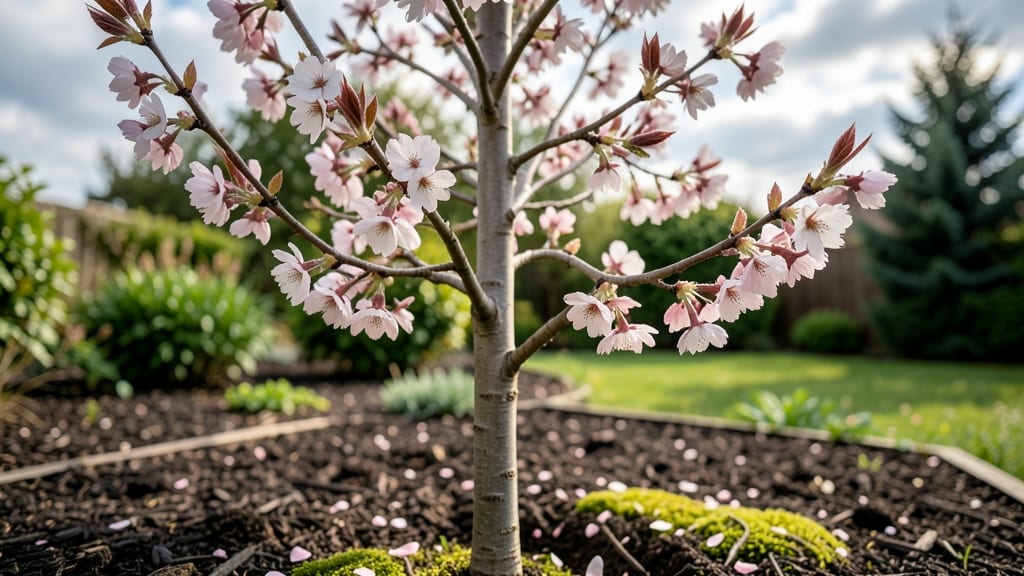
That delicate prunus triloba leaf transforms your garden into a living watercolor painting—even when temperatures drop. 🌿 I’ve watched mine shift from soft pink buds in spring to deep burgundy in winter, proving this tree thrives where others struggle.
The secret lies in its hardiness: it handles drought, urban pollution, and temperatures as low as -25°F, making it the perfect low-maintenance star for any landscape.
Start with full sun to partial shade and well-draining soil—this tree tolerates poor conditions but rewards you with vibrant foliage and delicate white spring blooms. Plant in early spring or fall, spacing saplings 15-20 feet apart to give them room to grow into their elegant, rounded shape.
Unlike fussy ornamentals, Prunus triloba rarely needs pruning, though you can shape it lightly in late winter if needed.
By summer, you’ll have a tree that stays lush and colorful year-round, with minimal effort. The leaves develop a stunning crimson hue in fall, and their papery texture adds texture to winter landscapes.
Even in urban areas, this tree resists pests and diseases, making it a foolproof choice for gardeners who want beauty without the hassle.
Works in USDA zones 3-8, from city sidewalks to rural yards. Once established, it’s nearly indestructible—just water deeply during the first growing season and watch it thrive. Here’s how to get started without overcomplicating it.
📚 In This Guide
- What you need
- Instructions
- Tips and common mistakes
- Wrapping up and next steps
What you need
- ● Prunus triloba leaves or cuttings: Healthy, disease-free leaves (fresh or dried for projects)
- ● Mature cuttings (4–6 inches long, with 2–3 nodes) for propagation
- ● Potting soil: Well-draining mix (e.g., 50% peat moss, 30% perlite, 20% compost)
- ● Containers: Small pots (4–6 inches in diameter) for cuttings or propagation
- ○ Rooting hormone: (Optional but recommended for faster root growth)
- ● Pruning shears: Sharp, sterilized shears for clean cuts
- ● Watering can or spray bottle: For gentle hydration
- ● Gloves: Protect your hands from thorns and sap
- ● Label markers: To track plant varieties or propagation dates
- ○ Plastic wrap or humidity dome: (Optional) To retain moisture during rooting
- ● Fertilizer (balanced, 10-10-10): For established plants (apply sparingly)
- ● Mulch: Organic material (e.g., straw or bark) to retain soil moisture
- ● A sunny spot (6+ hours of light daily) or grow lights for indoor propagation
- ● Patience! Prunus triloba cuttings may take 4–8 weeks to root
- ● Basic knowledge of plant care (or willingness to learn!)
How to grow and maintain Prunus triloba for year-round foliage
This hardy ornamental cherry thrives with minimal fuss—here’s how to cultivate its striking foliage.
🌱 Step 1: Select the Right Location and Soil
Prunus triloba thrives in full sun to partial shade, with at least 6 hours of direct sunlight daily for optimal leaf color and resilience. I always plant mine where morning sun warms the leaves gradually—this prevents sudden temperature shocks that can scorch tender new growth. The soil should drain well but retain moisture; amend heavy clay with 2-3 inches of compost to improve aeration.
Test your soil’s pH before planting—Prunus triloba prefers a slightly acidic to neutral range (6.0-7.0). If your soil tests alkaline, mix in sulfur or peat moss to adjust the pH. Avoid waterlogged spots; the roots will rot if they sit in soggy soil for more than a few days. A gentle slope or raised bed helps excess water drain away.
☀️ Step 2: Plant at the Right Time and Depth
Plant bare-root Prunus triloba in early spring or fall, when temperatures are cool but the ground isn’t frozen. Dig a hole twice as wide as the root ball but no deeper—this encourages roots to spread horizontally rather than settling too low. Gently loosen the roots if they’re circling and position the plant so the top of the root ball sits 1-2 inches below soil level. Backfill with native soil mixed with compost to avoid disturbing the roots.
Water deeply after planting to eliminate air pockets, then mulch with 2-3 inches of organic mulch (like shredded bark) to retain moisture and regulate soil temperature. The mulch should never touch the trunk—keep it 3-4 inches away to prevent rot. You’ll know you’ve done it right when the soil around the roots stays consistently moist but not waterlogged.
💧 Step 3: Water and Fertilize for Lush Foliage
Prunus triloba is drought-tolerant once established, but young plants need 1-1.5 inches of water weekly during the first growing season. Water deeply at the base rather than overhead to minimize disease risk. You’ll see the leaves respond within a week—healthy foliage stays deep green with a slight waxy sheen, while underwatered plants develop dull, yellowing edges.
Fertilize lightly in early spring with a balanced 10-10-10 formula or compost. Over-fertilizing leads to excessive leaf growth at the expense of cold hardiness. I skip fertilizer entirely in fall to encourage root strengthening before winter. If your plant’s leaves turn yellow in spring, it’s often a sign of over-fertilization the previous year.
✂️ Step 4: Prune for Shape and Winter Hardiness
Prune Prunus triloba in late winter or early spring before new growth begins. Remove dead, diseased, or crossing branches first—these compete for energy and weaken the plant. Cut back to a healthy lateral branch or outward-facing bud to encourage bushier growth. Avoid heavy pruning; this ornamental cherry responds best to light shaping rather than drastic cuts.
Thin out crowded branches to improve airflow, which reduces the risk of fungal diseases like powdery mildew. You’ll know your pruning is balanced when the plant’s canopy opens up to sunlight evenly. After pruning, apply a 2-inch layer of mulch around the base to protect roots from temperature swings. The goal is to maintain a natural, open shape that showcases its stunning foliage.
⏰ Step 5: Protect and Maintain Through Seasons
Prunus triloba’s foliage stays lush even in frost, but young plants benefit from a thick layer of mulch (4-6 inches) in winter to insulate roots. In extreme cold zones (-20°F or lower), wrap the trunk with burlap or tree guard to prevent sunscald. The bark is naturally tough, but young stems can crack if exposed to rapid temperature changes.
Monitor for pests like scale or spider mites—these thrive in dry conditions. A strong spray of water can dislodge early infestations, but severe cases may require neem oil or insecticidal soap. Healthy Prunus triloba rarely needs intervention, but yellowing leaves in summer often signal overwatering or poor drainage. Adjust your watering routine if the soil stays soggy for more than 24 hours after watering.
Tips & tricks for perfect Prunus triloba cultivation
These tried-and-true strategies will help you coax the most vibrant, frost-resistant foliage from your Prunus triloba—no green thumb required.
Sunlight Strategy: While the instructions mention 6 hours of direct sunlight, I've found that morning sun paired with afternoon shade works best in hot climates. The gradual warming prevents the delicate leaves from developing sunburn, especially during the first growing season. If your location gets intense afternoon sun, consider planting near a north-facing wall or under a light canopy of taller trees.
Soil Preparation Secret: The 2-3 inches of compost recommendation is perfect, but I take it a step further by mixing in a handful of worm castings at planting time. This introduces beneficial microbes that help the roots establish more quickly, which is especially important during the first 24 hours after planting when roots are most vulnerable. The worm castings also improve water retention without risking root rot.
Watering Wisdom: When the instructions call for 1-1.5 inches of water weekly, I measure this using a rain gauge placed near the plant. This helps me visualize exactly how much water the soil needs to stay consistently moist but not soggy. In my experience, early morning watering (before 8 AM) minimizes evaporation and fungal risks, giving the leaves time to dry completely before nightfall.
Winter Protection: For extreme cold zones (-20°F or lower), I've had success using a double-layer protection system. First, I wrap the trunk with burlap as recommended, then I mound an extra 2-3 inches of mulch around the base after the initial 4-6 inch layer. This creates an insulating barrier that prevents temperature swings from cracking young stems. The mulch also acts as a barrier against rodents looking for winter shelter.
Pro Tips for Prunus Triloba Leaf
- These tried-and-true strategies will help you coax the most vibrant, frost-resistant foliage from your Prunus triloba—no green thumb required.
- Sunlight Strategy: While the instructions mention 6 hours of direct sunlight, I've found that morning sun paired with afternoon shade works best in hot climates.
- Soil Preparation Secret: The 2-3 inches of compost recommendation is perfect, but I take it a step further by mixing in a handful of worm castings at planting time.
Frequently asked questions
about Prunus triloba leaf care, pests, and growing tips—answered!Why do my Prunus triloba leaves turn brown or yellow?
Brown or yellow leaves are often caused by underwatering or overwatering. Check soil moisture—it should stay lightly damp but not soggy. Yellowing can also signal nutrient deficiency (try a balanced fertilizer) or fungal issues (like powdery mildew). Prune affected leaves to encourage healthier growth.
Are Prunus triloba leaves prone to pests?
While hardy, these leaves can attract aphids, spider mites, or scale insects if stressed. Inspect undersides of leaves for sticky residue or tiny webs. Treat with neem oil or insecticidal soap for mild infestations. Prevention tip: Keep plants healthy with proper watering and airflow!
How cold-hardy is Prunus triloba really?
This plant thrives in USDA Zones 3–8 and handles temps down to -30°F (-34°C)! Its frost resistance makes it ideal for northern climates. However, young plants may need winter mulch for extra protection. Pro tip: Avoid heavy pruning in late winter—wait until spring for best results.
Can I use Prunus triloba leaves for tea or culinary purposes?
While edible, the leaves have a bitter, astringent taste and aren’t commonly used in cooking. Some herbalists brew them for tea (like black tea) for their antioxidant properties. Always harvest from pesticide-free plants and use sparingly—start with 1 tsp per cup of hot water.
What’s the best time to prune Prunus triloba for fuller growth?
Prune in late winter or early spring (before new growth) to shape the plant and remove dead wood. Avoid heavy pruning in fall—it can stress the plant before winter. For year-round color, trim lightly after each seasonal flush of new leaves to maintain density.
Wrapping up and next steps
Prunus triloba leaf is a standout choice for year-round greenery, offering resilience against frost and minimal pest susceptibility—perfect for gardeners seeking low-maintenance beauty. 🌿 Whether you're revamping your landscape or troubleshooting disease-prone plants, this hardy foliage delivers durability and elegance without the hassle.
Ready to transform your outdoor space? Start by exploring propagation tips or connecting with local nurseries to bring home your Prunus triloba today!