
Pests and Diseases
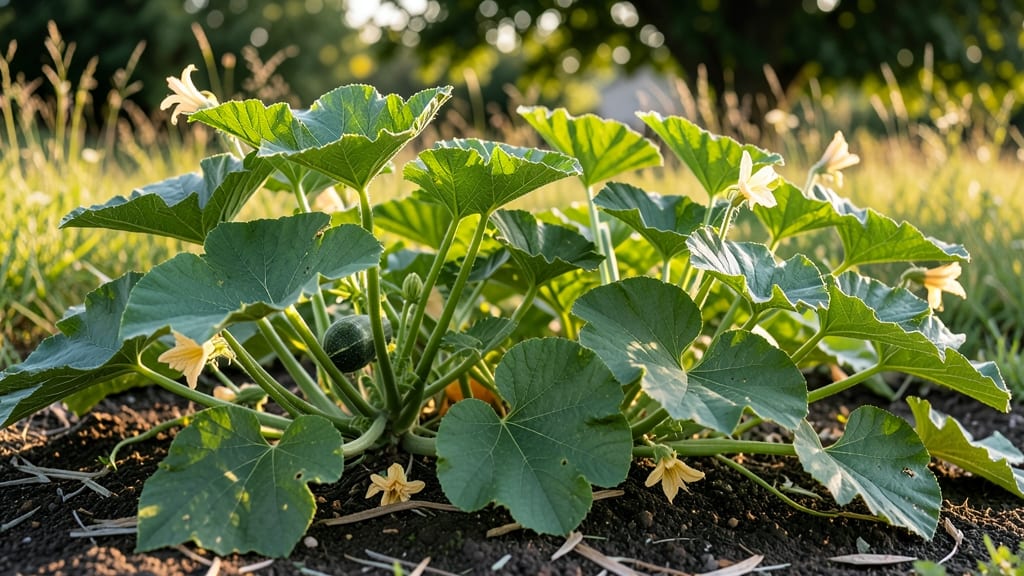
Spotting pumpkin leaves vs. zucchini leaves saves you from misdiagnosing pests or diseases. 🌱 The first clue is leaf shape: pumpkin leaves are broad with jagged, deeply lobed edges, while zucchini leaves are smoother with shallow serrations—almost like a softer version of a maple leaf.
Both start dark green, but pumpkin leaves develop a waxy sheen as they mature, while zucchini leaves stay matte unless stressed.
Growth habits offer another hint: pumpkin vines sprawl aggressively, with leaves growing on long, trailing stems, while zucchini plants stay bushier with leaves clustered closer to the stem.
I’ve seen beginners confuse powdery mildew on zucchini leaves for normal aging—until they noticed the fuzzy white coating, which pumpkin leaves rarely get. Zucchini leaves are also more prone to squash vine borers, so checking undersides helps spot early signs.
Here’s the game-changer: vein patterns. Pumpkin leaves have prominent, palmate veins that spread outward like fingers, while zucchini veins are more parallel and subtle. This difference becomes obvious when you hold leaves side by side—it’s like comparing oak and maple branches.
Knowing these details helps you act fast: treat powdery mildew on zucchini with neem oil, but watch pumpkins for cucumber beetles instead.
Pro tip: Snap a photo of both leaves when healthy and store it in your gardening app. Next time you’re unsure, compare it to your reference—no more guessing games.
These distinctions matter most when your plants are young, before pests or diseases take hold. Trust your eyes, and your garden will thank you.
The first product explained
Meet your new gardening superstar: Pumpkin Leaves! 🌱🍂 These vibrant, broad leaves aren’t just a pretty face—they’re packed with benefits that make them a must-have for any garden or kitchen. Whether you're growing pumpkins for their fruit or their edible leaves, here’s why they’re worth your attention.
🌿 Key Specs & Features
Pumpkin leaves are large, lobed, and deep green, often with a slightly rough texture. They grow on Cucurbita plants, including butternut squash, acorn squash, and, of course, pumpkins. Here’s what sets them apart:
- Size: Typically 6–12 inches wide, making them perfect for shading soil and deterring weeds.
- Shape: Palmately lobed with 3–7 pointed "fingers," giving them a distinctive, almost maple-like appearance.
- Edibility: Young, tender leaves are fully edible and can be used raw in salads or cooked like spinach. Older leaves turn tougher and more fibrous.
- Pest Resistance: Their strong scent can repel pests like aphids and squash bugs, acting as a natural deterrent.
- Nutritional Boost: Rich in vitamins A, C, and minerals like iron and calcium.
👩🌾 Who Should Use Them?
Pumpkin leaves are a versatile addition for:
- Home Gardeners: Ideal for companion planting to protect other veggies from pests.
- Foragers & Chefs: Add a unique, slightly sweet flavor to soups, stir-fries, or pestos.
- Eco-Conscious Growers: Reduce food waste by using leaves from plants you’re already growing.
- Compost Enthusiasts: Chopped leaves break down quickly, enriching soil with nutrients.
💰 Price Point & Accessibility
One of the best parts? Pumpkin leaves are free if you grow your own! If you’re sourcing them from markets or specialty stores (like those selling edible garden plants), expect to pay:
- Fresh Leaves: $3–$8 per bunch (often sold as part of a "pumpkin leaf salad" kit).
- Dried Leaves: $5–$12 per packet (for cooking or tea blends).
- Seeds for Growing: $2–$5 per packet (if you want to cultivate your own stash).
Pro Tip: 💡 If you’re growing pumpkins, harvest leaves early in the season when they’re most tender. Avoid leaves from plants treated with pesticides if foraging wild!
The second product explained
Meet your next garden superstar: zucchini leaves! 🌿 While pumpkin leaves steal the spotlight for their bold, lobed shapes, zucchini leaves bring their own unique charm—and some surprising perks—to your garden.
Whether you're a seasoned gardener or just dipping your toes into the world of edible greens, these leaves are a versatile and nutrient-packed addition you won’t want to overlook.
🌱 Key Specs & Features
Zucchini leaves (Cucurbita pepo) are broad, deep green, and slightly rough to the touch compared to the smoother pumpkin leaves. They grow on the same plant as zucchini (or summer squash) and are typically 5–10 inches wide, with a slightly serrated edge.
One of their standout traits? They’re fast-growing—often ready to harvest just a few weeks after the plant emerges!
- Texture: Slightly hairy or rough underside (unlike pumpkin leaves, which are smoother).
- Taste: Mild, slightly bitter, and earthy—similar to pumpkin leaves but with a delicate sweetness when young.
- Nutrition: Packed with vitamin A, C, and K, plus fiber and antioxidants. 📊
- Growth Habit: Grows prolifically, meaning you’ll have a steady supply throughout the growing season.
👩🌾 Who’s This For?
Zucchini leaves are a fantastic choice for:
- Home gardeners looking to maximize their harvest—use them in place of spinach or kale!
- Health-conscious cooks who want a low-calorie, nutrient-dense green to add to soups, stir-fries, or sautés.
- Sustainability-focused growers—since they’re a byproduct of zucchini production, they reduce food waste.
- Foragers and wild harvesters who want to identify edible greens with confidence (just double-check they’re from a pesticide-free source!).
💰 Price Point & Accessibility
Here’s the best part: zucchini leaves are free (or nearly free)! 🎉 If you’re growing zucchini, you’re already growing these leaves—just harvest them before they get too large or tough.
For those buying from farmers' markets or specialty stores, expect to pay $3–$8 per bunch, depending on location and organic certification. Pro tip: 💡 If you’re not growing your own, look for zucchini plants at garden centers in early spring—the leaves will be ready to pick in just a few weeks!
Ready to elevate your garden—and your meals? Zucchini leaves are the unsung hero your kitchen deserves!
Head-to-head comparison
Now that we’ve explored the unique characteristics of pumpkin leaves and zucchini leaves, let’s dive into a detailed side-by-side comparison to help you spot the differences like a pro! Whether you’re battling pests, diagnosing plant health, or simply admiring your garden, these distinctions will become your secret weapon. 🌱🔍
🌿 Visual Appearance: Shape, Texture, and Color
The first thing that sets these two apart is their look. Let’s break it down:
- Leaf Shape:
- Pumpkin leaves: Broad, lobed (often 3-5 pointed lobes), and roughly round. Think of a maple leaf’s cousin—slightly jagged but not as serrated as oak leaves. 🍂
- Zucchini leaves: Deeply lobed with 5-7 sharp, pointed lobes, almost resembling a hand with fingers. They’re more angular and rough to the touch.
- Texture:
- Pumpkin: Slightly hairy or fuzzy, especially on the underside. Feels velvety if you run your fingers over it. 🐝
- Zucchini: Smoother but still rough with a slightly waxy coating. Less fuzzy than pumpkin leaves.
- Color:
- Pumpkin: Darker green (almost blue-green) on top, with a lighter, pale green underside. 🌿
- Zucchini: Bright, vibrant green on both sides, but the underside may have a slightly yellowish tint.
🐛 Pest and Disease Susceptibility
Both plants are prone to pests and diseases, but their leaf structures make them targets for different critters. Here’s who’s after whom:
| Factor | Pumpkin Leaves | Zucchini Leaves |
|---|---|---|
| Common Pests |
|
|
| Disease Vulnerabilities |
|
|
| Early Warning Signs |
Holes in lobes, sticky residue (aphids), or silver streaks (mites). |
Chewed edges, frass (sawdust-like droppings), or transparent tunnels in stems (vine borers). |
🌱 Growth Habits and Plant Structure
How the plant grows can also give away whether you’re dealing with a pumpkin or zucchini:
- Vine Length and Spread:
- Pumpkin: Longer vines (can sprawl 10-20 feet), trailing growth habit. 🌿🌀
- Zucchini: Bushier, 3-6 feet tall, with upright stems (though some varieties vine).
- Leaf Arrangement:
- Pumpkin: Leaves grow in a spiral pattern along the vine, alternating sides. 🌀
- Zucchini: Leaves are more densely packed, especially near the stem, with overlapping lobes.
- Flower and Fruit Clues:
- Pumpkin: Large, yellow-orange flowers that appear later in the season. Fruits grow at vine nodes. 🎃
- Zucchini: Smaller, yellow flowers (male and female) that bloom earlier. Fruits emerge from leaf axils near the stem. 🍆
💰 Garden Maintenance and Cost Considerations
If you’re comparing these two for your garden layout or budget, here’s what you need to know:
- Space Requirements:
- Pumpkin: Needs more space (trellises or large plots). 🏞️
- Zucchini: Compact—great for small gardens or containers (dwarf varieties).
- Watering Needs:
- Pumpkin: Deep watering (1-2 inches per week). Drought-sensitive. 💦
- Zucchini: Consistent moisture but less tolerant of waterlogging.
- Fertilizer Preferences:
- Pumpkin: Nitrogen-heavy early on, then potassium for fruit development. 🌱💪
- Zucchini: Balanced NPK (10-10-10) with compost for quick growth.
Which one should you choose?
So, which leaf reigns supreme in your garden? The answer depends on your goals, taste preferences, and gardening needs. Here’s how to decide between pumpkin leaves and zucchini leaves based on different scenarios:
🌱 For Pest Control & Companion Planting
If your priority is natural pest deterrence, pumpkin leaves win! Their strong aroma and texture repel pests like squash bugs and aphids, making them a powerhouse for organic gardening.
Plant them near vulnerable crops like tomatoes or cucumbers for a protective barrier. 💡Pro tip: Crush a few leaves and scatter them around plants for an instant pest-repelling boost.
🍽️ For Culinary Use (Edibility & Flavor)
Zucchini leaves take the cake here! They’re mild, tender, and packed with flavor, perfect for sautéing, blending into soups, or adding to pasta. Pumpkin leaves, while edible, can be bitter and fibrous, better suited for compost or pest control than the kitchen.
If you’re growing greens for eating, zucchini leaves are the clear choice. 🥗
🌿 For Garden Aesthetics & Space Efficiency
Both leaves are attractive, but zucchini plants tend to be more compact and bushier, making them ideal for small gardens or containers. Pumpkin vines, on the other hand, sprawl widely—great for trellises or large plots but less practical in tight spaces.
Choose zucchini if you want neat, space-saving greenery; opt for pumpkin if you’re going for a dramatic, sprawling look.
💰 For Low-Maintenance & High-Yield Gardening
Pumpkin leaves offer a dual-purpose win: they deter pests and produce edible fruit. Zucchini leaves are great, but their primary value is in the harvestable fruit. If you’re after versatility and minimal fuss, pumpkin leaves deliver more bang for your buck. 💪
📊 Final Verdict Table
| Category | Pumpkin Leaf | Zucchini Leaf |
|---|---|---|
| Best For | Pest control, compost, large gardens | Culinary use, small spaces, tender greens |
| Flavor/Texture | Bitter, fibrous | Mild, tender, versatile |
| Growth Habit | Vining, sprawling | Bushy, compact |
| Bonus Perk | Natural pest repellent | Edible leaves + fruit |
Still unsure? Grow both! Plant a few zucchini leaves for cooking and a row of pumpkin leaves as a living pest barrier. That way, you get the best of both worlds—flavor, function, and beauty in one garden. 🌟