
Shrubs
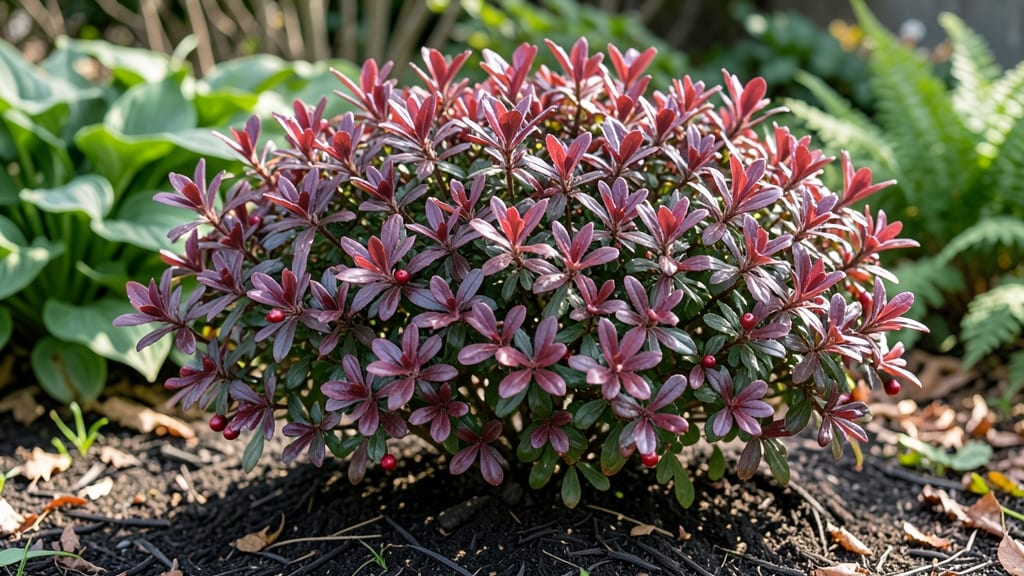
Finding a purple-and-green leaf shrub transforms your garden from ordinary to strikingly dramatic all year long. 🌿 These plants bring bold contrast that pops against any backdrop—whether you’re framing a pathway, anchoring a border, or creating a focal point.
The best part? Most handle neglect like champions, so they’re perfect for busy gardeners who still want wow factor.
Think Cotoneaster with its glossy purple-black berries, Euonymus with its fiery winter stems, or Abelia with its silvery undersides that shimmer in the breeze. Pair them with silver foliage or white blooms for a high-contrast look that feels fresh and modern.
They thrive in full sun to partial shade and tolerate a range of soils, making them versatile for almost any landscape.
What you’ll get is a garden that never looks boring, even in winter. The deep purple leaves hold their color through cold snaps, while some varieties even produce flowers or berries for extra texture.
Place them where they’ll catch the eye—along driveways, near entryways, or as a lone statement plant in a mixed border.
Low-maintenance doesn’t mean low-impact. These shrubs deliver year-round drama with almost no effort, and they pair beautifully with everything from perennials to evergreens. Here’s how to choose the right one for your space and style.
📚 In This Guide
- What you need
- Instructions
- Tips and common mistakes
- Wrapping up and next steps
What you need
- ● Purple and green leaf shrub: Choose a variety like Weigela florida 'Wine and Roses', Cotinus 'Royal Purple', or Berberis thunbergii 'Atropurpurea' (1-3 plants, depending on desired coverage).
- ● Well-draining soil: 5-10 bags of garden loam or compost mix (adjust based on soil quality).
- ● Organic mulch: 2-3 cubic feet of shredded bark or pine straw to retain moisture.
- ● Fertilizer: 1 lb of balanced 10-10-10 granular fertilizer or slow-release organic pellets.
- ● Watering can or hose: With a gentle spray nozzle for even hydration.
- ● Gloves and pruning shears: Heavy-duty gardening gloves and bypass pruners (sterilized with rubbing alcohol).
- ● Trowel or spade: For digging holes (8-12" deep, 2x the root ball width).
- ○ Soil pH tester: To ensure slightly acidic to neutral (6.0-7.0) soil (optional but helpful).
- ● Support stakes: 2-3 bamboo or metal stakes (6 ft tall) for young shrubs in windy areas.
- ● Slow-release fertilizer spikes: For seasonal feeding (spring/fall).
- ● Mulch rings or landscape fabric: To prevent weed growth around the base.
Step-by-Step guide to planting and maintaining a purple and green leaf shrub
Here’s how to establish a showstopping shrub that delivers bold color and texture from spring through winter.
🌱 Step 1: Select the Right Location and Prepare the Soil
Choose a spot with partial shade to full sun—most purple-leaf shrubs thrive in 4-6 hours of direct sunlight daily, but some varieties like Euonymus alatus or Cotoneaster tolerate deeper shade. Avoid low-lying areas where cold air pools, as frost can damage tender new growth. Test the soil pH—most prefer slightly acidic to neutral (6.0-7.0).
Amend the soil with 2-3 inches of compost mixed into the top 12 inches of native soil. Purple-leaf shrubs often struggle in heavy clay or sandy soils. Work in 1 cup of slow-release fertilizer (10-10-10) per planting hole to jumpstart root development. I like to add a handful of peat moss if the soil drains too quickly, as these shrubs dislike drying out.
🪴 Step 2: Plant at the Correct Depth and Spacing
Dig a hole twice as wide as the root ball but no deeper—planting too deep suffocates roots and causes stress. Gently loosen the roots if they’re circling tightly in the container. Place the shrub so the top of the root ball sits level with the surrounding soil (not mounded). For 4 shrubs, space them 4-6 feet apart in a hedgerow or 6-8 feet apart for a standalone specimen.
Backfill with native soil mixed with compost, tamping lightly every 2 inches to eliminate air pockets. Water deeply until moisture reaches 6 inches down, then let the soil settle for 10 minutes before adding a 2-inch layer of mulch (wood chips or shredded bark). Keep mulch 3 inches away from the stem to prevent rot. This ensures even moisture without smothering the base.
☀️ Step 3: Water Consistently and Monitor Foliage Color
Water deeply every 2-3 days during the first 4 weeks to encourage root spread, then taper to once a week once established. Purple-leaf shrubs often lose vibrancy if stressed—wilting or yellowing leaves signal underwatering, while mushy stems mean overwatering. Adjust based on rainfall: check soil 2 inches down—if dry, water; if damp, wait.
Fertilize lightly in early spring with a balanced 10-10-10 formula (½ cup per shrub) to support new growth. Avoid high-nitrogen fertilizers, which can intensify leaf color but weaken plant structure. Prune back any leggy or overcrowded branches in late winter to maintain shape and airflow. This keeps the foliage dense and the purple hues vivid.
✂️ Step 4: Prune for Shape and Health Year-Round
Prune lightly in late winter (before new growth starts) to remove dead, crossing, or weak branches. Use clean, sharp pruners to make cuts at a 45-degree angle just above a bud. For formal hedges, shear 2-3 times per season—after spring flush, mid-summer, and again in early fall. Never cut into old wood, as purple-leaf shrubs rarely regrow from mature branches.
Watch for aphids or spider mites, which love the tender new growth. Spray with neem oil at the first sign of webbing or sticky residue. I also dust leaves with diatomaceous earth in early summer to deter pests without chemicals. Divide overgrown shrubs every 3-5 years in early spring by digging up the root ball, separating sections with a clean knife, and replanting immediately.
⏰ Step 5: Winterize for Year-Round Drama
Before the first hard frost, apply a 3-inch layer of mulch around the base to insulate roots. Water deeply in late fall (before soil freezes) to help the plant store moisture. Purple-leaf shrubs like Weigela or Smokebush often drop leaves in winter but retain striking bark or berries for winter interest. If your climate dips below 10°F, wrap young shrubs in burlap for the first two winters.
In early spring, remove mulch and prune out any frost-damaged branches (they’ll appear brown and brittle). Resume regular watering once soil thaws. The key to long-term success? Consistent care and patience—these shrubs reward you with year-round color when given the right conditions. I’ve seen Purple Smoke Bush hold its deep burgundy foliage through three New England winters with minimal effort.
Tips & tricks for stunning purple and green leaf shrub care
Between us, these details make all the difference for vibrant foliage that lasts seasons—not just months. I’ve learned the hard way that purple-leaf shrubs demand precision, especially when it comes to soil prep and seasonal adjustments.
Soil Preparation Secret: In Step 1, when you’re mixing in that 2-3 inches of compost, take an extra moment to crumble any large clumps. Purple-leaf shrubs thrive when their roots can access nutrients without obstruction. I also recommend testing your soil’s moisture retention—if it feels gritty like sand, add an extra handful of peat moss to the 12-inch soil mix. This prevents the dreaded "sandy soil shock" that causes leaves to dull within weeks.
Planting Depth and Spacing: Step 2’s "top of root ball level with soil" rule is non-negotiable, but here’s what nobody tells you—if your shrubs are in a windy area, plant them slightly deeper (up to ½ inch) to provide extra stability. For the 4-6 foot spacing between shrubs, measure from the center of each root ball, not the edges. This prevents overcrowding that leads to weak stems and faded color.
Watering Wisdom: The 2-3 day watering schedule in Step 3 works perfectly in moderate climates, but adjust for extremes. In summer heat, water every 2 days instead of 3, and always water in the morning so leaves dry by evening (prevents fungal issues). For the 6-inch moisture check, use a screwdriver—if it goes in easily, you’re good; if it meets resistance, water again. Overwatering is the #1 cause of those dreaded mushy stems.
Pruning Precision: When you’re making those 45-degree cuts in Step 4, angle them away from the branch you’re removing. This creates a natural water runoff path that prevents rot. For the 2-3 seasonal shears, I recommend the "thirds rule"—never remove more than one-third of the foliage in a single session. This maintains the plant’s energy balance and keeps those purple hues intense.
Pro Tips for Purple And Green Leaf Shrub
- Between us, these details make all the difference for vibrant foliage that lasts seasons—not just months.
- Soil Preparation Secret: In Step 1, when you’re mixing in that 2-3 inches of compost, take an extra moment to crumble any large clumps.
- For the 4-6 foot spacing between shrubs, measure from the center of each root ball, not the edges.
Frequently asked questions
Got questions about purple and green leaf shrubs?
You’re not alone! Here are some of the most common queries—plus quick answers to help you pick, plant, and care for these show-stopping beauties.
What are the best purple and green leaf shrubs for small gardens?
If space is limited, opt for compact varieties like Abelia ‘Kaleidoscope’ (2–3 ft tall) or Weigela ‘Wine & Roses’ (3–4 ft tall). Both thrive in tight spots and deliver bold foliage without overpowering your landscape. Pro tip: Check mature size labels—some "small" shrubs grow surprisingly wide!
When is the best time to plant a purple and green leaf shrub?
Plant in early spring or fall for ideal root establishment. Avoid extreme heat (summer) or freezing temps (winter), as these can stress young shrubs. Bonus: Spring planting gives foliage time to acclimate before summer’s peak growth—perfect for instant color impact!
How often should I water a newly planted purple and green leaf shrub?
Water deeply 2–3 times per week for the first month, then taper to once a week (or as needed) once established. Mulch heavily (2–3 inches) to retain moisture and protect roots. Watch for: Wilting leaves or dry soil 1–2 inches below the surface—these are thirst signals!
Can I mix purple and green leaf shrubs with other plants?
Pair them with silver foliage plants (like lamb’s ear) or deep red bloomers (e.g., hydrangeas) for contrast. For height, tuck them behind tall grasses or ornamental trees. Design hack: Use them as focal points in borders or along pathways—their year-round drama steals the show!
Why are the leaves on my purple and green shrub turning yellow or brown?
Yellowing often signals overwatering or poor drainage, while brown edges can mean underwatering or sunburn. Check soil moisture and adjust care. Pests like spider mites (tiny webs!) or fungal diseases (e.g., powdery mildew) can also cause discoloration. Fix it: Prune affected areas and treat with neem oil if needed.
Still stumped? Drop your specific shrub type or issue in the comments—we’re happy to help!
Wrapping up and next steps
Incorporating a purple and green leaf shrub into your landscape is a game-changer—it brings bold color, texture, and year-round drama to any space! These stunning shrubs are low-maintenance, adaptable, and perfect for adding visual interest without the fuss.
Whether you’re a seasoned gardener or just starting, they’re an easy way to elevate your outdoor (or indoor!) aesthetic.
Ready to transform your garden? Start small: pick one variety that fits your climate and style, then watch your space come alive with vibrant hues. Happy planting! 🌿✨