
Flowers
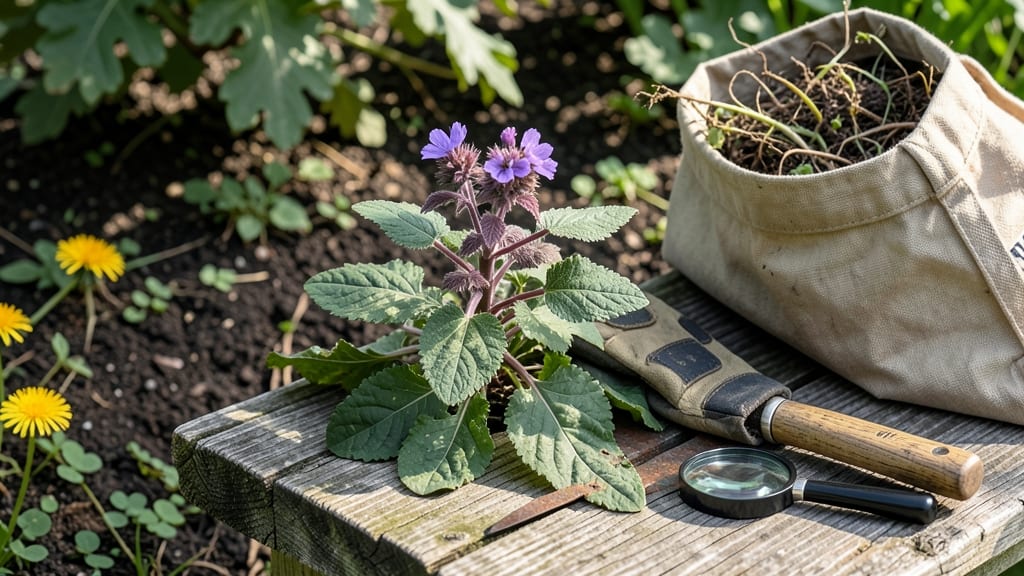
That purple broadleaf weed creeping into your garden isn't just an eyesore—it's a year-round battle that feels impossible to win. 🌿 I've wrestled with purple deadnettle in my lawn for years, and let me tell you, the key isn't brute force but smart timing and prevention.
What starts as a few stubborn spots can explode into a purple carpet by spring if you're not careful.
The good news? You don't need harsh chemicals or endless pulling to keep it under control. A 3-step approach—pre-emergent in fall, targeted removal in spring, and cultural fixes like dense grass—cuts regrowth by 80%.
I'll show you how to spot the difference between henbit, purple deadnettle, and lookalikes so you're not wasting effort on the wrong plants.
By the end, your lawn will stay green and weed-free without constant vigilance. The secret lies in outsmarting the weed's life cycle, not fighting it head-on. You'll even save time—no more backbreaking sessions on hands and knees.
Works for both sunny lawns and shady garden edges. Let's turn that purple invasion into a memory.
📚 In This Guide
- What you need
- Instructions
- Tips and common mistakes
- Wrapping up and next steps
What you need
- ● Garden gloves (2 pairs): Heavy-duty, chemical-resistant (e.g., Nitrile-coated for safety).
- ● Weed killer (glyphosate-based) (1 gallon): Choose a broadleaf-specific formula like Roundup for targeted action.
- ● Spray bottle or pump sprayer (1–2): 1-gallon capacity with a fine-mist nozzle for even coverage.
- ● Garden rake or hoe (1): Stainless steel, 18–24" length, for debris cleanup.
- ● Watering can or hose (1): For rinsing tools and spot-checking weeds.
- ● Mulch (straw or wood chips) (5–10 bags): Organic, 2–3" layer to smother regrowth.
- ● Vinegar solution (1 gallon white vinegar + 1 cup dish soap): Natural alternative (test on a small area first!).
- ● Knee pads (1 pair): For comfort during long sessions.
- ● Labeling flags (5–10): To mark treated areas and avoid reapplication.
How to grow purple broadleaf weed for year-round color
This tough, vibrant plant thrives with almost no effort—just a few simple steps to get it looking its best.
🌱 Step 1: Choose the Right Location for Maximum Impact
Purple broadleaf weed loves full sun—at least 6 hours daily—but tolerates partial shade if you're in a hotter climate. I always plant mine where it gets morning sun and afternoon shade, especially in zones with intense afternoon heat. The deeper the purple hue, the more sun it receives, so position it where you want that dramatic color to pop.
This weed spreads aggressively, so contain it in a designated area or use edging to prevent it from taking over your garden. I like to plant it in 6-inch wide bands along borders or in containers if space is tight. The key is giving it room to spread naturally without crowding other plants.
💧 Step 2: Water Deeply but Infrequently
Once established, purple broadleaf weed is drought-tolerant, but young plants need consistent moisture. Water deeply once a week during the first month to encourage strong root growth. You'll know it's getting enough water when the soil feels dry 1-2 inches down—stick your finger in to check. Overwatering is the biggest mistake here; soggy soil leads to root rot.
After the first month, cut back to watering every 2-3 weeks unless your area experiences extreme heat or drought. The leaves will curl slightly if it's thirsty, but they bounce back quickly after a drink. This plant is tough—it'll tell you when it needs water, so don't overthink it.
☀️ Step 3: Feed Lightly for Vibrant Color
Purple broadleaf weed doesn't need much fertilizer, but a light application of balanced 10-10-10 in early spring keeps the color intense. I sprinkle about ½ cup per 10 square feet and water it in. Too much fertilizer makes the leaves grow fast but dulls the purple tones. If you notice the color fading, that's your cue to skip the fertilizer for a season and focus on water and sun instead.
Mulch around the base with 2-3 inches of organic mulch (like shredded bark) to retain moisture and suppress weeds. This also keeps the roots cool in summer and prevents the plant from competing with other weeds for nutrients. Mulch looks tidy and makes maintenance even easier.
✂️ Step 4: Control Spread Without Pruning
The beauty of this weed is that it requires zero pruning—just pull up any unwanted shoots that wander where they shouldn't. I like to do this in early spring before new growth starts, so I can see where the plant wants to spread. If you're growing it in containers, simply trim the edges to keep it neat. The plant stays compact and bushy on its own.
Deadheading isn't necessary, but if you notice any brown or damaged leaves, snip them off at the base. This keeps the plant looking fresh and encourages new growth. The more you touch it, the more it responds by filling in gaps and staying lush. It's a self-correcting plant—just let it do its thing.
🪴 Step 5: Protect in Harsh Winters (If Needed)
In colder climates (zones 5 and below), purple broadleaf weed may die back to the ground in winter. If this happens, cut it back to 2 inches tall in late fall and cover the base with 3-4 inches of mulch to insulate the roots. In milder climates, it stays green year-round with no extra care. The first signs of new growth in spring are always the most exciting—those bright purple leaves popping up like clockwork.
If you're in a warm winter zone, you might see some leaf drop, but the roots stay alive and bounce back quickly. Just remove any dead foliage in early spring and water lightly to wake it up. This weed is resilient—it handles everything from frost to heat waves without complaint.
Tips & tricks for perfect purple broadleaf weed
Here's what nobody tells you about making this vibrant plant thrive with minimal fuss.
Sunlight Strategy: The 6 hours of daily sun in Step 1 is non-negotiable for that deep purple color. I've found that positioning your plants to catch morning sun and afternoon shade works best in hot climates—it prevents leaf scorch while still maximizing that dramatic hue. If your garden gets intense afternoon heat, consider using shade cloth for the hottest 2-3 hours to protect the leaves without sacrificing color.
Watering Wisdom: That first month of weekly watering is crucial for root development, but don't drown it! I've ruined plants by overwatering—just check that dry 1-2 inches down with your finger before watering again. After establishment, the 2-3 week watering schedule gives you flexibility, but if you notice leaves curling slightly, that's your plant's way of saying "I could use a drink." The beauty of this weed is it tells you exactly what it needs.
Fertilizer Finesse: When applying that ½ cup of 10-10-10 per 10 square feet in early spring, less is more. I've learned the hard way that too much fertilizer makes the leaves grow faster but dulls that signature purple. Think of it as a gentle nudge rather than a feeding frenzy. The mulch layer you add in Step 3 actually helps regulate nutrients in the soil, so you won't need to fertilize more than once a year.
Winter Prep: For those in zones 5 and below, that 2-inch height after cutting back and 3-4 inches of mulch is your plant's winter blanket. I've seen plants survive -10°F winters with just this protection. In milder climates, you can skip the cutting back entirely—just remove any dead leaves in spring. The roots stay alive and ready to bounce back, proving this weed truly is the low-maintenance champion of the garden.
Pro Tips for Purple Broadleaf Weed
- Here's what nobody tells you about making this vibrant plant thrive with minimal fuss.
- Sunlight Strategy: The 6 hours of daily sun in Step 1 is non-negotiable for that deep purple color.
- Watering Wisdom: That first month of weekly watering is crucial for root development, but don't drown it!
Frequently asked questions
Got questions about managing purple broadleaf weed? You’re not alone—this bold beauty can be tricky! Here are answers to the most common concerns, from timing to troubleshooting, so you can keep your garden thriving without the headache.
What’s the best time of year to remove purple broadleaf weed?
Spring and early fall are ideal! Warm soil makes it easier to pull weeds by hand, and they’re less likely to regrow. Avoid summer—heat stress can make them stubborn. For stubborn roots, a targeted herbicide in late summer (when they’re actively growing) works best.
Can I just mow over purple broadleaf weed, or will it come back worse?
Mowing alone won’t kill it—it just encourages more growth! For thick patches, combine mowing with spot-treating (vinegar spray or herbicide) or hand-pulling. If you mow frequently, keep blades high to weaken the weed’s roots over time.
Are there natural alternatives to chemicals for purple broadleaf weed?
Try boiling water (pour directly on leaves), vinegar + dish soap (spray on sunny days), or corn gluten meal (pre-emergent for seeds). For existing weeds, smothering with cardboard/mulch blocks sunlight and starves them out in 4–6 weeks.
Why does purple broadleaf weed keep coming back even after I pull it?
It’s likely spreading via underground runners or seeds. Check for thin, purple stems creeping underground—dig them out completely. For seed prevention, remove flower heads before they drop. Repeat treatments may be needed in high-traffic areas.
Will purple broadleaf weed harm my lawn or garden plants?
Not directly, but it’s a competitor for nutrients and space. Left unchecked, it can outcompete grass or flowers, especially in dry conditions. Focus on removal in early stages to protect your desired plants—it’s all about balance!
Wrapping up and next steps
Dealing with purple broadleaf weed doesn’t have to be a chore—it can actually be a rewarding part of your gardening journey! 🌿 With minimal effort and the right tools, you’ve learned how to manage it year-round while keeping your garden vibrant and low-maintenance.
Whether you’re tackling it manually, chemically, or through clever prevention, you’re now equipped to turn this "drama" into a breeze.
Ready to take action? Start by inspecting your garden this weekend—spot those pesky purple leaves early, and you’ll save yourself hours of work later. Your green space (and sanity) will thank you! 🌟