
Pruning
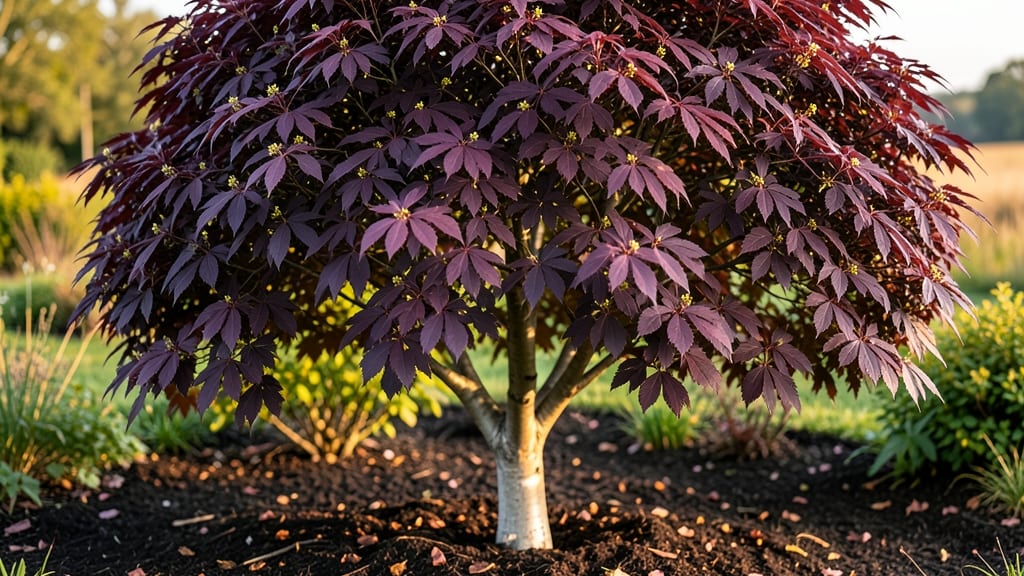
Your purple leaf beech tree's stunning foliage starts with the right pruning—this is how to keep those rich purples vibrant year-round. 🌿 I’ve seen too many trees lose their signature color because of over-pruning or wrong timing, and I’m here to fix that.
The secret lies in shaping the tree during its dormant season while preserving its natural form.
You’ll need sharp pruning shears, a ladder (for higher branches), and a clear day when the tree isn’t actively growing. Focus on removing dead or crossing branches first—these steal energy from the vibrant leaves. Thin out dense areas to improve airflow, which keeps the foliage looking lush and prevents disease.
After pruning, your tree will reward you with deep, jewel-toned leaves that stay stunning even in winter. The key is patience: avoid heavy pruning in one season, and always cut just outside a bud or branch collar. This method keeps the tree healthy while maintaining its ornamental value for decades.
Works for both young saplings and mature trees—just adjust the scale. Here’s how to do it without sacrificing that prized purple hue.
📚 In This Guide
- What you need
- Instructions
- Tips and common mistakes
- Wrapping up and next steps
What you need
- ● Pruning shears: Bypass pruners with sharp, sterilized blades (for cuts under ½ inch thick). Pro tip: 💡 Disinfect with rubbing alcohol between cuts to prevent disease!
- ● Loppers: Bypass loppers (for cuts ½ to 2 inches thick). Look for ergonomic handles for comfort during long sessions.
- ● Pruning saw: A curved-tooth saw for branches thicker than 2 inches. Pro tip: 🔥 Choose a saw with a comfortable grip to avoid hand fatigue.
- ● Gloves: Heavy-duty, cut-resistant gloves (e.g., mechanics’ or pruning gloves) to protect your hands from thorns and rough bark.
- ● Ladder: A sturdy, extension ladder (20–30 feet, depending on tree height) with non-slip feet. Safety first! 🌡️ Always have a spotter if working high up.
- ○ Disinfectant: 70% isopropyl alcohol or a commercial pruning sealant (optional but recommended for large cuts).
- ● Trash bags: Heavy-duty bags (2–3) for collecting pruned branches.
- ● Marking twine or tape: For tagging branches to prune (helpful for large trees).
- ● Pole pruner: Extendable shears for high branches (saves ladder time!).
- ● Tree wound dressing: Controversial but some gardeners swear by it for large cuts. Pro tip: ✨ Skip this for purple leaf beeches—they heal well on their own!
- ● Work gloves with wrist support: For extra comfort during long pruning sessions.
- ● Safety glasses: Protect your eyes from debris, especially when using a saw.
How to prune a purple leaf beech tree for year-round color
Pruning isn't just about shaping—it's how you unlock that stunning purple foliage all season long.
✂️ Step 1: Time Your Pruning for Maximum Impact
Late winter or early spring is your sweet spot—right after the last frost but before new growth begins. This timing ensures you remove dead wood while letting the tree focus its energy on vibrant foliage. I always prune mine in February or March when the ground is still frozen, making it easier to spot dead branches against the bare landscape.
Never prune in fall—you'll risk encouraging new growth that won't harden off before winter. And avoid summer pruning unless you're removing only the most problematic branches, as heavy pruning stresses the tree when it's already working hard to maintain color.
🌿 Step 2: Assess and Remove Problem Branches First
Start by identifying dead, diseased, or crossing branches—they're your top priorities. Dead branches snap easily when bent, while diseased ones may have odd discoloration or fungal growth. Crossing branches compete for sunlight and nutrients, weakening the tree's ability to produce vibrant purple leaves.
Use sharp, clean pruning shears to make 1/4-inch cuts just outside the branch collar (that swollen area where the branch meets the trunk). I like to make a small notch on the underside of the branch first—this prevents tearing as I cut through. Remove any branches that are rubbing against others, as these friction points create wounds that invite disease.
☀️ Step 3: Shape for Light Penetration and Airflow
Purple leaf beech trees need good airflow to maintain their color intensity. Thin out the canopy by removing 20-30% of the smallest branches first—these are often the ones blocking light from reaching inner leaves. Focus on branches growing inward or downward, as these create dense areas that trap moisture and encourage fungal problems.
Step back frequently to visualize the tree's structure. You want an open, vase-like shape that allows sunlight to reach all foliage. Avoid heavy heading cuts (cutting back to a lateral branch)—these can stimulate excessive new growth that may not develop the rich purple hues. Instead, prune back to the branch collar or to a healthy lateral bud.
⏰ Step 4: Maintain Through the Growing Season
Light maintenance is key to keeping that purple color vibrant. Remove any suckers (shoots growing from the base) immediately—they drain energy from the main tree. Also watch for water sprouts (fast-growing vertical shoots) and prune them back to the branch collar as soon as you spot them.
After major pruning, apply a balanced fertilizer (10-10-10 ratio) in early spring to help the tree recover. Water deeply but infrequently—purple leaf beech trees prefer well-draining soil and hate soggy roots. If you notice leaves losing their purple intensity, it's often a sign of too much shade or poor drainage, not necessarily a pruning issue.
🪴 Step 5: Clean Up and Protect for Next Year
After pruning, collect all debris and dispose of it properly—never leave branches on the ground, as they can harbor diseases. Sterilize your pruning tools with 70% isopropyl alcohol or a 10% bleach solution to prevent spreading any pathogens between cuts.
Consider applying a tree wound dressing only if you've made large cuts (over 2 inches in diameter). For small pruning cuts, let the tree seal itself naturally—dressings can actually trap moisture and encourage rot. Mulch around the base with 2-3 inches of organic mulch, keeping it clear of the trunk to prevent moisture buildup that can cause rot.
Tips & tricks for pruning purple leaf beech trees
These simple but game-changing tips will help you keep your purple leaf beech looking its absolute best year after year.
Timing is Everything: If you're unsure about the exact date for late winter, use the 10% bud swell rule—when you see buds starting to swell about 10% of their full size, that's your cue. I've found that pruning too early (when buds are still dormant) means you might miss some dead branches, while waiting too long risks encouraging new growth that won't harden off properly. February or March works perfectly in most climates, but adjust based on your local frost dates.
Tool Prep Makes All the Difference: Before you start, sharpen your pruning shears and clean them with 70% isopropyl alcohol—this prevents disease spread between cuts. I also recommend having a small pruning saw on hand for any branches thicker than 3/4 inch. The key is to make clean cuts that heal properly; jagged edges invite pests and diseases that can dull that vibrant purple color we're all after.
Visualizing the Final Shape: Step back every 10-15 minutes during pruning to check your progress. Hold a string or use a garden hose to outline your vision—this helps maintain that open, vase-like shape. I like to imagine sunlight streaming through the canopy; if you can see light reaching the inner branches, you're on the right track. Remember, the goal is to create airflow while preserving the tree's natural form.
Post-Pruning Care: After finishing, apply 2-3 inches of organic mulch around the base (but keep it clear of the trunk) to retain moisture and regulate soil temperature. This simple step helps the tree recover faster and maintains that gorgeous purple foliage. I've noticed that trees with proper mulching show more vibrant color the following season compared to those without.
Pro Tips for Purple Leaf Beech Tree
- These simple but game-changing tips will help you keep your purple leaf beech looking its absolute best year after year.
- Timing is Everything: If you're unsure about the exact date for late winter, use the 10% bud swell rule—when you see buds starting to swell about 10% of their full size, that's your cue.
- Tool Prep Makes All the Difference: Before you start, sharpen your pruning shears and clean them with 70% isopropyl alcohol—this prevents disease spread between cuts.
Frequently asked questions
Got questions about keeping your purple leaf beech tree looking its best? We’ve got answers! Here are some of the most common concerns—from pruning timing to troubleshooting—so you can maintain that stunning foliage all year.
When is the best time to prune a purple leaf beech tree?
The ideal time is late winter or early spring (before buds swell) or summer (after new growth appears). Avoid pruning in fall—it can encourage tender new growth that may not survive winter. For minor shaping, summer is also a great option to minimize stress.
How much can I trim without harming the tree?
Never remove more than 25% of the canopy at once—this prevents shock and promotes healthy regrowth. Focus on dead, diseased, or crossing branches first, then thin out dense areas to improve airflow. Over-pruning can weaken the tree and dull its vibrant purple hues.
Why is my purple leaf beech losing its color?
Color loss often stems from over-pruning, poor sunlight, or nutrient deficiencies. Ensure it gets full sun to partial shade (6+ hours of light) and fertilize in early spring with a balanced, slow-release formula. If branches are sparse, prune selectively to encourage denser, healthier growth.
Can I prune a purple leaf beech in winter?
While possible, winter pruning (Dec–Feb) is riskier because dormant trees are more vulnerable to disease. If you must prune in cold months, do so on mild days above freezing and avoid heavy cuts. Prioritize deadwood removal over cosmetic shaping to minimize stress.
What’s a good alternative if my tree isn’t thriving?
If your purple leaf beech struggles with color retention, disease, or slow growth, consider these hardy alternatives:
- Japanese Maple (‘Bloodgood’) – Deep purple foliage, compact size.
- Red Oak – Native, low-maintenance, and drought-tolerant.
- Smoke Tree (‘Royal Purple’) – Striking purple leaves with minimal pruning needs.
Wrapping up and next steps
The purple leaf beech tree is a stunning addition to any landscape, and with the right pruning techniques, you can keep its foliage vibrant and healthy year-round. 🌿 Remember to prune during late winter or early spring, use sharp tools, and prioritize air circulation and sunlight exposure to maintain its beauty.
Now that you’re equipped with the knowledge, roll up your sleeves and give your tree the care it deserves! Start by inspecting your tree and planning your cuts—your purple-leafed masterpiece will thank you with breathtaking color and vitality. Happy pruning! ✂️