
Flowers
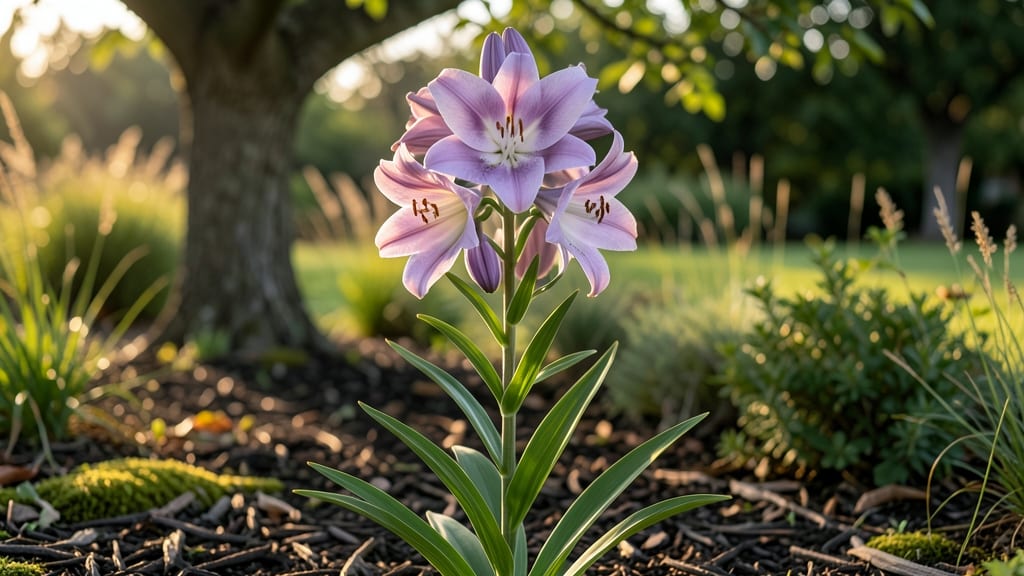
Growing purple leaf lilies transforms your garden into a living art piece with their striking, burgundy foliage that stays dramatic all season. 🌿 I learned the hard way that these aren't your average houseplants—they thrive with just the right balance of sun, soil, and patience (and yes, they do bloom, but the leaves steal the show).
The secret lies in mimicking their natural habitat: bright, indirect light and well-draining soil that never stays soggy. You'll need a pot with drainage holes or a sunny garden spot with afternoon shade, plus a soil mix that drains like a sandy loam.
Water when the top inch feels dry, but never let them sit in wet soil—root rot is their biggest nemesis. Prune leggy stems in spring to encourage bushier growth, and you'll get that lush, velvety foliage you've been dreaming of within weeks.
By summer, your purple leaf lily will be the showstopper of your garden, with deep purple leaves that glow in the sunlight. The occasional white flower spikes are a bonus, but it's the foliage that makes this plant worth growing.
Just be patient—it takes about 2-3 years for mature plants to reach their full, bold potential. These plants handle indoor spaces beautifully too, making them perfect for sunrooms or bright living areas. Just keep them away from drafts, and they'll reward you with vibrant color year-round.
Here's how to keep yours thriving through every season!
📚 In This Guide
- What you need
- Instructions
- Tips and common mistakes
- Wrapping up and next steps
What you need
- ● Purple Leaf Lily Bulbs: 3–5 high-quality bulbs (size 12+ cm in diameter for best impact). Pro tip: Look for firm, dry bulbs with no soft spots!
- ● Well-draining Potting Mix or Garden Soil: Potting Mix: 1–2 bags (18L each) of a lightweight, organic blend (e.g., 60% peat/coir, 30% perlite, 10% compost).
- ● Garden Soil: Amend with 1 part compost and 1 part perlite/sand per 2 parts native soil to prevent rot.
- ● Fertilizer: Balanced Granular Fertilizer (10-10-10 or 20-20-20): 1 cup per 5 sq ft of planting area.
- ○ Slow-Release Bulb Food (Optional but Recommended): Follow package instructions for dosage.
- ● Garden Trowel or Bulb Planter: For digging holes (6–8" deep).
- ● Measuring Tape or Ruler: To ensure proper spacing (12–18" apart).
- ● Gloves: Heavy-duty gardening gloves to protect your hands.
- ● Watering Can or Hose with Gentle Nozzle: Lilies hate soggy soil—avoid overhead watering!
- ○ Mulch (Optional but Helpful): 2–3 inches of pine bark or shredded leaves to retain moisture and suppress weeds.
- ● Sunlight: Full sun (6+ hours/day) for vibrant foliage. Partial shade (4–6 hours) works in hot climates.
- ● Hardiness Zone: USDA Zones 3–9. Pro tip: In colder zones, plant bulbs in fall for spring blooms!
- ● Watering: Keep soil consistently moist (not waterlogged) during active growth. Reduce watering after blooming.
- ○ Spacer (Optional): Stakes or rings to support tall stems (3–4 ft) if needed.
Step-by-Step instructions for growing purple leaf lilies
Here's how to cultivate these striking plants for vibrant foliage that lasts all season.
🌱 Step 1: Choose the Right Location and Prepare the Soil
Purple leaf lilies thrive in partial shade to full sun—morning sun with afternoon shade works best in hot climates. I always pick a spot with well-draining soil because soggy roots cause rot. Amend heavy soil with 2-3 inches of compost to improve drainage and fertility.
Dig a hole twice as wide as the root ball but only as deep as the container it came in. Loosen the soil at the bottom of the hole with a fork to encourage root spread. If your soil is sandy, mix in a handful of organic matter to help retain moisture.
🪴 Step 2: Plant at the Correct Depth and Spacing
Place the purple leaf lily in the hole so the top of the root ball sits level with the surrounding soil—burying too deep smothers the plant, while planting too high causes instability. For 4 plants, space them 3-4 feet apart in all directions to allow airflow and prevent fungal issues.
Fill the hole with soil, pressing gently to remove air pockets but not compacting too firmly. Water deeply right after planting to settle the roots and eliminate air gaps. You'll know it's done right when water drains through the hole within 10-15 minutes.
☀️ Step 3: Water Consistently and Mulch for Retention
Keep the soil evenly moist but never soggy during the first 4-6 weeks after planting. Water when the top 2 inches of soil feel dry to the touch. Purple leaf lilies are drought-tolerant once established, but young plants need steady moisture to develop strong roots.
Spread a 2-inch layer of mulch around each plant, keeping it 2 inches away from the stem to prevent rot. I use shredded bark or pine needles because they break down slowly and improve soil structure over time. This mulch layer also helps regulate soil temperature and reduces water evaporation.
✂️ Step 4: Prune and Maintain for Year-Round Color
Deadhead spent flowers in late spring to encourage more blooms and prevent seed production, which drains the plant's energy. Cut back stems to just above a leaf node with clean, sharp pruners. This pruning also helps maintain the plant's compact shape and vibrant foliage.
In early spring, trim any damaged or yellowed leaves to make room for new growth. Purple leaf lilies are hardy and don't need much pruning, but removing old foliage keeps the plant looking tidy and promotes healthy new shoots. Fertilize lightly in early spring with a balanced, slow-release fertilizer to support new growth.
Tips & tricks for growing stunning purple leaf lilies
I've learned these little tricks after watching my own purple leaf lilies go from struggling to showstopping over just a few seasons.
Soil Test First: Before amending your soil, do a simple pH test—purple leaf lilies prefer slightly acidic soil between 6.0 and 7.0. If your soil tests higher, mix in a handful of sulfur or peat moss when you add the 2-3 inches of compost in Step 1. I've seen plants double in vibrancy just from this adjustment alone.
Root Ball Inspection: When planting in Step 2, gently tease apart the root ball if you notice any circling roots. This prevents root-bound issues that can stunt growth. The 10-15 minute drainage test after watering is your best indicator—if water pools, your hole needs more loosening at the bottom.
Watering Hack: For the 4-6 week watering window in Step 3, use a moisture meter instead of guessing. Aim for 40-50% moisture—any higher risks root rot, while lower means your plants will stress. I keep mine on my porch where it gets morning sun but afternoon shade, and this moisture level keeps them thriving.
Mulch Timing: Apply that 2-inch mulch layer right after your initial watering in Step 2, not after the first rain. This creates a moisture barrier that keeps roots consistently hydrated. I always pull mulch back 2 inches from the stem to prevent fungal issues—this is where I've seen most people make mistakes.
Pro Tips for Purple Leaf Lily
- I've learned these little tricks after watching my own purple leaf lilies go from struggling to showstopping over just a few seasons.
- Soil Test First: Before amending your soil, do a simple pH test—purple leaf lilies prefer slightly acidic soil between 6.0 and 7.0.
- Root Ball Inspection: When planting in Step 2, gently tease apart the root ball if you notice any circling roots.
Frequently asked questions
Got questions about growing purple leaf lilies? You’re not alone! Here are answers to the most common queries—from care tips to troubleshooting—to help you keep your bold foliage thriving.
How do I keep my purple leaf lily’s leaves from turning brown?
Brown edges or spots usually mean underwatering or overwatering. Ensure the soil stays moist but well-draining—never soggy. Check the top inch of soil; if dry, water deeply. Also, avoid leaf spray (fungus risk) and prune damaged areas with clean scissors.
When is the best time to plant a purple leaf lily?
Spring or early fall is ideal! Plant in spring (after last frost) for immediate growth, or in fall (6–8 weeks before frost) to establish roots before winter. Avoid planting in extreme heat—roots stress easily.
Can I grow purple leaf lilies in containers?
Choose a large pot (12+ inches wide) with drainage holes and a well-draining mix (50% potting soil, 30% perlite, 20% compost). Repot every 2–3 years to refresh nutrients. Place in partial shade for best color retention.
What pests should I watch for, and how do I treat them?
Common pests include aphids and spider mites. For mild infestations, spray leaves with neem oil or insecticidal soap. Wipe leaves with a damp cloth weekly to deter pests. Severe cases may need systemic insecticides—always follow label instructions!
Why isn’t my purple leaf lily staying purple?
Purple foliage fades to green or yellow due to too much sun (bleaching) or nutrient deficiencies (like low nitrogen). Move plants to partial shade (4–6 hours of sunlight daily) and fertilize with a balanced liquid fertilizer (10-10-10) every 4–6 weeks in growing season.
Still stumped? Drop your question in the comments—we’re happy to help your purple leaf lilies shine!
Wrapping up and next steps
Growing purple leaf lilies is a rewarding way to add vibrant, year-round drama to your garden—whether you’re a seasoned gardener or just starting out! 🌿 With the right soil, sunlight, and care, these striking plants will thrive and become the star of your outdoor space.
Now that you’re equipped with the essentials, it’s time to roll up your sleeves and bring their bold beauty to life.
Ready to take the next step? Start by selecting your spot, gathering your supplies, and planting with confidence. Watch as your garden transforms into a stunning showcase of purple foliage—your hard work will pay off in spectacular color! 🌸