
Flowers
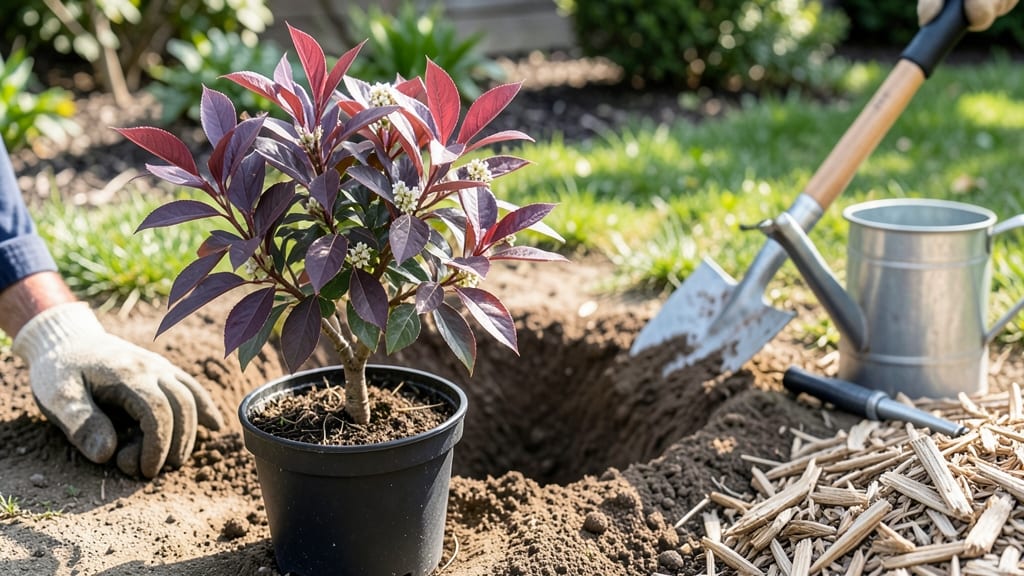
Planting purple leaf sand cherries transforms your yard into a year-round purple masterpiece that thrives even in winter. 🌿 These cold-hardy shrubs demand little care but deliver bold foliage that shifts from deep purple to fiery red, plus delicate spring blooms and tiny edible cherries—if you can resist the birds first.
The secret to success starts with well-draining soil and a sunny spot (at least 6 hours of light daily). Dig a hole twice as wide as the root ball but only as deep—planting too deep smothers the roots.
Amend heavy clay with compost to prevent soggy soil, which these plants despise. Water deeply after planting, then let the soil dry slightly between waterings to avoid root rot.
Within a month, you’ll see fresh green growth emerging from the purple stems, signaling healthy establishment. By next spring, your shrubs will be 3-4 feet tall with vibrant foliage that outshines most ornamental plants. The key is patience—these shrubs grow slowly but live for decades with proper care.
Perfect for hedges, foundation plantings, or mixed borders, purple leaf sand cherries handle USDA zones 3-7 and even urban pollution better than many shrubs. Just avoid pruning in late summer, or you’ll sacrifice next year’s spring blooms. Here’s how to get started right.
📚 In This Guide
- What you need
- Instructions
- Tips and common mistakes
- Wrapping up and next steps
What you need
- ● Purple leaf sand cherry plants: Choose between: 1–3 bare-root saplings (for cost-effective planting)
- ● 1–2 container-grown trees (for instant color, 1–3 gallons in size)
- ● Seeds (if starting from scratch—germination can be slow!)
- ● Well-draining soil: Mix native soil with compost (ratio: 3 parts soil to 1 part compost) or use a sand/loam blend (sandy soil is ideal).
- ● Organic mulch: 2–3 inches of pine straw, wood chips, or shredded bark (to retain moisture and suppress weeds).
- ● Slow-release fertilizer: 5–10-10 or balanced organic fertilizer (e.g., 10-10-10 or compost tea).
- ● Garden trowel or spade (for digging holes)
- ● Measuring tape or ruler (to ensure proper spacing—10–15 feet apart for mature trees)
- ● Garden hose or watering can (for thorough watering)
- ● Pruning shears (to trim dead branches post-planting)
- ○ Gloves (optional but recommended for comfort!)
- ● Sunlight: Full sun (6+ hours/day) for optimal growth and color.
- ● Climate: Hardy in USDA Zones 3–7 (tolerates cold winters and drought once established).
- ● pH Level: Slightly acidic to neutral (6.0–7.0).
- ● Timing: Bare-root plants: Fall or early spring (before buds swell).
- ● Container-grown: Spring or fall (avoid extreme heat).
Step-by-Step instructions for planting purple leaf sand cherries
Here's how to plant these stunning, cold-hardy shrubs for vibrant color that lasts all season.
🪴 Step 1: Choose and Prepare the Planting Site
Purple leaf sand cherries thrive in full sun to partial shade—at least 6 hours of sunlight daily. I always pick a spot with well-draining soil, as these shrubs hate soggy roots. If your soil drains poorly, mix in 2-3 inches of compost and a handful of coarse sand to improve texture.
Dig a hole that's twice as wide as the root ball but only as deep. The top of the root ball should sit 1-2 inches above ground level—this prevents water from pooling around the stem. Loosen the sides of the hole with a shovel to help roots spread easily.
🌱 Step 2: Remove the Shrub from Its Container
Gently squeeze the sides of the container to loosen the root ball. If the roots are circling tightly, use your fingers to tease them outward—this prevents girdling as the plant matures. Purple leaf sand cherries ship with bare-root or container-grown plants, so adjust your approach based on what you receive.
Check the roots for any that are dry or shriveled. If you find any, soak the root ball in lukewarm water for 15-20 minutes before planting. This rehydrates the roots and gives them a better chance to establish quickly. Avoid overwatering now—you'll want the soil to be slightly moist but not soggy.
☀️ Step 3: Plant and Water for Immediate Support
Place the shrub in the hole, centering it so the stem stands straight. Fill the hole with native soil, pressing gently to remove air pockets but not compacting too firmly. Water deeply until the soil 1-2 inches below the surface feels damp. This helps settle the roots into place.
After watering, add a 2-inch layer of mulch around the base, keeping it 3-4 inches away from the stem to prevent rot. I use shredded bark or wood chips because they break down slowly and improve soil structure over time. This mulch layer also helps retain moisture and regulate soil temperature.
✂️ Step 4: Prune for Shape and Encourage Bushiness
Once planted, trim any broken or damaged branches with clean, sharp pruners. I also cut back the longest stems by about one-third to encourage a fuller, more compact shape. Purple leaf sand cherries respond well to pruning, so don't be afraid to shape them early.
Remove any suckers or water sprouts that appear at the base of the plant. These compete with the main stems for nutrients and can weaken the shrub. Prune in late winter or early spring for best results, but light shaping after planting helps the plant establish a strong structure.
💧 Step 5: Maintain Through the First Growing Season
Water newly planted shrubs once a week for the first month, or more often if your area experiences hot, dry spells. You'll know they need water when the top 1-2 inches of soil feel dry to the touch. Overwatering is a common mistake—these plants are drought-tolerant once established.
Fertilize lightly in early spring with a balanced, slow-release fertilizer. I use a 10-10-10 formula at half strength to avoid burning the roots. Purple leaf sand cherries aren't heavy feeders, so too much fertilizer can lead to excessive leaf growth at the expense of their stunning foliage color.
Tips & tricks for perfect purple leaf sand cherry planting
These simple strategies will help you avoid common pitfalls and get your cold-hardy shrubs thriving from day one.
Location Matters: That 6 hours of sunlight is non-negotiable for vibrant purple foliage. If your yard has partial shade, plant near a southern exposure wall where it gets morning sun. I've seen dramatic color differences between plants in full sun versus those in dappled shade—trust me, you'll notice! The soil test is equally important: these shrubs will sulk in soggy conditions, so amend clay soil with the 2-3 inches of compost and coarse sand as directed.
Root Care is Critical: When you're teasing those circling roots in Step 2, think of it like untangling headphones—gentle but thorough. The 15-20 minute lukewarm water soak is your secret weapon for reviving dry roots. I've planted dozens and always do this step, even with fresh plants. Pro tip: Use a bucket of water with a handful of seaweed fertilizer for that extra boost during the soak.
Mulch Like a Pro: That 2-inch layer of mulch isn't just decoration—it's a moisture regulator and temperature stabilizer. Spread it in a donut shape, keeping it 3-4 inches from the stem to prevent rot. I use shredded cedar mulch because it naturally repels pests while breaking down slowly. In hot climates, add an extra inch during summer to protect roots from heat stress.
Pruning Timing: The one-third trim you do after planting sets the foundation for years to come. I always make my cuts just above a leaf node or bud, using clean pruners that I've wiped with rubbing alcohol. For the late winter pruning, wait until after the worst cold snaps but before new growth starts—this gives you about a 3-week window in most zones.
Pro Tips for Purple Leaf Sand Cherry Planting
- These simple strategies will help you avoid common pitfalls and get your cold-hardy shrubs thriving from day one.
- Location Matters: That 6 hours of sunlight is non-negotiable for vibrant purple foliage.
- Root Care is Critical: When you're teasing those circling roots in Step 2, think of it like untangling headphones—gentle but thorough.
Frequently asked questions
Got questions about planting and caring for your purple leaf sand cherry? You’re not alone—this stunning shrub has a few quirks! Here are answers to the most common queries to help you grow a thriving, colorful specimen with minimal stress.
When is the best time to plant purple leaf sand cherry?
The ideal window is early spring or early fall (4–6 weeks before the first frost). Planting in spring lets roots establish before summer heat, while fall gives them time to settle before winter dormancy. Avoid extreme temperatures—both scorching summers and frozen ground can stress young plants.
How cold-hardy is this shrub, and can it survive winter?
Purple leaf sand cherries are zoned 3–7, meaning they can handle winters as cold as -40°F (-40°C)! Just ensure they’re planted in well-draining soil to prevent root rot. A light mulch (2–3 inches) around the base in late fall adds protection without suffocating the plant.
Do purple leaf sand cherries need full sun, or can they tolerate shade?
While they thrive in full sun (6+ hours/day), they can tolerate partial shade (4–6 hours). In shadier spots, expect less vibrant foliage and fewer flowers/fruits. For maximum color drama, prioritize sun exposure—especially in cooler climates where growth is slower.
Why are the leaves turning brown or yellow?
Brown/yellow leaves often signal overwatering, underwatering, or fungal issues. Check soil moisture—it should be damp but not soggy. If spots appear, prune affected branches and avoid wetting foliage during watering. Powdery mildew (white coating) can also strike; improve airflow by thinning dense growth.
Can I grow purple leaf sand cherry in a container?
Yes! Use a large pot (15+ gallons) with drainage holes and a well-draining potting mix. Choose a fast-draining blend (like 60% soil, 30% perlite, 10% compost) to prevent root rot. Move containers to a sheltered spot in winter if temps drop below zone 5.
How often should I prune my purple leaf sand cherry?
Prune once a year in late winter or early spring to shape the shrub and encourage new growth. Remove dead, crossing, or overcrowded branches first, then thin out older wood to improve airflow. Avoid heavy pruning—this shrub blooms on old wood, so limit cuts to no more than 25% of the plant per year.
Wrapping up and next steps
Planting purple leaf sand cherries is a fantastic way to add vibrant color and low-maintenance beauty to your landscape—whether you’re a seasoned gardener or just starting out! 🌸 With their striking foliage, cold-hardy nature, and minimal care requirements, these perennials deliver year-round drama with ease.
Now that you’ve got the know-how, grab those pruners, pick your spot, and get growing!
Ready to elevate your garden? Start by sketching a layout or browsing local nurseries for your first plants. Before you know it, your yard will be the talk of the neighborhood—thanks to these stunning, resilient shrubs! 🌿✨