
Shrubs
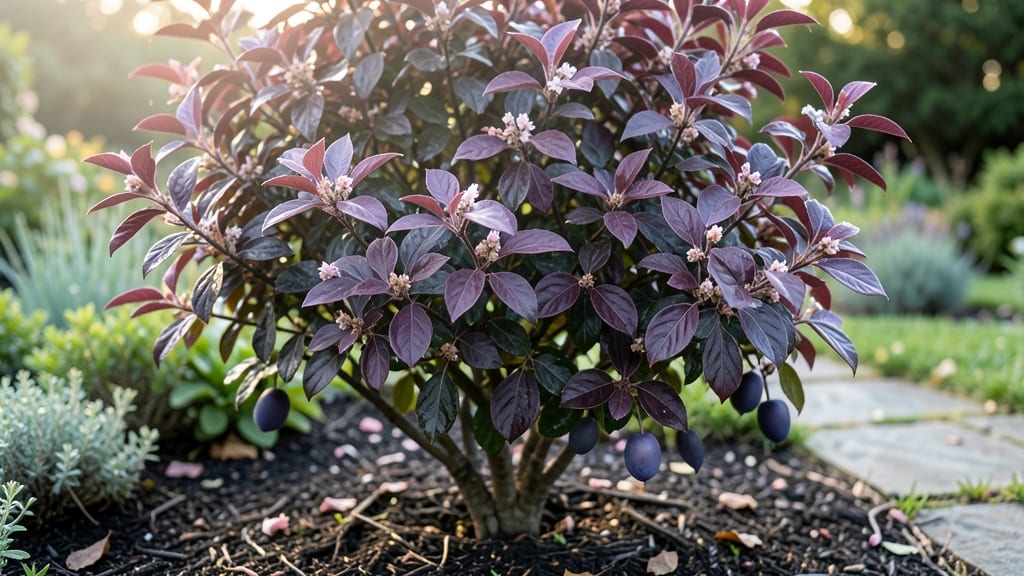
Purple leaf shrubs and bushes turn your garden into a living painting. 🌿 I’ve seen them transform dull corners into year-round focal points—deep purples, velvety burgundies, and even chartreuse hues that shift with the seasons.
The key is choosing varieties that thrive in your light conditions, whether it’s dappled shade or full sun. These shrubs aren’t just pretty—they’re tough. Purple Smoke Bush handles drought once established, while Purple Leaf Plum brings spring blooms before the foliage even emerges.
Weigela adds arching branches with blooms that hummingbirds adore. The secret? Pairing them with silver foliage plants or white blooms to make their colors pop even more. By summer, you’ll have lush, textured hedges that frame pathways or anchor borders.
In winter, their berries or bark add unexpected interest when most gardens go dormant. The best part? They need minimal pruning—just a light trim to shape them in late winter. Perfect for borders, privacy screens, or container gardens. Let’s pick the perfect purple for your space!
The Science Behind Color Shifts
Those stunning purple hues in your leafy favorites aren’t just a lucky coincidence—they’re the result of fascinating plant chemistry and environmental interactions. Let’s break down why some shrubs and bushes turn (or stay) purple, even in shady spots.
Most of the deep purple, red, and blue colors in plants come from anthocyanins, water-soluble pigments that act like sunscreen and antioxidants. These compounds:
- Protect leaves from excess sunlight (even in partial shade, UV rays can trigger their production).
- Regulate temperature by absorbing heat, helping plants survive temperature fluctuations.
- Signal stress or maturity—young leaves or those under drought may produce more anthocyanins as a defense mechanism.
Fun fact: The more acidic the soil (low pH), the bluer the purple appears. Neutral or alkaline soil leans toward reddish-purple tones.
Soil pH dramatically influences anthocyanin production. Here’s how:
| pH Level | Color Impact | Actionable Fix |
|---|---|---|
| Acidic (pH 4.5–6.0) | Enhances vibrant purples and blues (e.g., Weigela florida, Cotinus coggygria). | Add sulfur or pine needles to lower pH further. |
| Neutral (pH 6.1–7.3) | Produces muted purples or pinks (e.g., Cornus sericea may fade). | Amend with elemental sulfur or peat moss to acidify. |
| Alkaline (pH 7.4+) | Shifts toward reddish or brownish tones (e.g., Viburnum dentatum may dull). | Use pine bark fines or cottonseed meal to lower pH gradually. |
Pro tip: Test soil every 2–3 years with a digital pH meter (more accurate than kits). Most purple-leaf shrubs thrive in slightly acidic to neutral soil.
Contrary to popular belief, some purple foliage needs shade to maintain its color—while others require sunlight to trigger anthocyanins. Here’s the breakdown:
- Shade-loving purples:
- Pieris japonica (Andromeda): Fades to green in full sun.
- Abelia x grandiflora: Needs morning sun + afternoon shade to retain deep purple.
- Sun-dependent purples:
- Cotinus coggygria (Smokebush): Turns lighter purple in deep shade.
- Weigela varieties: May revert to green if deprived of 4+ hours of sunlight.
💡 Light hack: If your shrub is losing color, try dappled shade (filtering sunlight through trees) for a balance. Avoid dense, dark shade (e.g., under evergreens), which can starve leaves of energy to produce pigments.
Anthocyanins ramp up when plants experience mild stress, but too much or too little of anything can backfire:
- Underwatering:
- Triggers anthocyanin production as a drought signal (e.g., Viburnum plicatum may darken).
- Risk: Over-stressing roots can kill the plant.
- Overwatering:
- Dilutes nutrients, leading to pale or yellowing leaves (e.g., Cornus stolonifera loses purple).
- Fix: Ensure well-draining soil with organic matter (compost or leaf mold).
- Nutrient deficiencies:
- Phosphorus deficiency can intensify purple hues (common in Hydrangea species).
- Nitrogen excess (from synthetic fertilizers) dilutes color by promoting leafy green growth.
✨ Feeding tip: Use a balanced, slow-release fertilizer (e.g., 10-10-10) in early spring to support anthocyanin production without overpowering the plant.
Cold snaps and heat waves can supercharge or strip away purple pigments:
- Cold nights (below 50°F/10°C):
- Boosts anthocyanin production in deciduous shrubs (e.g., Cornus sericea glows brighter in fall/winter).
- Action: Mulch with wood chips to protect roots from freeze-thaw cycles, which can shock foliage.
- Heat stress (above 85°F/30°C):
- Can bleach out colors in evergreen shrubs like Pieris or Abelia.
- Fix: Provide afternoon shade or mist leaves during extreme heat.
🌡️ Climate note: In tropical climates, purple foliage may fade year-round due to lack of temperature fluctuations. Choose heat-tolerant varieties like Cercis canadensis ‘Alba’ (though it’s pink, its cousin ‘Forest Pansy’ holds purple in heat).
Reviving Your Colorful Shrubs
When your purple-leafed shrubs and bushes start looking lackluster, it’s time to roll up your sleeves and restore their vibrant drama! Whether it’s yellowing leaves, stunted growth, or pests wreaking havoc, these solutions will help you bring back the lush, eye-catching foliage you love.
Let’s tackle the most common issues with practical fixes and prevention tips to keep your shade garden thriving all year.
Cause: Poor drainage, nutrient deficiency, or overwatering can strip the rich purple hues from your shrubs.
Fix It:
- 🔥 Check the Soil: Purple-leaf plants often thrive in well-draining, slightly acidic soil (pH 5.5–6.5). Test your soil and amend it with compost or peat moss if needed.
- 💧 Adjust Watering: Overwatering leads to root rot and nutrient washout. Water deeply but less frequently—aim for 1–2 inches per week, letting the topsoil dry between waterings.
- 🌱 Feed Smart: Apply a balanced, slow-release fertilizer in early spring and mid-summer. For extra vibrancy, use a fertilizer with iron or manganese, which enhances purple foliage.
Prevention Tip: ✨ Mulch Matters: Spread 2–3 inches of organic mulch (like shredded bark) around the base to retain moisture and regulate soil temperature.
Cause: Insufficient light, root-bound pots, or pruning at the wrong time can weaken your shrubs.
Fix It:
- ☀️ Optimize Light: While these shrubs tolerate shade, they need at least 4–6 hours of dappled sunlight daily for optimal growth. If possible, move them to a slightly brighter spot.
- 🌱 Prune Properly: Prune in late winter or early spring (before new growth starts) to shape the shrub and encourage bushiness. Avoid heavy pruning in fall—it can stress the plant.
- 🏺 Repot if Needed: If your shrub is in a container, check for root circling. Repot into a slightly larger container with fresh, well-draining soil if roots are crowded.
Prevention Tip: 🎯 Feed & Prune on a Schedule: Fertilize in spring and prune annually to maintain energy and structure.
Cause: Spider mites, aphids, or fungal issues (like powdery mildew) can defoliate or discolor purple-leaf shrubs.
Fix It:
- 🔍 Inspect Regularly: Check the undersides of leaves for pests. A strong spray of water can dislodge aphids or spider mites.
- 💦 Treat Naturally: Mix 1 tsp dish soap + 1 quart water and spray on affected areas. For fungal issues, apply a copper fungicide or baking soda spray (1 tbsp baking soda + 1 quart water + a drop of soap).
- 🌿 Boost Resistance: Healthy plants fight pests better! Ensure proper watering, airflow (prune for spacing), and fertilization.
Prevention Tip: 💡 Preventative Sprays: In early spring, apply a neem oil spray (1 tsp neem oil + 1 quart water) to deter pests before they take hold.
Cause: Hot, dry conditions, salt buildup (from tap water), or sudden temperature swings can cause leaf burn.
Fix It:
- 💦 Hydrate Deeply: Water at the base of the plant (not the leaves) to avoid fungal issues. Use rainwater or filtered water if your tap water is high in salts or chlorine.
- 🌡️ Protect from Heat: If your area has intense summer heat, provide afternoon shade with a sheer cloth or nearby taller plants.
- 🍃 Trim Damaged Leaves: Snip off brown or crispy leaves to encourage new growth. Avoid over-pruning—remove only what’s necessary.
Prevention Tip: 🌿 Morning Watering: Water in the early morning to reduce evaporation and give roots time to absorb moisture before the heat sets in.
To keep your purple-leaf shrubs looking their best year-round: - ⏰ Prune at the Right Time: Late winter is ideal for shaping, while summer pruning can stimulate new growth (but may reduce fall color). - 🌿 Choose the Right Varieties: Some purple-leaf plants (like Japanese maples, smoke bushes, or purple beech) handle shade better than others.
Pick varieties suited to your climate. - 📅 Monitor Seasonally: Adjust care based on the season—more water in summer, less in winter (unless in a cold climate where protection is needed).
With these fixes, your purple-leaf shrubs will bounce back with bold, healthy foliage that steals the show in your shade garden! 🌿✨
Frequently asked questions
Which purple leaf shrubs thrive in full shade?
For true shade lovers, try Pieris japonica (Andromeda) or Abelia x grandiflora. These varieties maintain their rich purple tones even with just 2-3 hours of filtered light daily. Just avoid dense, dark shade where they may struggle to produce vibrant foliage.
How do I make my purple leaf shrubs bloom more?
Most purple leaf shrubs focus on foliage, but some like Weigela or Purple Leaf Plum produce flowers. To encourage blooms, prune in late winter to remove old wood, and fertilize with a low-phosphorus formula (like 10-6-4) in early spring. Deadheading spent blooms also helps.
Can I grow purple leaf shrubs in containers?
Dwarf varieties like Purple Leaf Plum 'New Horizon' or Weigela 'Wine and Roses' work beautifully in containers. Use a well-draining potting mix with added perlite, and choose pots with drainage holes. Repot every 2-3 years to refresh nutrients.
Why is my purple leaf shrub losing its color?
Color fading often means too much sunlight (bleaching) or poor soil conditions. Most purple leaf varieties need morning sun + afternoon shade. Test your soil pH—most prefer slightly acidic (5.5-6.5). If alkaline, amend with sulfur or pine needles. Overwatering can also dilute nutrients.
What's the best way to prune purple leaf shrubs?
Prune in late winter or early spring before new growth appears. For shaping, remove 1/3 of old stems at the base. Avoid heavy pruning in summer as it may reduce fall color. Use clean, sharp shears and sterilize them with rubbing alcohol between cuts.