
Companion Plants
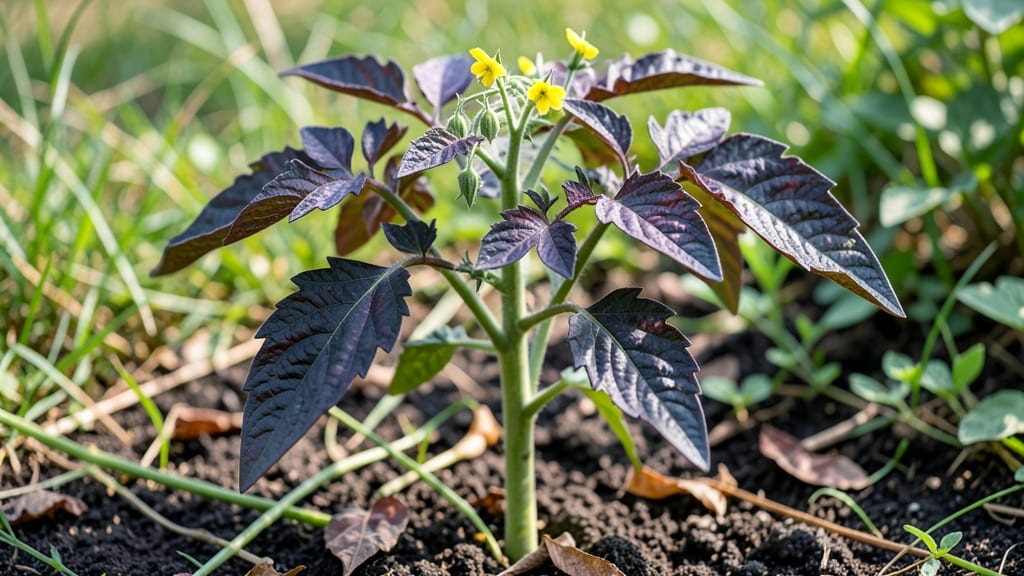
Purple leaf tomato plants turn your garden into a living work of art while delivering tomatoes that burst with flavor. 🌱 The deep purple foliage isn't just striking—it's packed with antioxidants, and the fruit?
Sweet, juicy perfection that keeps coming all season long. I've grown these for three years now, and they've never disappointed, even in my hot, dry summers.
You'll need full sun (at least 6-8 hours daily), well-draining soil rich in organic matter, and consistent moisture—never soggy. Start seeds indoors 6-8 weeks before last frost or buy sturdy transplants. The key to their vibrant leaves is avoiding nitrogen-heavy fertilizers; instead, use a balanced formula or compost tea.
Prune suckers early to focus energy on fruit production, but leave some foliage to protect the fruit from sun scorch.
By midsummer, you'll be harvesting tomatoes that taste like summer in every bite—sweet, tangy, and packed with juice. The purple leaves keep their color all season, making these plants the star of any garden bed or container.
They even attract pollinators with their striking appearance. The only downside? Neighbors might ask where you got them when they see your showstopping plants.
For advanced gardeners, try growing them vertically to save space and improve airflow. They also pair beautifully with basil, marigolds, and onions—companion plants that enhance both flavor and foliage.
Whether you're a beginner or a seasoned grower, these tomatoes deliver on both beauty and taste, making them a must-try for any garden.
📚 In This Guide
- What you need
- Instructions
- Tips and common mistakes
- Wrapping up and next steps
What you need
- ● Purple leaf tomato seeds or seedlings: Choose a variety like 'Purple Leaf Tomato' or 'Indigo Rose' (1-2 plants per container or 1 plant per 2-3 ft of garden space).
- ● Containers or garden bed: For containers: 5-gallon pots or larger (with drainage holes) or fabric grow bags (1 per plant).
- ● For in-ground planting: Well-draining soil in a sunny spot (6-8+ hours of light daily).
- ● High-quality potting mix: Organic, well-aerated mix (e.g., 60% potting soil, 30% compost, 10% perlite or vermiculite).
- ● Fertilizer: Balanced fertilizer (10-10-10 or 5-5-5) for planting.
- ● Tomato-specific fertilizer (high in potassium and phosphorus) for flowering/fruiting (e.g., 5-10-10).
- ● Support system: Cages (6-8 ft tall) or trellises (purple leaf tomatoes can grow 4-6 ft tall).
- ○ Stakes or bamboo poles (optional, for smaller varieties).
- ● Watering can or drip irrigation: Self-watering system recommended to prevent over/under-watering.
- ● Pruning shears or scissors: For trimming foliage and suckers.
- ○ Mulch (optional but helpful): Straw or shredded leaves to retain moisture and suppress weeds.
- ● Companion plants: Basil, marigolds, or borage to deter pests and boost growth.
- ● Epsom salt: A spoonful in the planting hole for magnesium-rich soil (helps with leaf color and fruit production).
- ● Shade cloth: For seedlings if temperatures exceed 90°F (32°C).
- ● pH test kit: Ideal soil pH for tomatoes is 6.0-6.8.
- ● Slow-release fertilizer tablets: For hassle-free nutrition.
Step-by-step guide to growing purple leaf tomato plants
Here's how to grow these stunning, flavor-packed tomatoes that double as living art.
🌱 Step 1: Choose the Right Varieties and Starting Method
Purple leaf tomatoes like 'Purple Calabash' or 'Indigo Rose' offer both beauty and flavor. Start seeds indoors 6-8 weeks before your last frost date using sterile seed-starting mix—never garden soil. I like to use 2-3 inch deep biodegradable pots because they eliminate the need for root disturbance later.
Plant 2-3 seeds per pot at a depth of ¼ inch, just below the soil surface. Gently press the soil around them to ensure good contact. Place the pots in a warm spot (70-80°F) with bright light. You'll see sprouts in 7-14 days, depending on your home's warmth.
💧 Step 2: Provide Ideal Growing Conditions for Strong Starts
Once seedlings emerge, move them to a south-facing window or under grow lights for 14-16 hours of light daily. Purple leaf tomatoes need plenty of light to develop their deep foliage color and prevent leggy growth. Keep the soil evenly moist—not soggy, not bone-dry. You'll know it's right when the top inch feels slightly damp to the touch.
Fertilize lightly with a balanced, water-soluble fertilizer (10-10-10) at half strength when the first true leaves appear. Over-fertilizing now can lead to weak, spindly plants. I like to fertilize again in 2-3 weeks to encourage strong root and stem development.
☀️ Step 3: Harden Off and Transplant for Maximum Success
Two weeks before your last frost date, begin hardening off your seedlings. Start by placing them outside in a shaded, sheltered spot for 1-2 hours the first day. Gradually increase their outdoor time by 1 hour daily until they can tolerate a full day outside. This process helps them adjust to wind, sun, and temperature fluctuations.
Transplant seedlings outdoors after all danger of frost has passed and soil temperatures reach at least 60°F. Choose a location with full sun (6+ hours daily) and well-draining soil. Bury the stems deeper than usual—up to the first set of true leaves—to encourage strong root growth. Space plants 18-24 inches apart to allow for air circulation and prevent disease.
✂️ Step 4: Maintain for Vibrant Foliage and Juicy Harvests
Once planted, keep the soil consistently moist but not waterlogged. Purple leaf tomatoes are drought-sensitive, so water deeply 1-2 times per week, depending on rainfall. Mulch around the base with 2-3 inches of organic mulch to retain moisture and regulate soil temperature. You'll notice healthier foliage and fewer pests with proper mulching.
Prune suckers regularly to direct energy toward fruit production. Remove any leaves that touch the soil to prevent disease. When fruits begin to ripen, harvest them gently but firmly to avoid damaging the plant. Purple leaf tomatoes are known for their juicy, sweet flavor, so enjoy them at peak ripeness for the best taste.
🌿 Step 5: Extend the Season and Prevent Common Issues
To prolong the harvest, protect plants from late-season frosts with row covers or move containers indoors before the first frost. Purple leaf tomatoes can also be grown in containers, making them ideal for patios or small spaces. Use 5-gallon pots with drainage holes and a high-quality potting mix for best results.
Watch for common issues like blossom end rot (caused by calcium deficiency) or early blight (a fungal disease). To prevent these, ensure consistent moisture and avoid overhead watering. If you notice yellowing leaves, adjust watering or fertilizing practices immediately. With proper care, your purple leaf tomatoes will reward you with vibrant foliage and delicious harvests all season long.
Tips & tricks for growing stunning purple leaf tomatoes
Here's what I learned after growing these showstopping plants for years—tricks that'll make all the difference between pretty foliage and an actual harvest.
Light is Everything: Purple leaf tomatoes need that 14-16 hours of light daily to develop their signature deep purple color and prevent leggy growth. If your windows aren't enough, invest in a simple LED grow light—it's the only way to guarantee that vibrant foliage. I use mine on a timer to automate the process, and the difference is night and day.
Seedling Success Starts with Warmth: Those 70-80°F temperatures for germination aren't just suggestions—they're critical. If your home stays cooler, place pots on a heating mat or near a sunny window with a clear plastic cover to trap heat. I've had seeds fail to sprout when the room was just 65°F—don't make my mistake!
Transplanting Hack: When it's time to move seedlings outdoors, bury them deeper than usual—up to the first set of true leaves. This might seem counterintuitive, but it encourages strong root growth from those buried stems. Just make sure your soil is warm (at least 60°F) before transplanting, or the shock will set your plants back.
Watering Wisdom: Purple leaf tomatoes are drought-sensitive, so that 1-2 times per week watering needs to be deep—about 1 inch of water each time. The key is consistency: let the top inch of soil dry between waterings, but never let it get bone-dry. I use a moisture meter to check, and it's changed my watering game completely.
Pro Tips for Purple Leaf Tomato Plants
- Here's what I learned after growing these showstopping plants for years—tricks that'll make all the difference between pretty foliage and an actual harvest.
- Light is Everything: Purple leaf tomatoes need that 14-16 hours of light daily to develop their signature deep purple color and prevent leggy growth.
- Seedling Success Starts with Warmth: Those 70-80°F temperatures for germination aren't just suggestions—they're critical.
Frequently asked questions
Got questions about growing purple leaf tomato plants? You’re not alone! Here are some of the most common queries—plus quick, actionable answers to help you cultivate stunning foliage and a bountiful harvest.
How do purple leaf tomato plants differ from regular tomatoes?
Purple leaf tomatoes aren’t a separate species—they’re just regular tomatoes (like Solar Fire or Indigo Rose) with anthocyanin-rich foliage that turns deep purple in sunlight. The leaves won’t change the flavor of the fruit, but they’re disease-resistant and make for a visually striking garden centerpiece! The fruit itself is often red or yellow, just like standard varieties.
When is the best time to plant purple leaf tomatoes?
Timing depends on your climate:
- Cool regions: Start seeds indoors 6–8 weeks before the last frost, then transplant after soil reaches 55°F+.
- Warm regions: Direct-sow seeds after all frost risk has passed (typically late spring). Purple leaf varieties thrive in heat but avoid planting too early—they’re frost-sensitive!
Do purple leaf tomatoes taste different from regular tomatoes?
Nope! The purple pigment in the leaves doesn’t affect the fruit’s flavor. These tomatoes are bred for colorful foliage, not altered taste. Expect the same sweet, tangy, or meaty profiles as their green-leafed cousins—just with extra garden drama.
What pests or diseases should I watch for with purple leaf tomatoes?
While the purple leaves offer some natural pest resistance, they’re not foolproof. Keep an eye out for:
- Common pests: Aphids, hornworms, and whiteflies (use neem oil or introduce ladybugs).
- Diseases: Early blight (purple leaves can hide symptoms, so check undersides!) and fusarium wilt (rotate crops to prevent it).
Can I grow purple leaf tomatoes in containers?
These tomatoes adapt well to containers if you:
- Use a 5-gallon pot or larger (bigger = better for root growth).
- Choose a balcony-friendly variety like Tiny Tim or Micro Tom.
- Ensure drainage holes and well-draining soil (mix potting soil with perlite).
- Fertilize weekly with a balanced liquid feed (they’re heavy feeders!).
Wrapping up and next steps
Growing purple leaf tomato plants is a rewarding journey that blends beauty and bounty—adding a splash of color to your garden while treating you to delicious, homegrown tomatoes! 🌿 With the right companion plants, soil prep, and care, you’ll enjoy vibrant foliage and juicy harvests year after year.
Whether you’re a seasoned gardener or just starting, these tips make it easy to cultivate a thriving, picturesque patch.
Ready to dive in? Start by sketching your garden layout—place your purple leaf tomatoes near complementary companions like basil or marigolds—and watch your garden (and harvest) flourish! 🌱✨