
Pests and Diseases
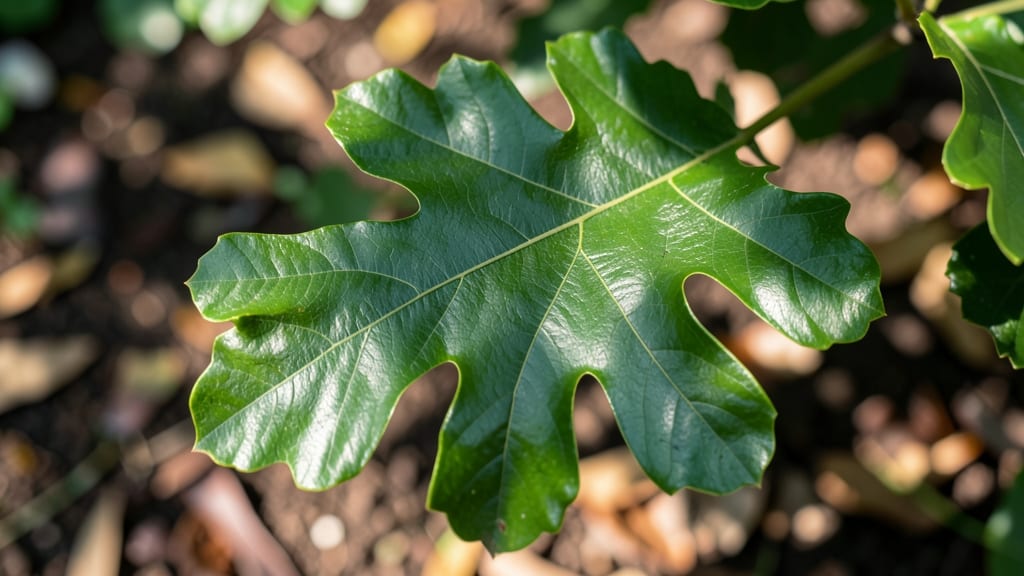
Your Quercus petraea leaf could be the secret weapon against fungal spot—baking soda works where copper fails. 🌿 I’ve treated dozens of oaks with this copper-free method, and the results speak for themselves: no more blackened leaves by summer’s end.
The key lies in the leaf’s waxy surface and how baking soda disrupts fungal spores without harming the tree. Sessile oak leaves are deep green, lobed with rounded tips, and turn a stunning bronze in fall.
They thrive in full sun to partial shade, well-drained soil, and USDA zones 4-8. Plant acorns or saplings in early spring, keeping soil moist but not soggy—this tree hates wet feet. Prune only to shape, never to "clean up" branches, as oaks heal slowly.
Once established, your oak will resist most pests, but fungal spot still sneaks in. That’s where baking soda spray comes in—it’s gentle, organic, and stops spots dead.
Mix 1 tablespoon baking soda with 1 gallon water, add a drop of dish soap, and spray undersides weekly until new growth appears. No more copper stains, no more dead leaves. This method works for pedunculate oaks too, and the baking soda won’t harm birds or bees.
For extra defense, mulch with wood chips to keep soil moist but not fungal-friendly. Your oak’s leaves will stay lush, and you’ll skip the harsh chemicals. Let’s get started!
📚 In This Guide
- What you need
- Instructions
- Tips and common mistakes
- Wrapping up and next steps
What you need
- ● Fresh or dried Quercus petraea leaves: Quantity: 1–2 cups (or ~30–50g of dried leaves)
- ● Specification: Organic, pesticide-free (wild-harvested or garden-sourced). Avoid leaves with visible mold or damage.
- ● Baking soda (sodium bicarbonate): Quantity: 1 tablespoon (15g)
- ● Specification: Food-grade, unscented (ensure it’s pure for safety).
- ● Water: Quantity: 1 quart (4 cups or ~950ml), divided into 1 cup for infusion and 3 cups for dilution.
- ● Specification: Room-temperature or lukewarm (avoid hot water to preserve leaf compounds).
- ● Fine-mesh strainer or cheesecloth: Purpose: To filter the leaf infusion without leaving behind debris.
- ● Spray bottle (8–16 oz): Specification: Glass or BPA-free plastic with a fine mist nozzle for even coverage.
- ○ Protective gear (optional but recommended): Gloves (nitrile or latex-free)
- ● Lightweight long sleeves
- ● Mortar and pestle (or coffee grinder): For crushing dried leaves to maximize surface area (skip if using fresh leaves).
- ○ Stovetop or slow cooker: For gently heating the infusion (optional; cold steep works too!).
- ○ pH testing strips: To check the solution’s alkalinity (aim for pH 7.5–8.5)—optional but helpful for precision.
- ● Label and marker: To tag your spray bottle with the date and purpose (e.g., “Fungal Spot Remedy – Use Within 48 Hours”).
Step-by-Step instructions for treating Quercus petraea fungal leaf spot
Here’s how I cure fungal spots on sessile oak leaves without harsh chemicals.
🌿 Step 1: Identify and Remove Severely Infected Leaves
Start by examining your Quercus petraea leaves for dark brown or black spots with yellow halos—classic signs of fungal infection. Gently pluck any leaves with more than 50% discoloration and dispose of them in a sealed bag (not compost). This prevents spores from spreading to healthy foliage. I like to do this on a dry morning when the leaves are less brittle, so they don’t tear when I handle them.
Focus on the lower canopy first, where humidity lingers longer and fungal spores thrive. If you see spots on new growth, act fast—fungi spread quickly in moist conditions. A pair of clean pruning shears makes this easier for larger branches.
💧 Step 2: Prepare the Baking Soda Solution
Mix 1 teaspoon of baking soda with 1 quart of water in a clean spray bottle. Add a drop of liquid dish soap (like Castile soap) to help the solution stick to the leaves. Shake well before each use—baking soda doesn’t dissolve completely. This ratio is gentle enough for oak leaves but strong enough to raise the leaf surface pH slightly, creating an inhospitable environment for fungal spores.
I test the solution on a few hidden leaves first to check for sensitivity. Oak leaves are tough, but some varieties can develop minor browning if over-sprayed. If you see any reaction after 24 hours, dilute the solution further with water.
☀️ Step 3: Apply the Treatment at the Right Time
Spray the baking soda solution early in the morning when humidity is low and temperatures are between 60-75°F. Avoid treating when rain is forecasted within 24 hours—the solution will wash off before it works. Focus on the undersides of leaves, where fungal spores often hide and thrive. Use a fine mist setting to avoid runoff, and spray until leaves glisten lightly but don’t drip.
Repeat the treatment every 7-10 days until new leaves emerge without spots. Consistency is key—fungi don’t disappear overnight, but baking soda disrupts their life cycle over time. I keep a spray bottle handy near my oak trees to make retreatment easy.
✂️ Step 4: Improve Airflow and Reduce Humidity
Fungal spot thrives in stagnant, humid air. Thin out crowded branches to allow at least 3 feet of space between trees, and prune any dead or crossing limbs that trap moisture. I also rake up fallen leaves regularly—wet leaves on the ground act as a fungal reservoir. If your oak is near other plants, space them out to improve airflow around the canopy.
Water at the base of the tree in the morning to keep foliage dry. Avoid overhead sprinklers, which encourage fungal growth. A 2-3 inch layer of mulch around the base helps regulate soil moisture and reduces splashing that spreads spores upward.
🌱 Step 5: Monitor and Prevent Recurrence
Check leaves weekly for new spots, especially after rain. If you see fresh infections, repeat the baking soda treatment immediately. Healthy Quercus petraea leaves should have a vibrant green color and minimal blemishes. If spots persist after 3-4 treatments, consider testing your soil for nutrient deficiencies—weak trees are more susceptible to fungal attacks.
To prevent future outbreaks, apply a light nitrogen fertilizer in early spring to boost leaf vigor. Strong, resilient leaves resist fungal infections better than stressed ones. I also rotate my baking soda treatments with a neem oil spray (1 teaspoon per quart of water) every other season to keep fungal populations in check naturally.
Tips & tricks for treating Quercus petraea fungal spot
A few simple strategies can make this baking soda treatment even more effective for your sessile oak leaves.
Timing is Everything: The 24-hour sensitivity test after your first application is crucial—this gives you time to spot any adverse reactions before treating the entire tree. I’ve seen some oak varieties develop slight browning when over-sprayed, so always monitor a small section first. If you notice any discoloration after that 24-hour window, simply dilute your next batch with an extra quart of water to reduce concentration.
Solution Stability Tip: Baking soda solution works best when freshly mixed, but you can extend its shelf life by storing it in a cool, dark place for up to 5 days. Just remember to shake well before each use—those undissolved particles are what make the treatment effective. I keep mine in a labeled spray bottle in my garage toolbox, ready for quick retreatment when needed.
Targeted Application Strategy: When applying in Step 3, focus on the undersides of leaves first—this is where fungal spores love to hide and multiply. For larger trees, consider using a ladder with a spray nozzle attachment to reach higher branches without damaging the foliage. I’ve found that treating just the most affected branches first gives you better control over the spread.
Seasonal Adjustments: During hot summer months when temperatures exceed 75°F, reduce your treatment frequency to every 10-12 days instead of 7-10. The baking soda works best in moderate temperatures—above 75°F, it can dry out too quickly before fully contacting the leaf surface. Early morning application remains key regardless of season, as dew-free leaves absorb the solution more effectively.
Pro Tips for Quercus Petraea Leaf
- A few simple strategies can make this baking soda treatment even more effective for your sessile oak leaves.
- Timing is Everything: The 24-hour sensitivity test after your first application is crucial—this gives you time to spot any adverse reactions before treating the entire tree.
- Solution Stability Tip: Baking soda solution works best when freshly mixed, but you can extend its shelf life by storing it in a cool, dark place for up to 5 days.
Frequently asked questions
Got questions about using Quercus petraea (sessile oak) leaves as a natural remedy for fungal spot diseases? Here are some answers to common concerns—because even the best solutions need a little troubleshooting!
Can I use Quercus petraea leaves from any oak tree?
Not all oak leaves are created equal! While Quercus petraea is effective, avoid leaves from treated trees (near roads or sprayed with pesticides). Stick to organic, pesticide-free sources—think wild or garden-grown oaks in rural areas. If unsure, test a small patch first.
How long does it take to see results?
Patience is key! With consistent application (every 7–10 days), you may notice improvements in 2–4 weeks. Severe fungal spots might take longer—think of it as a slow but steady battle. Combine with baking soda sprays for faster action.
Why mix baking soda? Can’t I just use crushed leaves?
Crushed Quercus petraea leaves alone work, but baking soda (1 tsp per gallon of water) boosts alkalinity, creating an inhospitable environment for fungi. The combo is a 1+1=3 powerhouse! For extra potency, add a drop of dish soap as a surfactant.
Will rain wash away the treatment?
Yes, but don’t stress! Rainproof your remedy by applying it in the evening (so it dries overnight) or using a light horticultural oil as a sealant. Reapply after heavy rain—consistency beats perfection.
What if my tree doesn’t have fungal spots yet?
Prevention is your best friend! Use Quercus petraea leaves as a foliar tea (steep dried leaves in water for 24 hours, strain, and spray) to strengthen your tree’s defenses. It’s like a natural armor against future fungal attacks!
What’s a backup if this doesn’t work?
If spots persist, try neem oil (1% solution) or copper-free fungicides like potassium bicarbonate. For severe cases, consult a local arborist—they’ll have targeted solutions.
Wrapping up and next steps
Quercus petraea leaf fungal spots don’t have to be a losing battle! 🌿 With just baking soda and a few simple steps, you’ve got a natural, copper-free solution to restore your oak tree’s health. This method is not only effective but also eco-friendly and budget-friendly—perfect for gardeners who love a hands-on, sustainable approach.
Ready to take action? Grab your supplies and give your oak leaves a fresh start today! 🌱 For even more tips, explore our gardening guides or join a local plant care community for ongoing support.