
Diseases
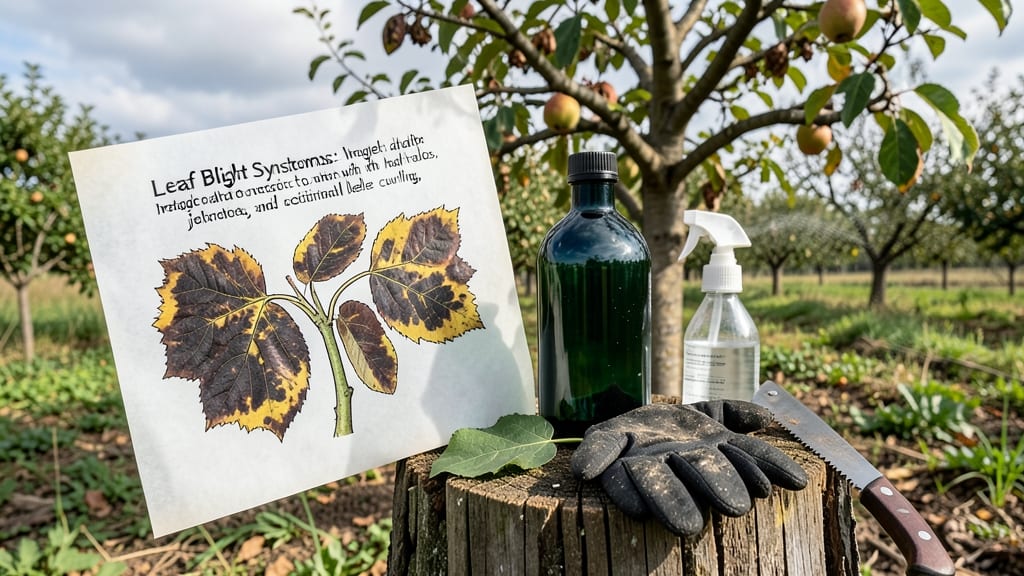
Quince diseases like leaf blight turn your tree's foliage into a sad, spotted mess—unless you act fast. 🌿 I’ve watched this fungal nightmare spread in just days, turning vibrant leaves into brown, crinkled ruins by midsummer.
The key to saving your quince isn’t complicated: spot the symptoms early, prune aggressively, and hit it with the right organic treatments before the spores take over.
The worst offenders—Venturia and Gloeosporium—love damp, shady conditions, which is why your quince might look fine in spring but collapse by July. You’ll see dark spots with yellow halos, then entire leaves curling and dropping. The good news?
With copper sprays, neem oil, and proper pruning, you can stop it in its tracks within 72 hours of treatment—if you catch it soon enough. By the time you’ve removed infected branches and applied your first spray, you’ll see new growth pushing through clean and strong.
The trick is consistency: monitor your tree weekly during rainy seasons, and don’t let fallen leaves pile up near the base. A little vigilance now means a healthy, productive quince next year. Works for all varieties—from ‘Meeches’ to ‘Van Deman’—and keeps your tree thriving without harsh chemicals.
Let’s get your quince back to its best.
The Hidden Triggers Behind Leaf Blight
Leaf blight in quince trees isn’t just a random misfortune—it’s usually a response to specific environmental and biological stressors. Understanding these triggers is the first step toward prevention and organic treatment.
Below, we break down the key causes of leaf blight in quince trees, rooted in science but framed for actionable solutions.
Quince trees thrive in well-ventilated spaces, but excessive humidity (especially above 80%) creates the perfect breeding ground for fungal pathogens like Gloeosporium or Alternaria, the primary culprits behind leaf blight. Here’s why:
- Fungal Spores Love Dampness: Fungal spores germinate rapidly in moist conditions, clinging to leaves and stems.
If your quince tree is planted too closely to others or in a shaded, low-light area, airflow is restricted, trapping humidity near the foliage. - Overnight Dew: While dew itself isn’t harmful, if it lingers until midday (due to poor drainage or dense canopies), it extends the window for spores to infect leaves. - Irrigation Practices: Overhead watering (especially late in the day) can splash spores onto leaves, accelerating infection. Drip irrigation or soaker hoses are far safer.
Actionable Fix: Prune trees to improve airflow, space them 8–10 feet apart, and water at the base in the early morning. If humidity is a persistent issue, consider a fan in greenhouses or shaded areas to circulate air.
Leaf blight is often a secondary infection, meaning the tree’s health is already compromised. Fungal pathogens exploit stress in three main ways:
| Pathogen | How It Attacks | Signs to Watch For |
|---|---|---|
| Gloeosporium | Invades through wounds (e.g., pruning cuts) or natural openings in leaves. | Dark, irregular spots with yellow halos. |
| Alternaria | Thrives in warm, wet conditions; produces toxins that kill leaf tissue. | Concentric rings or grayish-brown lesions. |
| Botryosphaeria | Enters via dead or dying branches, spreading to leaves. | Shot-hole symptoms (leaves develop holes). |
Why It Happens:
- Stressed Trees: Drought, nutrient deficiencies (especially potassium or magnesium), or root damage weaken the tree’s natural defenses, making it easier for fungi to colonize.
- Old or Damaged Leaves: Leaves with physical damage (e.g., from hail, insects, or mechanical injury) are prime entry points for spores.
- Previous Infections: If blight was present last season, fungal spores may overwinter in fallen leaves, bark, or soil, reinfecting the tree when conditions are right.
Actionable Fix:
- Sanitize tools with 70% isopropyl alcohol after pruning to prevent spreading spores.
- Remove and destroy infected leaves/debris (do not compost them).
- Boost tree health with organic fertilizers like kelp meal (for potassium) or Epsom salt (for magnesium).
Extreme conditions—whether scorching heat or waterlogged roots—disrupt the tree’s natural balance, making it susceptible to blight.
- Heat Stress: - High temperatures (>90°F/32°C) can denature proteins in leaf cells, weakening their protective barriers.
Fungi like Alternaria capitalize on this by producing cell-wall-degrading enzymes that break down healthy tissue. - Solution: Provide afternoon shade (especially in hot climates) and mulch with straw or wood chips to retain moisture without suffocating roots.
- Waterlogging: - Soggy soil deprives roots of oxygen, leading to root rot (often caused by Phytophthora fungi).
A rotting root system can’t support the tree’s immune response, leaving leaves vulnerable. - Solution: Ensure well-draining soil (amend with compost or perlite) and avoid planting quince in low-lying areas where water pools.
While insects don’t cause blight directly, they pave the way for fungal infections by:
- Damaging leaves (e.g., aphids, mites, or sawfly larvae), creating entry points for spores.
- Excreting honeydew, a sticky substance that fosters sooty mold—another stressor that weakens the tree.
- Spreading spores physically (e.g., beetles carrying fungal spores on their bodies).
Common Culprits:
- Japanese beetles: Feed on leaf edges, leaving ragged holes.
- Scale insects: Suck sap, causing yellowing and stunted growth.
- Spider mites: Create a fine webbing that traps moisture, ideal for fungal growth.
Actionable Fix:
- Neem oil spray (1 tsp per quart of water) disrupts insect life cycles without harming beneficial predators.
- Introduce natural predators like ladybugs or lacewings to control pest populations organically.
Quince trees are not fussy, but they do need balanced nutrition to fend off diseases. Deficiencies or excesses in key nutrients can trigger blight:
- Nitrogen (N) Excess:
- Too much nitrogen promotes soft, lush growth that’s prone to fungal infections. Think of it like a human eating too much sugar—your immune system weakens!
- Fix: Use a low-nitrogen, high-potassium fertilizer (e.g., 5-10-10 ratio).
- Magnesium (Mg) Deficiency:
- Leads to interveinal chlorosis (yellowing between leaf veins), reducing photosynthesis and weakening the tree.
- Fix: Apply Epsom salt (1 tbsp per gallon of water) as a foliar spray or soil drench.
- Phosphorus (P) Shortage:
- Hinders root development, making the tree more susceptible to water stress and fungal root infections.
- Fix: Add bone meal or rock phosphate to the soil in early spring.
Even the healthiest quince tree can fall victim to blight if cultural practices are off. Common errors include:
- Overcrowding: Trees competing for resources develop weak, thin canopies that dry slowly—ideal for fungal spores. - Improper Pruning: - Cutting too late in the season (after June) encourages new growth that’s vulnerable to infection. - Leaving stubs or jagged cuts creates wounds where fungi can enter. - Planting in Shade: Quince trees need 6–8 hours of sunlight daily.
Shaded trees grow slowly and develop thin, weak leaves.
Actionable Fix:
- Prune in early spring (before buds swell) and make clean cuts at a 45-degree angle.
- Space trees 10–15 feet apart in full sun.
- Thin out dense branches to improve airflow and sunlight penetration.
Fixing Leaf Blight Fast
Leaf blight on your quince tree doesn’t have to mean the end of your harvest. With the right approach, you can reverse damage in 72 hours and prevent future outbreaks.
Below, we’ve mapped out practical, organic solutions tailored to the root causes—fungal pressure, poor airflow, or stress—so you can act quickly and effectively.
Cause: Fungal spores spread rapidly on damp, diseased leaves. Fix:
- 🍳 Snip and toss: Use sterilized pruners (wipe with rubbing alcohol between cuts) to remove all yellowed, spotted, or wilting leaves. Drop them into a sealed plastic bag—do not compost them.
- ⏰ Timing matters: Do this first thing in the morning when humidity is lowest. Work on a clear, sunny day to dry the tree faster.
- 🌡️ Pro tip: If blight is severe, prune 10–15% of the tree’s canopy to improve airflow. Focus on crowded branches where moisture lingers.
Cause: Fungal pathogens like Cercospora or Alternaria thrive in moisture. Fix: Choose one of these fast-acting, organic sprays and apply within 24 hours of noticing symptoms:
| Solution | How to Use | Best For |
|---|---|---|
| Neem Oil (1%) | Mix 1 tbsp neem oil + 1 tsp mild soap + 1 quart water. Spray evenly (top/bottom leaves). | Early-stage blight, prevention |
| Copper Fungicide | Follow label rates (e.g., 1 tbsp copper sulfate per gallon). Spray at dusk to avoid leaf burn. | Severe infections, wet climates |
| Baking Soda Spray | 1 tsp baking soda + 1 quart water + a few drops of oil (to stick). Spray every 7–10 days. | Mild blight, alkaline soil areas |
| Potassium Bicarbonate | 2 tbsp per gallon water. Reapply after rain. | Resistant strains, humid regions |
💡 Pro tip: Add a surfactant (like a drop of dish soap) to help the spray stick to leaves. Test on a small branch first to check for sensitivity.
Cause: Stagnant air and overhead watering create the perfect fungal buffet. Fix: - 🔪 Prune strategically: Thin out branches to open the canopy—aim for 6–12 inches between branches. - 🌿 Mulch correctly: Use 2–3 inches of organic mulch (straw or wood chips) but keep it 6 inches away from the trunk to prevent rot. - 💦 Water wisely: Deep-water at the base (not overhead) early in the day so leaves dry by evening.
Use a soaker hose to avoid wetting foliage. - ✨ Prevention hack: Install a small fan (on low) near the tree for 10 mins/day if your climate is humid or rainy.
Cause: Stressed trees (from drought, poor soil, or pests) are fungal magnets. Fix: - 📊 Feed the soil: Mix compost or worm castings into the top 6 inches of soil.
Add kelp meal (1 cup per tree) for silica, which toughens leaves. - 💪 Boost immunity: Spray seaweed extract (1 tbsp/gallon) every 2 weeks to enhance natural resistance. - 🍎 Avoid over-fertilizing: Too much nitrogen = soft, susceptible leaves. Use a balanced 5-5-5 fertilizer instead.
Cause: Leaf blight often returns if conditions don’t change. Fix:
- 🔍 Inspect weekly: Check undersides of leaves (fungi love hiding there) and remove new spots immediately.
- 🌧️ Weatherproof your tree:
- After rain: Spray neem oil as a preventative.
- Before storms: Apply a light layer of sulfur dust (1 lb per 100 sq ft) to deter spores.
- 🎯 Long-term shield: Plant fungal-repelling companions like garlic, thyme, or marigolds nearby.
⏰ Emergency Timeline for Fast Recovery:
- Day 1: Prune + remove infected leaves.
- Day 2: Apply fungicide spray + improve airflow.
- Day 3: Water at the base + feed soil nutrients.
- Ongoing: Monitor, repeat sprays if rain occurs, and adjust care.
With these steps, your quince tree can bounce back in 72 hours—and stay blight-free for the season! 🌿💪
Frequently asked questions
What do quince leaf blight spots actually look like?
Quince leaf blight typically shows as dark brown or black spots with yellow halos that may develop concentric rings. In advanced cases, the spots merge, causing leaves to curl, wither, and drop prematurely. Check undersides of leaves too—you’ll often see fuzzy fungal growth there.
Can I still harvest quince fruit if the leaves have blight?
Yes, but with caution. The fruit itself rarely gets infected, but severely blighted trees may produce smaller or lower-quality fruit. Harvest promptly once ripe, and avoid eating leaves (they can be toxic when infected). Focus on treating the tree to ensure next year’s harvest stays healthy.
How often should I spray neem oil for prevention?
For prevention, apply neem oil every 2-3 weeks during rainy seasons or when humidity is high. Mix 1 tablespoon per quart of water with a drop of dish soap. Stop spraying 2 weeks before harvest to avoid any residue on fruit.
Will copper fungicide harm beneficial insects in my garden?
Copper can be harmful to beneficial insects if overused. Apply only when absolutely necessary (like during active outbreaks) and at dusk to minimize exposure. For safer options, rotate with neem oil or potassium bicarbonate sprays, which are less toxic to pollinators.
My quince tree had blight last year—how can I prevent recurrence?
Start with complete sanitation: remove all fallen leaves and debris from last season (burn or bag them). Improve airflow by pruning, space trees properly, and water at the base. Apply a preventative copper spray in early spring before new growth appears.