
Planting
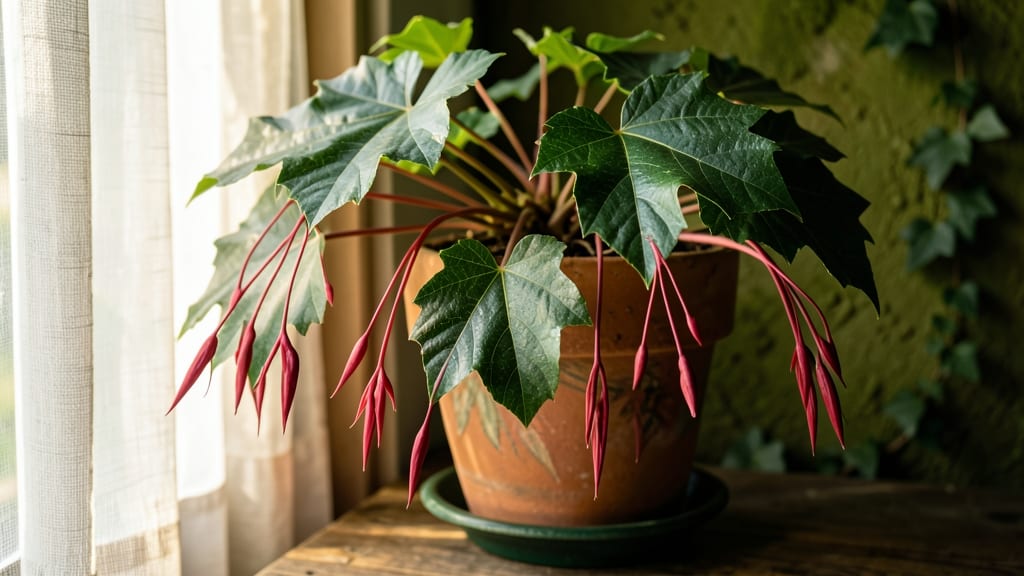
Your red five leaf plant (Dracaena marginata) is about to become the star of your home or garden—if you master its care secrets. 🌿 I’ve grown mine for years, and the key to keeping those striking red-edged leaves vibrant lies in understanding its quirks, from light preferences to pruning precision.
This striking plant thrives in bright, indirect light but can tolerate lower light conditions—though the red edges will fade to green. Water it when the top inch of soil feels dry, and use well-draining soil to prevent root rot.
A little neglect is better than overwatering, as this plant stores moisture well. With the right care, your red five leaf plant will grow taller and bushier, creating a dramatic focal point in any space.
Prune strategically to encourage fuller growth, and watch as it rewards you with year-round elegance and resilience. Perfect for beginners and busy gardeners alike, this plant is low-maintenance yet stunning. Let’s get yours thriving!
📚 In This Guide
- What you need
- Instructions
- Tips and common mistakes
- Wrapping up and next steps
What you need
- ● Red Five Leaf Plant: 1-3 nursery-grown plants (6-12 inches tall, in 4-inch pots). Look for healthy stems with vibrant red foliage!
- ● Well-draining potting mix: 1 bag (1 cubic foot) of cactus/succulent mix or a blend of 60% potting soil + 40% perlite/pumice.
- ○ Container (optional for indoor/garden beds): For pots: 1-2 10-12 inch diameter containers with drainage holes (terracotta or fabric pots work best).
- ● For garden beds: Ensure 6+ hours of sunlight and loose, rocky soil.
- ● Slow-release fertilizer: 1 packet (10-10-10 NPK ratio) or organic options like worm castings.
- ● Pruning shears: Sharp, sterilized shears (for shaping and propagation).
- ● Gloves: 1 pair (gardening gloves to protect hands from thorns).
- ● Watering can or hose: With a gentle spray nozzle (avoid soggy roots!).
- ○ Mulch (optional): 2-3 inches of gravel or pebbles to retain moisture and deter weeds.
- ● Sunlight access: Confirm a spot with full sun (6+ hours/day) or bright indirect light (indoors).
- ● 🌡️ Test your soil: Aim for a pH of 6.0-7.0—amend with lime if needed.
- ● ✨ Propagation ready? Snip healthy stems (4-6 inches) for cuttings if expanding your collection!
- ● 🔥 Winter prep: Move potted plants indoors near a sunny window if temps drop below 20°F (-7°C).
Step-by-step instructions for cultivating a thriving red five leaf plant
Here’s how I keep my red five leaf plants lush and vibrant all year—with pruning tricks that actually work.
🪴 Step 1: Choose the Right Pot and Soil Mix
Start with a 6-8 inch pot with drainage holes—this plant hates soggy roots. I use a well-draining potting mix blended with 20% perlite or orchid bark to prevent compaction. The roots need airflow, so avoid heavy garden soil.
Fill the pot halfway, then place your plant in and top with more mix, pressing gently to remove air pockets. Water lightly until moisture reaches the bottom—you’ll see it drain through the holes. This ensures the roots settle without drowning.
☀️ Step 2: Position for Bright, Indirect Light
The red five leaf plant thrives in bright, indirect light. A spot near an east-facing window is ideal, or use a grow light 12 inches away for 6-8 hours daily. Too much direct sun burns the leaves, while low light makes them stretch and lose color.
Rotate the pot quarter-turn weekly so the plant grows evenly. You’ll notice new leaves emerging toward the light—this is your cue that the light is just right. If leaves pale, move it closer; if they crisp, back it up.
💧 Step 3: Water When Topsoil Dries
Water when the top 1-2 inches of soil feel dry—stick your finger in to check. Overwatering is the #1 killer, so let excess water drain completely. I use room-temperature water to avoid shocking the roots.
Mist the leaves occasionally if your home is dry, but avoid soggy foliage. Yellowing leaves usually mean overwatering; brown edges mean underwatering. Adjust your schedule based on what you see—this plant is forgiving once you find its rhythm.
✂️ Step 4: Prune for Bushier Growth
Pinch back the tips of new growth when stems reach 4-6 inches to encourage branching. Use clean scissors and cut just above a leaf node. This is where new shoots will sprout, giving you that full, lush look.
Remove any leggy or yellowing stems at the base. Prune in spring to refresh growth, but avoid heavy cuts in winter. You’ll see fresh, vibrant leaves filling in within weeks—this is the magic of strategic pruning.
🌿 Step 5: Fertilize Lightly During Growth
Feed with a balanced liquid fertilizer (10-10-10) diluted to half-strength every 4-6 weeks in spring and summer. Skip fertilizer in fall and winter—this plant rests then. Overfeeding causes salt buildup, which burns roots.
Flush the soil with water after fertilizing to wash away excess salts. You’ll know it’s working when new leaves emerge with deeper red tones. If growth slows, it might need a boost—but don’t overdo it.
Tips & tricks for perfect red five leaf plant care
Took me years to figure out these little tricks—your plant will thank you for them.
Soil Mix Secret: When mixing your 20% perlite or orchid bark into the potting soil, sift the perlite first to avoid clumps. I also add a handful of worm castings (optional) to boost nutrients without overfeeding. This creates that perfect airy, well-draining mix that prevents root rot while keeping moisture just right. The difference in growth is noticeable within weeks.
Light Positioning: That 6-8 hour daily light requirement is non-negotiable, but here's the trick: if you notice leaves stretching toward one window, it's not getting enough light on the other sides. I solved this by placing my plant on a rotating plant stand—just a quarter turn every few days keeps growth even without moving it weekly. Your plant will reward you with vibrant leaves all around.
Watering Rhythm: The "top 1-2 inches dry" rule works, but here's what nobody tells you—morning watering is always better. Water in the morning so excess drains away by evening, preventing fungal issues. I also check the weight of the pot: when it feels noticeably lighter, that's your cue to water. This method eliminates guesswork and keeps roots happy.
Pruning Precision: When pinching back growth at 4-6 inches, look for the second set of leaves from the top. That's your leaf node target. I use my fingernail to pinch instead of scissors for smaller stems—it's faster and less traumatic for the plant. For thicker stems, clean scissors are best, but always sterilize them with rubbing alcohol first to prevent disease.
Pro Tips for Red Five Leaf Plant
- Took me years to figure out these little tricks—your plant will thank you for them.
- Soil Mix Secret: When mixing your 20% perlite or orchid bark into the potting soil, sift the perlite first to avoid clumps.
- Light Positioning: That 6-8 hour daily light requirement is non-negotiable, but here's the trick: if you notice leaves stretching toward one window, it's not getting enough light on the other sides.
Frequently asked questions
Got questions about your Red Five Leaf Plant? You’re not alone!
Whether you're troubleshooting, planning, or just curious, here are the most common queries—plus quick, actionable answers to keep your plant thriving.
How often should I prune my Red Five Leaf Plant for optimal growth?
Prune your Red Five Leaf Plant (also called Pilea peperomioides) every 4–6 weeks during its active growing season (spring and summer). Focus on removing yellow or leggy leaves to encourage bushier, healthier growth. Avoid heavy pruning in winter—let it rest! Pro tip: Always use clean, sharp scissors to prevent disease.
Can my Red Five Leaf Plant survive winter indoors? What’s the best care?
These plants are perfect for indoor winter care. Reduce watering to every 2–3 weeks (let the top inch of soil dry out) and avoid cold drafts. Keep it in bright, indirect light—south or west-facing windows are ideal. If leaves yellow, it’s often overwatering. Fun fact: They thrive in humidity, so a pebble tray or humidifier helps!
Why are the leaves turning yellow or brown? Is it overwatering or something else?
Yellow or brown leaves usually mean overwatering (most common!) or underwatering. Check the soil—if it’s soggy, cut back to watering once every 2–3 weeks. Brown edges with crispy texture? Too dry! Ensure the pot has drainage holes and use well-draining soil. Quick fix: Trim affected leaves and adjust watering immediately.
Are there any alternatives to Red Five Leaf Plants with similar care needs?
If you love the Red Five Leaf Plant’s ease but want variety, try these low-maintenance picks:
- Chinese Money Plant (Pilea peperomioides – green version): Nearly identical care!
- Heartleaf Philodendron: Thrives in indirect light, forgiving of occasional neglect.
- Cast Iron Plant (Aspidistra): Nearly indestructible—great for beginners.
How long does it take for a Red Five Leaf Plant to grow new leaves after pruning?
New growth typically appears in 2–4 weeks after pruning, depending on light and temperature. Place your plant in a bright, warm spot (65–75°F) to speed up recovery. Avoid fertilizing right after pruning—wait until you see fresh leaves emerging. Bonus tip: Rotate the pot occasionally for even growth!
Wrapping up and next steps
Growing a red five-leaf plant is a rewarding journey that brings bold color and lush foliage to your space—no matter the season! With the right pruning techniques, you’ll keep your plant thriving, encourage vibrant growth, and even propagate new plants to share with friends. 🌿✨
Ready to take the next step? Start by observing your plant’s growth and scheduling your first pruning session. Whether you’re trimming for shape, size, or propagation, every snip is a chance to nurture something beautiful. Happy growing!