
Companion Plants
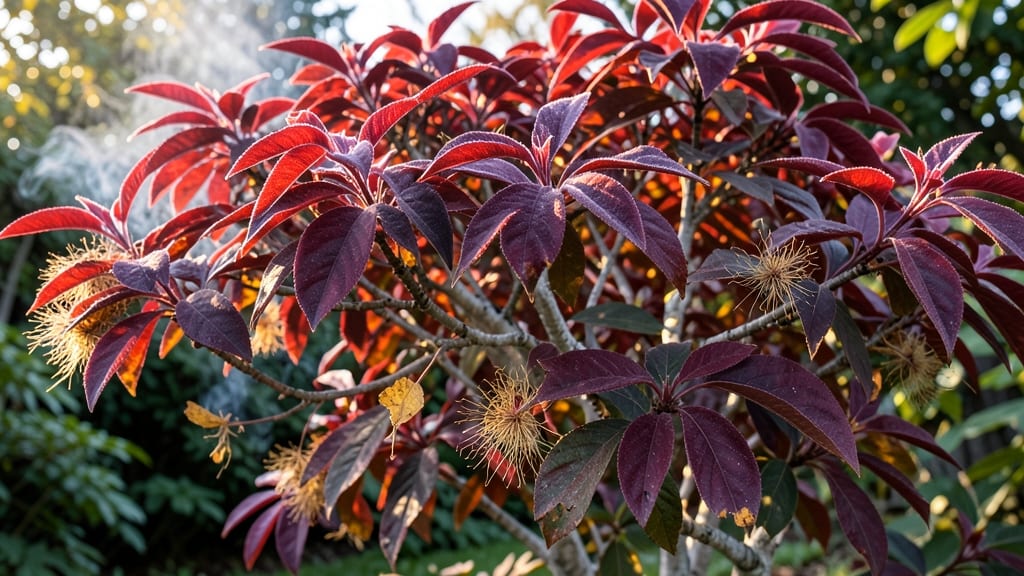
Transform your garden into a vibrant ecosystem with these 10 striking red leafy plants. Their bold foliage not only adds visual drama but also attracts pollinators and deters pests, creating a thriving companion planting environment.
Red Vein Sorrel for Acidic Soil Gardens
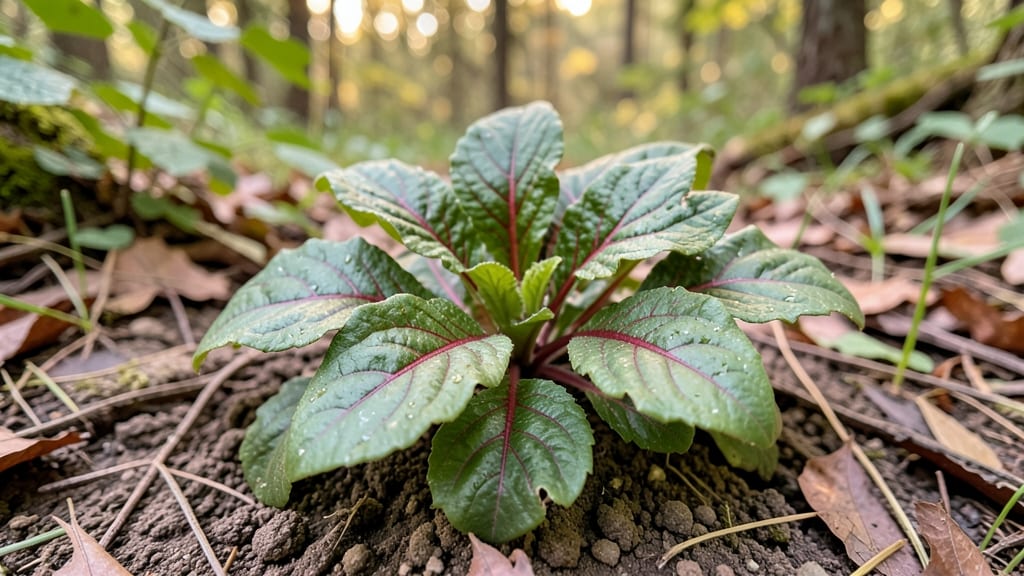
If your soil tests acidic and you're tired of struggling with plants that refuse to thrive, red vein sorrel is your secret weapon. This hardy perennial not only loves acidic soil (pH 5.5-6.5) but also doubles as a natural ant deterrent while offering edible leaves with a bright lemony kick.
Plant it in partial shade to full sun for best results, and harvest the young leaves regularly to encourage bushier growth. It's perfect for cottage gardens or containers, where its striking burgundy veins contrast beautifully with green foliage. Just avoid overwatering—this plant prefers moist but well-drained soil.
Perfect for beginners or urban gardeners with limited space, red vein sorrel gives you both beauty and bounty without fuss. 💚
Purple Leaf Basil for Culinary Beds
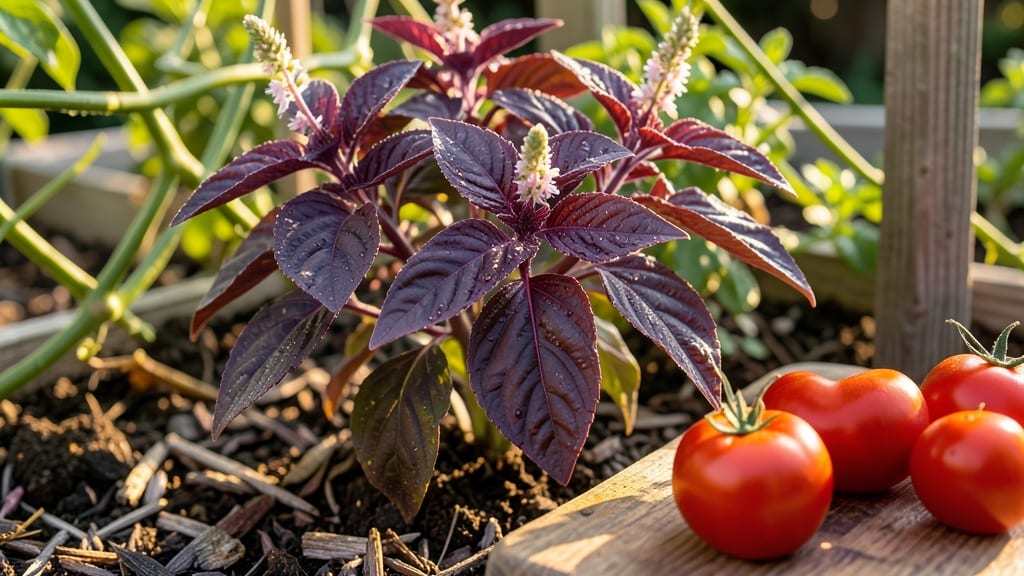
Turn your herb garden into a mosquito-free culinary paradise with purple leaf basil. This vibrant variety doesn’t just stop at stunning burgundy foliage—it actively deters mosquitoes while enhancing the flavor of nearby tomatoes, making it a must-have for kitchen gardens and herb spirals.
Plant it alongside your tomato beds for a natural pest deterrent and a flavor boost that chefs love. Purple leaf basil thrives in full sun to partial shade and prefers well-draining soil. Pinch back flowers to encourage bushier growth and harvest leaves regularly for continuous harvests. Its striking color also makes it a standout in containers or mixed herb borders.
Perfect for urban gardeners and homesteaders alike, this dual-purpose plant adds beauty, function, and flavor to your garden. 🌱
Bloodleaf Plantain for Pollinator Gardens
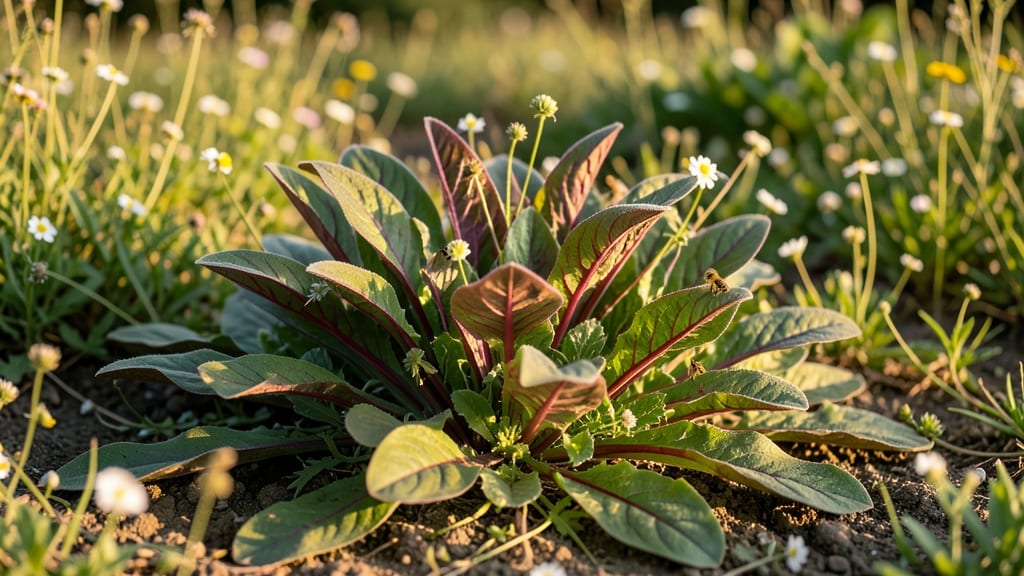
Want to turn your garden into a buzzing hub for pollinators while keeping weeds at bay? Bloodleaf Plantain (Plantago lanceolata 'Bloodleaf') is your secret weapon—a native perennial that doubles as a pollinator magnet and natural weed suppressor.
This hardy plant thrives in full sun to partial shade and produces striking deep red foliage that contrasts beautifully with wildflowers. Its dense ground cover outcompetes weeds while providing nectar and pollen for bees, butterflies, and beneficial wasps. Plant it in clusters along pathways or meadow edges for maximum impact.
Perfect for eco-conscious gardeners, Bloodleaf Plantain requires minimal care once established and handles drought once roots are deep. It’s especially valuable in native plant landscapes where biodiversity is a priority. 🌟
Ruby Red Amaranth for Ornamental Edibles
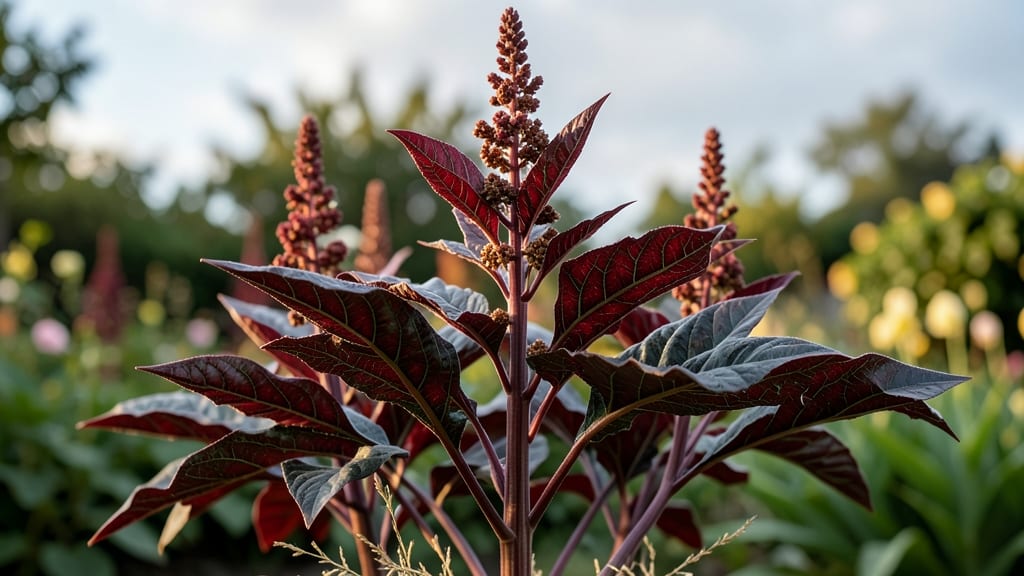
Looking for a plant that doubles as both a stunning vertical accent and a functional food source? Ruby Red Amaranth delivers bold, deep crimson foliage that grows 5-7 feet tall while producing edible grains and leaves—plus, it naturally deters squash bugs, making it a permaculture superstar.
This versatile annual thrives in full sun to partial shade and tolerates poor soil, making it perfect for urban food forests or permaculture guilds. Plant seeds directly after your last frost date, spacing them 12-18 inches apart. Harvest young leaves like spinach or allow seed heads to mature for nutritious grains.
Urban gardeners and permaculture enthusiasts will love how this plant repels pests while adding dramatic height to mixed borders. It’s also drought-tolerant once established, making it a low-maintenance choice. 🌻
Copperleaf Plant for Shade Tolerance
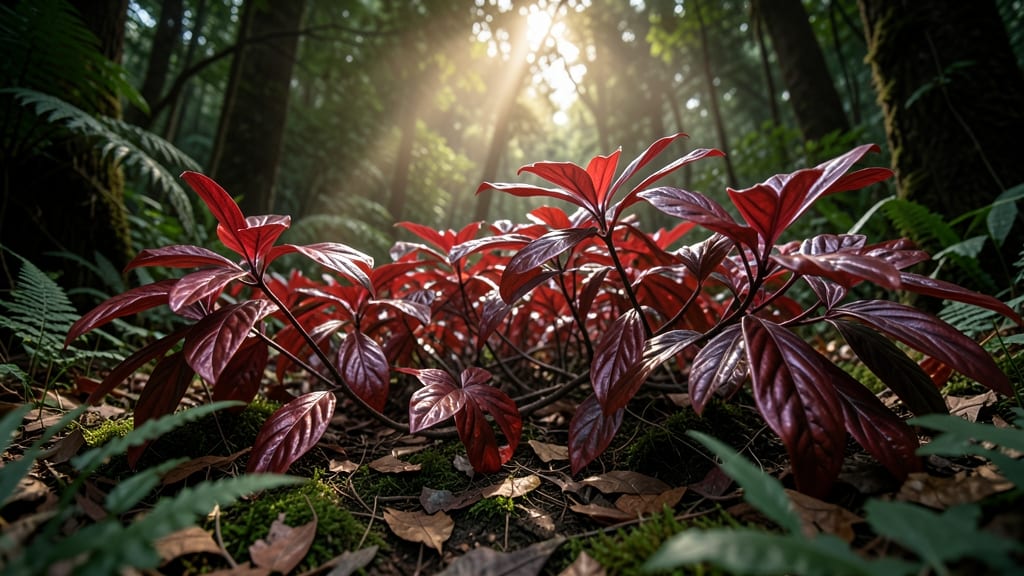
If your garden has patches of deep shade where most plants struggle, the copperleaf plant (Acalypha reptans) is your secret weapon. Its striking iridescent red-purple foliage shimmers like polished metal, adding a futuristic touch to woodland gardens, understory plantings, or even shady corners of urban courtyards.
This tropical beauty thrives in low-light conditions with just a few hours of filtered sunlight daily, making it ideal for areas where sun-loving plants fail. Beyond its visual appeal, copperleaf naturally repels spider mites, protecting nearby plants from infestations—a bonus for organic gardeners. Keep the soil consistently moist (but not soggy) and fertilize lightly every 4-6 weeks to encourage lush growth.
Perfect for gardeners with shady spots or those seeking low-maintenance, pest-resistant foliage, copperleaf brings drama without the fuss. Pair it with ferns or hostas for a lush, forest-inspired look. 💚
Scarlet Runner Bean for Vertical Gardens
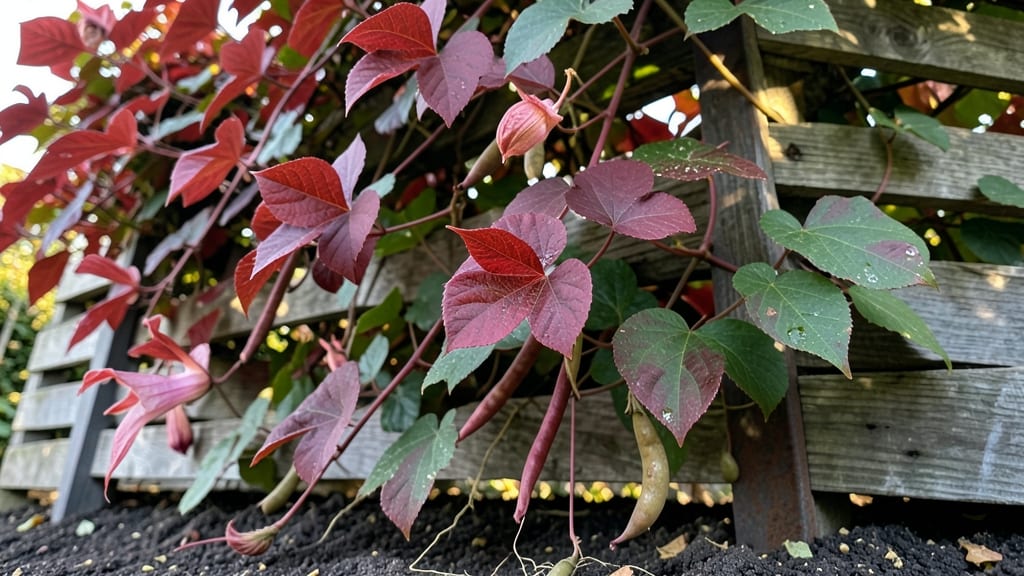
Need a space-saving powerhouse that doubles as both a pest deterrent and a food source? The scarlet runner bean delivers with its deep red foliage, fragrant flowers, and edible beans—all while climbing vertically to save precious ground space. This nitrogen-fixing vine naturally enriches the soil and repels aphids, making it a smart companion for nearby vegetables.
Plant seeds directly after the last frost when soil reaches 60°F, spacing them 4-6 inches apart at the base of your trellis or fence. Provide full sun (6-8 hours daily) and well-draining soil for optimal growth. The vines can reach 10-15 feet tall, producing striking red leaves that transition to vibrant blooms and eventually edible beans by mid-summer.
Urban gardeners and small-space growers will love how this multi-functional vine transforms walls and fences into lush, living tapestries. Plus, the beans are a delicious bonus for your dinner table! 🌱
Red Malabar Spinach for Humid Climates
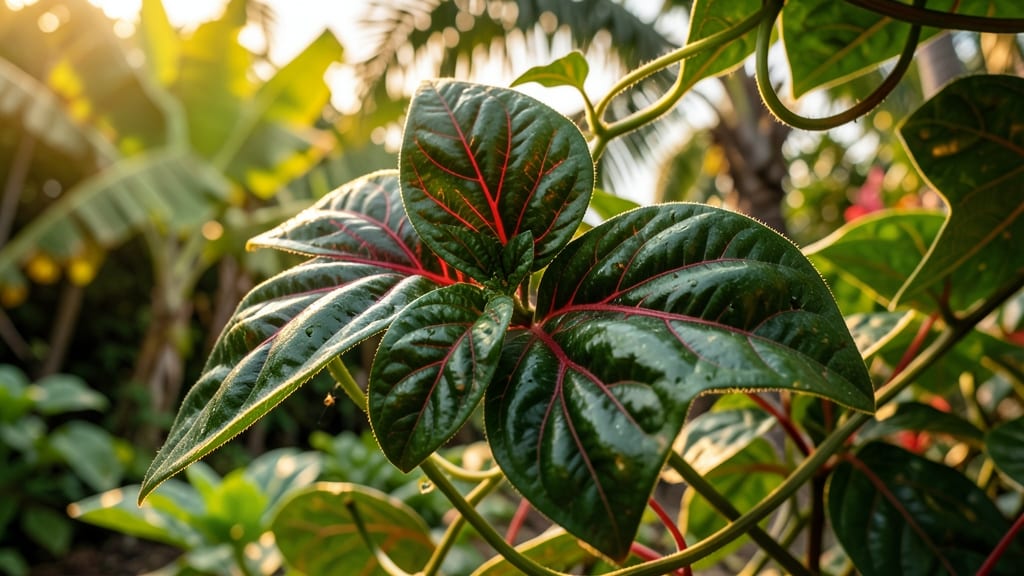
Tired of struggling with whiteflies in your tropical garden? Red Malabar spinach is your secret weapon—this heat-loving vine not only repels pests but also delivers glossy, edible leaves that stay vibrant in the hottest climates. Unlike traditional spinach, it thrives in humidity and full sun, making it perfect for balconies, hanging baskets, or rainforest-inspired gardens.
Plant seeds or cuttings in well-draining soil with morning sun and afternoon shade to prevent leaf scorch. Prune regularly to encourage bushier growth and harvest leaves by pinching stems—young leaves taste mild and slightly sweet. This vine also attracts beneficial insects like ladybugs, creating a natural pest-control ecosystem.
Urban gardeners and tropical enthusiasts will love this low-maintenance plant that delivers both beauty and harvest. It’s the ideal container plant for small spaces or a striking ground cover for larger gardens. 🌿
Firecracker Plant for Drought-Resistant Beds
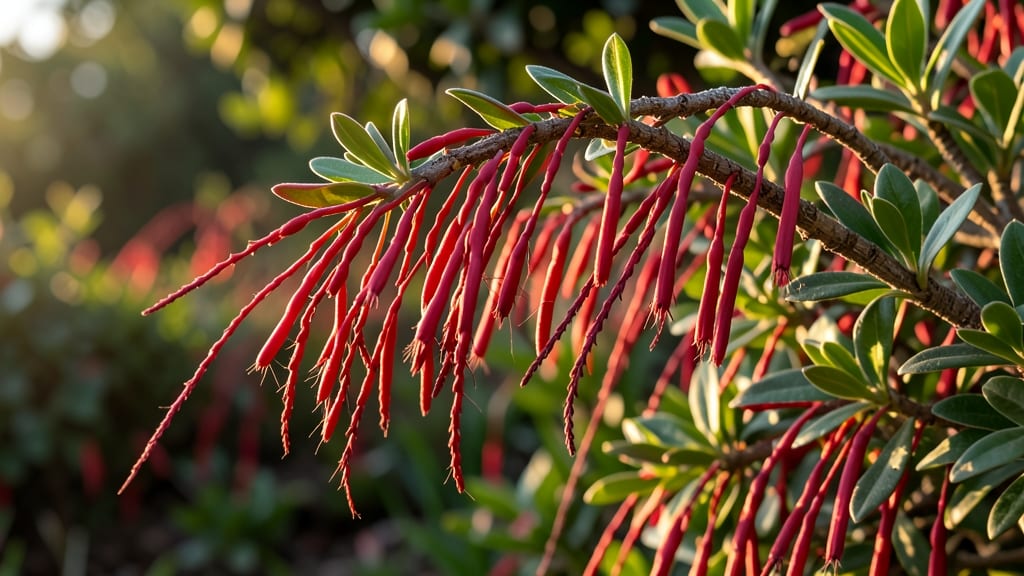
If you're battling deer pressure in your garden while craving zero-maintenance plants, the firecracker plant (Russelia equisetiformis) is your secret weapon. This succulent-like shrub thrives in full sun with minimal water—ideal for xeriscapes—and its tubular red blooms deter browsing animals naturally.
Native to arid regions of Mexico and Central America, this plant handles drought conditions with ease once established, requiring water only every 2-3 weeks during dry spells. Its arching branches create a cascading effect perfect for borders or containers, while its bright red flowers bloom continuously from spring through fall. Prune lightly after flowering to maintain shape.
Perfect for urban gardeners with rocky soil or rural landscapes plagued by deer, this plant offers year-round interest with minimal effort. 🌻
Red Okra for Pest-Repellent Beds
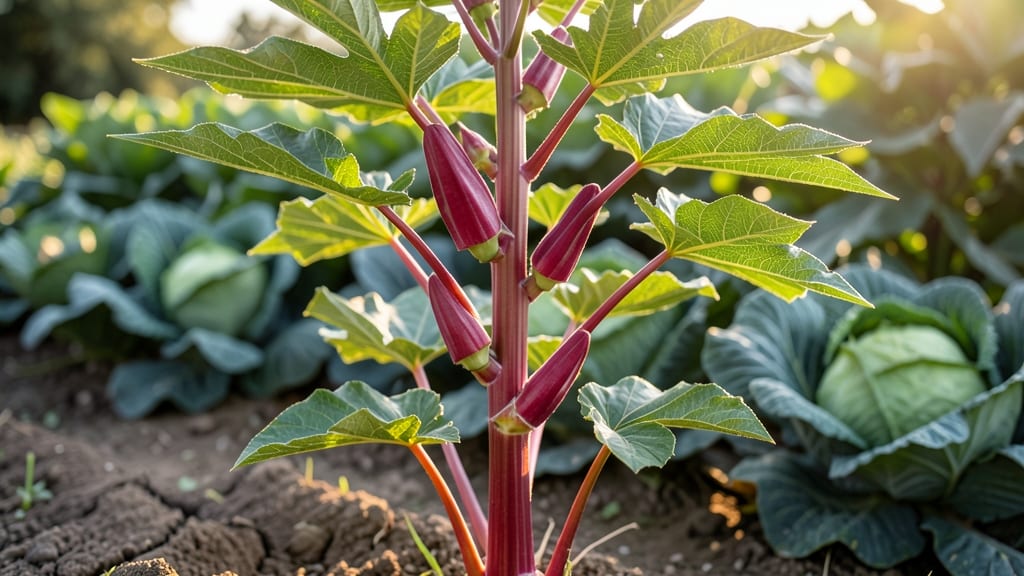
Looking to protect your brassicas without harsh chemicals? Red okra is your secret weapon—this edible pod plant naturally deters cabbage moths while adding dramatic vertical interest to your vegetable beds.
This heat-loving annual thrives in full sun and well-draining soil**, reaching heights of 5-8 feet with striking deep red pods that ripen to green. Plant it alongside cabbage, kale, or broccoli for a twofold benefit: pest control and edible harvest. The pods can be eaten young and tender, adding a mild, slightly sweet flavor to stir-fries or soups.
Permaculture enthusiasts will love how red okra integrates into guild plantings—its deep roots improve soil structure while its vertical growth creates shade for understory plants. Perfect for warm-season gardens and urban food forests! 🌻
Purple Smoke Bush for Year-Round Color

Tired of seasonal color that fades with the first frost? The purple smoke bush (Cotinus coggygria) delivers year-round interest with its velvety red-purple foliage that turns golden in autumn and retains texture through winter. Unlike many red-leafed plants, it thrives in full sun to partial shade and tolerates poor, dry soil—making it ideal for urban landscapes or drought-prone regions.
This drought-tolerant shrub attracts pollinators like bees and butterflies while providing seasonal blooms that turn into feathery seed clusters. Prune lightly in late winter to shape it, and watch it become a foundation planting superstar—its compact size (6–10 feet) fits perfectly along walkways or as a specimen in wildlife gardens. The velvety leaves also deter deer, adding another layer of protection for your garden.
Perfect for gardeners who want low-maintenance beauty without sacrificing biodiversity, the purple smoke bush is a standout for foundation plantings and wildlife-friendly designs. 🌻