
Shrubs
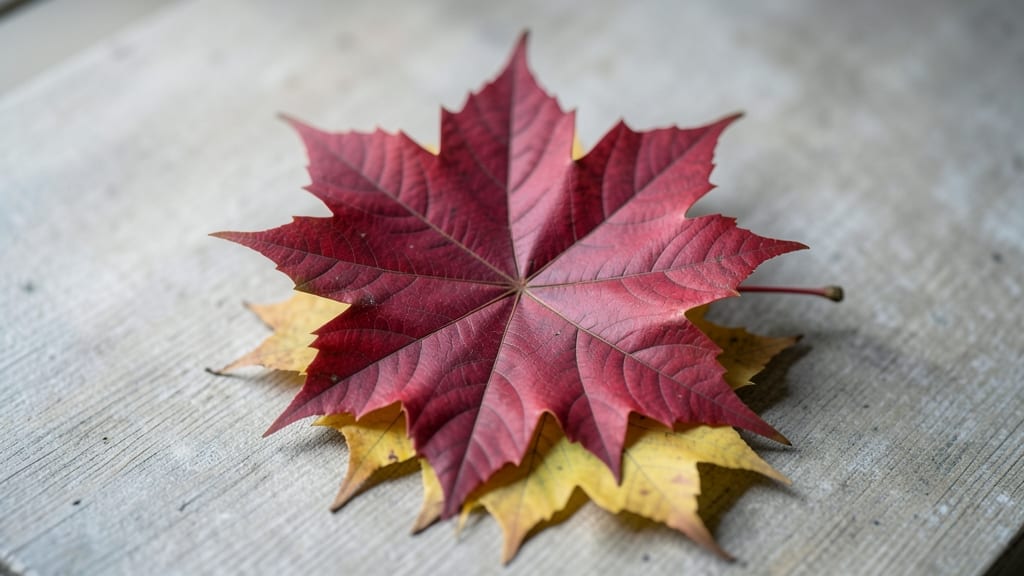
A red maple leaf arrangement transforms any space with autumnal charm by featuring bold crimson foliage, layered with textures like pine sprigs or eucalyptus stems. Secure components with floral wire or hot glue for stability, and enhance with seasonal elements such as dried orange slices or pinecones for extra depth.
A red maple leaf arrangement thrives on contrast—pairing the deep reds of maple leaves with lighter greens or neutrals creates visual drama. 🍂 The key is timing: harvest leaves at their peak color (typically October) and dry them properly to lock in that vibrant hue.
For added longevity, store dried leaves in a cool, dark place until assembly. Whether you're crafting a rustic wreath or a modern table centerpiece, the right balance of foliage and accents makes all the difference.
For beginners, start with a simple design: gather 12-15 leaves, mix in 3-4 pine sprigs for texture, and secure everything with floral wire. Pro tip: spray dried leaves lightly with hairspray before arranging to prevent crumbling.
The possibilities are endless—try adding cinnamon sticks for warmth or tiny gold accents for a touch of elegance.
💡 In This Article
- How to Select and Preserve Red Maple Leaves for Arrangements
- Creative Red Maple Leaf Arrangement Styles and Pairings
How to select and preserve red maple leaves for arrangements
The magic of a red maple leaf arrangement starts with selecting leaves at their peak vibrancy. Aim for leaves that are a deep, rich crimson—almost like a ripe apple—rather than dull browns. Harvest them in late October when the color is most intense, just before the first hard frost.
The ideal leaf size is 3-5 inches long, as smaller leaves can look too delicate, while larger ones may overwhelm your design. Always pick leaves that are fully detached from the branch, as they'll dry more evenly and maintain their shape better.
Preserving these leaves properly is key to keeping their color and texture. The two most effective methods are air-drying and using silica gel. For air-drying, bundle leaves with rubber bands and hang them upside down in a dark, dry place for 2-3 weeks.
This method preserves the natural color but can make leaves brittle. Silica gel, on the other hand, locks in color and texture in just 5-7 days—simply place leaves in a tray with silica gel and press them flat under a heavy book.
The trade-off? Silica gel requires more effort but yields leaves that feel almost like the real thing.
What most people don't realize is that humidity is the enemy of vibrant colors. After drying, store your leaves in a sealed container with a silica gel packet to absorb moisture. This prevents the leaves from fading or developing mold.
If you notice any leaves losing their color, you can revive them by lightly misting with a mix of 1 part vodka and 1 part water—the alcohol helps set the color while the water rehydrates the fibers slightly.
This trick works especially well for leaves that have been stored for more than a year.
Consider the leaf's structure when selecting. Some maple leaves have more pronounced veins or lobes, which add depth to arrangements. For example, a leaf with deeply serrated edges creates a stunning contrast when paired with smooth eucalyptus stems.
If you're working with a large arrangement, like a wreath, mix in leaves with varying sizes—this creates a natural, organic look rather than a uniform pattern. 🌿 For smaller projects, like table centerpieces, uniform medium-sized leaves create a polished, cohesive appearance.
Seasonal timing affects more than just color—it impacts the leaf's durability. Leaves harvested in early autumn (September) may still have some green, while those picked in November might be crispy and fragile. The sweet spot is mid-October, when the reds are deepest and the leaves are still pliable.
To test freshness, gently rub a leaf between your fingers; it should feel slightly leathery, not papery or crumbly. This texture ensures your arrangement will hold together beautifully during assembly.
Pro tip: If you're planning ahead, you can even freeze fresh leaves for up to 3 months. Place them in a single layer on a tray, freeze solid, then transfer to a sealed bag. When you're ready to use them, thaw overnight and dry as usual.
This method is perfect for those who want to start their arrangements early but don't want to sacrifice freshness. The frozen leaves will dry with the same vibrant color as if they were harvested fresh.