
Blooming
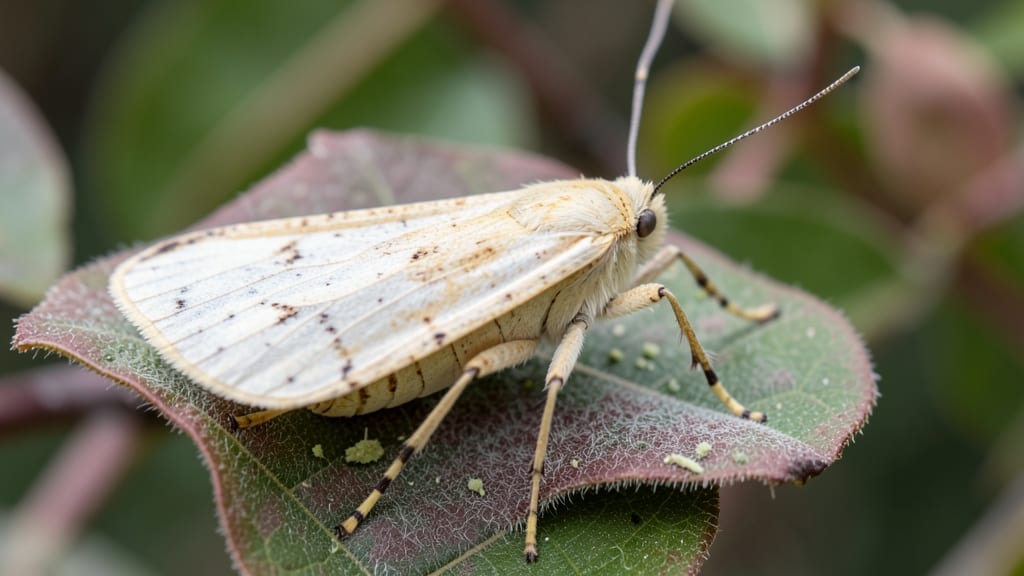
That tiny green caterpillar chewing your redbud leaves into skeletonized messes? 🌿 The redbud leaffolder moth is the culprit—and it’s far worse than just unsightly damage. I’ve seen entire trees defoliated by late summer if left unchecked, and the larvae even carry fungal spores that weaken the tree’s defenses.
The good news? You can stop this cycle with targeted organic sprays and a few smart monitoring tricks.
Here’s the deal: these moths lay eggs in spring, and the larvae hatch just as new leaves unfurl. You’ll spot their damage as rolled or folded leaves tied together with silk, plus telltale frass (caterpillar poop) inside.
The worst part? They thrive in dry conditions, making them a recurring problem in many gardens. But with the right timing and sprays—like neem oil or Bacillus thuringiensis—you can break their lifecycle before they take over.
By mid-summer, your tree should look lush and healthy again, not stripped bare. The key is acting fast when you see the first rolled leaves, then following up with preventive sprays every 2-3 weeks until fall.
No more fungal spots, no more caterpillar armies—just strong, vibrant redbuds that bloom beautifully next spring. Let’s get your tree back in fighting shape.
This works for both young saplings and mature trees, and the same methods apply whether you’re dealing with a single infestation or trying to prevent future outbreaks. The secret? Consistency. A little effort now saves you from a full-blown battle later. Ready to reclaim your redbud?
Understanding the Larval Invasion
The redbud leaffolder moth isn’t just a random visitor—it’s a strategic invader with a life cycle finely tuned to exploit your redbud trees. Its presence isn’t accidental; it’s the result of specific ecological triggers and plant vulnerabilities.
Below, we break down the why behind this pest’s persistence, so you can address the root causes—naturally.
The redbud leaffolder moth targets Cercis canadensis (and related species) because these trees offer an ideal environment for its larvae. Weaknesses in your redbud—whether due to stress, poor health, or improper care—make it an irresistible host. Here’s how:
- Nutrient Deficiencies:
Redbuds low in nitrogen, phosphorus, or micronutrients (like zinc or iron) produce thinner, paler leaves—easier for caterpillars to fold and consume. A soil test can reveal imbalances, but yellowing between veins (iron deficiency) or purple stems (phosphorus deficiency) are red flags.
- Water Stress:
Drought or overwatering disrupts the tree’s defenses. Wilting leaves or cracked bark signal stress, while excess moisture in the soil can weaken roots, making the tree more susceptible to larval feeding. Aim for 1–1.5 inches of water per week (including rainfall).
- Physical Damage:
Broken branches, storm wounds, or compaction from foot traffic create entry points for moths. Larvae prefer new growth near damaged areas, as these tissues are softer and richer in sugars.
- Lack of Pruning:
Overgrown redbuds with dense, overlapping branches trap heat and humidity—perfect conditions for moth eggs to hatch. Prune in late winter to improve airflow and sunlight penetration.
Actionable Fix: Strengthen your tree’s resilience with a balanced organic fertilizer (like 5-5-5) in early spring and mulch 2–3 inches deep (but avoid piling against the trunk) to retain moisture without suffocating roots.
The redbud leaffolder moth’s life cycle is tightly linked to redbud blooming. Understanding its timing helps you intercept it before damage peaks:
| Life Stage | When It Happens | Why It Matters |
|---|---|---|
| 🥚 Egg Laying | Late winter to early spring (Feb–March) |
Adult moths emerge as redbuds begin to bloom. Females lay tiny white eggs on flower buds and new leaves. Eggs hatch in 7–10 days if temperatures rise above 50°F (10°C). |
| 🐛 Larval Feeding | Spring to early summer (March–June) |
Caterpillars emerge and fold leaves into protective shelters, feeding on tender new growth. This is when you’ll see rolled or tied leaves—their signature damage. |
| 🪰 Pupation | Late summer (July–August) |
Larvae pupate in soil or leaf litter, emerging as adults the following winter. This means one generation per year, but early intervention can break the cycle. |
Pro Tip: 🌡️ Monitor your redbud’s bloom time—if it flowers early (due to warm winters), moths may arrive sooner. Set up egg traps (sticky bands on branches) in February to catch females before they lay eggs.
Not all redbuds suffer equally. Your landscape’s microclimate and surrounding vegetation play a huge role in attracting (or repelling) these moths:
- Proximity to Wild Areas:
Redbud leaffolder moths thrive in wooded edges, parks, or untended lots where native redbuds or related legumes (like Cercis species) grow. If your tree is near these areas, adult moths migrate in on warm nights.
- Urban Heat Islands:
Cities with concrete and pavement trap heat, creating warmer microclimates that accelerate moth development. If your redbud is in a south-facing, paved area, it may experience earlier infestations.
- Lack of Natural Predators:
Birds (like chickadees and warblers), parasitic wasps, and ladybugs prey on moth eggs and larvae. If your yard lacks diverse plantings or birdhouses, these predators won’t stick around.
- Monoculture Landscaping:
Planting only redbuds or other host plants (like locust or honey-locust) turns your yard into a moth buffet. Diversify with non-host plants (e.g., spirea, viburnum, or serviceberry) to disrupt their life cycle.
Actionable Fix: Create a predator-friendly zone by adding native shrubs (like serviceberry or winterberry) and installing birdhouses or bat boxes. Even a small wildflower patch can attract beneficial insects.
By addressing these root causes—tree health, seasonal timing, and environmental conditions—you can dramatically reduce redbud leaffolder moth populations without synthetic chemicals. The key? Act early and disrupt their cycle at every stage.
Natural Remedies for Leaf Damage
When your redbud tree’s leaves start curling or showing signs of pest activity, it’s time to act—but not with harsh chemicals. The redbud leaffolder moth (and its fungal hitchhikers) can be tackled with targeted, organic solutions that restore your tree’s health without harming the ecosystem.
Below, we break down cause-specific fixes, from early intervention to long-term prevention, so you can protect your tree’s beauty naturally.
Cause: Tiny larvae hiding in folded leaves Fix: Catch them before they multiply!
- 🔍 Inspect leaves weekly – Look for rolled or folded leaves (a classic sign of leaffolder moth activity). Flip leaves over to spot greenish larvae or black frass (poop).
- 🧤 Handpick larvae – Wear gloves and drop them into soapy water (a humane way to eliminate them).
Focus on new growth where moths lay eggs. 3. 🗑️ Prune & dispose of damaged leaves – Bag and trash heavily infested foliage immediately to prevent spread.
💡 Pro Tip: Time your checks for spring to early summer—this is when moths are most active. A magnifying glass helps spot larvae in tight leaf folds.
Cause: Fungal spots + persistent larval feeding Fix: Use botanical sprays that disrupt their life cycle.
| Solution | How to Apply | Best For | When to Use |
|---|---|---|---|
| Neem Oil Spray | Mix 1 tbsp neem oil + 1 tsp mild soap + 1 quart water. Spray evenly on top and bottom of leaves. | Larvae, fungal spots, general pest deterrent | Early spring (before eggs hatch) + every 7–10 days during outbreaks |
| Bacillus thuringiensis (Bt) | Sprinkle Bt powder (or liquid) on leaves. Reapply after rain. | Caterpillar larvae (safe for bees!) | Late spring to summer (when larvae are most active) |
| Potassium Soap Spray | Mix 1.5 tbsp liquid soap + 1 gallon water. Spray directly on larvae. | Soft-bodied pests (like young moths) | Afternoon (avoid direct sun to prevent leaf burn) |
| Horticultural Oil | Apply dormant oil in early spring before buds swell. | Eggs & overwintering pests | Late winter/early spring (when moths are dormant) |
⚠️ Important: Always test sprays on a small leaf first to avoid damage. Avoid spraying when bees are active (early morning or late evening works best).
Cause: Weak trees attract more pests Fix: Boost your redbud’s natural defenses!
- 💧 Water deeply but infrequently – Overwatering stresses trees. Water at the base (not leaves) to prevent fungal growth.
- 🌿 Mulch properly – Apply 2–3 inches of organic mulch (wood chips, bark) to retain moisture and regulate soil temp.
- 🍽️ Feed with compost – Mix aged compost into the soil in early spring to provide slow-release nutrients.
- 🌞 Prune for airflow – Remove crowded branches to reduce humidity (moths love damp, shaded areas).
🌡️ Pro Tip: Avoid nitrogen-heavy fertilizers—they encourage soft, pest-attracting growth. Instead, use a balanced 10-10-10 or organic fish emulsion for steady strength.
Cause: Recurring infestations Fix: Break the moth’s life cycle with strategic habits.
- 🕰️ Time your sprays right – - Early spring (March–April): Apply dormant oil to kill overwintering eggs. - Late spring (May–June): Use Bt or neem oil when larvae emerge.
- 🐝 Attract natural predators – - Plant nearby flowers like dill, fennel, or yarrow to draw parasitic wasps (which eat leaffolder moth larvae). - Install a birdhouse—robins and chickadees love munching on caterpillars!
- 🧹 Clean up in fall – - Rake and remove fallen leaves (where moths lay eggs for next year). - Shake out branches into a trash bag to catch hidden pupae.
✨ Bonus: Reflective mulch (like aluminum foil strips) can confuse adult moths and reduce egg-laying.
Final Thought: With consistent monitoring and organic interventions, your redbud can bounce back stronger—free from leaffolder moths and fungal spots. Start with manual removal, then layer in sprays and prevention for a healthy, thriving tree season after season! 🌳💚
Frequently asked questions
How do I tell if my redbud tree has redbud leaffolder moth damage?
Look for rolled or folded leaves tied together with silk threads—this is the moth’s signature damage. You’ll also spot greenish larvae (about 1/2 inch long) inside or black frass (poop) near the folds. Check new growth first, as that’s where larvae feed most actively.
When is the best time to treat redbud leaffolder moths?
Start treatments in early spring (March–April) with dormant oil to kill overwintering eggs. Then apply Bacillus thuringiensis (Bt) or neem oil during late spring to early summer when larvae emerge. Consistency is key—reapply every 7–10 days during outbreaks.
Are chemical pesticides safe for redbud trees?
Chemical pesticides can harm beneficial insects and disrupt your tree’s natural defenses. Instead, use organic sprays like neem oil or Bt, which target only the moth larvae without damaging pollinators. If you must use chemicals, opt for horticultural oils applied in early spring when moths are dormant.
Can I save my redbud tree if it’s already heavily infested?
Yes! Act fast with manual removal (handpick larvae) and prune heavily damaged leaves. Follow up with neem oil sprays and boost your tree’s health by watering deeply, mulching properly, and fertilizing with balanced organic nutrients. With consistent care, your redbud can recover and thrive.
How do I prevent redbud leaffolder moths next year?
Focus on disrupting their life cycle: clean up fallen leaves in fall, install birdhouses to attract natural predators, and plant diverse shrubs (like serviceberry) to break their monoculture habit. Use reflective mulch (like aluminum foil) to confuse adult moths during egg-laying season.