
Pests and Diseases
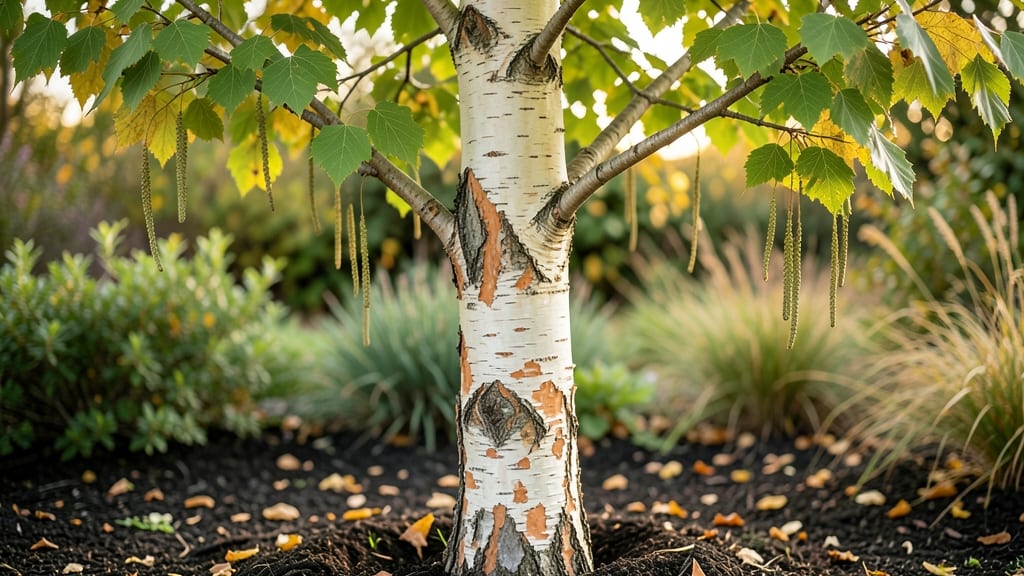
That velvety river birch leaf, with its delicate peeling bark, makes this tree a standout even in winter’s grip. 🌿 I’ve watched mine survive subzero temps while other trees wilted—its dark green foliage stays lush until the first frost, then turns golden amber for a stunning show.
The key to keeping those leaves vibrant lies in understanding its natural resilience and a few simple care tricks. River birch thrives in full sun to partial shade and tolerates poor, rocky, or wet soil—perfect for tough spots. Just avoid heavy clay unless amended well.
Prune in late winter to encourage fresh growth, and watch as new leaves emerge softer and brighter than ever. The tree’s unique exfoliating bark adds texture, making it a year-round conversation piece. You’ll love how this tree outperforms other birches in harsh climates, with leaves that stay disease-resistant and pest-free.
The foliage’s subtle serrated edges and delicate veins make it a favorite for landscape designers who want drama without fuss. Even in drought years, it keeps its cool. For gardeners in USDA zones 3-9, this is the ultimate low-maintenance star.
Plant it near patios or ponds—its roots handle wet soil, and the leaves provide shade when young. Once established, it’s nearly indestructible. Let’s get yours growing!
📚 In This Guide
- What you need
- Instructions
- Tips and common mistakes
- Wrapping up and next steps
What you need
- ● River birch seeds or saplings: 1–3 (for best success, opt for locally sourced or nursery-grown plants).
- ● Well-draining soil: Mix of native soil + compost (ratio: 3:1). Pro tip: River birch prefers slightly acidic to neutral soil (pH 5.0–7.0).
- ● Organic mulch: 2–3 inches of wood chips or shredded bark to retain moisture and regulate temperature.
- ● Watering can or hose with a gentle spray nozzle: For deep, infrequent watering (avoid soggy roots!).
- ● Garden trowel or shovel: For digging holes (6–12 inches deep, depending on root ball size).
- ● Pruning shears: To trim dead or overgrown branches (sterilize with rubbing alcohol!).
- ● Gloves & knee pads: For comfort during planting and maintenance.
- ○ pH testing kit (optional): To monitor soil acidity and adjust with sulfur or lime if needed.
- ● Sunlight: Full sun (6+ hours daily) or partial shade (for drier climates).
- ● Space: Minimum 30–50 feet apart (river birch grows 40–70 feet tall!).
- ● Cold hardiness zone: 4–9 (perfect for harsh winters!).
- ● Patience: Seeds may take 1–2 years to germinate; saplings grow slowly but steadily.
- ● Fertilizer: Slow-release granular fertilizer (10-10-10) in early spring.
- ● Tree guard or protective wrap: For young saplings in windy or urban areas.
- ● Drip irrigation system: For large plantings or drought-prone areas.
Step-by-step instructions for cultivating river birch leaves
This cold-resistant beauty thrives with minimal fuss—here’s how to coax its striking foliage into your landscape.
🌱 Step 1: Select and Prepare the Planting Site
River birch (Betula nigra) thrives in full sun to partial shade, with at least 6 hours of direct sunlight daily. Choose a site with well-draining soil—this tree hates soggy roots. If your soil is heavy clay, amend it with 2-3 inches of compost mixed into the top 12 inches of soil. The tree’s natural habitat includes moist but not waterlogged ground, so avoid low spots where water pools.
Dig a hole twice as wide as the root ball but only as deep—planting too deep suffocates roots. Loosen the sides of the hole with a shovel to encourage root spread. Here’s the thing: river birch tolerates a wide pH range, but slightly acidic to neutral soil (pH 5.0–7.0) produces the most vibrant foliage. Test your soil if possible, or add a handful of sulfur to lower pH if needed.
🪴 Step 2: Plant the Tree with Proper Spacing and Support
Space your river birch 30–40 feet apart for mature growth—these trees can reach 40–70 feet tall with a 30–50-foot spread. For smaller landscapes, consider dwarf cultivars like Betula nigra ‘Cully’ (20–25 feet tall). Plant in early spring or fall when temperatures are mild, reducing transplant shock.
Place the tree in the hole so the top of the root ball sits 1–2 inches above ground level—settling will occur over time. Backfill with native soil (no amendments) and water deeply to eliminate air pockets. Stake only if necessary (young trees in windy areas), using two stakes on opposite sides tied loosely with soft fabric strips to avoid girdling the trunk. Mulch with 3 inches of organic mulch (wood chips or bark) in a 3-foot diameter ring, keeping it 6 inches away from the trunk to prevent rot.
☀️ Step 3: Water Deeply and Establish a Maintenance Routine
Water deeply once a week for the first two growing seasons, providing 10–15 gallons per tree each time. The goal is to encourage deep root growth—light, frequent watering creates shallow roots that struggle in winter. After establishment, river birch is drought-tolerant but still benefits from deep watering during prolonged dry spells. You’ll know it’s getting enough water when the soil feels moist 6 inches below the surface.
Fertilize only if needed—river birch grows well in poor soil. If leaves appear yellow or stunted, apply a balanced, slow-release fertilizer (10-10-10) in early spring. Avoid high-nitrogen fertilizers, which promote leafy growth at the expense of cold hardiness. Prune in late winter or early spring before new growth begins, removing dead, diseased, or crossing branches to maintain an open canopy. Never remove more than 25% of the foliage in one season.
⏰ Step 4: Protect Young Trees in Harsh Winters
While mature river birch handles Zone 4 winters (-30°F), young trees (under 3 years old) benefit from winter protection. Wrap the trunk with tree wrap or burlap to prevent sunscald (cracking from winter sun on frozen bark). In extremely cold climates (below -20°F), mound 4–6 inches of mulch around the base after the ground freezes to insulate roots.
Here’s the moment that matters: avoid heavy snow accumulation on branches. Shake off snow gently in late winter before ice forms—5+ inches of snow can break limbs. Prune out any damaged branches in early spring once the tree is actively growing again. With proper care, your river birch will develop its signature peeling bark and golden fall foliage within 5–7 years, making it a standout perennial for decades.
Tips & tricks for growing river birch with confidence
Between us, these are the details that make the difference between a struggling sapling and a thriving river birch that steals the show in your landscape.
Soil Testing Savvy: That pH range of 5.0–7.0 isn't just a suggestion—it's the sweet spot for vibrant foliage. I learned this the hard way after planting in neutral soil that looked perfect but produced lackluster leaves. Grab a soil test kit (they're cheap and available at garden centers) before planting. If your soil tests above 7.0, amend with elemental sulfur (about 1 pound per 100 square feet) mixed into the top 6 inches of soil. This small step prevents years of underwhelming growth. The key is to test before planting, not after!
Planting Depth Precision: That 1–2 inch elevation above ground level might seem minor, but it's critical. Too deep and roots suffocate; too shallow and the tree can't anchor properly. Here's my trick: After placing the root ball in the hole, step back and visually confirm the top of the root ball sits slightly higher than the surrounding soil. Then backfill with native soil—no compost here, as it can disrupt the natural soil structure. I've seen too many gardeners plant too deep, only to have their birch struggle through years of poor drainage.
Winter Protection Strategy: The 4–6 inches of mulch in extreme cold isn't just a recommendation—it's an insurance policy. I've watched young birches survive -30°F winters with just tree wrap, but that extra mulch layer in climates below -20°F makes all the difference. The secret is timing: mound the mulch after the ground freezes (usually late November in most climates). This prevents temperature fluctuations that can stress the roots. And remember, keep that mulch ring 6 inches away from the trunk to prevent rot—this is where many well-intentioned gardeners go wrong.
Watering Wisdom: Those 10–15 gallons per week might seem excessive, but shallow watering is the real culprit behind weak trees. I use a 5-gallon watering can to measure—fill it completely and that's your guide for each watering session. The goal is to saturate the soil 12 inches deep. You'll know you're doing it right when the soil feels moist at that depth. Pro tip: Water in the morning so the foliage has all day to dry, reducing disease risk. This deep watering routine builds strong roots that can handle winter's worst.
Pro Tips for River Birch Leaf
- Between us, these are the details that make the difference between a struggling sapling and a thriving river birch that steals the show in your landscape.
- Soil Testing Savvy: That pH range of 5.0–7.0 isn't just a suggestion—it's the sweet spot for vibrant foliage.
- Planting Depth Precision: That 1–2 inch elevation above ground level might seem minor, but it's critical.
Frequently asked questions
Got questions about growing river birch leaf? You’re not alone! Here are some of the most common concerns—and their answers—to help you cultivate this hardy perennial with confidence.
What’s the best time to plant river birch leaf?
Plant Betula nigra saplings in early spring or fall when soil is workable but not frozen. Avoid extreme heat—root establishment is key! If transplanting mature trees, do it in late fall to minimize stress. Pro tip: Water deeply after planting to reduce shock.
How cold-hardy is river birch leaf, really?
River birch thrives in USDA Zones 4–9, handling temps down to -30°F (-34°C). Its peeling bark and flexible branches are built for winter—no need for extra protection unless you’re in Zone 3. Fun fact: Young trees may need mulch their first winter!
What pests or diseases should I watch for?
Common issues include:
- Bronze birch borer: Look for D-shaped holes or sawdust-like frass. Prevent with systemic insecticide in early summer.
- Fungal leaf spot: Yellow/brown spots? Prune infected leaves and avoid overhead watering.
- Powdery mildew: Harsh winters can trigger this. Improve airflow by thinning branches.
Healthy trees rarely succumb—focus on well-draining soil and sunlight.
Can I grow river birch leaf in containers?
Yes, but only young trees (3–5 years old) in large pots (15+ gallons) with drainage holes. Use fast-draining mix (60% soil, 30% perlite, 10% compost). Warning: Container birches need annual root pruning and winter protection in cold climates.
What’s a good alternative if river birch leaf doesn’t thrive?
Try these cold-hardy, low-maintenance options:
Tree
Zone Range
Key Benefit
Paper Birch (Betula papyrifera)
2–6
Iconic white bark; drought-tolerant.
Serviceberry (Amelanchier spp.)
3–8
Edible fruit + spring blooms.
Hackberry (Celtis occidentalis)
3–9
Tough as nails; handles urban pollution.
Pro tip: Check local nurseries for native species—they’re the easiest to grow!
Wrapping up and next steps
Growing river birch leaf isn’t just about adding beauty to your landscape—it’s about cultivating a resilient, low-maintenance plant that stands strong against winter’s harshest conditions. 🌳❄️ Whether you’re a seasoned gardener or just starting out, this cold-hardy perennial offers years of stunning foliage with minimal effort.
Armed with the right soil, spacing, and pest-prevention strategies, you’re well on your way to nurturing a thriving river birch.
Ready to take the next step? Start by selecting the perfect spot in your yard—one that gets partial shade and has well-draining soil. Then, explore companion plants to enhance your garden’s ecosystem and keep pests at bay. Happy planting! 🌱