
Shrubs
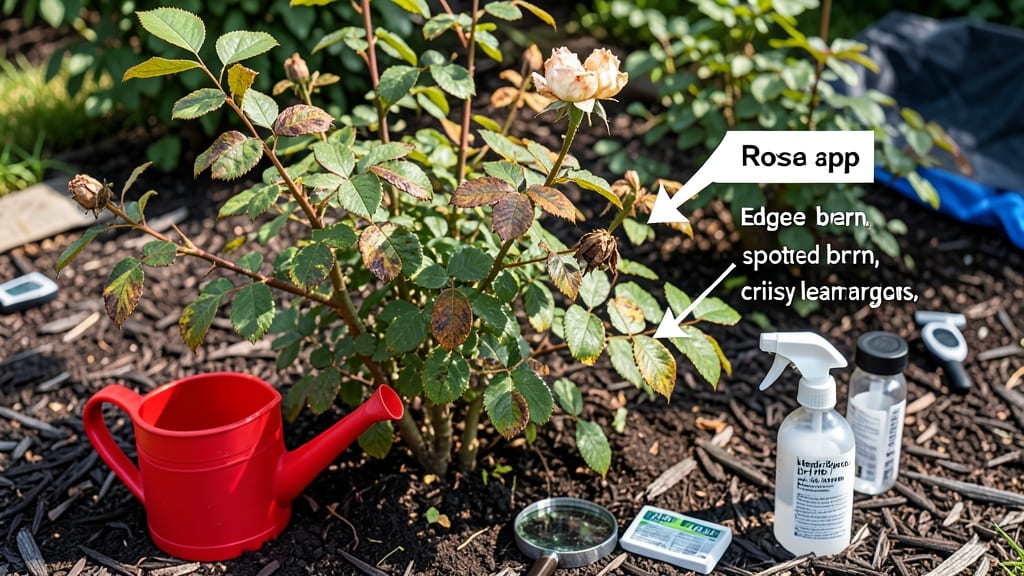
Your roses look like they’ve been through a crispy brown fire—those jagged leaf edges are a classic sign of leaf burn. 🌿 I’ve nursed back more than one sad-looking rose bush with this exact copper spray fix, and it’s the secret weapon against fungal infections, chemical burns, and environmental stress that’s turning your lush foliage into crunchy paper.
The good news? This isn’t a death sentence. Copper spray isn’t just a bandage—it’s a preventive shield that stops the spread while helping damaged leaves recover. You’ll need a 1% copper fungicide (like Bordeaux mixture), a spray bottle, and a calm Sunday afternoon.
The key is timing: apply it at dusk when leaves are dry to avoid burning them further. Within 7-10 days, you’ll start seeing new growth pushing through, and those crispy edges will soften into healthy green.
The spray also protects against future outbreaks, so your roses stay vibrant all season. No more sad, browned leaves—just thriving, disease-resistant bushes. Works for hybrid teas, climbers, and shrub roses alike. Let’s get those leaves looking lush again!
Root Causes Of Leaf Damage
When your rose leaves develop those unsightly brown, crispy edges—often called leaf burn—it’s usually a cry for help from your plant. Understanding the why behind it is the first step to saving your roses.
Below, we break down the most common culprits, backed by science, so you can diagnose and fix the issue like a pro.
💧 Overwatering Or Poor Drainage
Roses thrive in well-draining soil, but when roots sit in soggy conditions, they suffocate. Overwatering or compacted, clay-heavy soil forces roots to struggle for oxygen, leading to nutrient uptake failure.
Without proper hydration and essential minerals like potassium and calcium, leaf edges dry out and turn brown—a classic sign of hydraulic stress.
Why it happens:
- Root asphyxiation: Waterlogged soil displaces oxygen, triggering anaerobic conditions. Roots can’t respire efficiently, causing cellular damage.
- Toxicity buildup: Excess water leaches nutrients but also traps harmful salts (e.g., sodium, chlorine) in the root zone, further stressing the plant.
- Fungal infections: Stagnant water invites Phytophthora or Pythium, which rot roots and block water/nutrient flow.
Actionable fix: Test your soil’s drainage by digging a 12-inch hole, filling it with water, and timing how long it takes to drain. If it’s slower than 4 hours, amend with perlite, sand, or compost to improve aeration. Water only when the top 2 inches of soil are dry.
🌡️ Extreme Temperature Fluctuations
Roses are tough, but sudden shifts—especially cold nights followed by hot days—can shock their systems. When temperatures drop below 40°F (4°C) at night, rose leaves may experience transpirational stress.
During the day, if the sun blasts them while they’re still chilled, the edges desiccate rapidly, turning brown and brittle.
Why it happens:
- Stomatal closure: Cold air causes stomata (leaf pores) to shut to prevent water loss. When heat hits, the stomata can’t reopen fast enough, trapping moisture inside and leading to osmotic imbalance.
- Cell membrane damage: Freezing temps rupture cell walls, while sudden heat causes protein denaturation, disrupting metabolic functions.
- Evaporative stress: Hot, dry winds exacerbate the problem by increasing transpiration rates beyond the plant’s ability to replace lost water.
Actionable fix:
- Mulch heavily (3–4 inches of wood chips or straw) to insulate roots and moderate soil temps.
- Use shade cloth (30–50%) on scorching days to reduce direct sunlight.
- Water deeply in the late afternoon to hydrate leaves before evening cooldowns.
⚗️ Chemical Overload: Fertilizer Or Spray Burn
Roses love nutrients, but too much of a good thing—especially synthetic fertilizers or copper-based fungicides—can literally burn their leaves. High concentrations of salts or metals disrupt the leaf’s cuticle layer, causing edges to dry out and turn brown.
Why it happens:
- Salt accumulation: Fertilizers like 24-8-16 or urea leave behind sodium chloride, which draws moisture out of leaf cells via osmosis.
- Copper toxicity: While copper sprays (e.g., Bordeaux mixture) kill fungal spores, overuse leads to metal buildup, damaging chloroplasts and halting photosynthesis.
- pH imbalance: Acidic or alkaline soil from improper amendments (e.g., lime or sulfur) blocks nutrient absorption, mimicking deficiency symptoms.
Actionable fix:
- Flush soil with water to leach excess salts, then apply organic matter (compost or worm castings) to buffer pH.
- Switch to slow-release fertilizers (e.g., osmocote) or fish emulsion to avoid salt shock.
- If using copper sprays, dilute to half-strength and apply in evening to reduce evaporation.
🐛 Pests Or Pathogens Stealing Resources
Hidden invaders like aphids, spider mites, or fungal diseases (e.g., black spot) sap your rose’s energy, leaving leaves vulnerable to burn. These pests pierce cells to feed, while pathogens clog stomata, both disrupting water and nutrient flow.
Why it happens:
- Sap-sucking pests: Aphids and mites inject toxic saliva that triggers phytoalexins—chemicals that cause cellular damage.
- Fungal spores: Diplocarpon rosae (black spot) creates necrotic lesions that spread, cutting off water transport to leaf edges.
- Root-feeding larvae: Grubs from Japanese beetles or root maggots sever fine root hairs, reducing the plant’s ability to absorb moisture.
Actionable fix:
- Blast pests off with a strong spray of water or use neem oil (1 tsp per quart of water).
- Prune infected leaves immediately, then sterilize shears with rubbing alcohol.
- Apply beneficial nematodes or mycorrhizal fungi to boost root health and resilience.
Quick Fixes for Damaged Edges
When your rose leaves develop crispy, brown edges—often called leaf burn—it’s a sign your plant is under stress. The good news? Most causes have simple, effective solutions. Below, we’ve mapped the most common triggers to targeted fixes, so you can revive your roses and keep them thriving.
Problem: Soggy soil or compacted roots can suffocate roots, leading to leaf burn as the plant struggles to absorb nutrients.
How to Fix It:
- 👨🍳 Check the Soil – Stick your finger 2 inches into the soil. If it’s damp, hold off on watering.
- ⏰ Adjust Your Watering Schedule – Water deeply once or twice a week (depending on climate) rather than daily shallow waterings.
- 🔪 Improve Drainage – Amend heavy clay soil with compost or perlite to prevent waterlogging.
- 🌱 Repot if Needed – If roots are circling or rotting, transfer your rose to a pot with drainage holes or a well-draining garden bed.
Prevention Tip: 💡 Mulch around the base (2–3 inches of organic mulch) to regulate moisture and protect roots from extreme temps.
Problem: Intense afternoon sun or heatwaves can cause leaf edges to crisp up, especially in thin-leaved varieties.
How to Fix It:
- 🌿 Provide Shade – Use light shade cloth (30–50%) or move potted roses to a spot with morning sun and afternoon shade.
- 💦 Increase Humidity – Mist leaves early in the morning or place a tray of water near the plant to boost moisture.
- 🥗 Mulch Heavily – A 4-inch layer of straw or wood chips keeps roots cool and retains moisture.
- 🌱 Choose Heat-Tolerant Varieties – If this happens yearly, opt for disease-resistant roses like ‘Knock Out’ or ‘David Austin’, bred for resilience.
Prevention Tip: ✨ Water deeply in the early morning to reduce evaporation and stress on leaves.
Problem: Dark, spreading brown edges (often with yellowing) may signal black spot, powdery mildew, or bacterial leaf spot.
How to Fix It:
- 🧴 Apply Fungicide – Use a copper-based spray (like copper fungicide) or neem oil (1 tsp per quart of water) every 7–10 days until new growth appears.
- 🌿 Prune Infected Leaves – Snip off brown or spotted leaves with sterilized pruners and dispose of them in the trash (not compost).
- 🌱 Improve Airflow – Space plants 18–24 inches apart and avoid overcrowding to reduce humidity buildup.
- 🍎 Boost Plant Health – Feed with a balanced fertilizer (10-10-10) to strengthen natural defenses.
Prevention Tip: 💡 Water at the base (not overhead) and avoid wetting foliage to prevent fungal spores from spreading.
Problem: Yellowing between veins with brown edges can signal iron, magnesium, or nitrogen deficiencies.
How to Fix It:
- 💪 Test Your Soil – Use a DIY soil test kit (or send a sample to a local extension office) to identify deficiencies.
- 🍎 Apply Targeted Fertilizers:
- Iron deficiency? Use chelated iron or Epsom salt (1 tbsp per gallon of water).
- Magnesium deficiency? Sprinkle Epsom salt around the base and water in.
- Nitrogen deficiency? Switch to a high-nitrogen fertilizer (like fish emulsion) in spring.
- 🌱 Feed Regularly – Roses need monthly feeding during growing season (spring to fall).
Prevention Tip: 🌱 Avoid over-fertilizing—too much salt can also cause leaf burn!
Problem: Hard water, fertilizers, or pesticides can leave crusty deposits that damage leaf edges.
How to Fix It:
- 💦 Flush the Soil – Water the plant thoroughly to leach out excess salts.
- 🧼 Rinse Leaves – Gently wipe leaves with a damp cloth or hose them off (avoid overhead watering if fungal issues are present).
- 🌱 Switch to Rainwater – If your tap water is hard, collect rainwater for watering.
- 🍃 Use Organic Fertilizers – Opt for compost tea or worm castings to reduce chemical buildup.
Prevention Tip: ✨ Dilute fertilizers to half-strength and water before applying to prevent root burn.
Final Thought: Most leaf burn issues are reversible with the right care! Start with one fix at a time, monitor your roses closely, and adjust as needed.
Before you know it, those crispy edges will be a thing of the past—and your roses will be back to their lush, vibrant best. 🌹✨
Frequently asked questions
Can I still use copper spray if my roses already have crispy brown edges?
Yes, but focus on prevention first. Copper spray works best when applied before damage appears. For existing burn, prune affected leaves and apply the spray to healthy foliage to prevent spread. Use a 1% copper fungicide at dusk for safety, and avoid spraying if leaves are wet to prevent further stress.
How often should I apply copper spray to protect my roses?
Apply copper spray every 2-3 weeks during growing season (spring-fall) for prevention. If your roses are in a high-risk area (humid climates, frequent rain), extend to every 10-14 days. Always alternate with neem oil (every 4th application) to avoid copper buildup in soil. Stop spraying 6 weeks before first frost to allow leaves to harden.
Will my roses recover if I only treat the brown edges?
No—focus on the roots and overall plant health. Brown edges are a symptom, not the problem. Prune damaged leaves to redirect energy, then address the cause: improve drainage, adjust watering, or treat fungal issues. Healthy roots and leaves will regrow naturally. Never apply sprays directly to crispy edges—they won’t absorb properly.
Can I use vinegar or baking soda instead of copper spray?
Not for fungal issues—both can worsen the problem. Vinegar is too acidic and will burn leaves further, while baking soda lacks the antifungal properties of copper. For mild cases, use neem oil (1 tsp per quart of water) as a natural alternative, but copper remains the gold standard for fungal prevention. Always test sprays on a small leaf first.
Why do some rose varieties get leaf burn more often?
Thin-leaved varieties (like hybrid teas) are more prone to burn due to higher transpiration rates. Disease-resistant roses (e.g., Knock Out®) have thicker cuticles that retain moisture better. Climate also plays a role—roses in hot, dry areas need more shade and frequent watering. Choose native or heat-tolerant varieties for your region to reduce risks.