
Plants
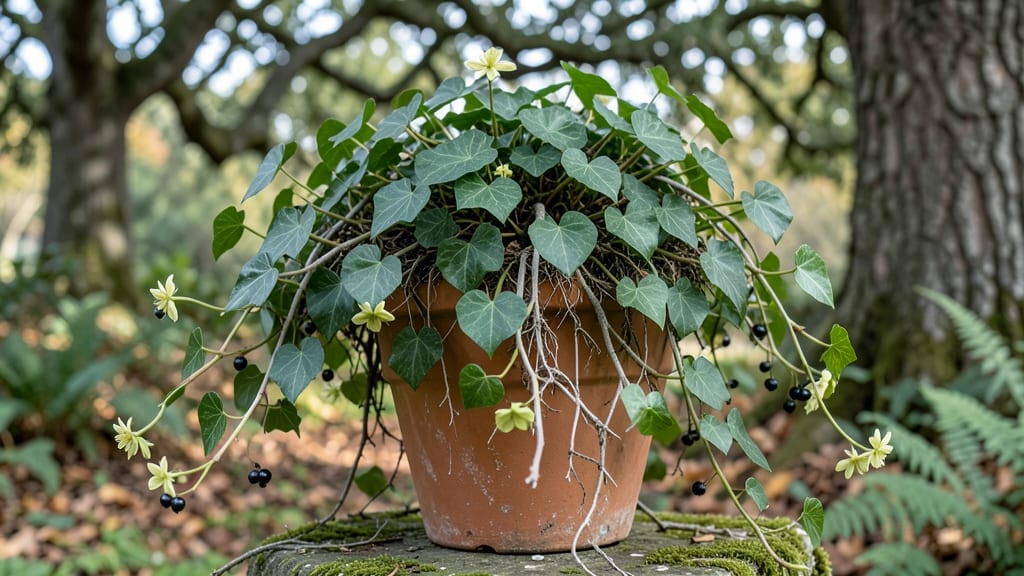
Growing round leaf vine (Tetrastigma voinierianum) feels like unlocking a fast-growing jungle plant for your home—it’s shockingly easy once you know the tricks. 🌿 I’ve turned cuttings into wall-hugging vines in just 4-6 weeks, and they keep growing year-round with the right care.
The secret isn’t fancy soil or expensive tools—it’s matching light, humidity, and pruning to how this vine naturally thrives.
This vine loves bright, indirect light and stays lush with weekly misting or a pebble tray to keep humidity high. Too much direct sun scorches the leaves, while low light slows growth—find that sweet spot, and you’ll see new leaves unfurling faster than you can snap photos.
The soil mix should drain well but stay slightly moist; I use a blend of potting soil and perlite to prevent root rot, which is the #1 killer of these plants.
Pruning isn’t just about shaping—it’s how you encourage dense, bushy growth. Pinch back leggy stems in early spring, and you’ll trigger a flush of fresh leaves within 2-3 weeks. The vines are forgiving, so don’t stress over mistakes; even overwatering won’t kill them if you adjust quickly.
By summer, your walls or trellis will be draped in glossy, round leaves that beg to be touched.
Perfect for beginners, small spaces, or anyone tired of high-maintenance plants. Whether you’re growing it indoors near a window or outdoors in a shady corner, this vine delivers year-round greenery with minimal effort. Let’s get those cuttings rooted!
Root Causes of Leaf Curling
If your round leaf vine (often Hedera helix or similar climbing plants) is struggling with curled, distorted, or misshapen leaves, the issue likely stems from one (or more) of these core problems.
Understanding the why behind the symptoms is the first step to fixing them—before irreversible damage sets in. Below, we break down the most common culprits with science-backed explanations and actionable insights.
Round leaf vines thrive in moderate, stable temperatures—typically between 60–75°F (15–24°C). When exposed to sudden swings—whether heat stress (above 85°F/29°C) or cold shock (below 40°F/4°C)—their leaves curl as a protective response.
- Why it happens: Temperature stress disrupts cell turgor pressure (the water-filled rigidity of leaves). High heat causes stomatal closure to prevent water loss, while cold triggers protein denaturation in cells, leading to deformities.
- Actionable fix:
- Move potted vines indoors or to a shaded patio during extreme heatwaves.
- Use frost cloth or mulch heavily in winter to insulate roots.
- Avoid placing near drafty windows, AC vents, or heaters.
Pro Tip: 🌡️ Monitor humidity too—low humidity + heat = doubled stress. A 50–60% humidity range helps mitigate curling.
Round leaf vines are not drought-tolerant, but they hate soggy roots. Overwatering or compacted, waterlogged soil triggers root rot (Phytophthora or Pythium fungi), which starves leaves of nutrients and oxygen.
- Why it happens:
- Excess water displaces oxygen in soil, suffocating roots and halting nutrient uptake.
- Curling is the plant’s emergency signal to reduce surface area and conserve moisture.
- Actionable fix:
- Check soil moisture with your finger—water only when the top 1–2 inches are dry.
- Repot in well-draining mix (add perlite or orchid bark to regular potting soil).
- Ensure containers have drainage holes and elevate pots to prevent water pooling.
Pro Tip: ⏰ Water in the morning—this gives roots time to absorb moisture before evening heat evaporates it.
Tiny pests like aphids, spider mites, or scale insects inject toxins into leaves while feeding, causing curling as a phytohormonal response (ethylene gas buildup).
- Why it happens:
- Pests pierce cell walls to extract sap, disrupting photosynthesis and nutrient flow.
- Infested leaves often yellow or brown at the edges before curling.
- Actionable fix:
- Isolate the plant and inspect undersides of leaves with a magnifying glass.
- Blast off pests with a strong stream of water or use neem oil spray (1 tsp neem oil + 1 tsp mild soap per quart of water).
- Introduce beneficial insects like ladybugs or lacewings for long-term control.
Pro Tip: 🔍 Check for webbing (spider mites) or sticky residue (aphids)—early detection = easier treatment.
Round leaf vines need a balanced diet of nitrogen (N), phosphorus (P), and potassium (K), plus micronutrients like magnesium and iron. Deficiencies or excess salts (from tap water or fertilizers) throw their growth off balance.
| Symptom | Likely Cause | Solution |
|---|---|---|
| Yellowing between veins + curled leaves | Magnesium deficiency (chlorosis) | Apply Epsom salt (1 tbsp per gallon of water) every 4–6 weeks. |
| Purple-tinged leaves + stunted growth | Phosphorus deficiency or cool soil | Use a balanced fertilizer (10-10-10) in spring/summer. |
| Brown, crispy leaf edges | Potassium deficiency or over-fertilization | Flush soil with water to leach excess salts; add wood ash for potassium. |
Pro Tip: 💡 Test your water—hard water (high in calcium/magnesium) can cause toxicity. Use rainwater or distilled water if needed.
Disturbing roots during repotting or pruning—even accidentally—triggers stress hormones (like abscisic acid) that cause leaves to curl as the plant conserves energy.
- Why it happens:
- Root cells release ethylene gas when damaged, signaling leaves to curl.
- New growth may appear smaller or malformed for weeks.
- Actionable fix:
- Repot only in early spring (active growth phase) and use sterilized soil.
- Avoid pruning more than 1/3 of the plant at once.
- Apply rooting hormone to cuts and keep soil moist (not soggy) for 2 weeks post-transplant.
Pro Tip: ✨ Mist leaves lightly after repotting to reduce transpiration stress.
Quick Fixes for Common Vine Issues
When your round leaf vine starts acting up—whether it’s wilting, dropping leaves, or failing to thrive—don’t panic! Most problems have simple, actionable solutions. Below, we’ve mapped common issues to their fixes, plus prevention tips to keep your vine lush and healthy year-round.
Fix:
- Check the soil moisture 💧—stick your finger 1–2 inches deep. If it’s soggy, your vine is drowning.
- Adjust watering ⏰—water only when the top inch of soil feels dry. Round leaf vines prefer slightly moist (not waterlogged) conditions.
- Flush the soil 🚿—if overwatering is the issue, repot the vine in fresh, well-draining potting mix to prevent root rot.
- Fertilize lightly 🌿—if yellowing is due to nutrient deficiency, use a balanced liquid fertilizer (diluted to half strength) every 4–6 weeks during growing season.
Prevention Tips:
- Use pots with drainage holes to avoid water buildup.
- Water in the morning so excess moisture evaporates by night.
- Avoid letting the vine sit in saucers of standing water.
Fix:
- Move to brighter light 🌞—round leaf vines thrive in bright, indirect sunlight. A south- or east-facing window is ideal.
- Rotate the pot 🌀—turn it weekly so all sides get even light exposure.
- Supplement with grow lights 💡—if natural light is limited, a simple LED grow bulb can boost growth.
- Prune leggy stems ✂️—trim back overgrown vines to encourage bushier, healthier growth.
Prevention Tips:
- Avoid placing your vine in deep shade or behind curtains that block light.
- If using artificial light, keep it 6–12 inches above the plant for 12–14 hours daily.
Fix:
- Increase watering frequency 💦—check soil moisture daily in hot/dry conditions. Brown tips often signal thirst.
- Boost humidity 🌧️—mist the leaves lightly 2–3 times a week or place the pot on a tray of pebbles with water (ensure the pot isn’t sitting in water).
- Trim damaged leaves ✂️—snip off brown tips with clean scissors to prevent spread.
- Adjust your environment 🏡—group plants together or use a humidifier if your home is very dry.
Prevention Tips:
- Group your vine with other plants to create a microclimate with higher humidity.
- Avoid cold drafts or sudden temperature swings, which can stress the plant.
Fix:
- Isolate the plant 🛑—move it away from other plants to prevent spreading pests.
- Wipe leaves with soapy water 🧼—mix 1 tsp mild dish soap with 1 quart of water, then gently scrub leaves with a soft cloth.
- Spray with neem oil 🌿—dilute neem oil (1 tsp per cup of water) and spray on both sides of leaves. Repeat every 5–7 days.
- Introduce beneficial insects 🐞—ladybugs or lacewings can help control aphids naturally.
Prevention Tips:
- Inspect new plants before bringing them home.
- Keep your vine dust-free—wipe leaves occasionally with a damp cloth.
- Avoid over-fertilizing, which attracts pests.
Fix:
- Repot if root bound 🏺—gently remove the vine from its pot and check for roots circling the bottom. If so, repot in a slightly larger container with fresh, well-draining soil.
- Refresh the soil 🌱—if the soil is depleted, mix in compost or a slow-release fertilizer.
- Check drainage 🚪—ensure the pot has drainage holes and the soil isn’t compacted.
Prevention Tips:
- Repot every 1–2 years or when roots outgrow the container.
- Use a high-quality potting mix designed for vines or tropical plants.
Pro Tip: 💡 Most vine problems stem from over- or under-care. Observe your plant daily—wilting, yellowing, or pests are usually early warning signs. Act fast, and your round leaf vine will bounce back beautifully!
Frequently asked questions
Can round leaf vine grow indoors without sunlight?
Round leaf vines need bright, indirect light to thrive indoors—direct sunlight can scorch the leaves. If natural light is limited, supplement with a grow light (LED or fluorescent) placed 6-12 inches above the plant for 12-14 hours daily. Without adequate light, growth slows dramatically, and leaves may become pale or sparse.
How fast does round leaf vine grow, and when will I see new leaves?
With ideal conditions (bright light, humidity, and proper watering), round leaf vine can grow 6-12 inches per month. You’ll typically see new leaves emerging within 2-4 weeks after pruning or repotting. In warmer months, growth accelerates—expect a lush, fuller vine in just 3-4 months!
Is round leaf vine toxic to pets or kids?
Round leaf vine is non-toxic to both pets and humans, making it a safe choice for homes with curious cats, dogs, or small children. However, like any plant, ingesting large amounts may cause mild stomach upset. Always monitor pets around new plants until you’re confident they won’t chew on it.
How do I prune round leaf vine to keep it bushy?
Prune in early spring by cutting back leggy stems to encourage bushier growth. Use clean scissors to trim just above a leaf node (where leaves grow), and never remove more than 1/3 of the plant at once. Pinching back new growth also triggers denser foliage. Regular pruning keeps the vine compact and encourages vibrant new leaves.
Can I grow round leaf vine in water instead of soil?
Yes! Round leaf vine can thrive in water with proper care. Use a clear vase with clean water and change it every 5-7 days. Add a rooting hormone or a pinch of fertilizer to support growth. Over time, roots will develop, and new leaves will emerge—just ensure the water stays fresh and oxygenated.