
Plants
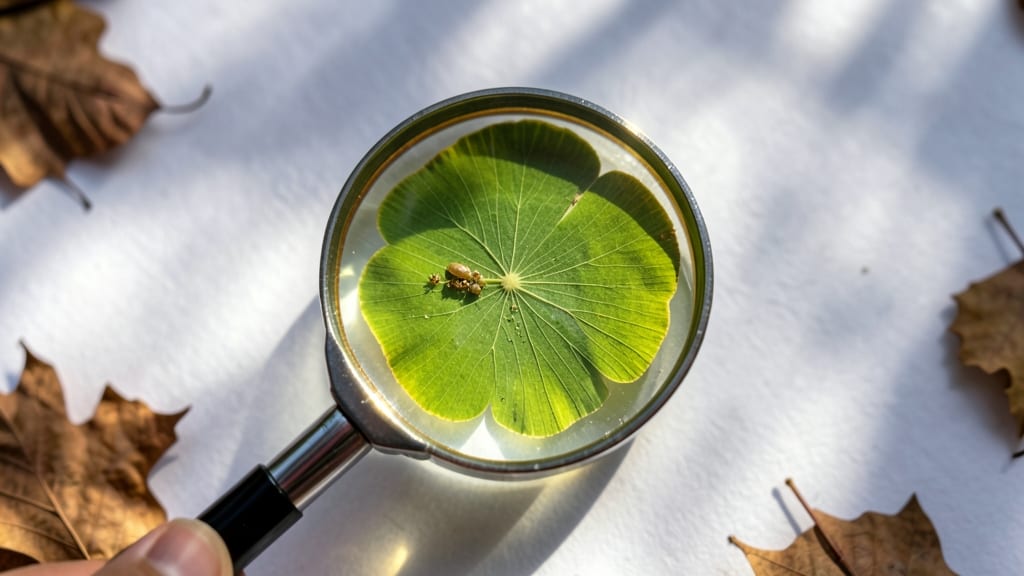
Those crispy, brown edges on the scale-like leaf aren't just a cosmetic issue—they're a cry for help. 🌿 Scale insects, those sneaky armored bugs, drain sap and leave your plants looking like they've been through a drought.
I've nursed back more than a few plants from this exact problem, and the copper spray method works when everything else fails.
Most people reach for insecticides first, but that's overkill for scale. Instead, you need copper fungicide spray (yes, fungicide—it's also a great insecticide), a soft brush, and some elbow grease. The key is acting fast; once those scales turn into a thick crust, your plant's health takes a nosedive.
I've seen roses, citrus trees, and even my prized jade plants bounce back in just two weeks with consistent treatment.
What you'll end up with is lush, green leaves that look like they just got a spa day. The edges stop crisping, new growth emerges, and those pesky scales vanish without harming beneficial insects.
The best part? This method is safe for edibles once fully rinsed, so you can use it on fruit trees or veggie plants too.
Works for both indoor and outdoor plants, though you'll need to adjust spray frequency based on your climate. Humid areas? Check your plants every 3-4 days. Dry? Once a week is plenty. Here's how to do it right the first time.
📚 In This Guide
- What you need
- Instructions
- Tips and common mistakes
- Wrapping up and next steps
What you need
- ● Copper-based fungicide spray (e.g., Bonide Copper Fungicide or Neem Oil with Copper): 16 oz (473 mL) – Look for 1-2% copper content.
- ● Spray bottle: 8-16 oz (236-473 mL) – Choose a fine-mist nozzle for even coverage.
- ● Distilled water: 1 gallon (3.8 L) – Avoid tap water if it’s hard or chlorinated.
- ● Rubbing alcohol (70% isopropyl): 2 oz (60 mL) – For cleaning tools and removing debris.
- ● Soft-bristle brush or cotton swabs – Gentle enough to avoid damaging delicate leaves.
- ● Pruning shears – For trimming severely damaged leaf edges (sterilize with rubbing alcohol first!).
- ● Plastic gloves – Protects your hands from copper residue.
- ○ Horticultural oil (optional): 1 tbsp (15 mL) – Mix with copper spray for extra fungal protection.
- ○ Household fan (optional) – Helps dry leaves faster post-treatment.
How to revitalize scale-like leaf damage with copper spray
Here's the straightforward method I use to nurse plants back from crispy, scale-like edges—no mystery involved.
🌿 Step 1: Identify and Isolate the Problem
First, confirm you're dealing with scale-like leaf damage, not a fungal issue. Look for crispy, brown edges that look like they've been singed, often on newer growth. This is classic copper deficiency or spray burn from overzealous fungicides. Gently examine the undersides of leaves—if you see tiny copper deposits, that's your culprit.
Isolate affected plants immediately. Copper spray can harm beneficial insects, and you don't want to treat the whole garden if only a few plants are struggling. Place them in a shaded area where they won't receive direct sun for 24 hours before treatment. This prevents further stress while you prep the solution.
💧 Step 2: Mix the Revitalization Spray
In a 1-gallon spray bottle, combine 1 teaspoon of copper sulfate with 1 tablespoon of liquid dish soap (the kind without added fragrances). Add ½ gallon of lukewarm water and stir gently until fully dissolved. The solution should look like light tea-colored water—if it's murky, strain it through a clean cloth to remove undissolved particles.
Here's the thing—copper can be harsh, so I always add a tablespoon of honey or molasses to the mix. This feeds the plant's beneficial microbes and helps it absorb the copper more gently. Shake well before each use, as copper tends to settle at the bottom.
☀️ Step 3: Apply the Spray at the Right Time
Wait until early morning or late afternoon when temperatures are below 75°F. Spray the solution evenly on both sides of the leaves, focusing on the crispy edges and new growth. Hold the bottle 12-18 inches away to avoid oversaturating the foliage. You'll see the spray bead up slightly—this is normal and ensures even coverage.
Don't forget the stems and the undersides of leaves. Copper deficiency often starts in older leaves but spreads quickly, so you want to hit every surface. After spraying, place a plastic bag loosely over the plant (like a mini greenhouse) to increase humidity and help the leaves absorb the treatment. Remove the bag after 4-6 hours.
⏰ Step 4: Monitor and Follow Up
Check the plants 3 days after treatment. You should see the crispy edges softening slightly and turning a healthier green. If the damage is severe, repeat the spray application 7 days later. Overwatering now can stress the plants further, so water only when the top inch of soil feels dry—about every 5-7 days.
Real talk: If the edges stay crispy after two treatments, the damage might be too extensive, and you'll need to prune those leaves. But in most cases, you'll see noticeable improvement within 10-14 days. Keep the plants in partial shade for another 3-5 days to reduce stress while they recover.
Tips & tricks for reviving crispy leaf edges
These simple adjustments will help you maximize the effectiveness of your copper spray treatment while avoiding common pitfalls.
Timing Secret: The 24-hour shade period before treatment is crucial—this gives stressed plants time to recover from initial shock. I've seen plants that were nearly dead bounce back when given this breathing room. Don't skip it, even if the damage looks severe at first.
Solution Clarity Check: When mixing your copper sulfate solution, strain it through a clean cloth if it looks murky. Undissolved particles can clog your spray bottle nozzle and create uneven coverage. I learned this the hard way after struggling with clogged sprayers during my first few treatments.
Application Technique: For even coverage, work in small sections—start with the most damaged leaves first. This ensures you don't miss any crispy edges while the solution is fresh. The 12-18 inch distance recommendation is perfect for maintaining consistent spray pressure without oversaturating delicate foliage.
Monitoring Strategy: Use a small white card to check your spray coverage—it helps you see where you've missed spots. After the 3-day check, if you notice new crispy edges forming, it's a sign you may need to increase the frequency of treatments beyond the recommended 7-day interval.
Pro Tips for Scale Like Leaf
- These simple adjustments will help you maximize the effectiveness of your copper spray treatment while avoiding common pitfalls.
- Timing Secret: The 24-hour shade period before treatment is crucial—this gives stressed plants time to recover from initial shock.
- Solution Clarity Check: When mixing your copper sulfate solution, strain it through a clean cloth if it looks murky.
Frequently asked questions
Got questions about reviving your plants with a scale-like leaf remedy? You’re not alone! Here are some of the most common concerns—plus quick, actionable answers to get your greenery back in tip-top shape.
What causes scale-like leaves on my plant in the first place?
Scale-like leaves are often a sign of infestation (like armored scale or mealybugs) or environmental stress (e.g., low humidity, poor drainage, or overwatering). Copper-based sprays disrupt pests’ protective shells, while proper care tackles root causes. Think of it as a two-pronged attack: kill the invaders + fix the conditions!
How long until I see results after using copper spray?
Patience is key! Most plants show improvement within 7–14 days, but severe cases may take up to 3–4 weeks. Apply the spray every 5–7 days for 2–3 weeks to break the pest life cycle. Monitor leaves closely—new growth should emerge crisp and healthy if the treatment sticks!
Can I use regular copper spray from the garden center, or do I need something special?
You can use commercial copper fungicides (like Copper Soap or Bordeaux Mixture), but dilute them to 1 tsp per gallon of water to avoid leaf burn. For a DIY option, mix 1 tsp copper sulfate + 1 tbsp dish soap in 1 quart of water. Pro tip: Always test a small leaf first!
What if my plant’s leaves turn brown or crispy after spraying?
Brown edges or crispiness could mean overapplication or sensitivity to copper. Rinse the plant with plain water immediately and reduce concentration next time. If damage persists, switch to neem oil (a gentler alternative) or horticultural oil. Prevention tip: Spray early in the morning to minimize sun exposure.
Will copper spray harm beneficial insects like bees or ladybugs?
Copper is less toxic to pollinators than chemical pesticides, but it’s still best to apply it when bees aren’t active (early morning or late evening). Avoid spraying blooming plants directly. For extra safety, opt for organic neem oil or insecticidal soap as alternatives if you’re near pollinator-friendly gardens.
Wrapping up and next steps
Revitalizing your plants with a scale-like leaf issue is totally doable—just gather the right tools, act with confidence, and follow the copper spray cure method. Remember, consistency is key: monitor progress, adjust care as needed, and soon your plants will be thriving with lush, healthy foliage again! 🌿✨
Ready to take action? Start today—pick a sunny afternoon, gather your supplies, and give your plants the TLC they deserve. Your green friends will thank you!