
Pests and Diseases
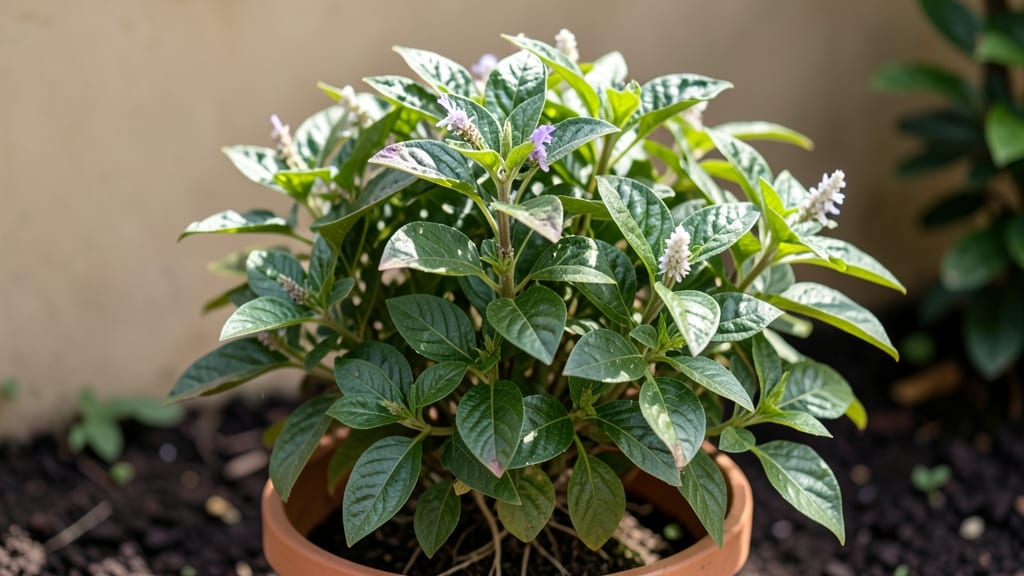
Scent leaf in French is commonly known as laurier rose, though it’s also referred to as bois de rose in some culinary contexts. The botanical name Ocimum basilicum is widely recognized, while regional dialects—especially in West Africa and the Caribbean—call it feuille de géranium or feuille laurier, which differs from bay leaf (laurier).
French culinary terms can be tricky, especially when regional dialects mix in. 🌿 The name laurier rose (rose laurel) is the most common in France, but bois de rose (rosewood) sometimes appears in recipes—though that’s actually a different tree!
In West African and Caribbean French cooking, feuille de géranium (geranium leaf) is the go-to term, reflecting the plant’s widespread use in soups and stews.
The confusion with laurier (bay leaf) happens because both are aromatic leaves, but scent leaf has a brighter, more citrusy flavor that stands out in dishes like sauce gombo or bouillon de poisson.
If you’re shopping in a French market, look for bundles labeled feuilles de laurier rose—they’re often sold fresh or dried near other herbs.
For non-French speakers, the key is visual identification: scent leaf has elongated, slightly serrated leaves with a delicate, almost floral aroma when crushed, unlike the broader, waxier bay leaf.
Substituting bay leaf won’t ruin a dish, but it’ll miss that bright, slightly peppery note that makes scent leaf special. 🌟 Pro tip: If you can’t find it fresh, dried scent leaf works too—just rehydrate it in warm water for 10 minutes before using.
💡 In This Article
- Botanical vs. Culinary French Names for Scent Leaf
- How to Identify and Use Scent Leaf in French Cooking
Botanical vs. culinary French names for scent leaf
The confusion around scent leaf's French names stems from its dual identity as both a botanical and culinary herb. Ocimum basilicum is its scientific name, but in France, it's most commonly called laurier rose ("rose laurel"), reflecting its delicate, slightly floral aroma that resembles rose petals.
This name distinguishes it from true laurel (Laurus nobilis), which is called laurier—a critical distinction since bay leaf has a completely different earthy, piney flavor profile. 🌸
The term bois de rose ("rosewood") occasionally appears in French culinary contexts, but this is botanically incorrect—it actually refers to the Aniba rosaeodora tree, whose wood is prized for its fragrance. The mix-up likely arises because both scent leaf and rosewood share aromatic compounds like linalool, creating a sensory overlap.
In West African and Caribbean French, however, the name feuille de géranium ("geranium leaf") dominates, reflecting the herb's widespread use in regional cuisines like sauce claire or bouillon d'igname. This regional variation shows how culinary migration shapes terminology.
Why does this matter? The linguistic distinctions go beyond semantics—they reflect how the herb is prepared. In France, laurier rose is often used sparingly in soups or fish stews, while in West Africa, feuille de géranium might be the star of hearty one-pot meals where it infuses for hours.
The key difference lies in usage intensity: French recipes treat it as a subtle seasoning, whereas Caribbean dishes often rely on its bold, peppery brightness. This explains why substituting bay leaf (laurier) fails—it lacks the citrusy, slightly minty notes that define scent leaf's character.
Botanically, the confusion persists because Ocimum basilicum (scent leaf) and Ocimum gratissimum (another aromatic herb) share similar leaf structures, leading to mislabeling in markets. The solution?
Look for serrated edges and a bright green hue—scent leaf's leaves are narrower than bay leaf's and emit a distinct citrusy aroma when crushed. In French markets, vendors may bundle it as feuilles de laurier rose, often near basil or thyme, but always verify before purchasing.
Regional dialects play a huge role here. For example, in Réunion Island, the herb is called brède laurier, while in Martinique, it's feuille laurier—both terms avoid the laurier confusion by adding descriptive modifiers. This linguistic evolution shows how culinary traditions adapt names to prevent misidentification.
The lesson? When cooking with French recipes, always cross-reference the herb's appearance with its intended use—laurier rose in a delicate sauce vs. feuille de géranium in a robust stew are two very different experiences.
For non-native speakers, the takeaway is simple: never assume "laurier" means bay leaf. The scent leaf's true French name is laurier rose, but its regional aliases (feuille de géranium, brède laurier) reveal a richer culinary story.
The herb's versatility—from French consommé to Caribbean callaloo—makes understanding these names essential for authentic cooking. 🌿