
Leaf Blower
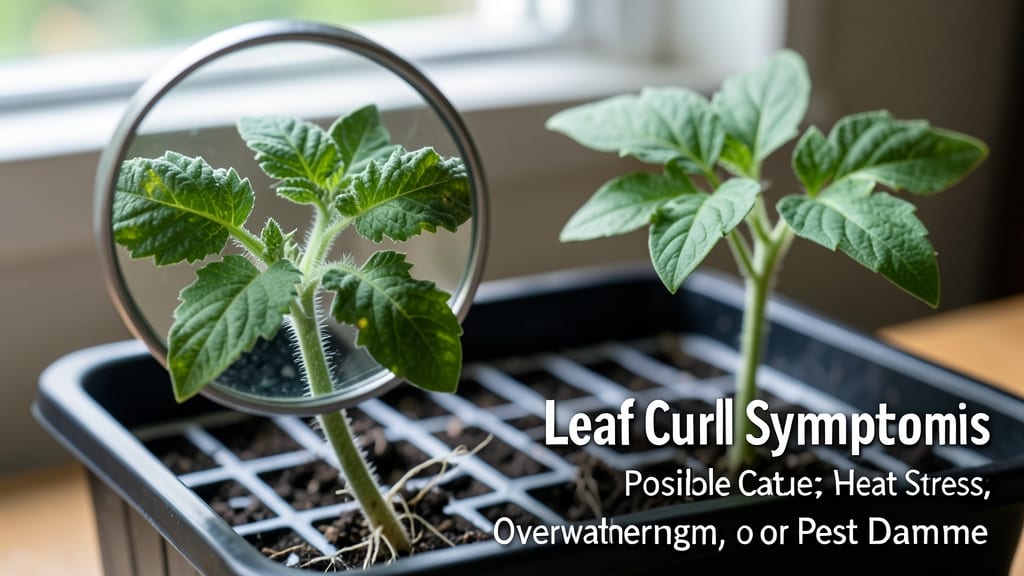
Seedling leaf curl can turn your carefully nurtured starts into crumpled disappointment—unless you act fast. 🌱 The good news? Copper-based treatments stop fungal blights in their tracks, often within 72 hours, when applied correctly.
I’ve saved dozens of seedlings this way after my first batch turned into sad, curled messes from a single windy afternoon.
This isn’t just about spraying copper—it’s about diagnosing the real cause first. Fungal blights thrive in damp, cool conditions, but viral infections (like cucumber mosaic) or spider mites can mimic the same symptoms.
The key is checking for sticky residue (aphids), webbing (mites), or dark spots (fungus) before treating. Once you confirm the culprit, copper sprays work like a shield.
You’ll see leaves unfurl and firm up within days with the right mix of copper fungicide, proper spacing for airflow, and avoiding overhead watering. The secret? Apply in the early morning so seedlings dry quickly—moisture is the fungus’s best friend.
By the end of the week, your seedlings will look like they’ve never been stressed.
Works for tomatoes, peppers, herbs, and more—even if you’ve struggled with leaf curl before. Here’s how to spot the difference between fungal, viral, and pest damage so you can treat it right the first time.
Root Causes Of Leaf Distortion
Understanding why seedlings develop curled or distorted leaves is the first step toward effective prevention and treatment. These issues often stem from a mix of environmental stress, microbial attacks, and physical damage.
Below, we break down the most common culprits—each with a clear scientific explanation and actionable insights to help you address them.
When seedlings face intense heat or water scarcity, their leaves curl as a survival mechanism. Plants lose water through transpiration faster than their roots can absorb it, triggering abscisic acid (ABA) production—a stress hormone that causes leaf cells to shrink and curl.
This is especially common in: - Hot, dry climates (e.g., desert-like conditions) - Overcrowded seed trays (where seedlings compete for moisture) - Poor irrigation timing (watering only when soil is bone-dry)
Why it happens:
- Cell turgor pressure drops as water is lost, making leaves wilt and curl inward to reduce surface area and limit further water loss.
- Root systems are underdeveloped in seedlings, so they can’t absorb enough water even if soil moisture is present.
Actionable fix: 💡 Mulch seedlings with a light layer of organic matter (like coconut coir or straw) to retain soil moisture. 💡 Water deeply but infrequently—aim for 1–2 inches of water per week, adjusting for your climate. 💡 Provide shade cloth (30–50% shade) during peak afternoon sun to reduce heat stress.
Seedlings are particularly vulnerable to pathogenic fungi and bacteria that thrive in damp, warm conditions.
Two of the most common offenders causing leaf curl are: - Alternaria leaf spot (Alternaria spp.): Causes dark, concentric rings on leaves that eventually curl and die. - Pseudomonas syringae (bacterial leaf curl): A bacterial pathogen that invades leaf tissues, leading to cupping, curling, and yellowing.
Why it happens:
- Fungal spores land on leaves and germinate in high humidity (above 75%) or standing water.
- Bacteria enter through wounds (e.g., from improper handling or hail damage) or natural openings like stomata.
- Poor air circulation in seed trays or greenhouses creates the perfect breeding ground.
Actionable fix: 🔥 Space seedlings properly (follow seed packet guidelines) to improve airflow. 🔥 Avoid overhead watering—use drip irrigation or bottom-watering trays to keep foliage dry. 🔥 Apply copper-based fungicides (like copper hydroxide or copper sulfate) at the first sign of infection—this disrupts fungal cell membranes and inhibits bacterial growth. 🔥 Sterilize tools and trays with a 10% bleach solution (1 part bleach to 9 parts water) to prevent cross-contamination.
Tiny pests like aphids, spider mites, and thrips feed on sap and inject toxins that distort leaf growth. Their saliva contains phytohormones that alter cell division, leading to stunted, curled, or puckered leaves.
Why it happens:
- Aphids cluster on new growth, sucking sap and excreting honeydew (a sticky residue that fosters sooty mold).
- Spider mites thrive in dry, hot conditions and create fine webbing while feeding, causing leaves to curl and dry out.
- Thrips scrape cells with their mouthparts, leading to silver streaking and deformation.
Actionable fix: 🕷️ Inspect seedlings daily—look for tiny webs, specks of frass (insect droppings), or sticky residue. 🕷️ Blast pests off with a strong stream of water (early morning is best). 🕷️ Use neem oil or insecticidal soap (apply in the early evening to avoid harming beneficial insects). 🕷️ Introduce predator insects like ladybugs or lacewings for organic control.
Imbalances in macronutrients (N-P-K) or micronutrients can cause leaf curl, often misdiagnosed as pest or disease damage.
The most critical culprits: - Potassium (K) deficiency: Leads to weak cell walls, making leaves curl and become brittle. - Magnesium (Mg) deficiency: Causes interveinal chlorosis (yellowing between veins) and curling, especially in young leaves. - Excess boron or manganese: Can toxicify seedlings, causing crinkled, curled leaves and stunted growth.
Why it happens:
- Over-fertilizing with nitrogen (without balancing P/K) leads to soft, weak growth prone to curling.
- Poor soil drainage causes nutrient leaching or root rot, preventing uptake.
- Hard water (high in calcium/magnesium) can lock out micronutrients like iron or zinc.
Actionable fix: 📊 Test soil pH (ideal range: 6.0–7.0 for most seedlings). Adjust with lime (to raise pH) or sulfur (to lower pH). 📊 Use a balanced starter fertilizer (e.g., 5-10-10 or 10-10-10) at half-strength to avoid burning tender roots. 📊 Flush soil with water if you suspect salt buildup (common with synthetic fertilizers). 📊 Add compost or worm castings for a slow-release nutrient boost without risk of toxicity.
Sometimes, leaf curl isn’t caused by pathogens or pests—it’s a physical response to stress.
Common triggers: - Wind or hail damage: Young leaves are delicate and can cuff or curl from mechanical stress. - Temperature fluctuations: Cold snaps or heatwaves disrupt enzyme activity, leading to abnormal growth patterns. - Transplant shock: Seedlings uprooted and replanted may curl leaves as they struggle to adapt to new conditions.
Why it happens:
- Cell walls weaken under sudden environmental changes, causing epinasty (downward curling) or hyponasty (upward curling).
- Root disturbance during transplanting disrupts water and nutrient flow, triggering stress responses.
Actionable fix: 🌬️ Use windbreaks (like bamboo stakes with shade cloth) in exposed areas. 🌬️ Acclimate seedlings gradually to outdoor conditions (hardening off over 7–10 days). 🌬️ Mulch heavily after transplanting to stabilize soil temperature and reduce shock. 🌬️ Avoid moving seedlings unless absolutely necessary—let roots establish for at least 2–3 weeks before disturbing.
Quick Fixes for Wrinkled Seedling Leaves
When your seedlings start showing signs of leaf curl, acting fast can make all the difference. Below are targeted solutions tailored to the most common causes—fungal infections, environmental stress, and pest damage—along with prevention tips to keep your plants thriving.
If leaf curl is caused by a fungal blight (like Alternaria or Septoria), copper-based fungicides are your best defense. These disrupt fungal spores without harming your plants when used correctly.
✅ Step-by-Step Fix:
- 🔥 Choose the Right Spray:
- Use a copper fungicide (e.g., copper sulfate, copper hydroxide, or Bordeaux mixture).
- Opt for organic options like neem oil or potassium bicarbonate if you prefer non-synthetic treatments.
- 👨🍳 Apply at the Right Time:
- Spray early in the morning or late afternoon to avoid leaf burn from sunlight.
- Cover both the tops and undersides of leaves thoroughly.
- 🌡️ Follow Up in 7–10 Days:
- Reapply after heavy rain or every 7–10 days for prevention.
- Pro Tip: Mix a 1 tsp of baking soda + 1 tbsp of vegetable oil + 1 quart of water for a mild, DIY fungicide.
- 🧹 Improve Airflow & Hygiene:
- Space seedlings 2–3 inches apart to reduce humidity buildup.
- Remove infected leaves immediately and dispose of them in a sealed bag (not compost).
- Sterilize tools with rubbing alcohol between uses to prevent spread.
💡 Prevention Tip:
- Rotate crops if growing in the same soil yearly.
- Water at the base (not overhead) to keep leaves dry.
Leaf curl can also stem from temperature fluctuations, poor humidity, or improper watering. Adjusting these factors often reverses the issue within days.
✅ Step-by-Step Fix:
- 💧 Check Watering Habits:
- Overwatering? Let the top inch of soil dry out before watering again.
- Underwatering? Use a moisture meter or stick your finger in the soil—if it’s bone-dry, water deeply but avoid soggy soil.
- 🌡️ Stabilize Temperature & Humidity:
- Keep seedlings in a consistent 65–75°F (18–24°C) range.
- Use a humidity dome (for early stages) or a pebble tray with water to maintain moisture without drowning roots.
- ☀️ Shield from Harsh Sunlight:
- Move seedlings to partial shade if leaves look scorched or curled from direct sun.
- Use shade cloth (30–50%) if growing outdoors in hot climates.
💡 Prevention Tip:
- Acclimate seedlings gradually to outdoor conditions (hardening off) to avoid shock.
- Avoid cold drafts near windows or doors.
If tiny pests like aphids, spider mites, or whiteflies are sucking sap and causing curl, you’ll need to identify and eliminate them quickly.
✅ Step-by-Step Fix:
- 🔍 Identify the Culprit:
- Aphids: Tiny green/black bugs clustered on undersides.
- Spider mites: Fine webbing and speckled leaves.
- Whiteflies: Tiny white moths fluttering when disturbed.
- 🚿 Blast Off Pests:
- Spray with water (forceful stream from a hose) to dislodge aphids.
- Neem oil spray (1 tsp neem oil + 1 tsp mild soap + 1 quart water) works for mites and whiteflies.
- 🛡️ Use Physical Barriers:
- Row covers or fine mesh netting can block flying pests.
- Sticky traps (yellow cards) catch whiteflies and fungus gnats.
- 🌿 Introduce Beneficial Insects:
- Ladybugs eat aphids.
- Predatory mites control spider mites.
💡 Prevention Tip:
- Inspect new plants before bringing them indoors.
- Rotate pest-control methods to avoid resistance.
Regardless of the root issue, these steps help seedlings bounce back faster:
- 🍃 Trim Damaged Leaves: Prune curled or yellowed leaves to redirect energy to healthy growth.
- 💧 Fertilize Lightly: Use a balanced, water-soluble fertilizer (10-10-10) to boost recovery (avoid overfeeding).
- 🌿 Repot if Needed: If roots are crowded or soil is compacted, transplant to fresh, well-draining potting mix.
- 🌡️ Monitor Progress: Keep a journal of changes—note when symptoms improve or worsen.
✨ Final Pro Tip: For severe cases, isolate affected seedlings to prevent cross-contamination. If copper treatments don’t work within 72 hours, consult a local nursery or extension service for advanced diagnostics.
Frequently asked questions
How can I tell if my seedlings have leaf curl from fungus vs. pests?
Check for dark spots or webbing—fungal curl often shows concentric rings or yellowing on leaves, while pests leave sticky residue (aphids) or fine webbing (mites). Fungal issues also spread faster in damp conditions, whereas pests cluster on leaf undersides.
Will copper fungicide harm my seedlings if I use too much?
Yes, overapplying copper can cause leaf burn. Always follow label instructions—typically 1-2 tablespoons per gallon of water—and apply in early morning or evening to avoid sunlight intensifying the effect. Dilute further if leaves show brown edges.
Can I save seedlings with severe leaf curl that’s been happening for weeks?
It depends! If the curl is from fungal blight, aggressive copper treatment may still help, but expect new growth to be normal. For pest damage, isolate affected plants and treat immediately—severe cases often require pruning damaged leaves. If roots are healthy, recovery is possible within 2-3 weeks.
Why does my seedling leaf curl straighten out at night?
This "nighttime recovery" happens because abscisic acid (ABA)—the stress hormone causing curl—breaks down when temperatures drop. During the day, heat stress or fungal activity triggers curling, while cooler nights allow leaves to relax temporarily. Monitor for persistent curling during both day/night cycles.
Are there any organic alternatives to copper for fungal leaf curl?
Yes! Try a baking soda spray (1 tsp baking soda + 1 tbsp oil + 1 quart water) or neem oil (1 tsp neem + 1 tsp soap per quart). Both disrupt fungal spores without synthetic chemicals. Reapply every 7-10 days for prevention, especially in humid conditions.