
Leaf Blower
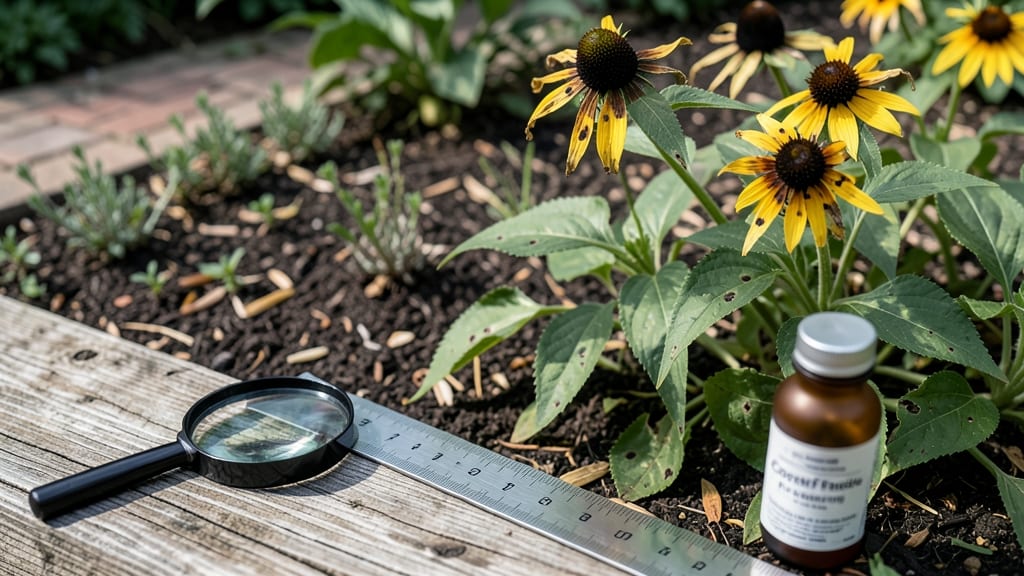
That crispy, brown-edged look on your black-eyed Susans isn't natural—it's septoria leaf spot, and copper spray is your best organic cure. 🌱 I've battled this fungal foe for years, and the key is acting fast before the spots spread like wildfire across your golden blooms.
The disease thrives in crowded gardens with poor airflow, where wet leaves stay damp for days. You'll spot it as tiny dark specks on leaves that grow into larger brown patches with yellow halos—classic septoria symptoms. The good news?
Copper spray stops it in its tracks when applied at the first sign of trouble. With proper timing and a few preventive tweaks—like spacing plants and removing infected foliage—your black-eyed Susans will bounce back with vibrant, disease-free blooms by midsummer.
The crispy edges become a thing of the past, replaced by lush, healthy foliage that keeps flowering all season.
Here's the game-changer: copper spray works because it creates a protective shield on leaves while disrupting the fungus's ability to spread. Apply it in the early morning on a dry day, and repeat every 7-10 days during wet conditions.
Pair this with proper garden sanitation—clean up fallen leaves and debris—and you'll break the disease cycle for good.
The long-term payoff is a garden where black-eyed Susans thrive without constant battling. Your neighbors will wonder how you keep your plants so crisp and vibrant, while you'll be the one with the secret weapon—organic, effective, and simple to use. Let's get those leaves looking fresh again!
Root Causes of Fungal Foliage Foes
Black-eyed Susans (Rudbeckia hirta) are tough, cheerful perennials that brighten gardens with their golden-yellow blooms. But when Septoria leaf spot strikes, those vibrant leaves can turn into a sad, spotted mess.
Understanding why this fungal disease takes hold is the first step to stopping it in its tracks. Let’s break down the key culprits behind this common garden woe.
The Septoria fungus thrives in damp conditions, and black-eyed Susans are especially vulnerable when their leaves stay wet for prolonged periods. Here’s why:
- Fungal Spores Love Moisture: The Septoria pathogen (Septoria rudbeckiae) spreads via airborne spores, but these spores germinate and infect only when leaves remain damp for 12–24 hours. Rain, overhead watering, or morning dew can create the perfect breeding ground.
- Stagnant Air Traps Spores: Dense plantings or crowded gardens restrict airflow, trapping humidity near the foliage. Without proper circulation, spores linger, increasing infection rates.
- Black-Eyed Susans’ Love for Sun: While these plants adore full sun, their broad leaves can overheat and sweat in hot climates, making them more susceptible to fungal stress when moisture follows.
Actionable Fix: Space plants 18–24 inches apart for airflow, water at the base (not overhead), and avoid late-day watering to allow leaves to dry by nightfall.
Black-eyed Susans under stress are like open invitations to fungal invaders. When plants compete for nutrients or struggle with poor soil, their defenses weaken:
- Competition for Resources: Overcrowded plants develop thinner, weaker leaves with less natural resistance to pathogens. The fungus exploits these gaps, latching onto compromised tissue.
- Nutrient Deficiencies: Low nitrogen or phosphorus levels stunt growth, making leaves more prone to mechanical damage (e.g., from wind or hail), which opens doors for Septoria to invade.
- Compacted or Waterlogged Soil: Poor drainage leads to root stress, which indirectly weakens the plant’s immune response. Fungal spores seize the opportunity to colonize.
Actionable Fix:
- Thin out plants to reduce competition (aim for 3–4 plants per square foot).
- Amend soil with compost or aged manure to boost nutrients and drainage.
- Mulch with 2–3 inches of organic mulch (like straw) to retain moisture without suffocating roots.
The Septoria fungus doesn’t just appear—it waits for the perfect weather window. These conditions create ideal breeding grounds:
| Factor | Fungal-Friendly Range | Why It Matters |
|---|---|---|
| Temperature | 60–75°F (15–24°C) | The fungus spores germinate best in this range. Cooler temps (<50°F/10°C) slow it down, while extreme heat (>85°F/30°C) can stress the plant further. |
| Humidity | 70%+ relative humidity | High humidity delays leaf drying, giving spores more time to infect. Foggy mornings or humid summers are peak risk periods. |
| Rainfall | Frequent light rains (0.1–0.5 inches) | Heavy downpours wash away spores, but light, frequent rains keep leaves wet—perfect for infection cycles. |
Actionable Fix:
- Monitor local weather forecasts and water deeply but less often during humid spells.
- Use row covers or shade cloth in high-humidity zones to reduce leaf moisture.
- Avoid planting black-eyed Susans in low-lying or poorly drained areas where humidity naturally lingers.
Fungal diseases like Septoria don’t disappear—they persist. Here’s how old problems fuel new ones:
- Infected Debris: Leaving fallen leaves, stems, or old mulch in the garden over winter allows the fungus to overwinter and reinfect the following season.
- Reused Tools: Pruners, shears, or even gloves contaminated with Septoria spores can unwittingly spread the disease to healthy plants.
- Cyclic Reinfection: If the same spot in your garden gets Septoria year after year, the soil or surrounding plants may harbor latent fungal populations.
Actionable Fix:
- Practice cleanup in fall: Remove and dispose of (not compost) infected plant debris.
- Sanitize tools with 70% isopropyl alcohol or a 10% bleach solution between uses.
- Rotate plantings: Avoid replanting black-eyed Susans in the same spot for 2–3 years to break the fungal cycle.
By addressing these root causes—moisture, stress, weather, and past infections—you’ll disrupt the Septoria fungus’s life cycle and give your black-eyed Susans the fighting chance they deserve. 🌻
Reviving Your Black-Eyed Susans Naturally
If your Black-Eyed Susans are showing signs of septoria leaf spot, don’t panic—there are practical, effective ways to restore their health and prevent further damage. The key is acting quickly and combining cultural fixes, organic treatments, and preventive measures.
Below, we break down solutions by cause, so you can target the root of the problem and bring back those vibrant blooms. 🌸💧
When plants are too close together, moisture lingers, creating the perfect breeding ground for fungal spores. Septoria leaf spot thrives in damp, shaded conditions, so improving airflow is your first line of defense.
🔥 Step-by-Step Fix:
- 🌿 Thin out plants: Remove any dead or heavily infected foliage immediately. Prune back overgrown stems to allow sunlight and air to circulate.
- 📏 Space them out: Ensure your Black-Eyed Susans have at least 12–18 inches of space between each plant. This reduces humidity at the base.
- 🌞 Optimize sunlight: If your garden is naturally shady, consider relocating the plants to a sunnier spot or adding a trellis to elevate them slightly.
💡 Pro Tip: If you’re dealing with an established garden, avoid over-fertilizing with nitrogen—it encourages lush, dense growth that traps moisture. Instead, use a balanced fertilizer (10-10-10) to promote sturdy, airy foliage.
Fungal spores like septoria spread when leaves stay wet for long periods. Adjusting your watering habits can drastically cut down on infections.
🍳 Step-by-Step Fix:
- ⏰ Water early in the day: Aim for morning watering (before 10 AM) so leaves dry out quickly. Avoid evening watering, which leaves foliage damp overnight.
- 💧 Use drip irrigation or soaker hoses: These deliver water at the base of the plant, minimizing leaf contact. If you water overhead, use a rain shield or nozzle to direct the stream downward.
- 🌡️ Check soil moisture: Stick your finger 1–2 inches into the soil before watering. If it’s dry, it’s time to water; if it’s still moist, wait another day.
✨ Extra Tip: If you’ve already spotted fungal issues, consider mulching with straw or pine needles (instead of wood chips, which can retain too much moisture). Keep mulch 2–3 inches away from the stem to prevent rot.
Once septoria leaf spot takes hold, copper fungicides are one of the most effective organic treatments. They disrupt the fungal spores without harming beneficial insects or soil life.
👨🍳 Step-by-Step Fix:
- 🛒 Choose the right product: Look for copper fungicide sprays labeled for ornamental plants (e.g., Copper Soap, Bordeaux Mixture, or Fixed Copper). Follow the label for concentration.
- 🌿 Apply at the first sign of spots: Spray both the tops and undersides of leaves thoroughly. Include the stems and soil around the base for full coverage.
- ⏰ Repeat every 7–14 days: Fungal spores can reinfect, so consistency is key. Apply again after heavy rain or if new spots appear.
- 🌞 Time it right: Spray in the early morning or late afternoon to avoid burning leaves in direct sunlight.
🔥 Caution: Copper can be phytotoxic (harmful to plants) if overused. Never apply when temperatures exceed 85°F (29°C), and avoid spraying if rain is forecasted within 24 hours.
The strongest defense against septoria is a healthy, stress-free plant. Focus on these long-term strategies to keep your Black-Eyed Susans thriving.
🎯 Step-by-Step Fix:
- 💪 Feed with potassium-rich fertilizer: Potassium strengthens cell walls, making plants more resistant to disease. Use a low-nitrogen, high-potassium fertilizer (e.g., 5-10-10) in early spring.
- 🌱 Rotate crops: If you grow Black-Eyed Susans in containers or raised beds, avoid planting them in the same spot year after year. Fungal spores can linger in the soil.
- 🧹 Clean up debris: Remove and dispose of infected leaves (don’t compost them!). Fungal spores can survive in dead plant matter.
- 🐝 Encourage beneficial microbes: Apply compost tea or mycorrhizal fungi to the soil to boost natural defenses. Healthy roots = healthier plants!
💡 Bonus Tip: If you notice septoria recurring, consider planting resistant varieties like ‘Golden Ball’ or ‘Indian Summer’ Black-Eyed Susans, which are less susceptible to fungal diseases.
While copper sprays are organic and effective, some gardeners prefer to avoid all fungicides. If you’re in this camp, focus on:
- ✅ Improved sanitation (removing infected leaves daily).
- ✅ Neem oil sprays (mixed with baking soda) as a preventive measure.
- ✅ Baking soda spray (1 tsp baking soda + 1 quart water + a drop of dish soap) for mild cases.
⚠️ Warning: If more than 50% of leaves are severely infected, the plant may not recover. In this case, remove and destroy it to prevent spreading spores to nearby plants.
Frequently asked questions
What do septoria leaf spots look like on black-eyed Susans?
The first signs are tiny dark brown or black specks on leaves, often with yellow halos around them. As it spreads, these spots grow into larger crispy, brown patches with irregular edges. You may also see black specks (pycnidia) in the center of spots when the disease is active.
Can I still use my black-eyed Susans in arrangements if they have septoria?
Yes, but remove all infected leaves first. The disease won't spread to cut flowers, but the spots may be visible. For the healthiest arrangements, use plants with only minor early-stage spots and avoid heavily damaged foliage.
How often should I apply copper spray for prevention?
For prevention, apply copper spray every 7-14 days during wet seasons (spring and fall). If you're treating an active infection, spray every 7 days until new growth appears. Always apply in the early morning on dry leaves for best results.
Will septoria leaf spot kill my black-eyed Susans?
While it won't kill mature plants, severe infections can reduce flowering and weaken growth. Remove heavily infected plants to prevent spread. Most black-eyed Susans recover fully with proper care and fungicide treatment during the growing season.
Can I use the same copper spray on other garden plants?
Yes, copper fungicides are safe for most ornamental plants when used as directed. However, avoid using it on vegetables at harvest time (wait 21 days before eating homegrown produce). Always check the product label for specific plant compatibility.