
Pests and Diseases
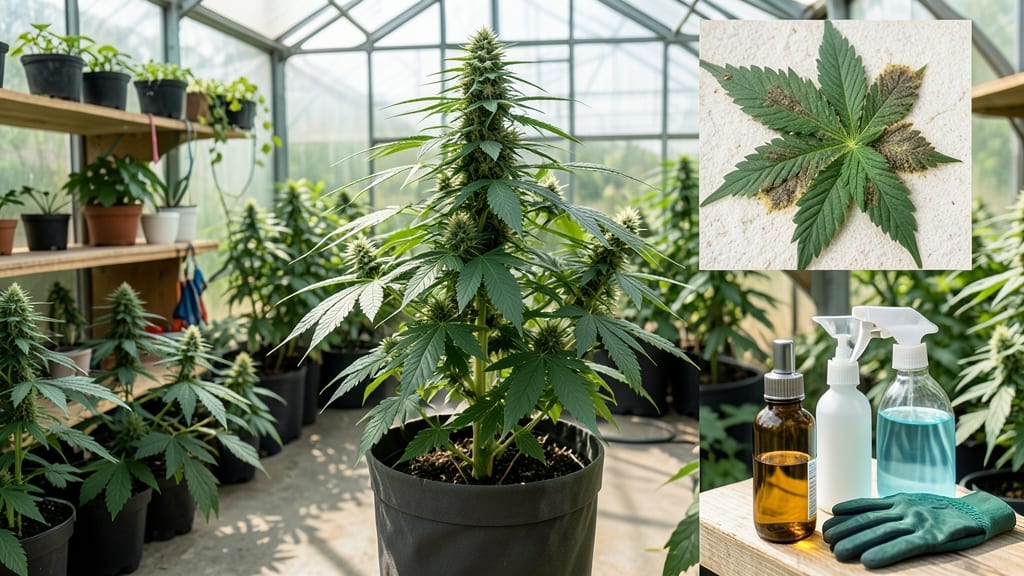
Stopping Septoria leaf spot in cannabis starts with humidity control—lowering levels by 10-15% can halt spread in days. 🌿 I’ve seen this fungal nightmare turn lush plants into skeletal husks, but the fix isn’t complicated: it’s about airflow, sanitation, and timing.
Most growers panic at the first brown spots, but catching it early means you can save your crop with simple adjustments.
The telltale signs are small dark spots with yellow halos that grow into larger lesions, often on lower leaves first. High humidity (above 60%) and poor airflow create the perfect breeding ground—this fungus thrives in damp, stagnant conditions.
My biggest mistake? Ignoring the early signs until the whole plant looked like it had been sprayed with coffee. The key is acting fast before it reaches the fan leaves.
You’ll need a dehumidifier, a fan, and a copper fungicide spray (organic option) to stop the spread. Within 3-5 days, you’ll see new growth pushing through cleaner, and the lesions will stop expanding.
The best part? Once you’ve fixed the environment, resistant strains like White Widow or Blue Dream handle these conditions like champions.
This works for both home growers and commercial setups—just scale the equipment. The difference between a lost harvest and a thriving plant often comes down to catching this early and adjusting humidity before it’s too late. Let’s get your plants back to peak health.
Root Causes of Leaf Spots
When Septoria tritici (the fungus behind septoria leaf spot) invades your cannabis plants, it doesn’t just appear out of thin air—it thrives because of specific conditions.
Understanding these triggers is the first step to stopping the spread. Let’s break down the key factors that turn your garden into a fungal buffet.
The fungus Septoria loves moisture—think of it as a water-loving vampire. When leaves stay damp for extended periods, spores germinate and infect tissues. Here’s why it’s a disaster:
- High humidity (80%+): Ideal for spore germination. If your grow room or greenhouse feels like a sauna, you’re rolling out the welcome mat.
- Poor airflow: Stagnant air traps moisture against leaves, creating the perfect breeding ground. Even a gentle breeze helps evaporate water and reduce risk.
- Overhead irrigation: Watering from above leaves droplets on leaves, which linger until evaporation. Drip systems or bottom-watering are far safer.
Pro Tip: 🌡️ Aim for 40-60% humidity during vegetative stages and 45-55% in flowering. Use fans or dehumidifiers to keep air moving.
Healthy cannabis plants resist infections better, but stress opens the door for Septoria. Common stressors include:
- Nutrient imbalances: Too much nitrogen or phosphorus can weaken cell walls, making leaves more susceptible to fungal entry.
- Temperature swings: Sudden drops below 60°F (15°C) or spikes above 90°F (32°C) shock plants, reducing their ability to fight off pathogens.
- Physical damage: Pruning wounds, hail, or even rough handling create entry points for spores.
Pro Tip: 💪 Monitor EC/PPM levels and maintain stable temps. Avoid over-pruning—use clean, sharp tools to minimize damage.
Fungal spores are sneaky—they hitchhike on tools, soil, and even your hands. Here’s how contamination spreads:
- Dirty pruners/scissors: If you cut infected leaves and reuse tools without sterilizing, spores transfer to healthy plants.
- Reused growing medium: Old soil or compost may harbor dormant spores. Septoria can survive in organic matter for years.
- Water sources: Stagnant water in trays or reservoirs can become spore soup if infected leaves decompose in it.
Pro Tip: ✨ Sterilize tools with 70% isopropyl alcohol between uses. Replace soil if you’ve had outbreaks—pasteurization (heating to 180°F/82°C) kills spores.
Outdoor growers face extra threats from nature’s moisture delivery system:
- Prolonged rain: Leaves stay wet for hours, giving spores time to infect. Septoria spreads faster in cool, wet conditions (50–75°F / 10–24°C).
- Morning dew: If dew lingers until midday, it’s a free moisture boost for the fungus.
- Windborne spores: Infected plant debris from nearby fields can carry spores miles away.
Pro Tip: 🌧️ If growing outdoors, avoid overhead watering and use row covers during rainy seasons. Harvest before heavy downpours hit.
How to Fix Fungal Foliage Fails
When Septoria leaf spot takes hold of your cannabis plants, acting fast is key to saving your harvest—and your sanity. This fungal foe thrives in damp, crowded conditions, but with the right strategies, you can reverse its damage and prevent future outbreaks.
Below, we break down the most effective fixes, tailored to the root causes of the problem.
If your plants are drowning in moisture, Septoria will feast like a hungry caterpillar. The first step? Stop the water flood.
- 🔪 Prune infected leaves immediately—don’t wait for more to spread. Use sterilized scissors (rubbing alcohol works) to snip away any leaves with dark spots, especially near the edges. Dispose of them in a sealed trash bag outside your grow space.
- 💧 Water only when the top 1-2 inches of soil are dry. Stick your finger in the pot—if it’s damp, wait. Use a moisture meter if you’re unsure.
- ⏰ Space out waterings. Morning is best—wet foliage dries faster in sunlight, leaving less time for spores to germinate.
- 🌱 Improve drainage: Ensure pots have drainage holes and use a well-aerated soil mix (60% soil, 30% perlite, 10% coco coir). Raised beds or fabric pots can help excess water escape.
💡 Pro Tip: If your grow room feels like a swamp, increase airflow with a small fan (even a gentle breeze helps). Just don’t blast leaves directly—aim for circulation, not dehydration.
Septoria loves humidity levels above 60%. If your grow space is stuck in a sauna, it’s time to dry things out.
- 🌬️ Drop humidity to 45-55%:
- Use a dehumidifier (even a small one for a tent works). Aim for consistent levels—don’t let it spike at night.
- Add absorbent materials like silica gel packs or a bowl of calcium chloride near plants.
- 🌿 Prune lower leaves to improve airflow—this reduces trapped moisture where spores linger.
- 🔥 Increase ventilation:
- Run an oscillating fan 24/7 (even at low speed) to keep air moving.
- Open vents or doors for 10-15 minutes daily if outdoor conditions are dry.
- 🌞 Optimize lighting: If using LEDs, ensure they’re not too close to leaves (36-48 inches away). Excess heat + humidity = fungal paradise.
✨ Prevention Hack: Place a hygrometer near plants to monitor humidity in real time. Cheap but critical for catching spikes early.
Cramped cannabis = Septoria’s dream come true. Tight spaces trap moisture and spores, turning your garden into a fungal buffet.
- 🌿 Prune for spacing:
- Remove lower branches that touch soil or other plants.
- Space plants 12-18 inches apart (or follow your strain’s mature size guidelines).
- 🧼 Sterilize tools & hands:
- Wipe scissors and pruners with 70% isopropyl alcohol between cuts.
- Wash hands with soapy water before and after handling plants.
- 🚫 Avoid overhead watering: Use a drip irrigation system or water at the base to keep leaves dry.
🎯 Long-Term Fix: If growing indoors, limit plant count. Overcrowding is the #1 way to turn a small outbreak into a full-blown epidemic.
Once Septoria has a foothold, copper-based fungicides or neem oil can help stop its advance. But timing and technique matter.
- 🍄 Organic options (preventative & curative):
- Copper fungicide (Bordeaux mix or copper soap):
- Spray every 7-10 days during humid periods.
- Mix as directed (usually 1 tsp per gallon of water).
- Apply in the early morning so leaves dry quickly.
- Neem oil:
- Mix 1 tsp neem oil + 1 tsp dish soap + 1 quart water.
- Spray weekly as a preventative (it’s not as strong as copper but safer for beneficial insects).
- Baking soda spray (mild preventative):
- 1 tsp baking soda + 1 quart water + 1 tsp oil (to help stick).
- Spray every 2 weeks during high-humidity phases.
- Copper fungicide (Bordeaux mix or copper soap):
- 💊 Chemical fungicides (last resort):
- Products like Chlorothalonil or Propiconazole can stop severe outbreaks.
- Follow label instructions strictly—overuse can harm plants or contaminate buds.
- Use only after organic methods fail and avoid spraying within 21 days of harvest.
🔥 Emergency Move: If Septoria is raging, isolate infected plants in a separate tent with its own dehumidifier until the crisis passes.
Fungal spores can lurk in soil and pots, ready to reinfect. If your plants keep getting sick, it’s time for a full reset.
- 🔄 Replace contaminated soil:
- Dump old soil and sterilize pots with a 10% bleach solution (1 part bleach to 9 parts water), then rinse.
- Use fresh, sterile soil (or a soil-less mix like coco coir + perlite).
Frequently asked questions
What do septoria leaf spots look like on cannabis?
Start with small, dark brown or black spots (about 1-3mm) with yellow halos around them. As they spread, the spots grow larger, develop gray centers with tiny black dots (fungal fruiting bodies), and often appear first on lower leaves. If left untreated, the lesions can merge and cause entire leaves to wither.
Can septoria leaf spot spread to buds?
While it rarely infects buds directly, severe cases can weaken plants enough to reduce yield quality. The real risk is spores contaminating nearby healthy leaves or buds during harvest. Always remove infected foliage before trimming buds to prevent cross-contamination. Use sterilized tools and work in a clean, dry space.
How long does it take to see improvement after treatment?
With proper care (reducing humidity to 45-55%, removing infected leaves, and using fungicides), you should see new growth free of spots within 7-10 days. Existing lesions won't disappear, but they'll stop spreading. For severe cases, it may take 2-3 weeks to fully stabilize the plant. Monitor daily and adjust airflow/humidity as needed.
Are some cannabis strains more resistant to septoria?
Yes! Strains with thicker leaves and better airflow tolerance handle humidity better. Resistant varieties include White Widow, Blue Dream, and Jack Herer. However, no strain is completely immune—proper grow conditions (humidity control, spacing, and sanitation) matter more than genetics. Always combine resistant strains with good airflow practices.
What’s the difference between septoria and powdery mildew?
Septoria causes dark, water-soaked spots with yellow halos, while powdery mildew creates white, powdery coatings on leaves. Septoria thrives in high humidity (60%+) and poor airflow, while powdery mildew prefers dry but humid conditions (40-60%). Both need different treatments—copper fungicides work for septoria, while sulfur or neem oil helps powdery mildew.