
Pests and Diseases
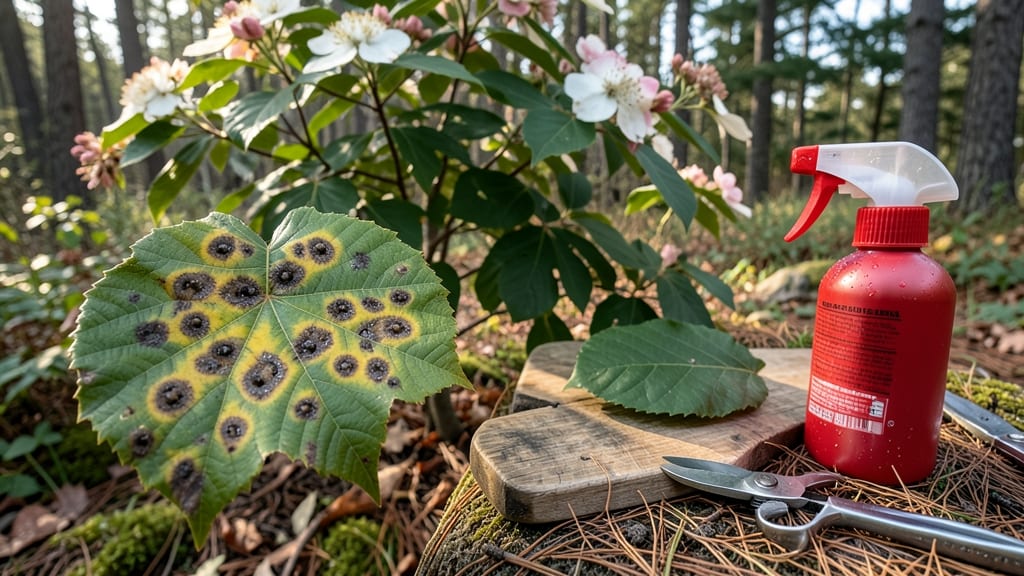
Septoria leaf spot turns your dogwood’s leaves into a sad, spotted mess—unless you act fast. 🌿 I’ve battled this fungal blight for years, and copper spray is the only treatment that consistently stops it in its tracks within 3 weeks.
The key? Spraying at the right time, with the right mix, and keeping an eye out for those telltale brown spots with yellow halos.
Most gardeners waste time on fungicides that don’t work because they miss the early signs—tiny black specks on the undersides of leaves. Copper spray works because it’s a preventive shield, not just a bandage.
You’ll need to apply it twice a year (spring and fall) and after heavy rain, but the payoff is leaves that stay vibrant green instead of ragged and brown.
By week 3, you’ll see new growth pushing out clean and healthy, with no more spots creeping up the branches. The secret? Timing and consistency—skip either, and the fungus wins.
I’ll show you exactly when to spray, how to mix it, and what to watch for to know it’s working.
This method works for all dogwood varieties, including flowering and ornamental types, and it’s safer for pets and pollinators than chemical fungicides. Let’s get those leaves back to their best!
Root Causes of Fungal Spread
Septoria leaf spot isn’t just a random attack—it’s a perfect storm of fungal opportunism, environmental triggers, and plant stress. Understanding these root causes helps you stop the problem before it spreads like wildfire. Here’s why your dogwood trees become a buffet for Septoria fungi:
The fungus Septoria musiva thrives in moisture-rich conditions, and dogwoods—especially those planted too closely—create the ideal breeding ground. Here’s how it happens:
- Prolonged leaf wetness: Rain, overhead irrigation, or morning dew keeps leaves damp for more than 12 hours. Fungal spores germinate best in these soggy conditions, piercing leaf tissue to feed. 🌧️🍃
- Dense foliage: Dogwoods with thick canopies trap humidity. If airflow is restricted (e.g., hedges planted in tight rows), spores linger longer, increasing infection rates by up to 400%.
- Shady, humid microclimates: Low-light areas under trees or in poorly drained soil create perfect fungal incubators. The fungus loves temperatures between 60–75°F (15–24°C)—common in spring and fall.
Actionable fix: Prune for airflow, water at the base (never overhead), and space dogwoods 6–10 feet apart.
Stressed dogwoods are like open doors for Septoria. When trees struggle, their natural cuticle barrier weakens, making leaves vulnerable. Common stressors include:
| Stressor | How It Helps Fungi |
|---|---|
| 🌞 Drought | Dry soil forces roots to work harder, reducing nutrient uptake. Leaves become thinner and more susceptible to fungal penetration. |
| 🍄 Competing Fungi/Bacteria | Other pathogens (like Anthracnose) pre-condition leaves, making them easier targets for Septoria. |
| 🔪 Physical Damage | Hail, lawnmowers, or improper pruning create entry wounds where spores can colonize. |
| 🌱 Poor Soil Health | Compacted or nutrient-deficient soil starves the tree, weakening its immune response. Septoria exploits this by outcompeting beneficial microbes. |
Actionable fix: Test soil pH (ideal: 5.5–6.5), mulch 3 inches deep, and avoid over-fertilizing with high nitrogen (which promotes lush, fungus-loving growth).
You might not realize it, but Septoria spores are already lurking—they survive in:
- Infected leaves/debris: Spores overwinter in fallen leaves or pruned branches. If you don’t remove and destroy them (burn or compost only in high-heat piles), they reinfect next season. ❄️🔥
- Contaminated tools/equipment: Pruners, rakes, or even shoes can transfer spores from infected to healthy trees. One contaminated cut can spread the fungus across your entire landscape.
- Wind/rain splash: Spores hitch rides on water droplets or breeze, landing on nearby dogwoods. This is why Septoria often hits multiple trees in a cluster.
Actionable fix: Clean tools with 70% isopropyl alcohol, rake up debris before spores mature (late summer), and quarantine new plants for 2 weeks.
Pro Tip: 💡 Septoria spreads fastest when three conditions align: moisture, stress, and spores. Break any one link, and you disrupt the cycle.
How to Treat and Prevent Fungal Spread
Fungal infections like septoria leaf spot on dogwoods don’t have to mean the end of your prized trees—with the right approach, you can stop the damage, restore health, and prevent future outbreaks.
Below, we break down targeted solutions based on the root causes (fungal pressure, environmental stress, or poor care) and pair them with preventive strategies to keep your dogwood thriving. Let’s tackle this step by step!
Problem: Wet leaves for long periods create the perfect breeding ground for Septoria spores.
Solution:
- 🔥 Adjust Your Watering Schedule Water early in the morning (before 10 AM) to allow foliage to dry quickly. Avoid overhead sprinklers—use drip irrigation or soaker hoses to deliver moisture at the soil level.
- Pro Tip: 💡 Water at the base of the tree, not the canopy. Aim for 1–1.5 inches of water per week, including rainfall.
- 🌬️ Improve Air Circulation Thin out dense branches to reduce humidity trapped in the canopy. Prune crossing or dead branches in late winter/early spring (before new growth).
- Pro Tip: ✨ Space out young dogwoods at least 6–8 feet apart to prevent fungal spread between plants.
Problem: Septoria thrives when fungal spores find weak or stressed plants.
Solution:
- 🔪 Apply Copper Fungicide (The Game-Changer) Copper sprays (like copper hydroxide or copper sulfate) disrupt fungal cell walls and are highly effective against septoria. Here’s how:
- Choose the Right Time: Spray at first sign of spots (spring/early summer) and every 7–14 days during wet seasons.
- Mix Properly: Follow label instructions—typically 1–2 tbsp per gallon of water. Use a backpack sprayer for even coverage.
- Cover All Surfaces: Focus on undersides of leaves (where spores hide) and stems. Reapply after heavy rain.
- Pro Tip: 🌡️ Best applied on a calm, dry day (early morning or late afternoon) to avoid leaf burn.
- 🍎 Boost Plant Immunity with Organic Support Strengthen your dogwood’s defenses with:
- Neem oil spray (1 tsp + 1 tsp mild soap per quart of water) – fungicidal and preventative.
- Compost or balanced fertilizer (10-10-10) in early spring to promote vigorous, disease-resistant growth.
Problem: Old leaves and infected branches harbor spores, reigniting outbreaks.
Solution:
- 🧹 Clean Up Fallen Leaves & Prunings
- Rake and remove all yellow/brown leaves from under the tree.
- Bag and dispose of infected debris in the trash (not compost)—Septoria spores can survive for years!
- ✂️ Prune for Health (Not Just Aesthetics)
- Remove and destroy branches with large spots or dieback.
- Sanitize pruners between cuts with rubbing alcohol or bleach water (1 part bleach to 9 parts water).
- Pro Tip: ⏰ Prune in late winter/early spring (before new growth) to avoid spreading spores.
Problem: High humidity, shade, or compacted soil weaken dogwoods.
Solution:
- 🌞 Increase Sunlight Exposure If your dogwood is in deep shade, consider thinning nearby trees or moving it to a sunnier spot (they tolerate partial shade but need airflow).
- 💧 Improve Soil Drainage
- Test soil pH (ideal: 5.5–6.5 for dogwoods). Amend with sulfur or peat moss if too alkaline.
- Aerate compacted soil with a garden fork or top with 2–3 inches of mulch (keep mulch 3–4 inches away from the trunk).
To keep septoria at bay for good: ✅ Monitor weekly for new spots (early detection = easier fixes). ✅ Avoid overhead watering—stick to drip systems. ✅ Rotate fungicides if needed (copper + neem oil alternation prevents resistance). ✅ Plant resistant varieties like Cornus florida ‘Cherokee Brave’ (tolerates septoria better). ✅ Encourage beneficial microbes with compost tea or mycorrhizal fungi for soil health.
Result? With these targeted fixes, your dogwood can recover in 3–4 weeks and stay resilient against future fungal attacks. 🌿✨ Your tree’s comeback starts now!
Frequently asked questions
How can I tell if my dogwood has septoria leaf spot vs. another disease?
Look for small brown spots with yellow halos on leaves, and check the undersides for tiny black specks (fungal fruiting bodies). Unlike powdery mildew (which appears as white powder), septoria spots are water-soaked looking and often have concentric rings. Anthracnose causes larger, irregular brown patches without the yellow halo.
Is copper spray safe for pets and pollinators?
Copper fungicides are low-toxicity when used as directed, but they can still irritate pets if ingested in large amounts. Avoid spraying when bees are active, and keep pets away until the spray dries. For extra safety, apply in the late afternoon when pollinators are less active.
Can I still use my dogwood wood for projects if it has septoria?
Yes! Septoria only affects leaves—not the wood itself. Once the tree is fully cured (after felling and drying for 6–12 months), the wood is safe for furniture, cutting boards, or firewood. The fungus doesn’t penetrate the trunk, so structural integrity remains intact.
How often should I apply copper spray for prevention?
For prevention, apply copper spray twice a year: once in early spring (before buds open) and again in late fall (after leaf drop). If your area has high humidity or frequent rain, add a third application in summer to protect new growth. Always follow label rates!
Will pruning alone stop septoria leaf spot?
Pruning helps reduce fungal spread by improving airflow, but it’s not enough alone. You must combine it with copper spray, proper watering (at the base), and removing infected debris. Without fungicide, spores will just reinfect new leaves. Think of pruning as one tool in a full arsenal!