
Plants
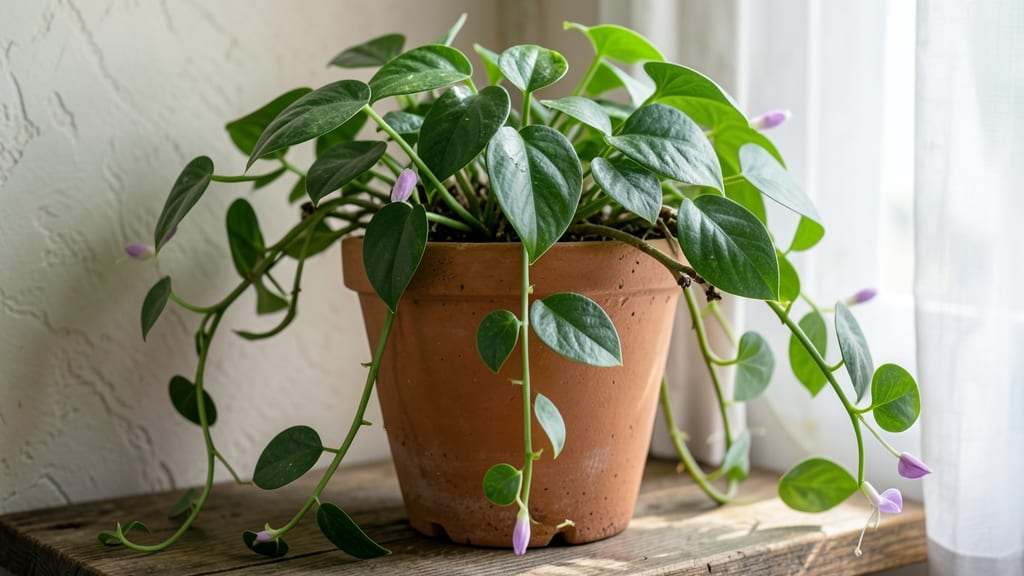
Growing shiny leaf vine (Columnea gloriosa) turns any space into a lush, jewel-toned oasis. 💚 This trailing beauty thrives with minimal fuss—once you master its light-loving nature and moisture balance. The glossy leaves alone make it worth growing, but the cascading habit turns hanging baskets into living art.
Start with well-draining soil and a bright spot near a window (or grow light), since it craves bright, indirect light to maintain those signature shiny leaves. Water when the top inch feels dry, but avoid soggy soil—root rot is the silent killer of these tropical charmers.
Humidity matters too; a pebble tray or occasional misting keeps leaves perky, especially in dry winter air. Prune leggy stems in spring to encourage bushier growth, and propagate with stem cuttings for free plants.
The real magic happens when you watch it spill over edges, creating a velvety green waterfall that lasts year-round with proper care. Even black thumbs can nail this one—it’s shockingly forgiving. Perfect for shelves, balconies, or as a tabletop centerpiece.
Once established, it’s nearly self-sufficient, rewarding patience with vibrant foliage that turns heads without a single bloom in sight.
📚 In This Guide
- What you need
- Instructions
- Tips and common mistakes
- Wrapping up and next steps
What you need
- ● Shiny Leaf Vine Plant: 1 healthy Columnea gloriosa (available at nurseries, online plant shops, or local garden centers).
- ○ Optional: Propagate from cuttings (see tips below!).
- ● Well-Draining Potting Mix: 1 bag (5-10 quarts) of cactus or African violet mix (or DIY: 50% peat moss, 30% perlite, 20% orchid bark).
- ○ Optional: Add a handful of orchid bark chips for extra aeration.
- ● Pot: 1 6-inch hanging basket or terracotta pot with drainage holes (shiny leaf vines thrive in hanging displays!).
- ○ Optional: A self-watering planter for convenience (but ensure it’s well-ventilated).
- ● Tools: 1 pair of sterilized pruning shears (for trimming or propagation).
- ● 1 spray bottle (for misting—these vines love humidity!).
- ○ 1 pH testing kit (optional, to monitor soil acidity—ideal range: 5.5–6.5).
- ● Location: Bright, indirect light (east or north-facing window, or under grow lights for 12–14 hours/day).
- ● ⚠️ Warning: Avoid harsh direct sunlight (can scorch leaves!).
- ● Climate Control: Ideal temperature: 65–75°F (18–24°C).
- ○ Optional: A humidity tray or pebble tray if your home is dry.
- ● Watering Setup: Access to room-temperature, filtered water (tap water can harm leaves over time).
- ● Pro Tip: Use a watering can with a narrow spout to avoid disturbing the soil.
- ○ 1 rooting hormone (optional but speeds up growth).
- ● 1 clear plastic bag (to create a humid microclimate).
- ● 1 small container with moist sphagnum moss (for rooting cuttings).
Step-by-step instructions for cultivating shiny leaf vine
Here's how to coax that signature glossy foliage from your shiny leaf vine—no black thumb required.
🌱 Step 1: Select and Prepare the Right Container
Choose a 6-8 inch wide container with drainage holes—shiny leaf vine hates soggy roots. I use terracotta pots because they breathe and help regulate moisture. Fill the bottom with 1-2 inches of well-draining potting mix (like a cactus mix blended with perlite) to prevent compaction at the root level. This layer ensures excess water drains away immediately.
Next, add a 2-inch layer of fresh potting mix on top. Press it down gently with your fingers until it's firm but not packed—you want it loose enough for roots to penetrate easily. The key here is avoiding garden soil; it compacts in containers and suffocates delicate roots. If you're repotting an established plant, water it thoroughly 24 hours before transplanting to reduce shock.
☀️ Step 2: Position for Bright, Indirect Light
Shiny leaf vine thrives in bright, indirect light—think east-facing window or a few feet back from a south window. Direct midday sun will scorch those glossy leaves, turning them dull and crispy. You'll know the light is right when new growth emerges with a deep, vibrant green hue and the leaves maintain their signature sheen.
If your space is low-light, supplement with a grow light placed 12-18 inches above the plant. Run it for 12-14 hours daily to mimic natural daylight cycles. Rotate the pot quarter-turn weekly so the vine grows evenly toward the light source. Uneven growth (where one side stretches toward the window) is a dead giveaway your plant needs repositioning.
💧 Step 3: Master the Watering Routine
Water when the top 1-2 inches of soil feel dry to the touch. Stick your finger in—if it comes out clean, it's time to water. Overwatering is the #1 killer of shiny leaf vine; the roots rot before the plant shows distress. When watering, soak the soil thoroughly until water runs out the drainage holes, then empty the saucer to prevent sitting water.
Mist the leaves 2-3 times weekly in dry climates to maintain that glossy finish. Use room-temperature water—cold water shocks the plant and can cause leaf drop. In winter, when humidity drops, increase misting to 4-5 times weekly. Watch for brown leaf tips; this is your signal to reduce misting and check for underwatering (or over-fertilizing).
✂️ Step 4: Prune for Bushier, Healthier Growth
Pinch back the tips of new growth when they reach 3-4 inches to encourage bushier, fuller vines. Use clean, sharp scissors to make cuts just above a leaf node—this is where new branches will sprout. Pruning also removes leggy growth and improves airflow, reducing the risk of fungal issues. I prune mine every 4-6 weeks during the growing season to maintain shape and density.
If your vine outgrows its space, trim back overlong stems to half their length. Don't worry—shiny leaf vine is forgiving. After pruning, wipe the leaves with a damp cloth to remove dust, which dulls their natural shine. This is also a great time to propagate cuttings; place them in water with a rooting hormone for faster growth. You'll see new roots form in 2-3 weeks if kept in bright, indirect light.
🪴 Step 5: Fertilize and Repot for Long-Term Health
Feed your shiny leaf vine every 4-6 weeks during spring and summer with a balanced liquid fertilizer (10-10-10 or 20-20-20). Dilute it to half-strength to avoid burning tender roots. In fall and winter, cut back to once every 8-12 weeks—the plant grows slower in cooler months. Always water the soil 1 hour before fertilizing to prevent root burn.
Repot every 2-3 years or when roots circle the pot. Choose a container 2 inches wider than the current one and refresh the soil with a new potting mix. This prevents nutrient depletion and gives roots room to expand. After repotting, place the vine in bright, indirect light and hold off on watering for 3-5 days to reduce stress. You'll notice new growth within 2-4 weeks as a sign it's settled in.
Tips & tricks for cultivating glossy shiny leaf vine
A few key insights will help you transform your vine into a lush, reflective masterpiece. These are the details that make all the difference between ordinary foliage and that coveted high-shine finish.
Container Selection: Terracotta pots aren't just my preference—they're essential. The porous nature helps regulate moisture, preventing both overwatering and dehydration. If you must use plastic, choose one with drainage holes and elevate it on feet to improve airflow. The 2-inch soil layer above the drainage layer is crucial; it creates an air pocket that prevents root rot while still allowing water to escape. I've seen shiny leaf vine roots suffocate in compacted soil, so don't skip this step—it's the foundation for healthy growth.
Light Positioning: That 12-18 inch distance from grow lights isn't arbitrary—it's the sweet spot where your vine gets enough intensity without scorching. If you notice leaves stretching toward the light, you're either too far away or not rotating the plant weekly. I've had to reposition vines that grew lopsided because they leaned toward one window; a simple quarter-turn keeps them balanced. For windowsill placement, east-facing is ideal, but if you're using a south window, move the plant back 3-4 feet to avoid direct midday rays.
Watering Technique: The finger test is your best friend, but there's more to it than just checking moisture. When you water, soak thoroughly until water runs out the drainage holes—this ensures the entire root zone gets hydrated, not just the top layer. After watering, always empty the saucer within 15 minutes to prevent root rot. I've learned this the hard way after losing plants to soggy bottoms. For misting, use a spray bottle with a fine mist setting; coarse droplets can damage delicate leaves and leave water spots that dull the shine.
Pruning and Propagation: When you pinch back growth at 3-4 inches, you're not just shaping the plant—you're encouraging denser foliage. The key is to cut just above a leaf node where new branches will emerge. For propagation, I've found that using rooting hormone cuts the 2-3 week rooting time in half. Place cuttings in water with the hormone, and keep them in bright, indirect light. You'll see tiny white roots forming within 7-10 days if conditions are right—this is your signal to transplant them to soil.
Pro Tips for Shiny Leaf Vine
- A few key insights will help you transform your vine into a lush, reflective masterpiece.
- Container Selection: Terracotta pots aren't just my preference—they're essential.
- Light Positioning: That 12-18 inch distance from grow lights isn't arbitrary—it's the sweet spot where your vine gets enough intensity without scorching.
Frequently asked questions
Got questions about keeping your shiny leaf vine (Columnea gloriosa) thriving?
You’re not alone! Here are answers to the most common queries—from care tips to troubleshooting—so you can enjoy that lush, glossy foliage all year.
Is shiny leaf vine toxic to pets or kids?
The ASPCA confirms shiny leaf vine is non-toxic to cats, dogs, and humans, making it a pet-friendly pick! However, always monitor curious pets—ingestion may cause mild stomach upset in sensitive animals. Place it out of reach if your furry friend is a chewer.
How fast does shiny leaf vine grow, and when will it flower?
This vine grows at a moderate pace—expect 6–12 inches per year with ideal care. Flowers (tiny, tubular, and often red or orange) typically appear in spring to summer, but some varieties bloom intermittently. Pro tip: Prune leggy stems to encourage bushier growth and more blooms!
Why are my shiny leaf vine’s leaves turning yellow or dropping?
Yellowing or dropping leaves usually signal overwatering or root rot. Let the top 1–2 inches of soil dry out between waterings, and ensure the pot has drainage holes. Check for:
Yes! This tropical beauty thrives indoors year-round if you mimic its natural humidity and light needs. Avoid cold drafts (below 60°F) and reduce watering slightly in winter, but no dormancy is required. A grow light helps if natural light is dim. If you’re struggling to locate Columnea gloriosa, try these low-maintenance, glossy-leaved vines:
Can shiny leaf vine survive indoors year-round, or does it need winter dormancy?
What’s a good alternative if shiny leaf vine is hard to find?
All three love bright, indirect light and moderate humidity!
Wrapping up and next steps
Transforming your space with the shiny leaf vine is easier than you think! 🌿 Whether you're a plant enthusiast or a beginner, this vibrant climber thrives with the right care—bright light, balanced watering, and a little patience.
With its stunning foliage and low-maintenance nature, it’s the perfect way to add a touch of elegance to any room or garden.
Ready to grow your own? Start by gathering your supplies, follow the steps, and watch your shiny leaf vine flourish year-round. Your green oasis awaits—happy planting! 🌱