
Shrubs
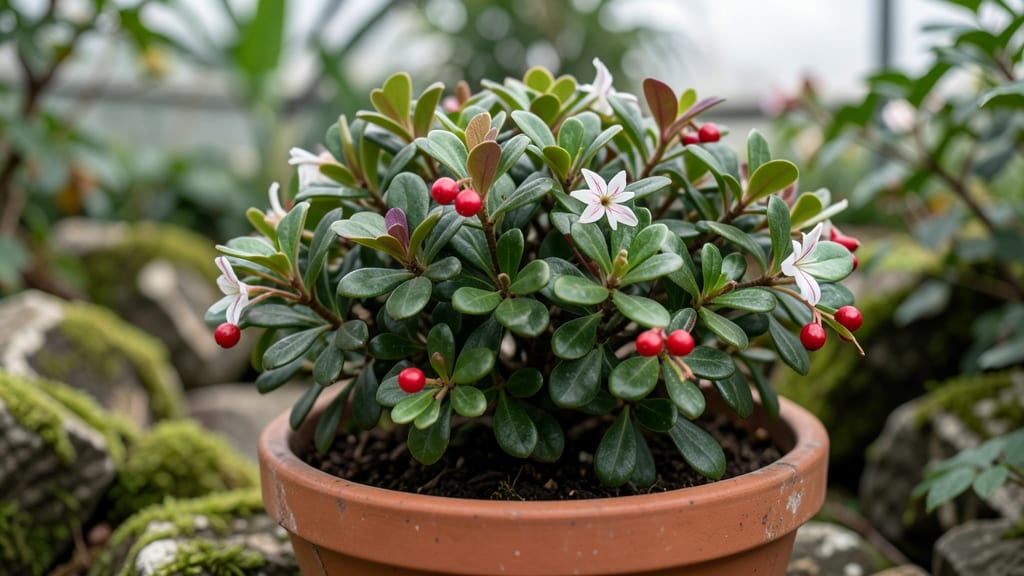
Growing small leaf clusia transforms any shady corner into a lush, evergreen statement plant. 🌿 This shade-lover thrives where most plants struggle, offering glossy leaves that stay vibrant year-round with minimal fuss.
My first clusia planted in a north-facing bed now stands taller than me—proof that patience and the right conditions create something extraordinary. The secret to success starts with soil that drains well but holds moisture—think rich, slightly acidic mix amended with compost.
It tolerates temperatures from 50°F to 90°F, making it adaptable for zones 9-11, though it can handle brief dips into the 30s. Unlike finicky tropicals, this plant forgives occasional neglect, but it rewards consistency with faster growth and deeper green foliage.
With proper care, you’ll see new growth within 6-8 weeks, and those signature small, waxy leaves will create a dense, bushy form. The key is avoiding overwatering—let the top inch dry between waterings—and providing partial to full shade (morning sun at most).
Prune only to shape, as it rarely needs heavy trimming. Troubleshooting is straightforward: yellow leaves usually mean overwatering, while slow growth often points to poor drainage. Once established, clusia handles pests like a champ, though mealybugs can occasionally appear. The payoff?
A low-maintenance evergreen that outshines fussy alternatives in shady spots.
📚 In This Guide
- What you need
- Instructions
- Tips and common mistakes
- Wrapping up and next steps
What you need
- ● Small leaf Clusia plant: 1 mature nursery-grown plant (3–6 inches tall) or
- ● Seeds (fresh or stored; germination rates vary—opt for 20–30 seeds for better success).
- ● Well-draining potting mix: 1 bag (5–10 gallons) of peat-based or coconut coir mix (amend with 20% perlite/pumice for aeration).
- ○ Optional: Add 1 cup of orchid bark for chunkiness (improves drainage).
- ● Container or garden bed: For potted plants: 1–2 1-gallon containers with drainage holes (terracotta or plastic).
- ● For outdoor planting: A partial-shade to full-shade spot with loose, humus-rich soil (amend with compost if needed).
- ● Gloves (gardening or nitrile for seed handling).
- ● Trowel or small shovel (for transplanting).
- ● Spray bottle (for misting seeds/seedlings).
- ○ Humidity dome or plastic wrap (optional, for seed-starting).
- ○ pH meter or test kit (optional; ideal soil pH: 5.5–6.5).
- ● Mulch (2–3 inches of shredded bark or pine needles to retain moisture).
- ● Climate: Thrives in USDA Zones 10–12 (or as a houseplant in cooler zones).
- ● Light: Bright, indirect light (avoid harsh sun; tolerates low light but may grow leggy).
- ● Water: Keep soil consistently moist but not soggy (drought-tolerant once established).
- ● Fertilizer: Balanced liquid fertilizer (10-10-10 or 20-20-20) diluted to ½ strength every 4–6 weeks in growing season.
Step-by-step instructions for cultivating small leaf clusia
Here's how to nurture this elegant, low-maintenance perennial into a lush, year-round focal point.
🌱 Step 1: Select and Prepare the Perfect Planting Site
Small leaf clusia thrives in partial to full shade, making it ideal for understory plantings or woodland gardens. Choose a location with dappled sunlight—at least 4-6 hours of indirect light daily—to maintain those signature glossy leaves. Avoid harsh afternoon sun, which can scorch the delicate foliage.
Test the soil pH before planting; clusia prefers slightly acidic to neutral soil (pH 5.5-6.8). Amend heavy clay with 2-3 inches of organic matter (like compost or leaf mold) to improve drainage while retaining moisture. The plant tolerates a range of soil types but performs best in well-draining, humus-rich loam. Here's the thing—if your soil drains poorly, add a 1-inch layer of perlite or coarse sand to the planting hole to prevent root rot.
🪴 Step 2: Plant at the Right Depth and Spacing
Dig a hole twice as wide as the root ball but only as deep as the container’s base. This prevents burying the stem, which can lead to stem rot. Gently remove the plant from its container and loosen any circling roots with your fingers—this encourages outward growth. Place the clusia in the hole so the top of the root ball sits flush with the surrounding soil level. You'll notice the stems are slightly woody at the base; this is normal and helps anchor the plant.
Space plants 3-4 feet apart to allow for mature growth while maintaining airflow. Small leaf clusia has a slow, spreading habit, so crowding leads to competition for light and nutrients. Backfill the hole with the native soil you removed, pressing lightly around the base to eliminate air pockets. Water deeply immediately after planting to settle the soil and encourage root contact.
☀️ Step 3: Establish a Consistent Watering Routine
Water newly planted clusia twice weekly for the first 4-6 weeks to encourage root establishment. Aim for 1 inch of water per week, delivered either through rainfall or irrigation. You'll see the soil surface dry slightly between waterings—that’s your cue it’s time to hydrate again. Once established, clusia becomes drought-tolerant, but the glossy leaves will dull if left too dry for extended periods.
Apply 2-3 inches of mulch around the base (keeping it 2 inches away from the stem) to retain moisture and regulate soil temperature. Use wood chips or shredded bark—they break down slowly and improve soil structure over time. Avoid thick mulch layers, which can suffocate roots and promote fungal growth. Real talk: Over-mulching is a common mistake that stunts growth, so keep it light and fluffy.
✂️ Step 4: Prune for Shape and Health
Small leaf clusia requires minimal pruning, but light shaping in late winter or early spring keeps the plant compact and encourages bushier growth. Remove any dead, damaged, or crossing branches at the base of the stem using clean, sharp pruners. Sterilize your tools with rubbing alcohol between cuts to prevent disease transmission. You’ll notice new growth emerging from the leaf axils—this is where the plant naturally branches.
If the plant becomes leggy or overly tall, you can cut back up to one-third of the oldest stems to rejuvenate it. Avoid heavy pruning in fall, as new growth won’t have time to harden off before winter. The goal is to maintain a balanced, rounded shape while preserving the plant’s natural elegance. Here’s the trick: Prune just after flowering (if applicable) to encourage a fresh flush of foliage for the next season.
🌿 Step 5: Monitor for Pests and Adjust Care Seasonally
Small leaf clusia is relatively pest-resistant, but scale insects and aphids may occasionally appear on new growth. Inspect leaves regularly for sticky residue (honeydew) or white, cottony clusters—these are red flags. Treat infestations early with neem oil or insecticidal soap, applying in the early morning or late evening to avoid harming beneficial insects. You’ll see improvement within 7-10 days of consistent treatment.
In winter, reduce watering to once every 2-3 weeks unless temperatures drop below 20°F, at which point the plant may need light winter protection (like a thick layer of mulch or burlap wrap). In summer, increase humidity around the plant by misting leaves occasionally or placing the pot on a tray of pebbles and water (ensure the pot sits above the waterline). This mimics the plant’s natural understory habitat and keeps those leaves vibrant.
Tips & tricks for perfect small leaf clusia cultivation
Took me years of trial and error to master these tricks—now you can skip the guesswork and grow vibrant clusia from day one.
Lighting Secret: That 4-6 hours of dappled sunlight is non-negotiable for maintaining those signature glossy leaves. I learned this the hard way when my first batch turned dull and leathery after getting too much direct afternoon sun. If your garden gets intense afternoon rays, consider planting near a northern-facing wall or under a tall deciduous tree that provides natural shade during peak sun hours. The key is that indirect light—think of it as sunlight filtered through a canopy.
Soil Prep Strategy: The 2-3 inches of organic matter you're adding isn't just about drainage—it's about creating a sponge-like environment that holds moisture while allowing excess to escape. Confession: I skipped this step for years and wondered why my clusia struggled during dry spells. Pro tip: Mix in a handful of worm castings with your compost—they contain beneficial microbes that help roots absorb nutrients more efficiently. This makes all the difference in establishing strong root systems during those critical first 4-6 weeks.
Pruning Precision: When you're doing that light shaping in late winter, focus on removing branches that cross or grow inward. I noticed my plants developed a more natural, bushy shape after I stopped being too aggressive with my pruners. The goal is to maintain that balanced form while encouraging new growth from the leaf axils. Here's what nobody tells you—cut just above a leaf node where you want new growth to emerge, and always use clean, sharp tools to prevent tearing the bark.
Winter Protection: That 20°F threshold is crucial for winter care. When temperatures drop below this, your clusia needs that extra protection. I've found wrapping the base with burlap (not plastic!) and adding an extra 2-3 inches of mulch creates a microclimate that protects roots while allowing airflow. The trick is to remove this protection once daytime temperatures consistently stay above freezing—usually around late March in most climates.
Pro Tips for Small Leaf Clusia
- Took me years of trial and error to master these tricks—now you can skip the guesswork and grow vibrant clusia from day one.
- Lighting Secret: That 4-6 hours of dappled sunlight is non-negotiable for maintaining those signature glossy leaves.
- Soil Prep Strategy: The 2-3 inches of organic matter you're adding isn't just about drainage—it's about creating a sponge-like environment that holds moisture while allowing excess to escape.
Frequently asked questions
Got questions about growing Small Leaf Clusia? You’re not alone!
This glossy, shade-loving shrub is stunning but has some quirks. Here are answers to the most common queries to help you nurture your plant like a pro.
How fast does Small Leaf Clusia grow, and how big will it get?
Small Leaf Clusia grows at a moderate pace—expect about 6–12 inches per year under ideal conditions. Mature plants typically reach 3–6 feet tall and wide, making them perfect for hedges, borders, or container gardens. Patience is key, though; it’s a slow but steady grower!
Does Small Leaf Clusia need a lot of water, and how often should I water it?
This shrub is drought-tolerant once established but thrives with consistent moisture while young. Water deeply 1–2 times per week during dry spells, ensuring the soil stays evenly damp but not soggy. Overwatering can lead to root rot, so prioritize well-draining soil.
Can Small Leaf Clusia survive full sun, or does it really need shade?
While it tolerates partial sun (especially in cooler climates), Small Leaf Clusia prefers bright, indirect light or dappled shade. Direct, harsh sun can scorch its delicate leaves, especially in hot afternoons. If growing in full sun, provide afternoon shade or mulch to retain moisture.
What pests or diseases should I watch out for, and how do I treat them?
This plant is pest-resistant, but watch for scale insects or spider mites in dry conditions. Treat infestations with neem oil or insecticidal soap. Fungal issues like powdery mildew can occur in humid, poorly ventilated spots—ensure good airflow and avoid overhead watering.
Is Small Leaf Clusia cold-hardy, and how do I protect it in winter?
Small Leaf Clusia is tender in cold climates (USDA zones 10–12). In colder areas, grow it in containers for easy winter relocation or mulch heavily around the base. If frost threatens, move potted plants to a sheltered, unheated garage or greenhouse until spring.
Can I propagate Small Leaf Clusia from cuttings, and how?
Yes! Stem cuttings are the easiest way to propagate. Take 4–6 inch tips in spring/summer, dip in rooting hormone, and plant in moist, well-draining soil. Keep humid (use a plastic bag) and warm until roots form (4–6 weeks). Avoid overwatering—let the soil dry slightly between waterings.
Wrapping up and next steps
Growing small leaf Clusia is a rewarding journey for any plant enthusiast—its lush, evergreen foliage and low-maintenance nature make it a standout shade-loving shrub.
Whether you’re a beginner or a seasoned gardener, this tropical beauty thrives with minimal fuss, adding year-round greenery and a touch of exotic charm to your space. 🌿
Ready to bring its vibrant energy into your garden? Start by gathering your supplies, choosing the perfect spot, and following the care tips shared here. With patience and a little love, your Clusia will flourish into a stunning, long-lived centerpiece—so roll up your sleeves and get planting! 🌱✨