
Shrubs
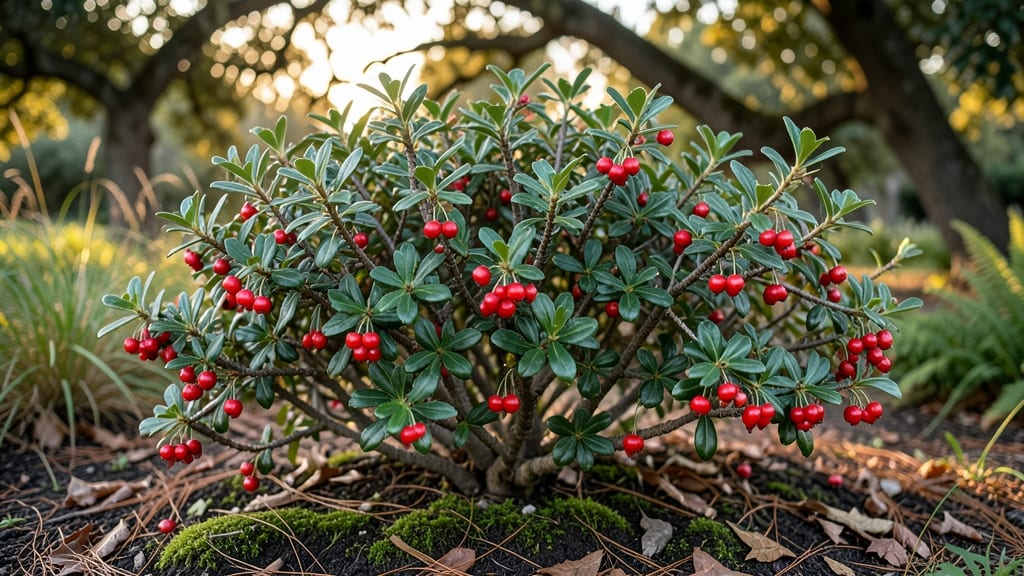
Your garden just got a bold new star with these small red leaf bushes that steal the show all year. 🌿 I fell for them when I needed a low-maintenance shrub that would add dramatic color without the fuss—these plants deliver vibrant burgundy foliage, winter interest, and often berries too.
They’re perfect for borders, hedges, or even containers on patios, and they thrive in zones 5-8 with minimal care.
The best part? They’re versatile—plant them as a striking focal point, line a walkway, or use them to frame entryways. Cotoneaster and Skimmia handle shade and sun, while Pieris and Ilex crenata offer evergreen options for year-round structure.
Their compact size (3-6 feet tall) makes them ideal for small spaces, and many varieties produce clusters of red or white berries that birds adore.
Imagine your garden in fall, when leaves blaze red, or in winter, when their deep hues stand out against snow. These shrubs also play well with others: pair them with hostas for contrast, or add ferns for texture.
They’re drought-tolerant once established and rarely need pruning—just a light trim to shape them if needed.
Whether you’re refreshing a tired border or adding a pop of color to a shady corner, these shrubs are a game-changer. They’re adaptable, long-lived, and—once you see them in person—impossible to resist. Here’s how to choose and care for the perfect one for your space.
📚 In This Guide
- What you need
- Instructions
- Tips and common mistakes
- Wrapping up and next steps
What you need
- ● Small red leaf bushes: Choose 3–5 mature plants (18–36 inches tall) for full coverage. Varieties like Cotoneaster, Ilex verticillata ‘Cimarron,’ or Berberis thunbergii ‘Crimson Pygmy’ are perfect picks!
- ● High-quality potting soil: 2–3 bags (1 cubic foot each) of well-draining, organic soil mix (e.g., Miracle-Gro Garden Soil or Espoma Organic Potting Mix).
- ● Mulch: 1–2 bags (2 cubic feet) of shredded bark or pine straw to retain moisture and suppress weeds.
- ● Fertilizer: Slow-release granular fertilizer (10-10-10 ratio) or organic options like fish emulsion or composted manure.
- ● Garden trowel or spade: For digging holes (6–8 inches deep and wide).
- ● Pruning shears: Sharp, bypass-style shears for trimming (e.g., Fiskars Ergo).
- ● Garden hose or watering can: With a fine nozzle for gentle watering.
- ● Gloves: Heavy-duty work gloves to protect your hands.
- ○ Measuring tape: Optional but helpful for spacing plants 3–5 feet apart.
- ● A sunny to partially shaded spot (6+ hours of sunlight for optimal red foliage).
- ● Well-draining soil (amend clay soil with compost or perlite if needed).
- ● Access to water (drip irrigation or a soaker hose is ideal for consistency).
- ● Patience! These bushes thrive with minimal fuss but reward you with year-round drama.
How to plant and care for stunning small red leaf bushes
These vibrant, low-maintenance shrubs bring bold color year-round. Here’s how to plant and nurture them for maximum impact.
🌱 Step 1: Choose the Perfect Planting Spot
Small red leaf bushes thrive in partial shade to full sun, but their leaves stay deepest red when they get morning sun and afternoon shade—especially in hot climates. I always scout the area first: look for spots where leaves stay moist longer, like near a foundation or under a tree’s dappled shade. Avoid low spots where water pools, as soggy roots lead to root rot.
These shrubs handle a range of soil types but prefer well-draining, slightly acidic soil (pH 5.0–6.5). If your soil is heavy clay, mix in 2–3 inches of compost before planting to improve drainage. I like to test soil pH with a simple kit—if it’s too alkaline, a handful of sulfur worked into the planting hole helps acidify it naturally.
🪴 Step 2: Dig and Plant for Long-Term Health
Dig a hole twice as wide as the root ball but only as deep—planting too deep suffocates the roots. Gently loosen the roots if they’re circling tightly in the container, then place the bush in the hole so the top of the root ball sits level with the surrounding soil. This prevents water from pooling around the stem, which causes rot.
Backfill with native soil mixed with compost (about 1 part compost to 3 parts soil). Press firmly around the base to remove air pockets, then water deeply to settle everything. I like to add a 2-inch layer of mulch (like pine bark or shredded leaves) around the base, keeping it 3 inches away from the stem to prevent moisture buildup.
☀️ Step 3: Water and Feed for Vibrant Foliage
Water deeply once a week for the first month, then taper to every 10–14 days once established—these shrubs are drought-tolerant but look best with consistent moisture. You’ll know it’s time to water when the top inch of soil feels dry. Overwatering is the biggest mistake; yellowing leaves often signal too much moisture or poor drainage.
Feed with a balanced, slow-release fertilizer (10-10-10) in early spring and again in midsummer. I skip fall feeding—these shrubs store enough nutrients to handle winter. For extra color, a low-nitrogen, high-phosphorus fertilizer (like 5-10-10) in late summer boosts red leaf intensity before winter.
✂️ Step 4: Prune for Shape and Health
Prune in late winter or early spring before new growth starts. Remove dead, crossing, or weak branches first, then shape by cutting just above a leaf bud or lateral branch. I avoid heavy pruning—these shrubs handle light trims better than drastic cuts. For a fuller look, pinch back new growth by ⅓ in early summer to encourage bushiness.
Watch for leaf spot or powdery mildew—common in humid climates. If you spot issues, prune affected leaves immediately and improve airflow by thinning dense areas. These shrubs are tough, but a little preventive care keeps them looking sharp year-round.
⏰ Step 5: Protect in Winter (If Needed)
Most small red leaf bushes handle winter well, but young plants or harsh winters may need help. In Zone 5 or colder, wrap the base with burlap or frost cloth to shield from freezing winds. I also add a 3-inch layer of mulch in late fall to insulate roots—remove it in early spring once new growth appears.
If leaves brown in winter, don’t panic—it’s normal! New growth in spring will be fresh and vibrant. Just avoid pruning until you see new green shoots, usually in late March or April. These shrubs reward patience with year-round drama—minimal effort, maximum impact.
Tips & tricks for perfect small red leaf bushes
These vibrant shrubs are easier to grow than you think—once you know the little secrets that make all the difference.
Lighting Strategy: That morning sun and afternoon shade setup is non-negotiable for the deepest red foliage. I’ve seen bushes in full sun turn more purple than red—it’s the light intensity that matters. If you’re in a hot climate, consider a sheer curtain for afternoon shade rather than dense shade plants, which can compete for nutrients. Think of it like giving your shrubs a gentle tan rather than a sunburn!
Soil Prep Secret: Don’t just grab any compost—look for well-aged, leaf-based compost rather than fresh manure. Fresh compost can burn roots and throw off the pH balance we’re aiming for (5.0–6.5). I like to mix in a handful of peat moss too—it helps maintain that slightly acidic environment these bushes love without overworking the soil.
Planting Depth: That "top of root ball level with soil" rule is crucial—planting too deep suffocates the roots while planting too shallow exposes them. I always make a small mound of soil in the hole first, then place the bush on top before backfilling. This gives me a visual reference to ensure perfect leveling. A quick trick: Use a level tool or even a straight stick to check before backfilling.
Winter Protection: That 3-inch mulch layer in Zone 5+ is your best friend, but don’t let it touch the stem. I’ve seen too many cases where thick mulch piled against the trunk caused rot. Instead, create a donut shape with mulch—3 inches deep but 3 inches away from the stem. This insulation works wonders while keeping the center dry.
Pro Tips for Small Red Leaf Bushes
- These vibrant shrubs are easier to grow than you think—once you know the little secrets that make all the difference.
- Lighting Strategy: That morning sun and afternoon shade setup is non-negotiable for the deepest red foliage.
- Soil Prep Secret: Don’t just grab any compost—look for well-aged, leaf-based compost rather than fresh manure.
Frequently asked questions
Got questions about keeping your small red leaf bushes thriving? You’re not alone! Here are answers to the most common queries—from planting to pruning and everything in between.
What’s the best time of year to plant small red leaf bushes?
Plant them in early spring or fall when temperatures are mild. This gives roots time to establish before extreme heat or cold. Avoid planting in summer—drought stress can stunt growth. If you’re in a warm climate, opt for fall planting to leverage winter rains.
Do small red leaf bushes need full sun?
They thrive in full sun (6+ hours/day), but can tolerate partial shade (4–6 hours) in hotter climates. Too much shade dulls their vibrant red foliage. If leaves fade to green, move them to a sunnier spot. Morning sun + afternoon shade works well in intense heat zones.
How and when should I prune my red leaf bush?
Prune in late winter or early spring before new growth starts. Cut back 1/3 of the oldest stems to encourage fresh, vibrant foliage. Avoid heavy pruning in fall—it reduces winter hardiness. Use clean, sharp shears and sterilize tools to prevent disease. Never prune into bare wood—this kills the bush.
Why are the leaves turning brown or yellow?
Brown/yellow leaves usually signal overwatering, underwatering, or pests. Check soil moisture—it should be evenly moist but not soggy. Spider mites or aphids also cause browning. Spray with neem oil or insecticidal soap if pests are present. Fungal issues? Improve airflow and avoid wetting foliage.
Are there drought-tolerant alternatives to red leaf bushes?
Yes! Try Dwarf Fountain Cotoneaster (red berries + glossy leaves) or Fire Pot Shrub (deep red foliage, low water needs). Heuchera (coral bells) and Dwarf Ninebark also handle dry spells well. Just ensure they get well-draining soil to prevent root rot.
Do small red leaf bushes attract pollinators or wildlife?
They’re pollinator-friendly (bees love the flowers) and provide winter food for birds with their berries. Deer usually avoid them, but protect young plants with fencing if local deer populations are high. Their dense growth also offers shelter for beneficial insects.
Wrapping up and next steps
Small red leaf bushes bring a vibrant pop of color to any garden, offering year-round beauty with minimal fuss.
Whether you're drawn to their striking foliage, low-maintenance nature, or wildlife-friendly appeal, these shrubs are a game-changer for adding drama to your outdoor space. Now’s the perfect time to plant or prune—so grab your gloves and get growing!
🌱 Next Steps:
- Pick your favorite variety (like Ilex verticillata or Cotoneaster) and check local nurseries.
- Sketch a planting plan—place them where they’ll steal the show!
- Tag a friend who loves bold landscaping #RedLeafMagic.