
Pests and Diseases
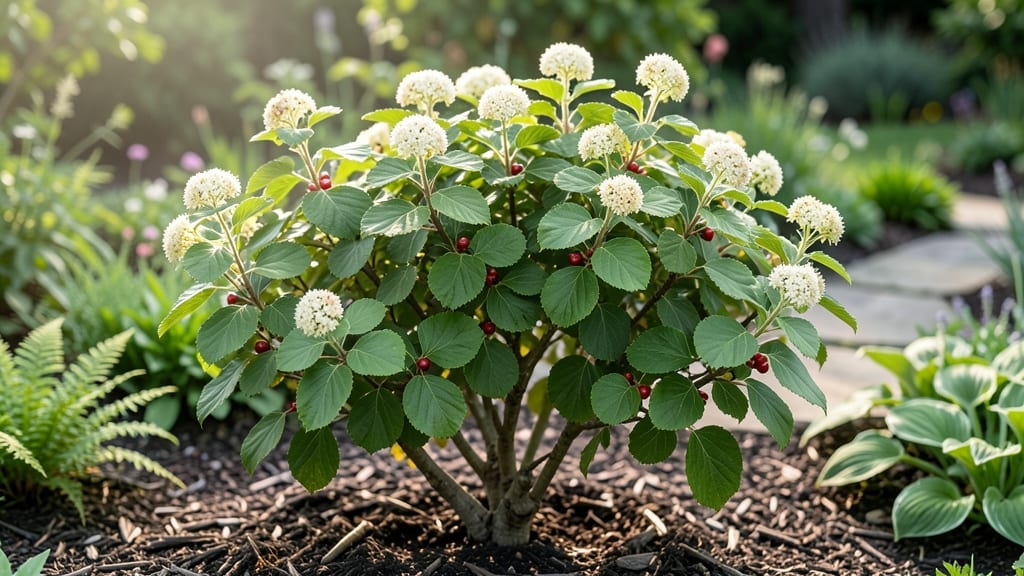
Your snowball viburnum’s crispy leaf edges are screaming for help—and copper spray is the answer. 🌿 I’ve seen this shrub go from sad and browned to lush and green in just a few weeks with the right treatment, and it’s easier than you’d think.
The first step is identifying the problem: crispy edges often mean fungal issues or environmental stress. Once you confirm it’s not drought or pests, grab a copper fungicide spray (just 1 tablespoon per gallon of water) and apply it when leaves are dry but soil is moist.
Timing matters—do this in early spring or late fall before new growth starts. By summer, your viburnum will have vibrant, healthy foliage again, with those signature white blooms standing out even more. The key is consistency: reapply if rain washes away the spray, and watch your shrub bounce back.
This method works for all viburnums, not just snowball types. Let’s get those leaves looking crisp and fresh again!
📚 In This Guide
- What you need
- Instructions
- Tips and common mistakes
- Wrapping up and next steps
What you need
- ● Copper fungicide spray: Choose a ready-to-use formula (like Copper Sulfate or Copper Hydroxide) or a concentrate (dilute as per label instructions). 1–2 gallons should cover most small to medium-sized plants.
- ● Garden sprayer: A 3–4 gallon pump sprayer (or a hose-end sprayer for larger plants). Ensure it’s clean and dedicated to fungicides to avoid cross-contamination.
- ○ Gloves: Nitrile or rubber gloves (copper can irritate skin). Optional but highly recommended!
- ● Pruners or shears: Sterilized (rubbing alcohol or bleach solution) to trim severely damaged leaves or branches.
- ● Water source: Hose with a soft spray nozzle for rinsing tools and rinsing the plant after application (if needed).
- ● Protective eyewear: Safety goggles if spraying near wind or in bright sunlight.
- ● Plastic sheeting: 6’x8’ drop cloth to lay under the plant and catch drips (easy cleanup!).
- ● Fan or misting bottle: For hot days—copper spray can stress plants if applied in extreme heat.
- ● Second sprayer: If treating multiple plants, a backup sprayer saves time.
Step-by-Step instructions for reviving snowball viburnum leaves with copper spray
Here’s how to bring back that crisp, healthy look to your snowball viburnum’s edges—fast.
🌿 Step 1: Assess the Damage and Trim Dead Leaves
Start by examining your snowball viburnum for crispy, brown edges. These are the areas that need attention. Use clean, sharp pruning shears to snip off any fully dead or severely damaged leaves—don’t cut into healthy tissue. I like to trim just above a leaf node or bud to encourage new growth. This step keeps the plant from wasting energy on dying foliage.
Watch for signs of pests or fungal issues while you’re at it. If you spot tiny webs or black spots, note those areas—they’ll need extra care during treatment. Remove all trimmed leaves and dispose of them in the trash, not your compost, to avoid spreading potential disease.
💧 Step 2: Apply Copper Spray to Fungal Issues
Mix your copper fungicide spray according to the package instructions—usually a ratio of 1 tablespoon per gallon of water. Copper spray works best when applied in the early morning or late afternoon to avoid burning the leaves under direct sun. Use a handheld sprayer to coat the affected leaves thoroughly, focusing on the crispy edges and any black or brown spots.
Spray until the foliage glistens but isn’t dripping. Avoid wetting the soil directly, as this can dilute the spray’s effectiveness. If your viburnum is large, split the application into two sessions to ensure even coverage. Reapply every 7-10 days for at least three treatments to fully combat fungal growth.
☀️ Step 3: Boost Hydration and Mulch for Recovery
Water the base of your snowball viburnum deeply until the soil is 6 inches moist—this encourages roots to absorb nutrients and strengthens the plant’s resilience. I like to water in the early morning so the leaves dry quickly, reducing the risk of fungal reinfection. Avoid overhead watering, which can spread spores from the soil to the leaves.
Spread a 2-3 inch layer of organic mulch (like shredded bark or wood chips) around the base, keeping it 2 inches away from the trunk. This helps retain moisture, regulates soil temperature, and prevents weeds from competing for nutrients. Mulch also acts as a barrier, reducing splash-back from soil-borne pathogens.
✂️ Step 4: Prune for Airflow and Monitor Progress
Thin out any dense or crossing branches to improve airflow around the plant. Good airflow is key to preventing future fungal issues. Focus on removing branches that rub against each other or block sunlight from reaching the center. Prune in early spring or late fall when the plant isn’t actively stressed.
Check your viburnum weekly for new growth. Healthy leaves should be deep green and firm, not crispy or discolored. If you see improvement after 4-6 weeks, you’re on the right track. If the edges stay brown, repeat the copper spray treatment and consider testing your soil’s pH—viburnums prefer slightly acidic to neutral soil (6.0-7.0).
Tips & tricks for reviving snowball viburnum leaves
Here’s what I’ve learned from years of bringing viburnum foliage back to life—these little details make all the difference.
Pruning Precision: When trimming dead leaves in Step 1, focus on making clean cuts just above a leaf node or bud. This encourages new growth from the exact spot where the plant can regenerate. I’ve seen people accidentally cut into healthy tissue, which weakens the plant—don’t make that mistake! Use sharp pruners to avoid tearing leaves, which can introduce more pathogens.
Copper Spray Technique: The 1 tablespoon per gallon ratio in Step 2 is key, but timing matters too. I’ve found that applying copper spray in the early morning gives the leaves time to dry completely before evening humidity sets in. For large plants, split your application—this ensures even coverage without missing spots. Always wear gloves when handling copper; it can be irritating to skin.
Hydration Strategy: In Step 3, those 6 inches of moist soil aren’t just about water—they’re about creating the right environment for recovery. I recommend using a moisture meter to check soil depth if you’re unsure. Also, consider adding a layer of compost to the mulch; it provides slow-release nutrients that help the plant bounce back faster. Just keep it 2 inches away from the trunk to prevent rot.
Monitoring Progress: The 4-6 week timeline in Step 4 is a great guideline, but don’t rely solely on time. Look for deep green, firm leaves as your success indicator. If you see new growth but still have crispy edges, it might signal a deeper issue like poor drainage or nutrient deficiency. In that case, consider a soil test to check pH and nutrient levels.
Pro Tips for Snowball Viburnum Leaf
- Here’s what I’ve learned from years of bringing viburnum foliage back to life—these little details make all the difference.
- Pruning Precision: When trimming dead leaves in Step 1, focus on making clean cuts just above a leaf node or bud.
- Copper Spray Technique: The 1 tablespoon per gallon ratio in Step 2 is key, but timing matters too.
Frequently asked questions
about reviving snowball viburnum leaves with copper spray—and troubleshooting crispy edges—can save your shrub! Here are the most common queries:Why are my snowball viburnum leaves turning crispy or brown?
Crispy edges often signal fungal diseases (like anthracnose) or environmental stress (overwatering, drought, or sunscald). Copper spray helps prevent fungal spread, but check soil moisture and afternoon shade if the issue persists.
How soon can I see results after applying copper spray?
Results vary, but you may notice slowed disease progression within 1–2 weeks. For severe cases, repeat applications every 7–14 days until new growth appears. Consistency is key!
Can I use copper spray if rain is forecasted?
Ideally, apply copper spray before rain (at least 4–6 hours ahead) to avoid washing it off. If rain is imminent, wait for a dry day. Early morning applications work best for maximum adhesion.
Are there organic alternatives to copper spray for viburnum?
Yes! Try neem oil (fungicidal properties), baking soda spray (1 tsp baking soda + 1 quart water + a drop of soap), or potassium bicarbonate. Test on a small leaf first to avoid burns.
Will copper spray harm bees or other pollinators?
Copper is low-risk to bees when used as directed, but avoid spraying during peak bloom (when viburnum flowers). Opt for evening applications to protect pollinators while treating fungal issues.
What if my viburnum’s leaves keep crisping after treatment?
Persistent issues may stem from root rot or pests like spider mites. Recheck for yellowing leaves, webbing, or mold. Adjust watering (let soil dry slightly between waterings) and consider a soil test for nutrient deficiencies.
Wrapping up and next steps
Reviving your snowball viburnum with copper spray isn’t just about saving its leaves—it’s about giving your plant a fresh start and a crispy-edge-free future! 🌿 Whether you’re battling fungal infections or pesky pests, this method is your go-to for a healthy, vibrant bush.
Now that you’re armed with the right tools and know-how, take action—grab that spray bottle and treat your viburnum to the care it deserves!
Ready to see results? Monitor your plant weekly and repeat treatments as needed. With patience and consistency, your snowball viburnum will thrive—promise!