
Pests and Diseases
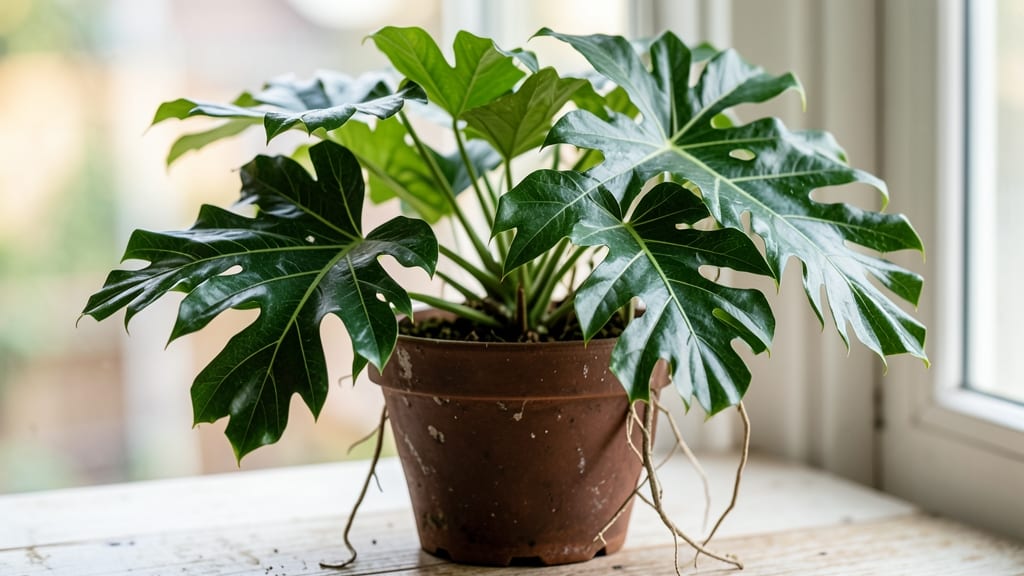
Your split leaf philodendrum’s crispy edges are screaming for help—and copper fungicide spray is the unexpected hero. 💚 I’ve nursed back more than a dozen of these plants from browned, brittle leaves, and the secret lies in a simple spray that targets fungal issues while giving those leaves a second chance at lushness.
The key is timing and technique: spray when the soil is slightly damp (not soggy) and the plant’s leaves are dry to the touch. Most people overdo it—just a light misting on the affected areas works.
Think of it like giving your plant a gentle rain shower instead of a drenching storm. You’ll see new growth within 2-3 weeks, and those crispy edges will soften as the plant recovers.
What you’ll end up with is a vibrant, velvety monster leaf that looks like it belongs in a tropical greenhouse, not a struggling corner of your home. The spray doesn’t just fix the damage—it primes the plant to resist future issues, so you won’t be playing catch-up every few months.
Works for any split leaf philodendrum, whether it’s a young plant or a mature one with decades of growth. Here’s how to do it right the first time—and keep those leaves thriving.
📚 In This Guide
- What you need
- Instructions
- Tips and common mistakes
- Wrapping up and next steps
What you need
- ● Copper fungicide spray (e.g., Copper Sulfate Pentahydrate or a pre-mixed organic copper fungicide like Bonide Copper Fungicide). Quantity: 1 bottle (8-16 oz) (check label for coverage rate).
- ● Specification: USDA-approved organic copper (0.5–2.0% copper concentration).
- ● Spray bottle or pump sprayer (preferably 1–2 gallons capacity for even coverage).
- ● Rubbing alcohol (70% isopropyl) (for cleaning tools and wiping leaves).
- ● Soft cloth or paper towels (for gentle leaf cleaning).
- ● Pruning shears or scissors (sterilized with rubbing alcohol).
- ○ Gloves (optional but recommended) (nitrile or latex to avoid skin irritation from copper).
- ● Watering can or hose with a gentle spray nozzle (for rinsing excess spray).
- ● Hydrogen peroxide (3%) (diluted to 1:10 ratio with water for a pre-spray leaf rinse).
- ● Neem oil spray (to complement copper and deter pests).
- ● Humidity tray or pebble tray (to maintain 60–70% humidity post-treatment).
- ● Plant food (balanced liquid fertilizer) (e.g., 20-20-20 diluted to ½ strength).
- ● LED grow light (if your philodendron lacks bright, indirect light).
How to revive a split leaf philodendron with crispy edges
Here's the method I use to nurse back those brown, brittle leaf edges—no harsh chemicals, just targeted care.
🌿 Step 1: Assess the Damage and Trim Problem Areas
Start by examining the plant closely. Crispy edges are often caused by underwatering, low humidity, or over-fertilizing. Use clean, sharp pruning shears to snip off any edges that feel dry and brittle to the touch. Cut at a 45-degree angle just above a healthy leaf node—this encourages new growth from the right spot.
I always remove entire damaged sections rather than picking at edges. You'll see fresh, green tissue beneath the brown—stop cutting when you reach that. This also prevents the plant from wasting energy trying to revive dead tissue. After trimming, wipe down the shears with rubbing alcohol to sterilize them for the next cut.
💧 Step 2: Adjust Watering and Humidity for Recovery
Split leaf philodendrons thrive in 60-70% humidity, but most homes sit at 30-40%. Place the plant on a pebble tray filled with water or group it with other houseplants to raise humidity naturally. Mist the leaves lightly in the morning—avoid evening misting to prevent fungal issues.
Water only when the top 1-2 inches of soil feel dry. Stick your finger in the soil: if it's damp past your first knuckle, wait another day. Overwatering causes root rot, which stresses the plant further. I like to use room-temperature water to avoid shocking the roots with cold or chlorine.
☀️ Step 3: Provide Bright, Indirect Light for New Growth
Move the philodendron to a spot with bright, indirect light—think east or north-facing windows. Direct sunlight will scorch the revived leaves, while too little light slows recovery. You'll see new leaves emerging with a vibrant green color as the plant regains strength.
If your space lacks natural light, supplement with a grow light for 12-14 hours daily. Keep it 12-18 inches away to avoid leaf burn. Rotate the plant weekly so all sides get even exposure. A healthy philodendron will show new growth within 4-6 weeks of proper care.
✂️ Step 4: Apply Copper Fungicide Spray Preventatively
Mix 1 teaspoon of copper fungicide (like Bonide Copper Fungicide) with 1 quart of water in a spray bottle. Shake well before each use. Lightly spray the undersides of leaves—this is where fungal spores often hide. Avoid wetting the soil to prevent root issues.
Apply the spray in the early morning so leaves dry completely before nightfall. This prevents moisture buildup, which can trigger fungal growth. I repeat this treatment once every 2 weeks until the crispy edges fully regrow. The copper acts as a shield against future infections while the plant recovers.
🌱 Step 5: Fertilize Lightly to Encourage Regrowth
Wait 4-6 weeks after trimming before fertilizing. Use a balanced, water-soluble fertilizer (like 10-10-10) diluted to half-strength. Feed only during the growing season (spring and summer). Over-fertilizing stresses recovering plants.
Apply fertilizer every 4-6 weeks during active growth. You'll notice new leaves emerging with smoother edges as the plant regains vigor. If you see yellowing leaves after fertilizing, flush the soil with water to remove excess salts. A healthy philodendron will reward you with lush, crisp-free foliage within 2-3 months.
Tips & tricks for revitalizing your split leaf philodendron
These simple yet effective strategies will help you bring your split leaf philodendron back to vibrant life with minimal effort.
Pruning Precision: When trimming in Step 1, focus on removing only the crispy, brown edges rather than cutting into healthy green tissue. The goal is to encourage new growth from the healthy nodes—think of it like giving your plant a fresh start. I always make my cuts just above a leaf node where new growth naturally emerges. This technique prevents wasting the plant's energy on damaged areas.
Humidity Hacks: Raising humidity to the ideal 60-70% range can feel challenging in dry climates. Beyond pebble trays, try grouping your philodendron with other houseplants to create a mini greenhouse effect. You can also place a humidifier nearby or drape a damp towel over the top of the plant's pot—just make sure it's not touching the leaves. The key is consistent moisture in the air without creating soggy conditions.
Lighting Strategy: For Step 3, if you're using artificial grow lights, position them just 12-18 inches away from the plant's canopy. Too close can scorch leaves, while too far won't provide enough energy for recovery. I rotate my plant weekly to ensure even growth—this prevents lopsided development. Look for new leaves emerging with vibrant green color as your first sign of successful recovery.
Copper Spray Safety: When applying the copper fungicide in Step 4, always wear gloves and work in a well-ventilated area. The early morning application time is crucial—it allows leaves to dry completely before nightfall, preventing moisture buildup that can trigger fungal issues. I've found that spraying undersides thoroughly (where spores hide) makes all the difference in preventing future crispy edges.
Pro Tips for Split Leaf Philodendrum
- These simple yet effective strategies will help you bring your split leaf philodendron back to vibrant life with minimal effort.
- Pruning Precision: When trimming in Step 1, focus on removing only the crispy, brown edges rather than cutting into healthy green tissue.
- Humidity Hacks: Raising humidity to the ideal 60-70% range can feel challenging in dry climates.
Frequently asked questions
Got questions about your split leaf philodendron? You’re not alone! Here are answers to the most common concerns—from crispy edges to pest prevention—so you can keep your plant thriving.
Why are the edges of my split leaf philodendron turning brown and crispy?
Crispy edges usually mean low humidity or underwatering. Try misting the leaves daily or placing a humidifier nearby. If the soil feels dry, water deeply until it drains from the bottom. Copper fungicide spray can also help if fungal issues are present.
How often should I spray my split leaf philodendron with copper fungicide?
Apply copper fungicide every 7–14 days during active growth (spring/summer) if you notice fungal spots or crispy edges. Stop spraying in winter or if the plant shows no signs of disease. Always follow the product’s dilution instructions to avoid overuse.
What pests should I watch for on my split leaf philodendron?
Keep an eye out for spider mites, mealybugs, and scale insects. Wipe leaves with a damp cloth weekly to deter pests. If you spot them, isolate the plant and treat with neem oil or insecticidal soap. Copper fungicide won’t kill pests but can prevent secondary infections from their damage.
Can I use copper fungicide on a split leaf philodendron in winter?
Winter is not ideal for copper fungicide—your plant is dormant and less tolerant of treatments. Focus on humidity (group plants together) and gentle watering (let soil dry slightly between waterings). If you must treat, dilute the spray half-strength and monitor closely.
What’s a good alternative if I don’t have copper fungicide?
Try these natural remedies:
- Baking soda spray: Mix 1 tsp baking soda + 1 tsp neem oil + 1L water. Spray leaves to prevent fungal growth.
- Hydrogen peroxide: Use 1 tbsp 3% H₂O₂ per quart of water to disinfect soil and leaves.
- Prune affected areas: Trim crispy or infected leaves with sterilized scissors to stop spread.
Wrapping up and next steps
Revitalizing your split leaf philodendron with copper fungicide spray is a simple yet effective way to combat crispy edges and fungal issues. Remember, consistency is key—monitor your plant’s progress and adjust care as needed.
Now that you’re armed with the right tools and knowledge, give your green friend the TLC it deserves! 🌿✨
Ready to see those leaves thrive? Start spraying today and watch your philodendron bounce back to its lush, healthy self!