
Size
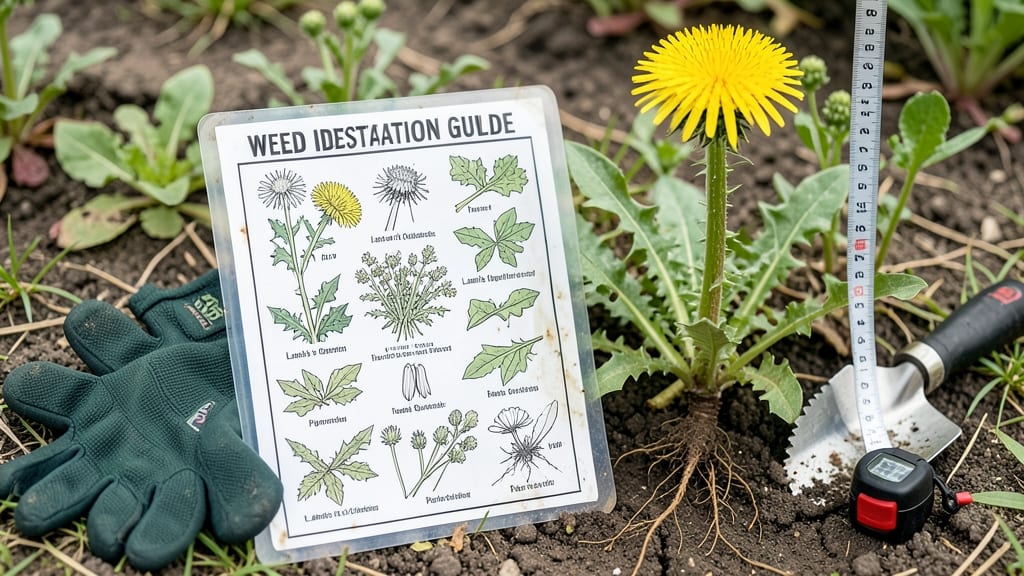
Mastering tall broadleaf weed identification faster than they spread is the secret to a cleaner yard. 🌿 I’ve spent years pulling these sneaky invaders—dandelions, plantains, and chickweed—and learned to tell them apart in seconds by just looking at their leaves, stems, and growth habits.
No more guessing whether that plant belongs or needs to go.
The key is their leaf shape: dandelions have jagged, toothed edges and a milky sap when snapped, while plantains form a rosette with long, ribbed leaves. Chickweed, on the other hand, has tiny oval leaves with a faint line down the middle.
Grass weeds? They’re narrow, blade-like, and never have broad leaves—so you’ll never mistake them.
Once you recognize these traits, removal becomes foolproof. Pull them when the soil is moist (they come out easier), and use a sharp hoe for stubborn patches. Proper ID means you won’t accidentally yank your prized veggies or flowers—just the weeds that are stealing nutrients and space.
Still unsure? Snap a photo and use a weed ID app like PlantNet or download a free field guide from your local extension office. These tools turn guesswork into confidence, so you can tackle weeds like a pro—no more second-guessing in the garden.
Root Causes of Tall Broadleaf Spread
Understanding why tall broadleaf weeds dominate your landscape—or why they suddenly appear—starts with recognizing their survival strategies. These weeds thrive due to a mix of environmental, biological, and human factors. Below, we break down the key reasons behind their persistence and rapid growth.
Tall broadleaf weeds like lambsquarters, pigweed, or ragweed are evolutionary powerhouses, equipped with traits that outcompete desirable plants in the right conditions.
- 🌞 Sunlight and Warmth Love: Most tall broadleaf weeds are C3 plants, meaning they perform photosynthesis efficiently in cooler temperatures but explode in growth when days grow longer and warmer. A single warm spell can trigger a 2–3 foot height spurt in weeks—far outpacing slower-growing grasses or crops.
- 💧 Water Efficiency: Many species, such as Chenopodium album (lambsquarters), have succulent stems that store moisture, allowing them to survive droughts while crowding out thirstier plants. Their shallow root systems also mean they leach nutrients from the topsoil, leaving less for your lawn or garden.
- 🌿 Rapid Reproduction: A single mature broadleaf weed can produce thousands of seeds per season, many of which lie dormant in the soil for years before germinating. This "seed bank" ensures a constant supply of new invaders, especially after disturbances like tilling or construction.
Healthy soil should support your plants—not weeds. But when soil conditions shift, tall broadleaf weeds exploit the opportunity.
- 🧪 Nutrient-Imbalanced Soil: Weeds like Amaranthus retroflexus (redroot pigweed) thrive in nitrogen-rich or phosphorus-heavy soils, often left behind by over-fertilization or decomposing organic matter. Their fast growth lets them steal nutrients before slower plants can access them.
- 🔄 Compaction and Tilling: Heavy foot traffic, machinery, or even excessive tilling disrupts soil structure, creating gaps where weed seeds germinate. Broadleaf weeds have lightweight seeds that lodge in these cracks, while their roots penetrate compacted layers to access deeper moisture.
- 🌊 Poor Drainage: Waterlogged or poorly drained areas create the perfect breeding ground for weeds like Polygonum persicaria (ladysthumb). These species tolerate saturated soils while suffocating grasses that need well-aerated roots.
Even the most resilient weeds need a little help from us to take over. Unintentional (or intentional) actions often create the ideal conditions for their spread.
- 🚜 Lawn Maintenance Gaps: Skipping mowing, bagging clippings (which removes grass competition), or overwatering creates a lush environment where broadleaf weeds like dandelions or plantain thrive. Their deep taproots also mean they outlast shallow-rooted lawn grasses during droughts.
- 🌿 Garden Neglect: Leaving bare soil exposed—whether after planting, mulching mistakes, or poor weed barrier installation—gives weeds a head start. A single missed weeding session can turn a small patch into a jungle in 30–60 days.
- 🛒 Chemical Overuse or Mismanagement: Herbicide resistance is a growing problem, especially with weeds like Conyza canadensis (horseweed). Repeatedly applying the same herbicide (e.g., glyphosate) selects for resistant strains, while underapplying leaves weeds vulnerable but your desired plants struggling.
- 🐦 Wildlife and Seed Spread: Birds, deer, and even lawn equipment unintentionally transport weed seeds across properties. A single deer grazing session can drop hundreds of seeds in a new area, while mower blades cut and scatter weed fragments that root anew.
Actionable Insight: Tall broadleaf weeds don’t just appear—they exploit opportunities. The key to control is disrupting their advantages: improve soil health, adjust watering/mowing practices, and act before seeds mature. Next, we’ll cover how to visually distinguish the most common culprits in your yard.
Quick Fixes for Stubborn Weeds
Tall broadleaf weeds can feel like an endless battle, but with the right approach, you can reclaim your space—whether it’s a garden, lawn, or farm—without breaking a sweat. Below, we’ve mapped out practical solutions based on the most common causes of their spread, from soil conditions to seasonal growth patterns.
Each fix is designed to be easy to implement and long-lasting, with bonus tips to keep weeds from staging a comeback.
Problem: Weeds thrive where grass or plants struggle due to poor soil health, often because of compaction, lack of sunlight, or over-tilling.
How to Fix It: 🔥 Step 1: Smother with Mulch or Cardboard Cover the affected area with 3–4 layers of wet newspaper or cardboard, then top with 2–3 inches of mulch (straw, wood chips, or grass clippings). This blocks sunlight, starving weeds of energy while improving soil over time. Pro tip: 🌡️ Water thoroughly before applying mulch to weigh it down—wind can lift lightweight layers!
👨🍳 Step 2: Aerate the Soil (For Lawns) If weeds are popping up in grass, rent a core aerator (or use a garden fork) to poke holes 3–4 inches deep.
This lets air, water, and nutrients reach roots, giving your grass a fighting chance. Pro tip: ✨ Seed bare spots immediately after aerating to prevent weeds from reclaiming space.
🥘 Step 3: Boost Soil Health Mix in compost or a balanced fertilizer (10-10-10) to restore nutrients. For acidic soil, sprinkle lime (test pH first!). Healthy soil = fewer weed opportunities.
Problem: Weeds like dandelions, plantain, or thistles love sunny, moist spots—often where lawns or gardens are overwatered or under-maintained.
How to Fix It: 🔪 Step 1: Reduce Watering (But Not Too Much!) Most broadleaf weeds need less water than turfgrass. Adjust your sprinkler to water deeply 1–2 times per week (early morning) instead of daily light showers. This encourages grass roots to grow deeper, outcompeting weeds. Pro tip: 💡 Use a rain gauge to track moisture—overwatering is a weed’s best friend!
🌱 Step 2: Mow High and Often Set your mower to 3–4 inches for grass lawns.
Taller grass shades the soil, preventing weed seeds from germinating. Never remove more than ⅓ of the blade in one mowing to avoid stressing the grass. Pro tip: ⏰ Mow when weeds are young—tall weeds are harder to cut cleanly and may regrow faster.
🎯 Step 3: Spot-Treat Stubborn Weeds For isolated weeds, use a selective herbicide (like 2,4-D) labeled for broadleaf weeds. Avoid granular herbicides—they can drift and harm nearby plants.
For organic control, vinegar + dish soap (1 gallon vinegar, 1 oz soap) works on small weeds, but reapply after rain. Pro tip: 🌿 Pull weeds in the evening when they’re wilted—roots come out easier!
Problem: Weeds like lamb’s quarters or pigweed spread via seeds or broken roots, making them relentless if not fully removed.
How to Fix It: 🔥 Step 1: Pull Early and Often Grab weeds at the base (use gloves!) and twist to break the taproot. For deep-rooted weeds (like dock or burdock), dig out as much of the root as possible. Check for root fragments—even a tiny piece can regrow! Pro tip: 🔪 Use a dandelion digger tool for stubborn roots—it’s worth the $10!
🍳 Step 2: Solarize Bare Soil (For Serious Infestations) In hot climates, cover soil with clear plastic for 4–6 weeks during peak sun (summer). The trapped heat kills seeds and roots before replanting.
Best for garden beds, not lawns. Pro tip: 🌡️ Check local temps—soil needs to reach 104°F+ for effective solarization.
🥘 Step 3: Block Seed Dispersal
- Bag and trash pulled weeds before they go to seed.
- Mulch heavily (4+ inches) to prevent wind-blown seeds from landing.
- Use a weed barrier fabric under mulch in garden beds to stop new seeds from sprouting.
Once you’ve tackled the existing weeds, lock in your progress with these habits:
- 🌱 Overseed thin lawns in fall with a weed-resistant grass mix (like tall fescue or perennial ryegrass).
- 💡 Test soil annually—pH and nutrient imbalances invite weeds.
- 🎯 Hand-pull weeds weekly in spring and fall (when they’re young and easy to remove).
- 🌿 Plant ground covers (like clover or creeping thyme) in high-traffic areas to crowd out weeds naturally.
- 🔄 Rotate herbicides if you use them—weeds build resistance over time!
Remember: Consistency is key! Weeds don’t disappear overnight, but with targeted fixes and proactive care, you’ll see a dramatic difference in 30–60 days. Pick the method that fits your space and stick with it—your lawn (or garden) will thank you!
Frequently asked questions
How can I tell the difference between a broadleaf weed and a grassy weed?
Look at the leaf shape and structure: broadleaf weeds have wide, flat leaves with visible veins (like dandelions or plantain), while grassy weeds have long, narrow blades with parallel veins. Grassy weeds also grow in clumps, while broadleaf weeds often form rosettes or have alternating leaves along the stem.
Are there any tall broadleaf weeds that are actually edible?
Yes! Some common "weeds" like dandelion, purslane, and lambsquarters are edible and nutritious. Always double-check with a reliable plant ID guide before eating—some lookalikes can be toxic. Young leaves taste best in salads, while roots (like dandelion) can be roasted as a coffee substitute.
What's the best time of year to identify and remove tall broadleaf weeds?
Early spring and fall are ideal—weeds are young and easier to pull when soil is moist. In summer, many weeds go to seed, making removal less effective. Aim for morning hours when weeds are still turgid (full of water) for easier extraction.
Can I use vinegar to kill tall broadleaf weeds without harming my lawn?
Only use vinegar selectively—it kills all plants it touches, including grass. For spot treatment, spray undiluted vinegar (with dish soap) directly on weeds on sunny days. For lawns, use a selective herbicide (like 2,4-D) instead to target broadleaf weeds while preserving grass.
Why do some tall broadleaf weeds keep coming back even after I pull them?
Many weeds like dandelions or thistles have deep taproots that break off easily. If even a small root fragment remains, it can regrow. Use a dandelion digger tool to remove the entire root, or smother the area with mulch to prevent regrowth.