
Plants
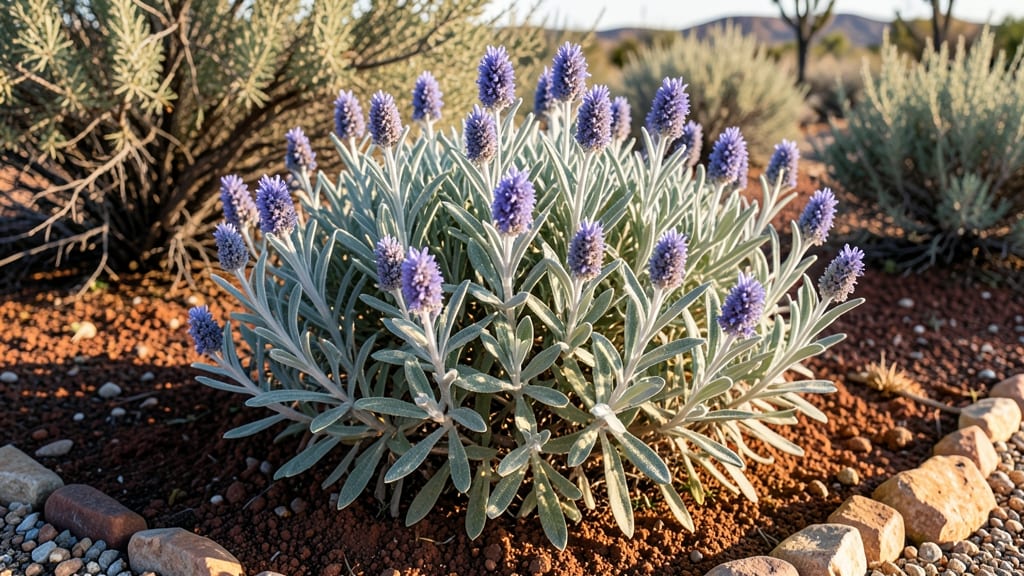
Growing Texas sage leaf is like inviting a drought-proof evergreen into your landscape that thrives with almost no fuss. 🌿 The silvery-green foliage stays lush year-round, and once established, it barely needs watering—perfect for Texas heat.
My first plant taught me the hard way: pruning after blooms preserves that signature leaf color and keeps it compact. This plant loves full sun and well-draining soil, but it’s surprisingly adaptable.
I’ve seen it survive in rocky ground where nothing else grows, and its fragrant purple flowers attract pollinators in fall. The key to keeping those leaves vibrant? Light pruning in late winter—just enough to shape it without stressing the plant.
You’ll end up with a low-maintenance shrub that stays green even in drought, resists pests, and adds texture to any garden. The best part? It grows slowly, so you won’t spend years waiting for maturity. Here’s how to keep it thriving without overcomplicating things.
Texas sage leaf needs full sun (6+ hours daily) and tolerates poor, dry soil better than most perennials. I’ve planted mine in sandy or rocky soil with no amendments, and it thrives. Water deeply but infrequently—once established, it survives on rainwater alone in many climates.
Overwatering is the only real enemy, so let the soil dry completely between waterings. Pruning is minimal but crucial for leaf health. Trim back 1/3 of the oldest growth in late winter to encourage fresh, vibrant foliage. Avoid heavy pruning after blooms, as this can reduce next season’s flowers.
My plants stay 3-6 feet tall with proper shaping, and they rarely need more than an annual light trim.
Propagation is easy—just take 4-6 inch cuttings in spring or early summer and root them in sand or perlite. I’ve had 90% success rate with this method, and new plants mature quickly.
Texas sage leaf also handles light frost once established, making it one of the toughest perennials for hot, dry climates. The payoff? A drought-resistant, low-maintenance plant that stays stunning year-round with almost no effort.
Whether you’re a beginner or a seasoned gardener, this is one shrub you won’t need to babysit. Ready to grow one that practically takes care of itself?
📚 In This Guide
- What you need
- Instructions
- Tips and common mistakes
- Wrapping up and next steps
What you need
- ● Texas Sage Plant: 1 mature plant (nursery-grown, 1-3 gallons in container) OR
- ● Seeds (collect fresh seeds or purchase from a reputable supplier) OR
- ● Hardwood cuttings (4-6 inches long, taken in late fall/winter)
- ● Well-Draining Soil: 5-10 bags of cactus/succulent mix (or amend native soil with coarse sand/perlite for drainage).
- ○ Container (Optional but Recommended): 1-2 large pots (15+ gallons) with drainage holes OR
- ● In-ground planting area (full sun, 6+ hours daily)
- ● Fertilizer: 1 bag of low-nitrogen, phosphorus-rich fertilizer (e.g., 5-10-10 or 2-7-4 ratio).
- ● Mulch: 2-3 cubic feet of gravel or decomposed granite (to retain moisture and deter weeds).
- ● Basic Gardening Tools: Trowel or small shovel
- ○ Gloves (optional but recommended)
- ● Pruning shears (for shaping or propagation)
- ● Watering Supplies: Drip irrigation system OR watering can with a long spout
- ○ Soaker hose (optional, for deep watering)
- ● Sunlight Access: Full sun exposure (6+ hours/day) in USDA Zones 7-11.
- ● Climate Considerations: Drought-tolerant once established (avoid overwatering!).
- ● Protect young plants from freezing temps (below 10°F) with burlap wraps or mulch.
- ● Slow-release fertilizer tablets (for containers).
- ● Plant support stake (if growing in windy areas).
- ● Pest control: Neem oil or insecticidal soap (for aphids/mealybugs).
- ● Plant tags or markers (to track varieties if experimenting!).
Step-by-step guide to growing Texas sage leaf
Here’s how I cultivate hardy, drought-resistant Texas sage that thrives with almost no fuss.
🌱 Step 1: Choose the Right Location and Prepare the Soil
Texas sage (Leucophyllum frutescens) demands full sun—at least 6-8 hours daily—and well-draining soil. I pick a spot with south or west exposure where the plant can soak up afternoon sun without afternoon shade. If your soil drains poorly, amend it with 3-4 inches of coarse sand or gravel mixed into the top 12 inches of soil.
Dig a hole twice as wide as the root ball but only as deep. The top of the root ball should sit 1 inch above ground level—this prevents water from pooling around the stem, which causes rot. I always loosen the sides of the hole with my hands to encourage root spread.
☀️ Step 2: Plant at the Correct Time and Depth
Fall is the best time to plant Texas sage in most of Texas—October through November—when soil temperatures cool but frost hasn’t arrived. If you must plant in spring, do it 4-6 weeks before the last frost date so roots establish before summer heat. Space plants 4-6 feet apart to allow for mature spread.
Place the sage in the hole, then backfill with native soil mixed with a slow-release granular fertilizer (5-10-5 ratio). Water deeply immediately after planting to settle the soil and eliminate air pockets. You’ll know it’s right when water drains through the hole in 10-15 minutes—no soggy puddles.
💧 Step 3: Water Deeply but Infrequently
Texas sage is famously drought-tolerant once established, but the first year is critical. Water deeply every 7-10 days during the first growing season—1-1.5 gallons per plant—to encourage deep root growth. Let the soil dry out completely between waterings; probe with your finger 2-3 inches down—if it’s dry, it’s time to water.
After the first year, water only during prolonged dry spells. Overwatering is the fastest way to kill Texas sage—yellowing leaves or wilting despite moist soil means you’re drowning the roots. I’ve seen sage bounce back from drought, but it never recovers from root rot.
✂️ Step 4: Prune for Shape and Bloom Encouragement
Texas sage blooms best with minimal pruning—just enough to shape it. I prune right after flowering (late spring to early summer) to maintain a compact form. Cut back one-third of the oldest stems to encourage new growth and next year’s flowers. Use clean, sharp pruners to make 45-degree cuts just above a leaf node.
Never prune in fall or winter—this removes next year’s flower buds. If your sage gets leggy, a hard pruning in early spring (before new growth starts) can rejuvenate it, but expect fewer blooms that season. I avoid heavy pruning unless absolutely necessary—this plant rewards patience.
🪴 Step 5: Protect and Maintain for Long-Term Health
Texas sage is nearly pest- and disease-free, but aphids and spider mites can still appear in extreme drought. I spray plants with a hose blast to dislodge pests—this works better than chemicals and mimics natural rain. If mites persist, treat with neem oil in the early evening when bees aren’t active.
Fertilize lightly once a year in early spring with a balanced, slow-release fertilizer (10-10-10). Too much nitrogen promotes leafy growth at the expense of flowers, which is the whole point of growing Texas sage. Mulch with 1-2 inches of gravel (not organic mulch) to retain moisture and regulate soil temperature.
Tips & tricks for thriving Texas sage
These simple strategies will help you cultivate a Texas sage that flourishes with minimal effort and maximum beauty.
The Sunlight Secret: Texas sage absolutely thrives in full sun, but here's the thing—it's not just about quantity but quality. Those 6-8 hours of direct sunlight should include intense afternoon sun, especially between 10 AM and 4 PM. I've noticed my plants bloom most prolifically when they get that hot midday sun, even if it's only for 4-5 hours. If your location has afternoon shade, consider planting in a raised bed where the plant can get more direct exposure.
Soil Preparation Insight: When amending your soil with 3-4 inches of coarse sand or gravel, don't just dump it in—mix it thoroughly into the top 12 inches. This creates a proper drainage layer throughout the root zone. I've seen many gardeners make the mistake of just adding a surface layer, which can still lead to water pooling at the bottom of the hole. The key is to create a well-draining environment from top to bottom.
Watering Wisdom: That 1-1.5 gallons per plant every 7-10 days is crucial for the first year, but there's more to it than just the numbers. The real test is the soil moisture—probe 2-3 inches down with your finger. If it's completely dry, that's your cue to water. I've learned the hard way that Texas sage can handle drought better than most plants, but it's that first year when you need to be consistent. Overwatering is the silent killer—your plant might look fine but be slowly drowning.
Pruning Precision: When you're ready to prune that one-third of oldest stems right after flowering, focus on cutting just above a leaf node at a 45-degree angle. This angle helps water run off the cut, preventing rot. I've found that using clean, sharp pruners is absolutely critical—dull blades can crush stems and invite disease. And remember, those late spring to early summer prunings are when you'll get the best blooms next season.
Pro Tips for Texas Sage Leaf
- These simple strategies will help you cultivate a Texas sage that flourishes with minimal effort and maximum beauty.
- The Sunlight Secret: Texas sage absolutely thrives in full sun, but here's the thing—it's not just about quantity but quality.
- Soil Preparation Insight: When amending your soil with 3-4 inches of coarse sand or gravel, don't just dump it in—mix it thoroughly into the top 12 inches.
Frequently asked questions
Got questions about growing Texas Sage? You’re not alone!
Here are answers to the most common queries about this hardy, low-maintenance perennial—from planting tips to troubleshooting.
How much sunlight does Texas Sage really need?
Texas Sage thrives in full sun (6+ hours daily) for optimal growth and vibrant foliage. While it tolerates partial shade (4+ hours), expect slower growth and less intense color. In hot climates, light afternoon shade can prevent leaf scorch—just avoid deep shade, which weakens the plant.
When is the best time to prune Texas Sage?
Prune late winter or early spring (before new growth starts) to shape the plant and encourage bushiness. Avoid heavy pruning in fall—it stimulates tender new growth that may not survive winter. For light shaping, you can trim lightly after flowering to maintain size, but skip pruning in extreme heat or drought.
How often should I water Texas Sage once established?
Once established (after 1–2 years), Texas Sage is drought-tolerant and only needs watering every 2–3 weeks (or during prolonged dry spells). Overwatering is the biggest mistake—it causes root rot. Water deeply but infrequently, soaking the soil 6–12 inches down, then letting it dry out completely between waterings.
What pests or diseases should I watch for?
Texas Sage is pest-resistant, but watch for aphids (tiny green bugs) or whiteflies in hot weather. Treat with insecticidal soap or neem oil if needed. Fungal issues like powdery mildew can occur in humid conditions—improve airflow and avoid overhead watering to prevent it. Yellowing leaves often signal overwatering, not disease!
Can I grow Texas Sage in containers? If so, what size pot do I need?
Yes! Texas Sage adapts well to containers, but choose a large pot (at least 18–24 inches wide) with drainage holes to prevent root bound issues. Use a fast-draining cactus/succulent mix and repot every 2–3 years. Place containers in full sun and water sparingly—container plants dry out faster than in-ground plants.
How cold-hardy is Texas Sage, and do I need to protect it in winter?
Texas Sage is USDA Zones 7–11 hardy and typically survives winters down to 10°F with no protection. In colder zones (Zone 6 or below), mulch the base with 2–3 inches of gravel or bark to insulate roots. If potted, move containers to a sheltered spot or wrap them in burlap for extra protection.
Wrapping up and next steps
Growing Texas sage leaf is a rewarding journey that brings beauty and resilience to your garden with minimal effort. Whether you're drawn to its silvery foliage, drought tolerance, or low-maintenance charm, this hardy perennial is perfect for both beginners and seasoned gardeners.
Now that you’re equipped with the right knowledge—from soil prep to pruning tips—take the next step and plant your Texas sage today! Watch it thrive and enjoy its stunning blooms and fragrant leaves for years to come. 🌿✨