
Pests and Diseases
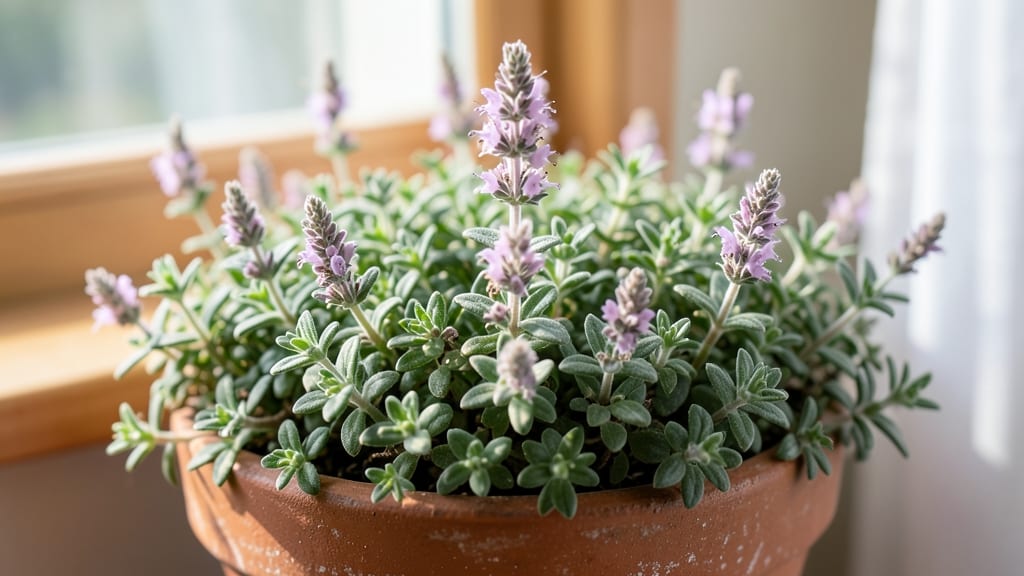
Thick leaf thyme thrives where most herbs fail—drought, shade, and pests can’t touch it. 🌿 I’ve grown it in rocky soil and forgotten pots, and it always comes back stronger.
The secret lies in its resilience: this isn’t just an herb, it’s a groundcover that smells like a sun-warmed Mediterranean hillside. You’ll need full sun to partial shade, well-draining soil (even sandy or rocky works), and almost no water once established.
Plant it in spring or fall, spacing plants 12-18 inches apart for that lush, fragrant carpet. The leaves stay disease-resistant all season, and deer won’t even nibble—unlike your prized roses. By midsummer, you’ll be snipping fresh leaves for cooking or tucking them into borders.
The aroma alone makes pruning worth it: trim back one-third after blooming to keep it compact and bushy. Even in winter, it stays green in mild climates. Perfect for borders, slopes, or containers—it’s the low-maintenance herb that actually improves with age. Here’s how to keep it thriving year after year.
📚 In This Guide
- What you need
- Instructions
- Tips and common mistakes
- Wrapping up and next steps
What you need
- ● Thick leaf thyme plants or seeds: 3–5 plants (for garden beds) or 1–2 seeds per pot (for containers)
- ● Ensure they’re labeled as Thymus pulegioides or Thymus serpyllum varieties
- ● Well-draining soil: 1 bag of potting mix (for containers) or sandy loam soil (for garden beds)
- ○ Optional: Perlite or coarse sand (1 part per 3 parts soil) to improve drainage
- ● Containers (if applicable): 3–5-inch pots (for seedlings) or 12-inch+ pots (for mature plants)
- ● Drainage holes are a must!
- ● Fertilizer: Balanced, low-nitrogen fertilizer (e.g., 5-5-5 or 10-10-10, 1 tbsp per plant every 6–8 weeks)
- ● Basic tools: Trowel or small shovel
- ● Pruning shears (for harvesting/trimming)
- ● Watering can with a rose nozzle (gentle watering = happy thyme!)
- ● Sunlight: Full sun (6+ hours daily) or partial shade (4–6 hours) in hot climates
- ● Climate: Hardy in USDA Zones 5–9; tolerates drought once established
- ● Watering: Keep soil moderately moist (not soggy!) for the first 2 weeks; reduce to drought-like conditions afterward
- ● Patience: Thyme grows slowly but thrives with minimal fuss—perfect for low-maintenance gardeners! 😊
- ● Mulch (gravel or straw) to retain moisture and deter weeds
- ● Compost (1 cup per plant annually for extra nutrients)
- ● Pest control: Neem oil (preventative spray for aphids or spider mites)
- ● Label tags (to track varieties if growing multiple herbs)
Step-by-step guide to growing thick leaf thyme
Here’s how to cultivate this hardy, fragrant herb that thrives year-round with minimal fuss.
🌱 Step 1: Choose the Right Location and Soil
Thick leaf thyme loves full sun—at least 6-8 hours daily—but tolerates partial shade in hot climates. I place mine in a south-facing spot where it gets morning sun and afternoon shade during peak summer heat. The soil should be well-draining, as thyme hates soggy roots.
Amend heavy or clay soil with coarse sand or gravel to improve drainage. If planting in containers, use a mix of 50% potting soil and 50% perlite or coarse sand. A slightly alkaline to neutral pH (6.5-7.5) works best. You’ll know the soil is right when water drains through within 10-15 minutes after watering.
🪴 Step 2: Plant or Transplant Thick Leaf Thyme
Space plants 12-18 inches apart in the ground or 6-8 inches apart in containers. Dig a hole just deep enough to cover the root ball without burying the stem. If dividing a clump, separate sections with at least 3-4 stems each—smaller pieces struggle to establish.
Water deeply after planting to settle the soil around roots, but avoid overwatering. Thick leaf thyme is drought-tolerant once established, so let the soil dry out between waterings. You’ll see new growth within 2-3 weeks if conditions are right.
☀️ Step 3: Maintain with Minimal Care
Water only when the top inch of soil feels dry—typically once a week in summer, less in cooler months. Overwatering causes root rot, which thick leaf thyme resists, but even it can’t handle soggy conditions. Fertilize lightly in spring with a balanced organic fertilizer (10-10-10) diluted to half strength.
Prune lightly after harvest or in early spring to encourage bushiness. Trim back one-third of the plant to just above a set of leaves. Avoid cutting into woody stems—thyme regenerates best from green growth. You’ll notice fresh, fragrant new leaves within 2-3 weeks.
✂️ Step 4: Harvest and Preserve for Year-Round Use
Harvest leaves anytime by snipping stems just above a leaf node. For best flavor, harvest in the morning after dew has dried. You can harvest one-third of the plant at a time without harming growth. Dry leaves by hanging small bundles upside down in a warm, dry, dark place for 1-2 weeks.
Thick leaf thyme is cold-hardy to USDA Zone 5, so it survives winters outdoors with a thick mulch layer. In containers, move pots to a sheltered spot or bring indoors before hard frosts. With proper care, your thyme will thrive for 5-10 years or more.
Tips & tricks for perfect thick leaf thyme growth
Here's what I've learned after years of growing this resilient herb—simple secrets that make all the difference.
Sunlight Strategy: While thick leaf thyme thrives on 6-8 hours of sun daily, I've found that morning sunlight is most important. The intense afternoon heat can sometimes scorch the leaves, especially in hot climates. If you notice leaves turning yellow or crispy, move your plants to receive only morning sun and afternoon shade. This adjustment has kept my thyme lush and vibrant through even the hottest summers.
Soil Test Tip: The 10-15 minute drainage test mentioned in Step 1 is crucial, but I take it one step further. After amending your soil, do a second test after 24 hours to ensure the improvements hold. Heavy clay soils often need multiple applications of sand or gravel—don't be discouraged if you need to repeat this process. Proper drainage prevents the number one killer of thyme: root rot.
Pruning Precision: When trimming back one-third of the plant as suggested in Step 3, focus on cutting just above leaf nodes where new growth emerges. I always use clean, sharp scissors to avoid crushing stems. This technique encourages bushier growth and prevents the plant from becoming leggy. The new leaves that appear within 2-3 weeks will be especially fragrant—this is your reward for precise pruning.
Winter Protection: While thick leaf thyme is cold-hardy to Zone 5, I've learned that adding an extra 2 inches of mulch around the base provides significant protection against temperature fluctuations. For container-grown thyme, moving pots to a sheltered spot like against a south-facing wall offers additional insulation. This simple extra step has saved my plants during unexpectedly harsh winters.
Pro Tips for Thick Leaf Thyme
- Here's what I've learned after years of growing this resilient herb—simple secrets that make all the difference.
- Sunlight Strategy: While thick leaf thyme thrives on 6-8 hours of sun daily, I've found that morning sunlight is most important.
- Soil Test Tip: The 10-15 minute drainage test mentioned in Step 1 is crucial, but I take it one step further.
Frequently asked questions
How do I tell if my thick leaf thyme is healthy?
Healthy thick leaf thyme has thick, gray-green leaves and a strong, aromatic scent when brushed. Look for vigorous stems and minimal yellowing or wilting. Overwatering or poor drainage often causes root rot—check for mushy stems or blackened leaves as red flags.
When is the best time to harvest thick leaf thyme?
Harvest thick leaf thyme just before flowering (spring to early summer) for peak flavor. Snip stems with scissors or pruners to avoid damaging the plant. For year-round harvests, trim lightly after blooming to encourage new growth. Never harvest more than ⅓ of the plant at once to keep it lush.
Can I grow thick leaf thyme indoors, or does it need outdoor conditions?
Yes! Thick leaf thyme thrives indoors near a sunny window (6+ hours of light daily) or under grow lights. Use a well-draining pot with a cactus/succulent mix and water only when the top inch of soil is dry. Avoid soggy soil—it’s the #1 killer of potted thyme!
What pests or diseases should I watch for in thick leaf thyme?
Thick leaf thyme is disease-resistant, but watch for aphids, spider mites, or whiteflies on tender new growth. Treat with neem oil or a soapy water spray. Fungal issues (like powdery mildew) are rare but can occur in humid, shaded spots. Improve airflow and avoid overhead watering to prevent problems.
What’s a good substitute for thick leaf thyme in cooking?
If you’re out of thick leaf thyme, try regular garden thyme, oregano, or marjoram for similar earthy notes. For a stronger aroma, use 1:1 ratio. In Mediterranean dishes, French tarragon or lemon thyme can add brightness. Pro tip: Dried thyme loses potency—fresh is always best!
Wrapping up and next steps
Thick leaf thyme isn’t just a hardy, fragrant herb—it’s a disease-resistant powerhouse that thrives year-round with minimal fuss! 🌿 Whether you’re battling pests, fungal issues, or just want a low-maintenance garden staple, this versatile plant delivers flavor and resilience.
With its easy-care nature and versatile uses, it’s the perfect addition to any herb garden or culinary repertoire.
Ready to grow your own? Start small—plant a few cuttings in a sunny spot, and soon you’ll be harvesting fresh thyme for soups, teas, or pest-repellent sprays. Your garden (and taste buds) will thank you!