
Pests and Diseases
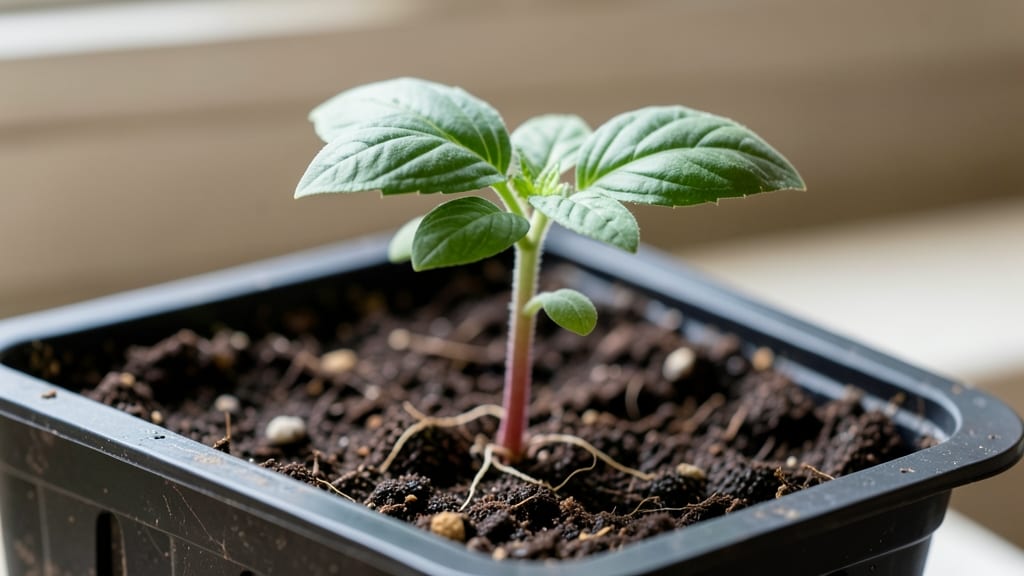
That first pair of true leaves signals a gardener's biggest win—two-leaf seedlings are where the magic of germination turns into real growth potential. 🌱 I've watched dozens of these tiny plants transform into thriving vegetables and flowers, and the secret lies in recognizing this stage before it's too late.
Most beginners overwater at this point, drowning delicate roots before they can establish. The key is keeping soil lightly moist—not soggy—and providing bright, indirect light that mimics spring conditions. My pepper seedlings went from wobbly to sturdy in just 10 days when I adjusted my care routine.
You'll know you're doing it right when those second leaves unfurl into stronger, darker versions of the first. That's when you can start thinking about transplanting—usually 2-3 weeks after germination, depending on your climate zone.
Common plants like tomatoes, basil, and marigolds all pass through this stage, but the care principles stay the same. Here's how to keep them growing fast and strong.
Root Causes Behind Stunted Growth
Understanding why your seedlings are stuck at the two-leaf stage—instead of thriving into healthy plants—starts with identifying the hidden culprits. These issues often lurk beneath the soil or within environmental conditions, sabotaging growth before it even begins.
Let’s break down the key reasons this happens, so you can take action before it’s too late.
Not all seeds are created equal. If your seeds are old, damaged, or of low genetic vigor, they may only push through enough energy to produce two weak leaves before stalling. Here’s why this happens:
- Dormancy Breakdown: Seeds need specific conditions (moisture, temperature, light) to "wake up."
If stored improperly (e.g., in a dry, hot environment), their internal mechanisms degrade, leading to weak germination and early growth halts. - Genetic Limitations: Some seed varieties are bred for fast germination but lack the stamina for sustained growth.
Hybrid or heirloom seeds with poor vigor may produce seedlings that look healthy at first but fizzle out. - Physical Damage: Cracked seed coats or internal mold (from poor storage) prevent the embryo from accessing nutrients, resulting in underdeveloped seedlings.
Actionable Fix: ✅ Test seeds before planting: Float a few in water—if they sink, they’re viable. Discard any that float or look shriveled. ✅ Buy fresh seeds (from the current or previous year) from reputable suppliers. ✅ Soak seeds overnight in warm water to encourage hydration and check for mold (discard any that smell or look fuzzy).
Seedlings are delicate thermometers—too hot or too cold, and their growth grinds to a halt. The two-leaf stage is particularly vulnerable because the seedling’s root system is still underdeveloped.
- Cold Soil: If soil temperatures dip below 50°F (10°C), enzymatic activity in the seedling slows, stunting root and shoot growth.
This is common in early spring or high-altitude gardens. - Heat Stress: Conversely, soil temps above 90°F (32°C) can cook the seedling’s delicate cells, causing leaves to yellow or stop growing.
This often happens in greenhouse setups without proper ventilation. - Temperature Fluctuations: Rapid swings (e.g., sunny days followed by cold nights) confuse the seedling’s metabolic processes, leading to growth plateaus.
Actionable Fix: 🌡️ Use a seedling heat mat (set to 70–75°F / 21–24°C) for slow-starting seeds like tomatoes or peppers. 🌡️ Monitor soil temp with a thermometer—ideal range is 65–75°F (18–24°C) for most seedlings. 🌡️ Avoid placing trays near drafts (e.g., windows, AC vents) or direct sunlight until roots establish.
Water is the lifeblood of germination, but get it wrong, and your seedlings will choke or drown. The two-leaf stage is especially sensitive because the root system hasn’t yet expanded to stabilize moisture intake.
- Overwatering:
- Root Rot: Soggy soil cuts off oxygen, suffocating roots and causing them to rot before they can support leaf growth.
- Fungal Infections: Excess moisture invites damping-off (a fungal disease that severs seedlings at the soil line), leaving only two weak leaves standing.
- Underwatering:
- Desiccation: Young seedlings have minimal root depth—if the topsoil dries out, they can’t pull up enough water, leading to wilting and stunted growth.
- Nutrient Lockout: Dry soil binds nutrients, making them inaccessible even if your soil is fertile.
Actionable Fix: 💧 Bottom-water seedlings (place trays in a shallow tray of water for 10–15 minutes) to encourage deep root growth without surface sogginess. 💧 Use a moisture meter or stick your finger 1 inch deep—soil should feel damp, not drenched or bone-dry. 💧 Improve drainage: Add perlite or vermiculite to potting mix to prevent compaction.
Seedlings aren’t just drinking water—they need precise nutrients to grow beyond the two-leaf stage. Common deficiencies include:
- Nitrogen (N): Leads to pale, yellow leaves (chlorosis) and weak stems. Nitrogen fuels leaf growth, and without it, seedlings can’t produce new leaves. - Phosphorus (P): Critical for root and cell development.
A deficiency causes dark green, purplish stems and stunted growth. - Micronutrients (Zinc, Iron, Magnesium): Even tiny shortages can halt chlorophyll production, leaving seedlings with yellowing between veins (interveinal chlorosis).
Actionable Fix: 📊 Start with a balanced seedling fertilizer (e.g., 5-10-5 or fish emulsion) diluted to half-strength to avoid burning tender roots. 📊 Test your soil—many gardeners assume their soil is fertile, but pH imbalances (too acidic/alkaline) lock out nutrients. 📊 Use foliar sprays (like seaweed extract) for quick micronutrient delivery if roots are struggling.
Tiny invaders can devour or infect seedlings before you even notice. At the two-leaf stage, they’re most vulnerable because their defenses are underdeveloped.
- Fungal Diseases (Damping-Off, Powdery Mildew):
- Symptoms: Seedlings collapse at the soil line, leaves turn brown/mushy, or white powdery growth appears.
- Cause: Overcrowded, damp conditions + fungal spores in soil.
- Insect Pests (Fungus Gnats, Aphids, Cutworms):
- Fungus gnats lay eggs in moist soil—their larvae chew roots, starving the seedling.
- Aphids suck sap from leaves, causing stunted, curled growth.
- Cutworms (nocturnal pests) sever stems at night, leaving only two leaves standing.
Actionable Fix: 🛡️ Prevent damping-off: Water seedlings at the base (not overhead) and space them 1 inch apart for airflow. 🛡️ Use neem oil or insecticidal soap as a preventative spray (reapply every 5–7 days). 🛡️ Introduce beneficial nematodes (like Steinernema feltiae) to combat fungus gnat larvae in soil.
Light is the fuel for photosynthesis, but seedlings need just the right amount—too little, and they stretch; too much, and they scorch.
- Insufficient Light:
- Etiolation: Seedlings grow long, leggy, and weak (a survival tactic to reach light), but their stems can’t support new leaves, leaving them stuck at two.
- Weak Chlorophyll: Without enough light, leaves can’t produce energy, halting growth.
- Excessive Light (Burn):
- Scorching: Direct, intense sunlight (especially in greenhouses) bleaches leaves, causing them to crisp and stop growing.
- Heat Stress: Overhead lights or hot windows raise temperatures, mimicking the heat stress described earlier.
Actionable Fix: 💡 Provide 12–16 hours of light daily using grow lights (LED or fluorescent) 2–3 inches above seedlings. 💡 Rotate trays daily to prevent uneven growth (seedlings will lean toward light sources). 💡 Use shade cloth (30–50%) if growing in hot, sunny climates to protect young leaves.
Fixing Common Seedling Struggles
When your young plants hit the two-leaf stage, they’re vulnerable—but not helpless! 🌱 With the right care, you can turn potential problems into thriving growth. Below are practical, step-by-step solutions for the most common issues, plus prevention tips to keep your seedlings strong.
Symptoms: Stunted growth, yellowing leaves, or seedlings leaning toward light.
How to Fix It:
- Gently separate seedlings using a small tool (like a butter knife) to avoid root damage.
- Transplant into individual pots or seed trays with 2–3 inches of spacing between plants.
- Use a sterile potting mix to prevent disease transfer.
Prevention Tips: ✔ Start with proper spacing (follow seed packet guidelines). ✔ Use deep containers (6+ inches) to reduce competition for nutrients. ✔ Thin early—don’t wait until seedlings are cramped!
Symptoms: Seedlings collapsing at the soil line, moldy stems, or wilting despite watering.
How to Fix It:
- Remove infected seedlings immediately to stop spread.
- Repot healthy seedlings in sterilized soil (bake soil at 180°F for 30 mins or use fungicide-treated mix).
- Space plants wider (1–2 inches apart) and avoid overhead watering—use a watering can with a fine rose instead.
- Add perlite or vermiculite (20%) to improve drainage.
Prevention Tips: 💡 Water from below (place trays on a damp towel instead of from above). 💡 Use a fan on low speed (24/7) to increase airflow. 💡 Disinfect tools with rubbing alcohol between uses.
Symptoms: Tall, weak stems, small leaves, or seedlings leaning toward a light source.
How to Fix It:
- Move seedlings closer to light (within 6–12 inches of grow lights or a sunny window).
- Rotate trays daily (180°) for even growth.
- Reduce fertilizer (half-strength solution) to avoid burning tender roots.
Prevention Tips: ✨ Use full-spectrum LED grow lights (12–16 hours/day). ✨ Start with proper light distance—don’t wait until seedlings stretch. ✨ Avoid cold drafts (keep temps between 65–75°F).
Symptoms: Tiny holes in leaves, webbing, or sticky residue (aphids, spider mites, or fungus gnats).
How to Fix It:
| Pest | Quick Fix | Prevention |
|---|---|---|
| Aphids | Spray with soapy water (1 tsp dish soap + 1L water). | Introduce ladybugs or neem oil spray. |
| Spider Mites | Wipe leaves with damp cloth + horticultural oil. | Increase humidity (50–70%) with a humidifier. |
| Fungus Gnats | Yellow sticky traps + let soil dry slightly between waterings. | Sandy topsoil layer (¼ inch) to deter eggs. |
Prevention Tips: 🎯 Inspect new plants before bringing them indoors. 🎯 Avoid overwatering—fungus gnats thrive in soggy soil. 🎯 Use reflective surfaces (aluminum foil under trays) to deter pests.
Symptoms: Purple stems (phosphorus), yellow leaves (nitrogen), or slow growth.
How to Fix It:
- Flush soil with water to remove excess salts (if using synthetic fertilizers).
- Apply a balanced liquid fertilizer (5-5-5 or 10-10-10) at half-strength.
- Add compost tea (1:10 ratio) for organic nutrients.
Prevention Tips: 💪 Wait until seedlings have 2–3 true leaves before fertilizing. 💪 Test soil pH (ideal: 6.0–7.0 for most seedlings). 💪 Use slow-release granules instead of frequent liquid feeds.
Symptoms: Wilting, dark spots, or slow growth in cold/drafty areas.
How to Fix It:
- Move seedlings to a warmer spot (65–75°F day, 55–65°F night).
- Use a heat mat (for trays) if temps drop below 55°F.
- Avoid cold windowsills—use a thermostat-controlled grow light setup instead.
Prevention Tips: 🌡️ Use a thermometer to monitor microclimates. 🌡️ Group trays together to retain heat. 🌡️ Avoid sudden temperature swings (keep fluctuations <10°F).
Before troubleshooting, run through this quick check:
- Light? (Are they stretching toward a source?)
- Water? (Is soil damp but not soggy?)
- Air? (Is airflow restricted?)
- Space? (Are roots tangled?)
- Pests? (Check undersides of leaves.)
Most issues at the two-leaf stage are preventable—but if they pop up, act fast! With these fixes, your seedlings will go from struggling to thriving in no time. 🚀
Frequently asked questions
What's the difference between cotyledons and true leaves on a two-leaf seedling?
The first two leaves you see are actually cotyledons—seed leaves that store nutrients from the seed. True leaves appear next and look different: they're smaller, darker, and have distinct veins. For example, tomato seedlings show true leaves as serrated, compound shapes after the cotyledons.
How soon after germination should I expect the two-leaf stage?
Most seedlings reach this stage within 7-14 days of germination, depending on the plant type. Fast growers like radishes may appear in 5-7 days, while slower varieties like tomatoes can take up to 2-3 weeks. Keep soil consistently moist (not soggy) at 70-75°F for optimal timing.
Can I transplant my two-leaf seedlings outdoors yet?
Only if nighttime temperatures stay above 55°F (13°C) consistently. Most seedlings need 3-4 true leaves before transplanting to handle outdoor conditions. Harden them off first by placing outside for 1-2 hours daily over 5-7 days, gradually increasing exposure.
Why are my two-leaf seedlings falling over?
This usually means weak roots from overcrowding or underwatering. Thin seedlings to 1 inch apart and water from below (place tray in shallow water for 10 minutes). For extra support, press a toothpick gently into the soil beside each seedling until roots strengthen.
What's the best light source for two-leaf seedlings?
Use 12-16 hours of bright light daily from either a south-facing window or LED grow lights (2-3 inches above seedlings). Avoid direct sunlight which can scorch tender leaves. Rotate trays daily to prevent leaning—seedlings grow toward light sources naturally.