
Pests and Diseases
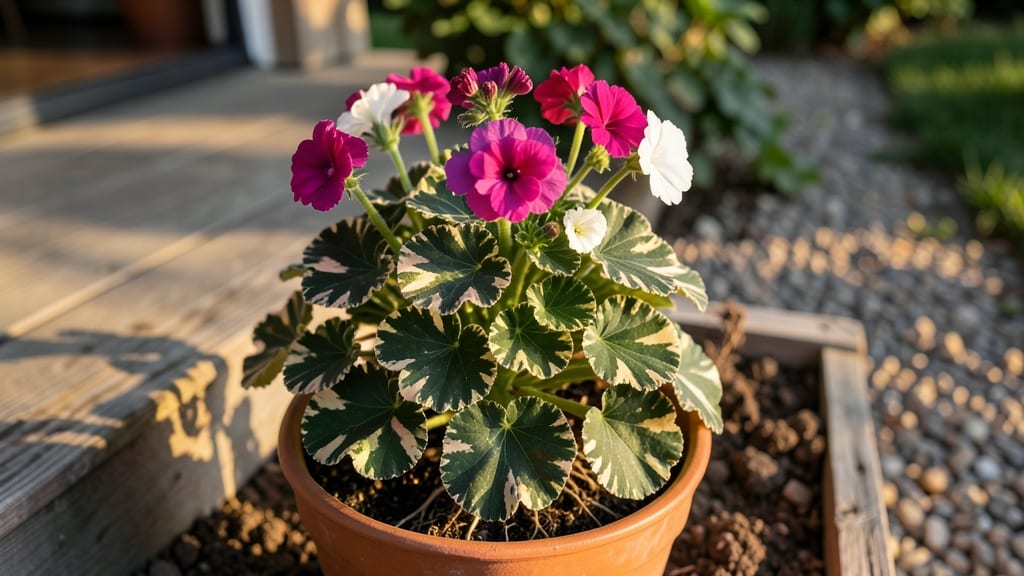
Variegated leaf geraniums bring that stunning contrast of white, pink, and green foliage to containers and borders—but fungal spots can ruin their show. 🌿 I’ve grown these beauties for years, and the key to keeping them spot-free lies in copper spray precision, not just good intentions.
These plants thrive in morning sun and afternoon shade, which protects their delicate variegation from scorching. Overwatering is their Achilles’ heel—let the top inch of soil dry out between drinks, and always use pots with drainage.
The copper spray (applied every 2 weeks) stops fungal spots before they start, while pruning leggy stems encourages bushier, more vibrant growth. By summer’s end, you’ll have geraniums so lush they’ll make your neighbors ask for cuttings. The secret?
Balancing sun, water, and that copper spray—no guesswork, just consistent care. Even the variegated varieties (which can be fussier) reward this attention with bold, healthy foliage that lasts all season.
Start with well-draining potting mix—regular garden soil will drown their roots. A 5-gallon container works perfectly for one plant, and adding perlite improves airflow. When fungal spots appear, don’t panic: wipe leaves with a damp cloth first, then spray with copper fungicide. The goal is prevention, not cleanup.
Leggy growth? It’s a sign of too little light or overcrowding. Pinch back the tips in early spring to trigger bushier stems, and fertilize lightly every 4 weeks with a balanced formula.
Variegated geraniums handle heat better than solid-colored ones, but they still need afternoon shade in zones 8 and hotter to keep their colors crisp.
Troubleshooting is simple: yellow leaves mean overwatering; brown edges mean underwatering or salt buildup. For extra insurance, rotate pots weekly to ensure even sun exposure. With this care routine, your variegated geraniums will outshine the rest of the garden—and stay fungus-free all season.
📚 In This Guide
- What you need
- Instructions
- Tips and common mistakes
- Wrapping up and next steps
What you need
- ● Variegated leaf geraniums: Healthy plants (3–6, depending on desired coverage)
- ● Copper fungicide spray: Choose a ready-to-use liquid (e.g., Bonide Copper Fungicide) or a powder/concentrate (e.g., Copper Sulfate). 1 quart of liquid spray should cover ~100 sq ft.
- ● Spray bottle or pump sprayer: 1–2 gallon capacity (for larger plants/gardens). Look for reusable, durable options with a fine mist nozzle.
- ● Gloves: 1 pair of nitrile or rubber gloves (copper can irritate skin).
- ● Water: 1–2 gallons (for diluting concentrate or rinsing tools).
- ● Pruning shears: 1 pair (sterilized with rubbing alcohol to prevent disease spread).
- ● Weather check: Apply spray on a calm, dry day (avoid high humidity or rain for 24–48 hours before/after).
- ● Sunlight access: Ensure plants receive 6+ hours of sunlight/day (variegated geraniums thrive in bright light!).
- ○ Optional but helpful: 💡 pH test kit: Check soil pH (ideal range: 6.0–7.0 for copper absorption).
- ● 🌡️ Thermometer: Monitor temps (avoid spraying if below 50°F or above 90°F).
- ● ✨ Compost or mulch: 2–3 inches to improve soil drainage and reduce fungal risk.
Step-by-Step guide to cultivating healthy variegated leaf geraniums
Here’s how to grow vibrant variegated geraniums while keeping fungal spots at bay—no guesswork, just precision.
🌱 Step 1: Select and Prepare the Right Containers
Variegated geraniums thrive in 6-inch pots with drainage holes—terracotta is ideal because it breathes and prevents root rot. I use 4 pots for this project, each filled with 1/3 perlite (for aeration) and 2/3 premium potting mix (never garden soil). Mix these thoroughly to create loose, well-draining soil that mimics their Mediterranean roots.
Press the soil down gently but firmly—you want it compact enough to support stems but still crumbly enough for roots to penetrate. Leave 1 inch of space below the rim to avoid spilling when watering. Here’s the thing—if your pots lack drainage, drill holes yourself. Waterlogged roots will turn leaves yellow and invite fungal spots faster than copper spray can fix them.
☀️ Step 2: Position for Maximum Light and Airflow
Variegated geraniums demand 6+ hours of direct sunlight daily—a south or west-facing window is perfect. I place mine on a rolling plant stand so I can rotate them weekly, ensuring even growth and preventing leggy stems. Without enough light, the variegation fades to solid green, and leaves become weak targets for fungal infections.
Airflow is just as critical. Space pots 8-12 inches apart to allow circulation—this reduces humidity around leaves, where fungal spores thrive. If you’re growing indoors, a small oscillating fan on low setting for 10 minutes daily mimics outdoor breezes. You’ll notice leaves stay crisp and upright instead of wilting or developing brown spots.
💧 Step 3: Water with Precision and Timing
Water when the top inch of soil feels dry—stick your finger in to check. Overwatering is the #1 killer of variegated geraniums, causing root rot and fungal outbreaks. I water deeply at the base until it drains from the bottom, then empty the saucer after 10 minutes to prevent soggy roots. Copper spray won’t help if the problem starts underground.
Mist leaves only in the morning—this gives them time to dry before evening humidity sets in. If you see water droplets lingering on foliage past midday, wipe them off with a dry cloth. Wet leaves are fungal magnets, and variegated varieties are especially susceptible because their lighter patterns disrupt natural leaf wax, making them more vulnerable.
✂️ Step 4: Prune and Apply Copper Spray Proactively
Pinch back leggy stems to encourage bushier growth—cut just above a leaf node where new branches will form. I do this every 4-6 weeks during active growth (spring to fall). Deadhead spent blooms immediately to redirect energy to foliage. Here’s the trick: if you see yellowing leaves with brown edges, it’s often a sign of overwatering or fungal stress—prune those leaves off at the stem to prevent spread.
Apply copper fungicide spray every 2 weeks as a preventive measure, even if leaves look healthy. Mix according to label instructions and spray early in the morning on a calm day. Avoid spraying when leaves are wet—this dilutes the copper’s effectiveness. Focus on the undersides of leaves, where fungal spores often hide. You’ll know it’s working when new growth appears free of spots and the variegation stays sharp.
🪴 Step 5: Fertilize and Repot Strategically
Feed with a balanced liquid fertilizer (10-10-10) diluted to half-strength every 4 weeks during the growing season. Variegated geraniums are sensitive to over-fertilizing—too much salt builds up in the soil, burning roots and leaves. Always water thoroughly before fertilizing to flush out any residual salts from previous applications.
Repot every 2 years or when roots circle the pot. Choose a container 2 inches larger in diameter—bigger isn’t always better. Overpotting leads to soggy soil and fungal issues. Gently tease apart crowded roots and trim any that look mushy or blackened. Refresh the soil mix completely to avoid carrying over pathogens. You’ll see a noticeable perk-up in growth within 2 weeks of repotting.
Tips & tricks for cultivating vibrant variegated geraniums
These precision-focused tips will help you maintain those stunning variegated patterns while keeping fungal spots at bay—because the secret to success lies in the details.
Soil Mix Mastery: When mixing your 1/3 perlite and 2/3 premium potting soil in Step 1, sift the potting mix first to eliminate clumps. This creates an even, airy texture that prevents compaction around roots. I like to add a handful of coarse sand to the mix for extra drainage—this mimics the rocky Mediterranean soil where geraniums thrive naturally. The goal is soil that feels like crumbly cake batter, not wet sand.
Light Rotation Strategy: In Step 2, I rotate my pots weekly to ensure all sides get equal sunlight exposure. Here's the trick: place a small piece of masking tape on each pot's side before rotating. After a month, you'll see which sides need more light—this helps you adjust positioning for balanced growth. Uneven light exposure causes variegation to fade on shaded sides, and those leaves become prime targets for fungal infections.
Copper Spray Technique: For the copper fungicide application in Step 4, I use a spray bottle with a fine mist setting to ensure even coverage. Focus on the undersides of leaves where spores hide, and spray until droplets form but don't pool. Here's what nobody tells you—after spraying, let the copper solution dry completely before moving the plant. I place mine on a wire rack to allow airflow underneath, which prevents moisture buildup that can actually encourage fungal growth.
Pruning Precision: When pinching back leggy stems in Step 4, use clean, sharp scissors or your fingers to make clean cuts just above a leaf node. Avoid tearing stems, which creates open wounds that attract fungal spores. I prune in the morning when plants are turgid (full of water) and can heal faster. After pruning, I always wipe down the scissors with rubbing alcohol to prevent cross-contamination between plants.
Pro Tips for Variegated Leaf Geranium
- These precision-focused tips will help you maintain those stunning variegated patterns while keeping fungal spots at bay—because the secret to success lies in the details.
- Soil Mix Mastery: When mixing your 1/3 perlite and 2/3 premium potting soil in Step 1, sift the potting mix first to eliminate clumps.
- Light Rotation Strategy: In Step 2, I rotate my pots weekly to ensure all sides get equal sunlight exposure.
Frequently asked questions
Got questions about your variegated leaf geraniums?
You’re not alone! Here are answers to the most common concerns—from care tips to troubleshooting—so you can keep those stunning, multicolored leaves thriving.
How often should I water my variegated leaf geranium?
Water your geraniums when the top inch of soil feels dry—usually every 2–3 days in warm weather, but less in cooler months. Overwatering is the #1 enemy of variegated geraniums, as it invites fungal spots (like the ones copper spray prevents!). Let excess water drain away to avoid soggy roots.
Why are the leaves turning brown or yellow?
Brown edges often mean underwatering or salt buildup from tap water, while yellowing can signal overwatering or nutrient deficiency. Check your watering habits and consider using rainwater or distilled water. If spots appear, a copper fungicide spray (like the one in our guide) can save the day!
Can variegated leaf geraniums survive full sun?
Yes, but with caution! While they love bright light, variegated varieties need partial shade (morning sun + afternoon shade) to prevent leaf scorch. In intense heat (especially in zones 8+), move them to a spot with dappled sunlight to preserve their stunning patterns.
How do I prevent fungal spots naturally?
Besides copper spray, improve airflow by spacing plants 12–18 inches apart, water at the base (avoid wetting leaves), and prune crowded stems. A baking soda spray (1 tsp baking soda + 1 quart water + drop of soap) can also help as a preventive measure.
Are variegated geraniums annuals or perennials?
In cold climates (zones 5–7), they’re treated as annuals—but in mild winters (zones 8–11), they can be perennials if protected with mulch or moved indoors. If you love them, save cuttings in water over winter to regrow them each spring!
Wrapping up and next steps
Growing variegated leaf geraniums can be incredibly rewarding, especially when you master the art of preventing fungal spots with precision copper spray techniques! 🌿 With the right tools, timing, and care, your plants will thrive—showcasing their stunning, multicolored foliage year after year.
Remember, consistency is key, whether you're monitoring moisture, applying treatments, or choosing organic alternatives.
Ready to take your gardening skills to the next level? Start by observing your geraniums weekly and adjusting your routine based on their needs. Happy growing—your future blooms will thank you! 🌟