
Pests and Diseases
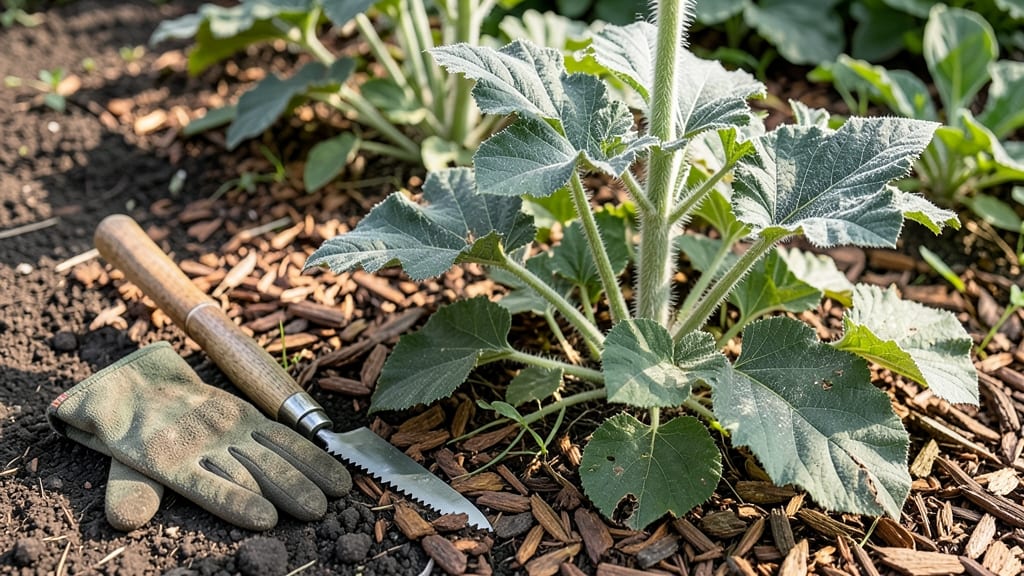
That fuzzy, fast-growing weed with heart-shaped leaves is velvet leaf (Abutilon theophrasti), and it can smother your garden before you know it. 🌱 I’ve wrestled with it in my vegetable beds, and the key is acting fast—before it drops thousands of seeds that sprout next year.
The good news? You can stop it without chemicals, but you’ll need persistence and the right techniques.
Velvet leaf thrives in warm weather and disturbed soil, which is why it pops up after tilling or planting. Its fuzzy leaves and tall stems make it look harmless, but left unchecked, it’ll outcompete your tomatoes, peppers, and squash.
The secret to organic control is a mix of hand-pulling, mulching, and smothering—plus a few unexpected tricks like solarization or competitive planting.
By the end of this, you’ll know exactly how to pull it up without breaking the soil (which just spreads seeds), when to use vinegar sprays (and how to make them stronger), and which mulches actually work.
Your garden will stay weed-free without harming the soil or beneficial insects—just healthy, thriving plants where yours should be.
Works for home gardens, organic farms, and even container growing—just adjust the timing for your local growing season. Let’s get that velvet leaf under control for good.
Root Causes Of Unwanted Growth
Understanding why invasive plants like velvet leaf weed (Abutilon theophrasti) take over your garden starts with recognizing the conditions that encourage their spread. These plants exploit specific weaknesses in your landscape—whether it’s poor soil health, disturbed ecosystems, or even human activity.
Here’s a breakdown of the key factors driving their persistence:
---
Velvet leaf weed thrives in disturbed, nutrient-rich soil, often outcompeting native plants for resources. Here’s why soil plays a critical role:
- High Nitrogen Levels 🧪 Weeds like velvet leaf flourish when soil nitrogen is abundant—common in over-fertilized lawns or gardens. Excess nitrogen promotes rapid, lush growth, giving these weeds a competitive edge over slower-growing perennials.
- Compacted or Poorly Drained Soil 💧 Velvet leaf weed prefers moist, compacted soil where water pools, creating ideal germination conditions. If your garden has heavy clay or poor drainage, weeds exploit these pockets of excess moisture.
- Lack of Organic Matter 🌿 Healthy soil with rich organic matter supports beneficial microbes and native plants. When soil is depleted, weeds fill the gap because they’re fast-growing opportunists that don’t rely on complex root systems.
Actionable Fix: Test your soil’s pH and nutrient levels (aim for 6.0–7.0 pH and balanced NPK ratios). Amend with compost or organic matter to crowd out weeds naturally.
---
Velvet leaf weed loves freshly tilled or recently cleared land because it exposes bare soil to sunlight and seeds. Common triggers include:
- Gardening Practices 🛠️ Frequent tilling or digging aerates the soil, bringing weed seeds closer to the surface where they germinate. Even mulching improperly (e.g., using thick layers that block sunlight) can create microclimates perfect for weeds.
- Construction or Landscaping Projects 🏗️ After breaking ground for patios, walkways, or new plantings, weed seeds lie dormant until disturbed. Velvet leaf weed capitalizes on this by germinating in large batches within weeks.
- Erosion or Bare Spots 🌀 Wind or water erosion exposes fresh soil, giving weeds a head start. If your garden has patchy grass or exposed dirt, these areas become hotspots for invasion.
Actionable Fix: Use mulch (straw, wood chips) to suppress weeds and retain moisture. Avoid excessive tilling—opt for no-till gardening where possible.
---
Velvet leaf weed spreads aggressively through seeds, which hitchhike on clothing, tools, and even wildlife. Key contributors:
- Wind & Animal Spread 🐦💨 Each velvet leaf plant produces thousands of seeds that disperse via wind or animals. Mature plants can release seeds for years, ensuring long-term persistence.
- Contaminated Garden Tools or Soil 🔧 Seeds cling to shovels, rakes, and boots, spreading to new areas. Even "clean" potting soil or compost can harbor dormant seeds.
- Improper Disposal of Plant Debris 🗑️ Leaving cut weed stems or pulling plants without removing roots leaves seeds in the soil to regrow. Never compost velvet leaf weed—it can reinfest your garden.
Actionable Fix: - Sanitize tools with rubbing alcohol between uses. - Bag and discard weed debris in sealed trash (not compost). - Wear gloves when pulling weeds to avoid spreading seeds.
--- Velvet leaf weed favors warm, humid conditions and thrives in: - Summer Heat ☀️ (60–90°F ideal for germination) - High Humidity 💦 (reduces stress on seedlings) - Late Planting Seasons ⏳ (seeds germinate in fall for spring growth)
Actionable Fix: Monitor your garden in early spring and late summer—these are peak germination windows. Use pre-emergent herbicides (organic options like corn gluten meal) to prevent seeds from sprouting.
--- Native plants and ground covers naturally suppress weeds by: - Shading the soil (reducing light for weed seeds). - Competing for nutrients (starving out invasives). - Stabilizing soil (preventing erosion that exposes seeds).
When your garden lacks diversity, velvet leaf weed fills the void with rapid, unchecked growth.
Actionable Fix: Plant dense ground covers (clover, creeping thyme) or native perennials to outcompete weeds. Even a thick mulch layer (3–4 inches) blocks sunlight and smothers seeds.
--- Key Takeaway: Velvet leaf weed doesn’t just appear—it exploits gaps in your garden’s defenses. By addressing soil health, disturbance, seed spread, and competition, you can starve it out before it takes over. 🚫🌱
Quick Fixes for Stubborn Weeds
Dealing with invasive weeds like velvet leaf can feel like a losing battle, but with the right strategies, you can reclaim your garden naturally and effectively. Below are targeted solutions based on the most common causes—whether it’s overcrowding, poor soil health, or a lack of proactive care.
Each fix is designed to be practical, eco-friendly, and easy to implement, even for beginners.
---
If your garden is packed with weeds because of dense plant competition or nutrient-poor soil, the solution starts with prevention and smart spacing.
#### 🔥 Improve Soil Quality First Weeds thrive where native plants struggle. Amend your soil with compost or well-aged manure to boost organic matter, which encourages strong root growth in your desired plants.
Aim for a mix of 50% topsoil, 30% compost, and 20% perlite or sand for better drainage and aeration.
#### 🍳 Mulch Like a Pro A thick layer of organic mulch (3–4 inches) suppresses weeds by blocking sunlight. Use: - Straw or grass clippings (cheap and effective) - Wood chips or shredded leaves (slow-release nutrients) - Cardboard or newspaper (under mulch for extra weed barriers)
Pro Tip: 💡 Refresh mulch every 3–6 months to maintain its weed-blocking power.
#### 👨🍳 Hand-Pull Early and Often For young velvet leaf weeds, manual removal is the most effective method. Pull them before they seed (when they’re small) by grasping the base and wiggling to loosen roots. Wear gloves—these weeds have sap that can irritate skin!
---
Velvet leaf weeds grow aggressively in heat, making them harder to control. Beat them with these heat-specific tactics.
#### 🥘 Solarize the Soil (For Severe Infestations) If your garden is overrun, solarization can kill weeds and pests naturally. Here’s how: 1. Water the soil thoroughly 2–3 days before solarization. 2. Cover the area with clear plastic sheeting, securing edges with rocks or soil.
3. Leave for 4–6 weeks (peak summer heat will cook weeds underground). 4. Remove plastic, till the soil, and replant.
Warning: ⚠️ Avoid this method in vegetable gardens—it also kills beneficial microbes.
#### 🔪 Mow or Trim Regularly For lawns or large garden beds, mowing high (3–4 inches) shades out weeds by reducing sunlight. Use a string trimmer for edges where weeds pop up between pavers or walkways.
---
The best defense is a consistent routine. Here’s how to keep velvet leaf weeds from returning:
#### 🌱 Plant Strategically - Use dense ground covers (like clover or creeping thyme) to outcompete weeds. - Space plants 12–18 inches apart to allow airflow and reduce hiding spots for weeds. - Interplant with fast-growing crops (like radishes or lettuce) to fill gaps quickly.
#### 💪 Rotate Your Garden Layout Weeds return to the same spots if soil conditions favor them. Rotate crops and garden beds annually to disrupt their lifecycle.
#### 🌡️ Vinegar Spray (For Spot Treatment) A homemade vinegar spray (1 gallon white vinegar + 1 oz dish soap + 1 cup salt) can kill young velvet leaf weeds. Spray on sunny days—avoid desirable plants, as vinegar is non-selective.
Pro Tip: ✨ Test a small area first—vinegar can bleach some mulches or fabrics.
--- By combining preventive habits with targeted treatments, you’ll keep velvet leaf weeds from taking over—without harsh chemicals. Start with one or two methods this season, and watch your garden thrive!
Frequently asked questions
How do I tell velvet leaf weed apart from other fuzzy-leaved plants?
Velvet leaf weed (Abutilon theophrasti) has heart-shaped leaves with a velvety texture and grows on tall, hairy stems that can reach 5 feet. Look for its yellow flowers (in summer) and capsule-like seed pods that burst open when mature. Unlike lamb's quarters (which has smooth stems) or milkweed (with milky sap), velvet leaf has no milky juice and its leaves feel soft to the touch.
Will vinegar really kill velvet leaf weed without harming my garden?
Vinegar works best on young velvet leaf weeds and is non-selective, so test a small area first. A mix of 1 gallon white vinegar + 1 oz dish soap + 1 cup salt sprayed directly on leaves kills them within 24 hours. For safety, apply on sunny days and avoid spraying desirable plants—vinegar can damage foliage and mulch.
How long does it take for solarization to eliminate velvet leaf weed?
Solarization requires 4–6 weeks of peak summer heat (above 85°F) to fully kill velvet leaf weed roots. Water the soil 2–3 days before covering with clear plastic, then leave it sealed. Check progress by lifting a corner—if weeds are wilted and soil feels hot, it’s working. Remove plastic immediately after treatment to replant.
Can I compost velvet leaf weed after pulling it?
No—never compost velvet leaf weed! Its seeds remain viable in compost and can reinfest your garden. Instead, bag and discard the entire plant (roots and all) in sealed trash. If you must compost, let it dry completely for at least 2 weeks first, but even then, seed viability isn’t guaranteed.
Why does velvet leaf weed keep coming back even after I pull it?
One mature velvet leaf plant produces thousands of seeds that can lie dormant for years. If you don’t remove all roots or disturb the soil (like tilling), buried seeds germinate. Focus on pre-emergent mulching and consistent hand-pulling before flowers appear. Solarization or smothering with cardboard can also break the cycle.