
Pests and Diseases
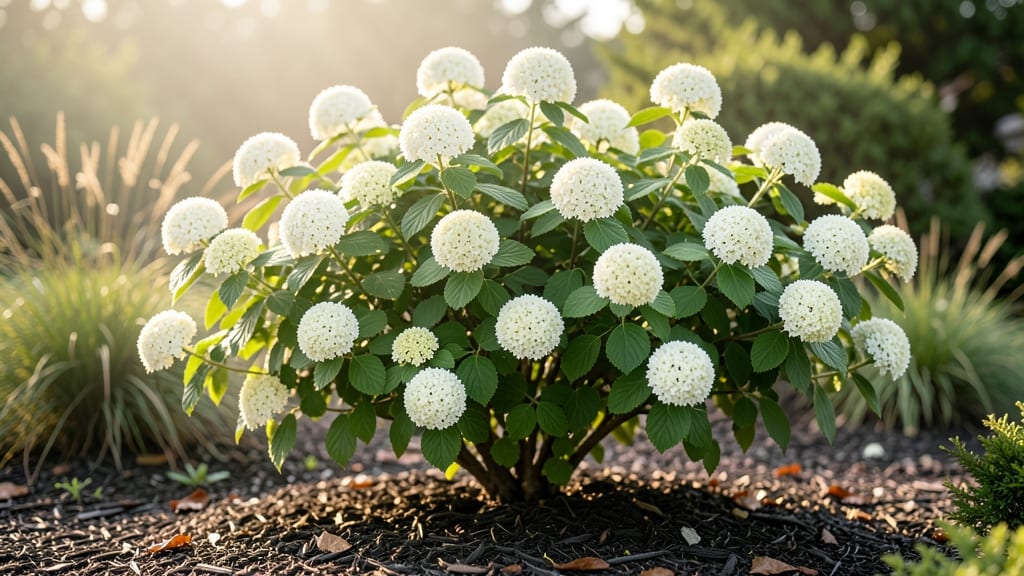
Your Viburnum plicatum leaf could be the star of your landscape year-round—if you prune them right. 🌿 I’ve watched these glossy, maple-like leaves turn from spring’s vibrant green to fiery fall hues, only to see them fade into dull brown when neglected.
The secret isn’t complicated: timing, technique, and a little seasonal TLC keep them thriving. This shrub’s leaves are its calling card, and they reward careful pruning with dense, layered foliage that stays lush even in winter. The key? Pruning after flowering but before new growth hardens—usually in late spring.
A sharp pair of shears and 30 minutes is all you need to shape it without sacrificing next year’s blooms. You’ll notice the difference immediately: leaves stay vibrant, branches fill out, and the plant resists pests like lace bugs that target stressed foliage.
The pruning also opens up the center, letting sunlight reach lower leaves and preventing that sad, leggy look. Works for both sun-drenched borders and partial shade spots. Let’s get those leaves looking their best all season long.
📚 In This Guide
- What you need
- Instructions
- Tips and common mistakes
- Wrapping up and next steps
What you need
- ● Pruning shears: Bypass pruners (sharp, clean, and sterilized with rubbing alcohol to prevent disease). 1 pair (for small branches).
- ● Loppers: For thicker branches (½"–1" diameter). 1 pair (with a bypass blade for precision cuts).
- ● Hand pruners: For fine-tuning and small cuts. 1 pair (ergonomic grip recommended).
- ● Gloves: Heavy-duty gardening gloves (cut-resistant for safety). 1 pair.
- ● Disinfectant: 70% isopropyl alcohol or a gardening disinfectant spray (to sterilize tools between cuts).
- ○ Pruning sealant (optional but helpful): For larger cuts (>¾" diameter) to prevent disease entry. Small tube.
- ● Garden twine or tape: For temporary support if pruning creates weak branches. 1 roll.
- ● Trash bags: For collecting pruned debris. 2–3 bags.
- ● Extension pole saw: For high branches (if your viburnum is mature). 1 unit.
- ● Magnifying glass: To inspect leaves for pests/diseases before pruning. 1 small.
- ● Pruning saw: For stubborn, thick branches. 1 handheld.
- ● Notebook & pen: To sketch your viburnum’s shape or mark cuts before pruning. 1 each.
- ● Fertilizer (balanced, slow-release): 10-10-10 or similar, to nourish the plant post-pruning. Small bag.
Step-by-step instructions for pruning Viburnum plicatum
Here’s how I keep my Japanese snowball bushes thriving with vibrant, healthy foliage all year.
✂️ Step 1: Prune in Late Winter or Early Spring
Wait until just before new growth begins—typically February to early March in most climates. This timing ensures you remove dead wood while preserving next season’s buds. I always prune on a dry day to avoid spreading disease through wet tools or leaves.
Start by removing any dead, diseased, or crossing branches at the base. Cut just outside the branch collar (the swollen area where the branch meets the trunk) to prevent unsightly stubs. Use sharp bypass pruners for clean cuts—dull blades tear wood, inviting infection.
✂️ Step 2: Shape for Airflow and Light Penetration
Viburnum plicatum thrives with open, airy growth, so thin out crowded branches to improve airflow. Aim to remove about 20-30% of the oldest stems each year to encourage new, vigorous growth. I focus on branches growing inward or rubbing against others—these compete for resources and weaken the bush.
Step back often to visualize the plant’s natural shape. The goal is to maintain a rounded, layered silhouette while keeping the center open. Avoid over-pruning—this shrub responds best to gradual shaping rather than drastic cuts.
☀️ Step 3: Encourage Flowering and Foliage Growth
After shaping, look for last year’s flower buds—they form on one-year-old wood and appear as plump, swollen nodes along the stems. Never prune these off! Instead, focus cuts on older, non-flowering branches to redirect energy to new growth.
For lush foliage, I lightly trim overly long branches to encourage bushier growth. Cut back to an outward-facing bud to maintain the plant’s natural form. If your viburnum isn’t flowering as expected, it may need more sunlight—full sun to partial shade is ideal for optimal blooms.
⏰ Step 4: Clean Up and Monitor Growth
After pruning, sterilize your tools with rubbing alcohol to prevent disease spread. Remove all clippings from the area—don’t compost them if they show signs of disease. I also apply a balanced, slow-release fertilizer in early spring to support new growth.
Watch for new shoots emerging from the base or along branches—these are signs of healthy regrowth. Water deeply after pruning to help the plant recover, but avoid overwatering, which can lead to root rot. Mulch around the base with 2-3 inches of organic mulch to retain moisture and suppress weeds.
Tips & tricks for pruning Viburnum plicatum
Let me save you the trial-and-error I went through—these are the hard-won secrets that keep my Japanese snowball bushes looking like they belong in a botanical garden.
Timing is Everything: That February-to-March window is non-negotiable for good reason. If you prune too early, you risk cutting off next year's flower buds that form on last year's wood. I mark my calendar because even a week late can mean sacrificing those stunning spring blooms. The dry day rule isn't just about comfort—wet tools and leaves spread fungal diseases faster than you can say "powdery mildew."
Branch Collar Technique: I learned this the hard way after ending up with ugly stubs that looked like someone had taken a chainsaw to my bush. Always cut just outside that swollen collar where the branch meets the trunk. It's the plant's natural healing point, and it prevents those unsightly wounds that invite disease. Think of it as the plant's own bandage—clean cuts heal better.
Visualizing the Shape: Here's what nobody tells you—step back and squint! Your eyes see the bush differently when you're close. I pretend I'm looking at a sculpture and ask myself, "Does this branch add to the rounded silhouette or just take up space?" That 20-30% rule isn't arbitrary—it's about creating that airy, layered look while keeping the center open. Trust me, your bush will thank you with better airflow and fewer pests.
Flower Bud Detective Work: Those plump, swollen nodes on one-year-old wood are your viburnum's promise of next year's blooms. I train myself to spot them by running my fingers along the stems—feel for those little bumps that look like tiny knuckles. When in doubt, leave it! The older, non-flowering branches are fair game for pruning, but those buds are your bush's future.
Pro Tips for Viburnum Plicatum Leaf
- Let me save you the trial-and-error I went through—these are the hard-won secrets that keep my Japanese snowball bushes looking like they belong in a botanical garden.
- Timing is Everything: That February-to-March window is non-negotiable for good reason.
- Branch Collar Technique: I learned this the hard way after ending up with ugly stubs that looked like someone had taken a chainsaw to my bush.
Frequently asked questions
Got questions about keeping your Viburnum plicatum leaves thriving?
Here are answers to the most common concerns—from pruning timing to pest troubleshooting.
When is the best time to prune Viburnum plicatum for leaf health?
Prune your Viburnum plicatum in late winter or early spring (before new growth starts) to avoid stressing the plant. Light shaping can also be done after flowering (late spring/early summer), but avoid heavy cuts then—it may reduce next year’s blooms. Never prune in fall or winter in cold climates, as it can leave cuts vulnerable to frost damage.
Why are my Viburnum plicatum leaves turning yellow or spotted?
Yellowing or spotted leaves often signal fungal issues (like powdery mildew or leaf spot) or pests (e.g., spider mites or scale insects). Check the undersides of leaves for webbing or sticky residue. Solution: Prune affected branches immediately, apply neem oil or a fungicide, and improve airflow by thinning dense growth. Overwatering can also cause yellowing—ensure soil drains well.
Can I prune Viburnum plicatum leaves mid-season without hurting the plant?
Yes! Light pruning mid-season (e.g., removing dead or crossing branches) is safe, but avoid heavy cuts. Focus on deadheading spent blooms to encourage more flowers. For leaf health, never remove more than 1/3 of the plant’s foliage at once. If you’re reshaping, do it gradually over 2–3 years to minimize stress.
What’s a good alternative if my Viburnum plicatum leaves keep dying back?
If your Viburnum plicatum struggles with leaf health, consider these hardy, low-maintenance alternatives:
- Viburnum bodnantense ("Winter Sunshine") – Cold-hardy with vibrant winter blooms.
- Viburnum lantana – Drought-tolerant with glossy, disease-resistant leaves.
- Abelia × grandiflora – Evergreen (in mild climates) with fragrant flowers.
How do I protect Viburnum plicatum leaves from winter damage?
Cold snaps can stress Viburnum plicatum, but these steps help:
- Apply a 2–3 inch layer of mulch around the base (but not touching the trunk) to insulate roots.
- Avoid late-season pruning—it removes protective foliage.
- In Zone 5 or colder, wrap young plants with burlap or use frost cloth for severe winters.
- Water deeply before the first hard freeze to hydrate roots.
Wrapping up and next steps
Caring for Viburnum plicatum leaves doesn’t have to be a mystery—with the right pruning techniques, you’ll enjoy vibrant, year-round foliage that turns heads! 🌿 From timing and tools to troubleshooting pests, you now have the pro tips to keep your plant thriving.
Whether you’re a seasoned gardener or just starting out, these secrets will help you cultivate a stunning, healthy shrub.
Ready to put your newfound knowledge into action? Grab your pruners, schedule that spring cleanup, and give your Viburnum plicatum the love it deserves! Your garden will thank you with lush, glossy leaves for seasons to come.