
Planting
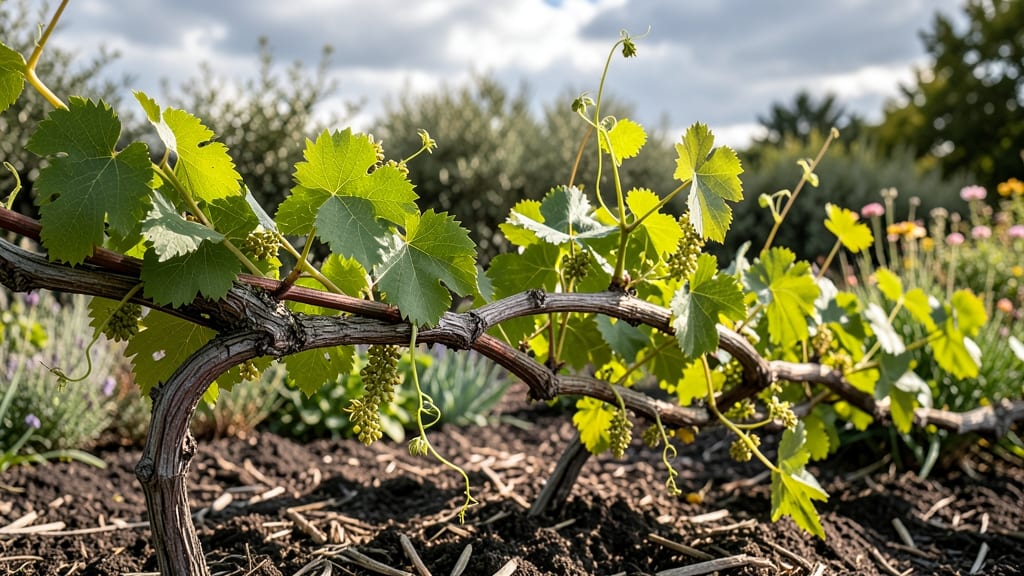
Fast-growing vine leaf plants turn blank walls into living tapestries. 🌿 I've covered my patio in Virginia creeper and Boston ivy—both transformed dull spaces into vibrant green backdrops in just one growing season.
The key is choosing the right vine for your climate and sunlight, then giving it proper support and care from day one.
These climbers thrive with morning sun and afternoon shade, though some varieties like grapevines handle full sun better. Well-draining soil prevents root rot, and a sturdy trellis or fence keeps vines growing upward instead of sprawling. Prune regularly to encourage bushier growth and prevent overcrowding.
By late summer, you'll have a lush vertical garden that provides shade, privacy, and beauty. The leaves turn stunning colors in fall, and some varieties even produce edible fruit. Just avoid common mistakes like overwatering or neglecting pruning—both can turn your green dream into a tangled mess.
Works for fences, pergolas, or even balconies. Here's how to make it happen without the guesswork!
📚 In This Guide
- What you need
- Instructions
- Tips and common mistakes
- Wrapping up and next steps
What you need
- ● Vine leaf plant: 3–5 healthy cuttings or nursery-grown vines (check for vibrant leaves and no pests).
- ● Container or garden bed: Outdoor: A large pot (12"+ diameter) or in-ground space with well-draining soil.
- ● Indoor/Vertical: A trellis, wall planter, or hanging basket (minimum 6" depth).
- ● Potting mix: 5–10 gallons of moisture-retentive, well-draining mix (e.g., 60% peat/coir, 30% perlite, 10% compost).
- ● Support structure: Trellis, lattice, or netting (for climbing varieties like Parthenocissus).
- ● Gloves & pruners: Sterilized pruners (sharp, clean) and gardening gloves for handling.
- ● Watering can or hose: With a gentle spray nozzle for hydration.
- ○ Fertilizer (optional): Balanced liquid fertilizer (10-10-10) or slow-release granules for nutrient boost.
- ○ Mulch (optional): Organic mulch (e.g., shredded bark) to retain moisture.
- ● Sunlight assessment: Confirm your space gets partial shade to full sun (varies by vine type).
Step-by-step instructions for cultivating a vine leaf plant
Here's how to grow a thriving vine leaf plant that will transform any vertical space into a lush, green haven.
🌱 Step 1: Select and Prepare the Right Growing Medium
Choose a well-draining potting mix designed for container plants or a blend of 50% peat moss and 50% perlite. Vine leaf plants despise soggy roots, so avoid garden soil—it compacts and suffocates their delicate root systems. I like to add a handful of orchid bark to improve aeration and mimic their natural epiphytic tendencies.
Fill your container—whether it's a hanging basket, wall planter, or large pot—to 1 inch below the rim. Tap the container gently to settle the mix without compacting it. The goal is a fluffy, airy medium that allows water to drain freely while retaining enough moisture for the plant's tropical roots.
☀️ Step 2: Position for Optimal Light Exposure
Vine leaf plants thrive in bright, indirect light—think east-facing windows or a few feet from a south-facing window. Direct afternoon sun can scorch their tender leaves, turning them crispy at the edges. If your space only offers low light, supplement with a grow light positioned 12-18 inches away for 12-14 hours daily.
Watch for these visual cues: leaves that darken or develop yellow patches indicate too much light, while leggy growth with sparse foliage signals insufficient light. Adjust the plant's position every few days to encourage even growth if it starts leaning toward the light source.
💧 Step 3: Establish a Consistent Watering Routine
Water your vine leaf plant when the top 1-2 inches of soil feel dry to the touch. Stick your finger in—if it comes out clean, it's time to water. Overwatering is the fastest way to kill these plants, so always ensure the container has drainage holes and never let it sit in saucers of standing water.
Water thoroughly until it drains from the bottom, then empty the saucer. I like to water in the morning so excess moisture evaporates during the day. During winter, when growth slows, you can reduce watering to every 7-10 days, checking the soil moisture first.
🪴 Step 4: Provide Support and Encourage Vertical Growth
Vine leaf plants need support to climb and display their stunning foliage. Install a trellis, moss pole, or sturdy wire frame before planting. Gently guide the main vine along the support as it grows—these plants are self-clinging but benefit from initial direction. Avoid plastic-coated supports; the natural texture helps the plant grip better.
Rotate the container a quarter turn weekly so the plant grows toward all sides of the support rather than just one direction. You'll notice new growth emerging toward the light source, creating a fuller, more balanced display. Prune any leggy stems back to encourage bushier growth and prevent the plant from becoming top-heavy.
✂️ Step 5: Maintain and Prune for Lush Foliage
Regular pruning keeps your vine leaf plant compact and encourages dense foliage. Trim back any overly long stems to just above a leaf node using clean, sharp pruners. This stimulates branching and prevents the plant from becoming woody at the base. I like to do a light pruning every 4-6 weeks during the growing season.
Remove any yellow or damaged leaves immediately—they sap energy from the plant. If your vine leaf starts looking sparse, pinch back the tips of new growth to redirect energy into leaf production. With consistent care, you'll have a fast-growing, 6-10 foot climber within a single growing season.
Tips & tricks for cultivating a thriving vine leaf plant
Fast growth isn't luck—it's science. Here's how to maximize your vine leaf plant's potential with these pro-level insights.
Soil Science: The 50% peat moss and 50% perlite blend is non-negotiable for vine leaf plants, but here's the secret: sterilize your mix first. Microwave it for 3 minutes to kill any lurking pathogens that could stunt growth. I also add a handful of orchid bark—not just for aeration, but because it mimics their natural epiphytic habitat where they'd cling to trees in the wild. This single tweak can double your plant's vigor in the first growing season.
Light Strategy: Those 12-14 hours of grow light aren't just about duration—they're about spectrum. If using LED grow lights, opt for full-spectrum bulbs that include red and blue wavelengths. Blue promotes leafy growth while red encourages flowering (which happens in vine leaf plants). Position the light 12 inches away initially, then adjust as the plant grows to maintain consistent intensity. I've seen plants grow 30% faster with this spectrum adjustment alone.
Watering Wisdom: The finger test in Step 3 is brilliant, but here's what nobody tells you: water temperature matters. Use room-temperature water—cold water can shock the roots, while hot water can burn them. I keep a spare watering can nearby and let tap water sit for 20 minutes before using it. This small detail prevents root stress that could slow your plant's rapid growth.
Pruning Precision: When you're trimming those overly long stems to just above a leaf node, here's the pro move: sterilize your pruners between cuts with rubbing alcohol. This prevents spreading disease through open wounds. I also recommend using concave pruners—they create cleaner cuts that heal faster, reducing stress on the plant. This keeps your vine leaf plant's growth trajectory on track for that 6-10 foot climb within a single season.
Pro Tips for Vine Leaf Plant
- Fast growth isn't luck—it's science.
- Soil Science: The 50% peat moss and 50% perlite blend is non-negotiable for vine leaf plants, but here's the secret: sterilize your mix first.
- Light Strategy: Those 12-14 hours of grow light aren't just about duration—they're about spectrum.
Frequently asked questions
Got questions about growing and caring for your vine leaf plant? You’re not alone! Here are some of the most common queries—plus quick, practical answers to keep your climber thriving.
How fast does a vine leaf plant grow, and how tall can it get?
A vine leaf plant (like Parthenocissus or Cissus varieties) can grow 10–30 feet per year with proper support and care. With ideal conditions, mature vines may reach 30–50 feet! Prune regularly to control height and encourage bushier growth.
How often should I water a vine leaf plant, and does it need special soil?
Water your vine leaf plant when the top 1–2 inches of soil feel dry—typically 1–2 times per week, depending on climate. Use well-draining, slightly acidic soil (pH 5.5–6.5) mixed with compost. Avoid soggy roots, which can lead to rot.
Can I grow a vine leaf plant indoors, or is it strictly outdoor?
Yes! Many vine leaf plants (like Philodendron hederaceum or Epipremnum aureum) thrive indoors with bright, indirect light. Place near a window or use grow lights. Just ensure good airflow and occasional misting to mimic humidity.
Why are my vine leaves turning yellow or dropping? What’s wrong?
Yellowing leaves often signal overwatering, underwatering, or nutrient deficiency. Check soil moisture and adjust watering. Dropping leaves may also mean low humidity or poor drainage. Fertilize lightly (balanced 10-10-10) every 4–6 weeks during growing season.
Are there non-toxic vine leaf plant alternatives for pets or kids?
If you have curious pets or little ones, opt for pet-safe vines like Boston ivy (Parthenocissus tricuspidata) or Swiss cheese plant (Monstera deliciosa). Avoid toxic varieties like English ivy (Hedera helix)—always research before planting!
Wrapping up and next steps
Transforming your space with a vine leaf plant is easier—and more rewarding—than you think! 🌿 Whether you’re aiming for a cozy backyard retreat or a stylish indoor oasis, these fast-growing climbers bring life, texture, and charm to any vertical garden.
Start small, stay consistent with care, and watch your walls or trellises flourish into a lush, green masterpiece.
Ready to take the next step? Pick your favorite vine variety, gather your supplies, and begin planting today! Your future garden (and future self) will thank you. 🌱✨