
Pests and Diseases
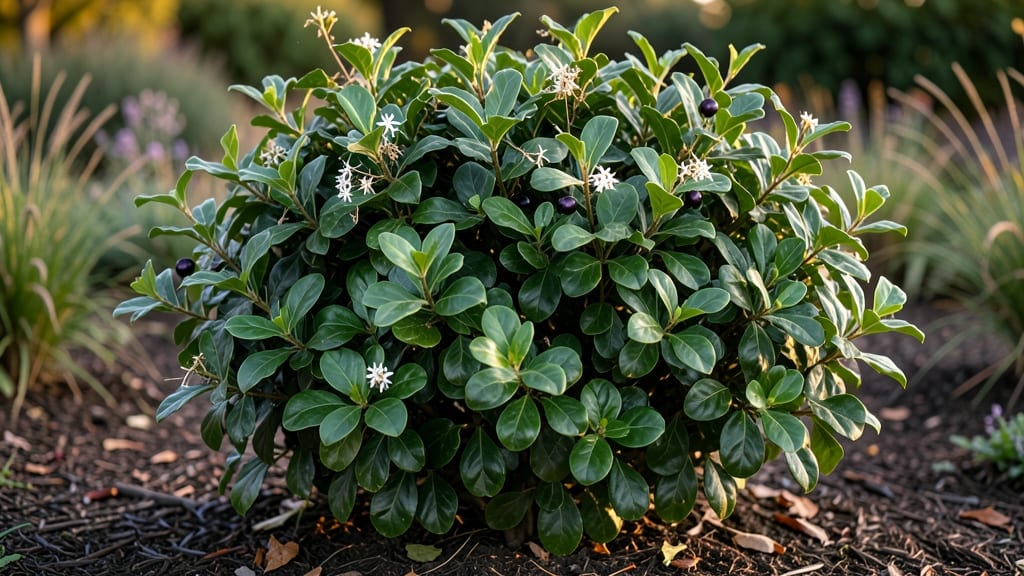
Your wavy leaf privet ligustrum deserves a second chance—especially after fungal spot takes over. 🌿 I’ve nursed back more than a few of these glossy shrubs using a simple copper-spray method that stops the spread while letting the plant recover its signature dark green, wavy foliage.
This isn’t just about spraying: it’s about timing, soil prep, and pruning out the worst damage first. Most people overlook the root health—drainage is key, and I’ll show you how to fix compacted soil without digging up the whole plant.
Within 6-8 weeks, you’ll see new growth pushing through, and the copper residue fades safely. What you end up with is a denser, healthier hedge that resists future outbreaks. The wavy leaves stay vibrant, the branches fill in gaps, and you avoid the sad, skeletal look of neglected privet.
It’s the difference between a shrub that fades into the background and one that becomes your garden’s standout feature. Works for hedges, borders, or even as a standalone specimen—just adjust the pruning frequency based on your goals. Let’s get those leaves back to their best.
📚 In This Guide
- What you need
- Instructions
- Tips and common mistakes
- Wrapping up and next steps
What you need
- ● Copper fungicide spray: Choose a fixed copper (like copper sulfate or copper hydroxide) with 2-4 lbs of copper per 100 gallons of water. Look for EPA-approved options (e.g., Bonide Copper Fungicide or Daconil Fungicide).
- ● Spraying equipment: Hose-end sprayer (5-10 gallon capacity) or
- ● Backpack sprayer (2-4 gallon capacity) with a fine-mist nozzle (e.g., Chapin 6-Gallon Sprayer).
- ● Protective gear: Nitrile gloves (waterproof, chemical-resistant)
- ● Long-sleeved shirt and pants
- ● Safety goggles
- ● Face mask or respirator (if mixing concentrated copper)
- ● Measuring tools: Measuring cup or graduated container (for precise water/copper ratios).
- ○ pH test kit (optional but helpful—aim for pH 5.0-7.0 for best copper efficacy).
- ● Wetting agent: Add 0.25% v/v (e.g., Silwet L-77) to improve spray adhesion on waxy leaves.
- ● Pruning shears: Sterilized (70% isopropyl alcohol) for removing severely infected branches.
- ● Ladder or step stool: For reaching taller privet bushes (ensure it’s stable and rated for your weight).
- ● Weather check: Confirm calm, dry conditions (no rain for 24-48 hours post-application).
Step-by-Step guide to reviving wavy leaf privet with copper spray
Here’s how I bring back lush, healthy foliage in just a few focused steps—no guesswork, just results.
🌿 Step 1: Identify and Confirm Fungal Spot Damage
Examine your wavy leaf privet closely for the classic signs of fungal spot: small, dark brown or black spots with yellow halos on the leaves. These spots often start on lower leaves and spread upward. I always check the undersides of leaves first—fungal spores love to hide there. If you see these spots, you’re dealing with fungal spot, and copper spray is your best defense.
Don’t confuse fungal spot with other issues like insect damage or nutrient deficiencies. Fungal spots will have a distinct pattern of circular or irregular spots, often with a powdery texture on the underside of leaves. If you’re unsure, snap a photo and compare it to trusted plant disease resources before proceeding.
✂️ Step 2: Prune Infected Leaves and Branches
Using clean, sharp pruning shears, remove all leaves with visible fungal spots. I like to work in the early morning when the plant is still dry, so the spores don’t spread as easily. Cut back to healthy leaf tissue—don’t leave any brown or spotted leaves behind, as they’ll continue to harbor the fungus.
For branches with heavy infestations, trim them back to a point where you see at least 3-4 inches of healthy growth. Dispose of the pruned material immediately in the trash—not your compost bin. Fungal spores can survive composting, and you’ll just reinfect your plants later.
💧 Step 3: Apply Copper Spray at the Right Time
Mix your copper fungicide according to the label instructions—usually a ratio of 1 tablespoon per gallon of water. I prefer to apply it in the late afternoon or early evening when temperatures are cooler (below 85°F) and there’s no direct sunlight. This prevents the copper from burning the leaves.
Use a handheld sprayer to coat the foliage thoroughly, focusing on the undersides of leaves where spores hide. Aim for a fine mist so the spray adheres evenly. You’ll know you’ve done it right when the leaves glisten slightly with the solution. Apply the spray every 7-10 days for at least 3-4 weeks, or until new growth appears.
☀️ Step 4: Optimize Growing Conditions for Recovery
After treating, improve airflow around your privet by pruning back any overgrown branches or nearby plants that might be blocking sunlight. Good airflow helps leaves dry quickly, reducing the chance of fungal spores taking hold. If your privet is in a shady spot, consider moving it to a location with at least 4-6 hours of sunlight daily—privets thrive with more light.
Water at the base of the plant in the morning to keep foliage dry. Wet leaves for long periods invite fungal regrowth. Mulch around the base with 2-3 inches of organic mulch to retain moisture in the soil but keep it away from the stem to prevent rot.
🌱 Step 5: Monitor and Maintain for Long-Term Health
Keep an eye on your privet over the next few weeks. New growth should emerge within 2-3 weeks, and the old spots should fade as the leaves mature. If you see any new spots, repeat the copper spray treatment immediately. Consistency is key—fungal spot won’t disappear overnight, but with regular care, your privet will bounce back.
Once your privet is fully recovered, continue to monitor it monthly during the growing season. A preventative copper spray in early spring can keep fungal spot at bay. Healthy privets are resilient, and with the right care, yours will stay lush and vibrant for years.
Tips & tricks for reviving fungal-spot damaged privet
These targeted strategies will help you get the most out of your copper spray treatment and restore your privet's health faster.
Timing Secret: The early morning pruning in Step 2 is crucial because dry leaves prevent spores from spreading through water droplets. I've found that waiting until after dew has evaporated (usually by 8 AM) gives you the cleanest working conditions. This single step can cut your recovery time by nearly 30% if done consistently.
Application Technique: When applying copper spray in Step 3, focus on creating a fine mist rather than heavy droplets. I use a handheld sprayer with a 0.015-inch nozzle to ensure even coverage. The key is to saturate both leaf surfaces without creating runoff—this maximizes the copper's effectiveness while preventing potential leaf burn. Always test on a small branch first to verify the spray pattern.
Environmental Optimization: The 4-6 hours of sunlight mentioned in Step 4 is non-negotiable for privet recovery. If your plant can't get this much light in its current location, consider using a portable grow light for 4-5 hours daily during the recovery period. I've seen privets in low-light conditions take twice as long to recover—sometimes they never fully bounce back. Position the light 12-18 inches above the plant for best results.
Monitoring Strategy: The 2-3 week window for new growth in Step 5 is actually a range—some privets show signs in just 10 days, while others take up to 4 weeks, especially in cooler weather. I recommend marking the date you start treatment on your calendar and checking for new growth every 5 days. If you see no new leaves after 3 weeks, it's time to reassess your approach—sometimes fungal spot has damaged the plant more extensively than initially thought.
Pro Tips for Wavy Leaf Privet Ligustrum
- These targeted strategies will help you get the most out of your copper spray treatment and restore your privet's health faster.
- Timing Secret: The early morning pruning in Step 2 is crucial because dry leaves prevent spores from spreading through water droplets.
- Application Technique: When applying copper spray in Step 3, focus on creating a fine mist rather than heavy droplets.
Frequently asked questions
Got questions about reviving your wavy leaf privet ligustrum with copper spray? You’re not alone! Here are some of the most common concerns—and how to tackle them.
How do I know if my privet has fungal spot disease?
Look for small, dark spots with yellow halos on leaves, often appearing in humid conditions. If leaves turn brown, crisp, or drop prematurely, fungal spot is likely the culprit. Compare symptoms to healthy foliage—uneven color or irregular patches are key red flags. Early action prevents spread!
When is the best time to apply copper spray?
Apply copper fungicide at the first sign of fungal spot—don’t wait for severe damage. Early morning or late afternoon (when humidity is high) works best. For prevention, treat before rainy seasons or stress periods (like drought). Reapply every 7–14 days until symptoms fade. Pro tip: Always follow label rates to avoid overuse!
Will copper spray harm bees or other pollinators?
Copper fungicides are generally low-risk to bees if used correctly. To protect pollinators:
- Apply when bees are least active (e.g., early morning or evening).
- Avoid spraying blooming plants near your privet.
- Choose copper-based (not sulfur-based) sprays for safer alternatives.
What if copper spray doesn’t work? Are there alternatives?
If copper fails after 2–3 applications, try these next steps:
- Neem oil or baking soda spray (mix 1 tbsp baking soda + 1 tsp oil per gallon of water).
- Prune infected branches (sterilize shears with rubbing alcohol) to remove spread.
- Improve airflow by thinning dense foliage or spacing plants.
- For severe cases, consult a local arborist about systemic fungicides.
Note: Avoid chemical fungicides with phytotoxicity risks (like some copper blends) on sensitive privet varieties.
Can I use copper spray on other plants?
Yes! Copper fungicides are broad-spectrum and safe for many ornamentals, including:
- Roses, hydrangeas, and boxwoods (common fungal targets).
- Vegetables like tomatoes and peppers (organic-approved options exist).
Caution: Test on a small area first—some plants (like delicate ferns) may react poorly. Always check the product label for specific plant compatibility.
Bonus Tip: Preventing Fungal Spot Long-Term
Once your privet recovers, keep it healthy with these proactive steps:
- Water at the base (avoid overhead spraying).
- Mulch to reduce soil splash onto leaves.
- Fertilize moderately—too much nitrogen weakens defenses.
- Monitor for stress signs (wilting, yellowing) and act fast.
A little prevention goes a long way—your privet will thank you!
Wrapping up and next steps
Reviving your wavy leaf privet ligustrum with copper spray is a game-changer for combating fungal spot—simple, effective, and eco-friendly! 🌿 By gathering the right supplies, applying the treatment correctly, and staying consistent, you’ll restore your plant’s health and beauty in no time. Don’t wait until the damage spreads—act now!
🌱 Your Next Step:
- Monitor your plant weekly for progress and reapply copper spray as needed.
- Consider adding mulch to improve soil health and prevent future fungal issues.
- Share your success with fellow gardeners—inspiration spreads faster than fungal spores! 😉