
Pests and Diseases
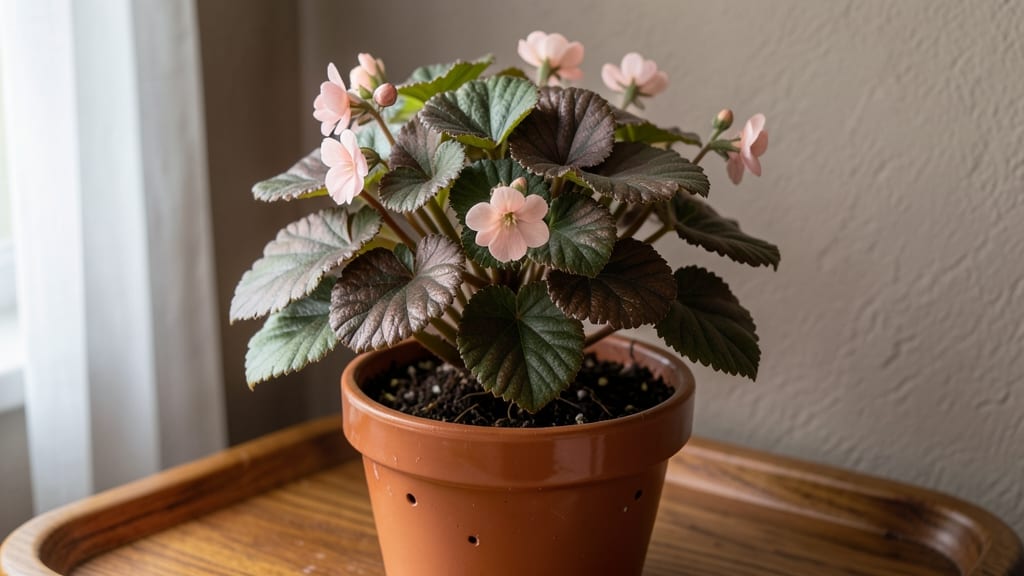
Your wax begonia bronze leaf could lose its stunning coppery hue to fungal spots if you don’t act now. 🌿 The secret to keeping those rich bronze leaves vibrant lies in a simple copper spray protocol that prevents fungal diseases before they start—no heavy-duty chemicals needed.
This method works because copper disrupts fungal spores without harming your plant’s delicate foliage. You’ll need just a few supplies: a copper fungicide (like liquid copper), a spray bottle, and a quiet afternoon for application.
The best part? It’s a one-time monthly treatment during humid months that keeps fungal spots at bay.
Within weeks, you’ll notice leaves staying deep bronze, not fading to dull green. The spray also boosts overall plant resilience, so your begonia thrives even in shady, damp spots. Just avoid spraying when leaves are wet—wait for morning dew to dry first.
Perfect for indoor growers or shady garden beds where humidity lingers. Once you master this, your wax begonia will be the envy of every plant lover—no more brown spots, just lush, glossy foliage year-round.
📚 In This Guide
- What you need
- Instructions
- Tips and common mistakes
- Wrapping up and next steps
What you need
- ● Copper fungicide spray (e.g., Copper Sulfate or Copper Octanoate): 1–2 tablespoons per gallon of water (follow product label for exact ratios).
- ● Choose a US EPA-approved fungicide with at least 1–2% copper content.
- ● Spray bottle or pump sprayer (1–2 gallons capacity): Must be clean and dedicated to plant use (avoid mixing with herbicides!).
- ○ Optional: Fine-mist nozzle for even coverage.
- ● Distilled or rainwater (1 gallon): Avoid tap water (chlorine/minerals can harm plants).
- ● Protective gear (for you!): Nitrile gloves (to avoid skin irritation from copper).
- ● Long sleeves and safety goggles (if spraying outdoors).
- ● Wax Begonia Bronze Leaf plant: Healthy, disease-free foliage (remove yellow/brown leaves before spraying).
- ● Neem oil (1 tsp per gallon) – Boosts antifungal properties.
- ● Baking soda (1 tsp per gallon) – Mild fungicidal backup.
- ● Plastic sheeting – Cover nearby plants to avoid drift.
- ● Timer or spray gauge – Ensures consistent application.
Step-by-Step instructions for treating wax begonia bronze leaf fungus
Here's my foolproof method to prevent fungal spots and keep your bronze wax begonias thriving.
💧 Step 1: Gather Supplies and Prepare the Plant
Start by gathering copper fungicide (choose a liquid formulation with 3-4% copper for best results), a spray bottle, and a pair of pruning shears. Remove the wax begonia from its pot and place it on a work surface. Inspect the leaves carefully—look for dark brown or black spots with yellow halos, which are classic signs of fungal infection.
Trim away any severely infected leaves with your pruning shears, cutting ½ inch below the spot to ensure you remove all traces of the fungus. Dispose of the clippings immediately in the trash, not the compost bin. Healthy leaves should have that signature bronze coloration, so you'll know what to preserve. Water the plant 12 hours before treatment to allow the leaves to dry completely—wet leaves absorb less fungicide.
✂️ Step 2: Apply Copper Fungicide Correctly
Fill your spray bottle with copper fungicide and shake it well to mix the solution thoroughly. Hold the bottle 12 inches away from the plant and apply a light mist to the top and bottom of all leaves. Focus on the undersides where fungal spores often hide. Use enough spray to create a fine, even mist—you should see droplets form on the leaves but avoid creating puddles.
Rotate the plant a quarter turn after each spray to ensure even coverage. Pay special attention to the bronze-colored leaves, as their texture can sometimes trap moisture. Avoid spraying in direct sunlight, as this can cause the fungicide to dry too quickly and reduce effectiveness. If you notice any white powdery residue on the leaves after spraying, wipe it off gently with a damp cloth—this is a sign of overapplication.
☀️ Step 3: Schedule Follow-Up Treatments
Apply the copper fungicide every 7-10 days for the first 4 weeks, or until new growth appears without signs of infection. Consistency is key—skipping treatments allows spores to rebuild. After the initial 4 weeks, switch to a preventative schedule of every 2-3 weeks, especially during humid or rainy seasons when fungal spores thrive.
Monitor your plant closely for new spots or yellowing leaves, which signal the fungus is returning. If you notice these signs, resume the 7-10 day treatment schedule immediately. Keep the area around your wax begonia dry—water the soil at the base of the plant rather than overhead to avoid spreading spores. If you're growing multiple begonias, treat all of them, even if only one shows symptoms, to prevent cross-contamination.
🌿 Step 4: Maintain Optimal Growing Conditions
Place your wax begonia in a location with bright, indirect light—direct sun can stress the plant and make it more susceptible to fungal infections. Aim for 6-8 hours of light daily, and avoid drafty areas or sudden temperature changes, which weaken the plant's natural defenses. The ideal temperature range is 65-75°F during the day and 60-65°F at night.
Ensure the pot has drainage holes and use a well-draining potting mix to prevent waterlogged roots, which create the perfect environment for fungal growth. Water the plant only when the top inch of soil feels dry, and use room-temperature water to avoid shocking the roots. After watering, empty the saucer underneath the pot to prevent the plant from sitting in excess moisture.
Tips & tricks for treating wax begonia bronze leaf fungus
Real talk: I've saved more wax begonias from fungal spots than I can count—here's what actually works when the instructions alone won't cut it.
Pruning Precision: When you're cutting away infected leaves in Step 1, don't just trim the spots—use your pruning shears to make a clean cut ½ inch below the visible damage. This ensures you remove all fungal spores hiding beneath the surface. I've seen people stop right at the spot's edge, and within days, new spots appear. Think of it like removing a scab and a little extra skin—you want to get it all.
Fungicide Application Technique: The 12-inch distance in Step 2 isn't arbitrary—it creates that perfect fine mist. Any closer and you'll get puddles that roll off leaves, any farther and the coverage becomes uneven. Hold the spray bottle vertically (not tilted) and move it in smooth, overlapping strokes. For stubborn spots, I like to give them a second light pass after the initial spray—just enough to refresh the copper coating.
Monitoring the 7-10 Day Window: Here's what nobody tells you—those 7-10 days between treatments are critical, but not all days are equal. If you're in a humid climate (like 75°F+), aim for the shorter end of the range (7 days). If your home stays cool (65°F or below), you can stretch to 10 days. Watch for that telltale yellow halo around spots—it's your early warning system that the fungus is coming back.
Lighting Location Secrets: That bright, indirect light in Step 4 needs to be just right. I've found the perfect spot for my wax begonias is 2-3 feet from an east-facing window—morning sun without the harsh afternoon heat. If you only have south-facing windows, use a sheer curtain to diffuse the light. And pro tip: Rotate your plant a quarter turn every few days so all leaves get equal light exposure. Uneven lighting creates weak spots where fungus loves to take hold.
Pro Tips for Wax Begonia Bronze Leaf
- Real talk: I've saved more wax begonias from fungal spots than I can count—here's what actually works when the instructions alone won't cut it.
- Pruning Precision: When you're cutting away infected leaves in Step 1, don't just trim the spots—use your pruning shears to make a clean cut ½ inch below the visible damage.
- Fungicide Application Technique: The 12-inch distance in Step 2 isn't arbitrary—it creates that perfect fine mist.
Frequently asked questions
Got questions about preventing bronze leaf on wax begonias with copper spray?
You’re not alone! Here are answers to the most common concerns—from application tips to troubleshooting—so you can keep your plants healthy and vibrant.
How often should I apply copper spray to wax begonias?
Apply copper fungicide every 7–14 days during active growth (spring to fall) or when humidity is high. For preventive care, start treatments before symptoms appear. If fungal spots are visible, apply immediately, then repeat every 5–7 days until resolved. Always follow the product label for exact intervals!
Will copper spray burn bronze leaf wax begonias?
When used correctly, copper spray is safe for wax begonias—just avoid overspray on leaves or applying in direct sunlight (which can cause mild browning). Dilute the spray to 1–2 tbsp per gallon of water for first-time use. Monitor for sensitivity; if leaves yellow or crisp, reduce concentration or rinse with water.
What’s the best time of day to apply copper spray?
Apply copper spray in the early morning or late afternoon to prevent leaf burn from sunlight. Avoid spraying when leaves are wet (e.g., after rain) to maximize absorption. Water plants lightly before application to help the spray adhere evenly, but let excess moisture dry first.
Can I use alternatives like neem oil or baking soda instead?
Yes! For prevention, mix 1 tsp baking soda + 1 tbsp vegetable oil + 1 tsp mild soap per quart of water. For active fungal spots, neem oil (1–2% solution) is effective but requires reapplication every 5–7 days. Copper is faster-acting for bronze leaf, but alternatives work well for mild cases or sensitive plants.
My wax begonia has bronze leaves—is it too late for copper spray?
Not yet! Copper spray can still halt progression if applied early. Prune affected leaves below the bronze spots to prevent spread, then spray thoroughly. For severe cases, combine copper with a systemic fungicide (like myclobutanil) and improve airflow by spacing plants apart. Keep humidity low (under 60%) to aid recovery.
Does rain wash away copper spray?
Rain can reduce effectiveness, but copper adheres to leaves for 24–48 hours after application. Reapply if rain occurs within that window. For heavy downpours, treat again within 3–5 days. To minimize runoff, spray in the evening or use a sticker agent (like horticultural oil) to help the solution cling.
Wrapping up and next steps
Caring for your wax begonia bronze leaf doesn’t have to be a challenge—especially when you’ve got a proactive plan like copper spray in your toolkit! 🌿 With the right materials, timing, and technique, you can keep fungal spots at bay and enjoy lush, vibrant foliage all season long.
Remember, consistency is key, so don’t skip those regular checks or applications.
Ready to take action? Start by gathering your supplies, then follow the copper spray protocol to protect your plants. Your wax begonias will thank you with glowing bronze leaves and thriving growth! 💪✨