
Pests
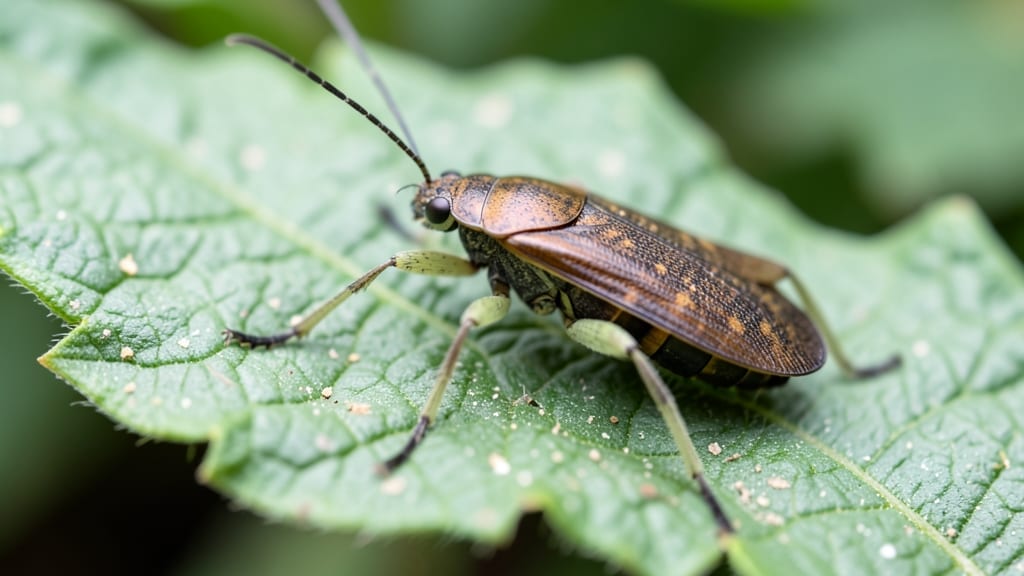
Western leaf-footed bugs turn your prize tomatoes into Swiss cheese overnight. 🌱 I’ve lost count of the times these sneaky pests ruined harvests before I learned their tricks—like how they hide under leaves and strike when you least expect it.
The good news? You don’t need harsh chemicals to outsmart them.
These bugs thrive on warm-season crops like tomatoes, peppers, and beans, leaving behind telltale signs: tiny puncture marks, wilting leaves, and that sticky sap that attracts ants. The key to stopping them starts with early detection—check undersides of leaves daily during peak season (late summer to early fall).
A simple yellow sticky trap can catch dozens before they damage a single fruit.
Once you spot them, act fast with neem oil sprays or kaolin clay barriers—both disrupt their feeding patterns without harming pollinators. Prune heavily damaged foliage and remove fallen fruit to break their life cycle.
With these methods, I’ve gone from 50% crop loss to barely any damage in just one season.
Prevention is your best weapon: row covers in early season, healthy soil to boost plant resilience, and regular monitoring to catch infestations before they explode. The western leaf-footed bug may be relentless, but with these strategies, you’ll reclaim your garden—and your harvests—without a fight.
Root Causes Of Leaf-Footed Bug Outbreaks
Understanding why these pests invade your property is the first step in outsmarting them. The western leaf-footed bug (often called Leptoglossus occidentalis) thrives due to a mix of environmental, seasonal, and human-related factors. Let’s break down the key reasons these insects become a nuisance—and how they exploit your space.
Western leaf-footed bugs are plant-sap feeders, and their populations surge when natural food sources become scarce. Here’s why they show up at your door:
- Late Summer & Fall Feast Frenzy 🍂 As temperatures drop, these bugs seek ripe fruits, nuts, and seeds to survive the winter. Overripe tomatoes, grapes, and even fallen apples become irresistible buffets.
If your garden or nearby trees are laden with decaying produce, they’ll swarm in droves to feed before hibernation.
- Drought & Water Stress in Plants 💧 When drought or poor irrigation weakens plants, their sap becomes more concentrated—a high-calorie meal for bugs. Stressed crops (like citrus, peppers, or berries) release volatile organic compounds (VOCs) that act like dinner bells, attracting leaf-footed bugs from miles away.
- Early Spring Awakening ⏳ After winter, bugs emerge starving and target newly planted seedlings or tender shoots. Young plants have thin, nutrient-rich skins, making them easy prey. If your spring garden is a hotspot for fresh growth, you’ll likely see these pests within weeks of planting.
Your property might unknowingly be a leaf-footed bug magnet. Here’s how everyday actions invite them:
- Unintentional Food Sources 🍅🍊
- Overripe or fallen fruit on trees, lawns, or patios.
- Compost piles (especially if they contain fruit scraps or meat).
- Pet food left outdoors—yes, even dry kibble can attract them.
- Standing water (like clogged gutters or saucers under pots) provides hydration.
- Landscaping Choices That Attract Them 🌿 Some plants are leaf-footed bug favorites, including:
- Citrus trees (oranges, lemons, limes)
- Tomatoes & peppers (especially if overripe)
- Grapes & berries (raspberries, blackberries)
- Nut trees (walnuts, pecans, almonds) If your yard is a bug buffet, they’ll return year after year.
- Clutter & Shelter Opportunities 🏠 These bugs love dark, protected spaces to hide during the day.
Common hiding spots include: - Piles of firewood, leaves, or debris - Gaps in window screens or vents - Under eaves, siding, or outdoor furniture The more unsecured entry points you have, the easier it is for them to move indoors when temperatures drop.
Western leaf-footed bugs are highly sensitive to temperature and humidity. Certain weather conditions supercharge their populations:
- Warm, Dry Summers 🌞 Heat waves speed up their reproduction cycle, leading to explosive population growth. A single female can lay hundreds of eggs in ideal conditions, and dry soil helps eggs survive longer.
- Sudden Temperature Drops ❄️ When nights turn chilly but days stay warm, bugs seek shelter indoors—often in kitchens, bathrooms, or attics—where they can feed on stored foods (like grains, spices, or even soap).
- Heavy Rain Followed by Drought 🌧️🔥 Rain washes eggs and nymphs into protected microclimates (like under mulch or rocks), and subsequent dry spells force them to seek out human structures for moisture and food.
In a balanced ecosystem, birds, spiders, and parasitic wasps keep leaf-footed bug populations in check. But when these predators disappear:
- Pesticide Overuse 🚫💊 Broad-spectrum insecticides kill beneficial predators (like ladybugs or lacewings) while sparing leaf-footed bugs, leading to uncontrolled outbreaks.
- Habitat Destruction 🏗️ Urbanization and removal of native plants eliminate shelter for natural enemies, making it easier for bugs to thrive without competition.
- Monoculture Farming 🌾 Large-scale farms with single-crop plantations create ideal breeding grounds with no natural checks, forcing bugs to spill over into suburban areas.
Once outside conditions become unfavorable, these bugs actively seek indoor refuge. Here’s how they get in:
- Cracks & Gaps 🕳️
- Window and door seals
- Vents and chimneys
- Foundation cracks A 1/16-inch gap is enough for them to slip inside!
- Firewood & Fireplaces 🔥 Bugs hitchhike on untreated wood, especially if stored near your home.
- Secondhand Items 📦 Plants, furniture, or even potted herbs from nurseries can carry hidden eggs or nymphs.
If you spot tiny black droppings (frass) on windowsills or near plants, it’s a sure sign of an infestation. These bugs excrete waste constantly, leaving behind a tell-tale trail—often before you even see them! 🕵️♂️
How to Outsmart Leaf-Footed Bugs
Now that you understand why these pests invade your garden or home, it’s time to take action! The good news? You don’t need harsh chemicals to keep them at bay.
Below are practical, nature-friendly solutions tailored to the most common causes of infestations—plus prevention tips to stop them before they start.
Leaf-footed bugs love lush plants, especially tomatoes, peppers, and beans. If they’re feasting on your veggies, here’s how to evict them without harming your harvest.
🔥 Remove Their Favorite Host Plants These bugs thrive on tomatoes, eggplants, and citrus trees.
If possible: - Replace heavily infested plants with less appealing alternatives like basil, marigolds, or nasturtiums (they repel bugs naturally). - Prune damaged leaves and compost them far from your garden—don’t leave them near plants, or they’ll return.
🍳 Use Homemade Traps & Barriers - Soapy Water Trap: Mix 1 tbsp dish soap + 1 gallon water in a shallow dish.
The bugs drown when they land in it. - Yellow Sticky Traps: Place yellow cards coated in petroleum jelly near plants—the bugs get stuck trying to land. - Row Covers: Lightweight floating row covers (like Agribon) block bugs while letting sunlight and water through.
👨🍳 Introduce Beneficial Predators
Nature’s pest control works best! Encourage:
- Spiders (they eat leaf-footed bugs)
- Ladybugs (release them in your garden)
- Birds (install a birdhouse—they love snacking on these pests)
If they’ve sneaked indoors (especially in fall/winter), act fast before they multiply.
🥘 Seal Entry Points
- Check windows, doors, and vents—use fine mesh screens or caulk gaps.
- Inspect firewood piles—bugs hide in cracks. Store wood at least 20 feet from your house and elevate it off the ground.
🔪 Vacuum & Dispose Properly
- Spot them? Use a handheld vacuum to suck them up (empty the vacuum outside immediately).
- Never crush them—their scent can attract more bugs!
🌡️ Reduce Moisture Indoors
Leaf-footed bugs love damp areas. Fix:
- Leaky pipes or dripping faucets
- Condensation near windows (use dehumidifiers in basements)
Stop future infestations with these proactive strategies:
💡 Rotate crops annually to disrupt their life cycle. 🔥 Plant bug-repelling herbs like basil, mint, or rosemary near vulnerable plants. 🎯 Clean up debris (leaves, mulch, weeds) where bugs hide. 🌱 Encourage natural predators by planting dill, fennel, or alyssum—they attract beneficial insects.
By combining traps, barriers, and habitat changes, you can outsmart these pests without chemicals. Start with one or two methods, monitor progress, and adjust as needed. Your garden (and peace of mind) will thank you! 🌿🚫🐜
Frequently asked questions
What do western leaf-footed bugs look like?
These bugs have a distinctive flat, oval body about 1/3 inch long with leaf-like hind legs that give them their name. Their color ranges from grayish-brown to black, with a reddish-orange stripe along the sides. Look for their long, piercing mouthparts used to suck plant sap.
How can I tell if my plants have leaf-footed bug damage?
Check for tiny puncture marks on leaves and fruit, wilting or curling foliage, and sticky sap (honeydew) that attracts ants. You may also see black frass (droppings) near feeding sites. Heavy infestations can cause fruit to rot prematurely or leaves to turn brown and drop.
Are western leaf-footed bugs dangerous to humans?
While they don’t bite humans, they can release a foul-smelling odor when crushed (a defensive mechanism). Some people may experience skin irritation from handling them, but they’re not considered medically significant. The real danger is their damage to crops, especially in home gardens.
When is the best time to treat for leaf-footed bugs?
Start monitoring in late spring when they emerge, but peak activity occurs in late summer and early fall as they prepare for winter. Treat early in the season before populations explode, and reapply after rain since natural sprays like neem oil wash off. Focus on young nymphs—they’re easier to control than adults.
Will birdhouses help control leaf-footed bugs?
Birds like chickadees, wrens, and sparrows love eating these bugs. Install birdhouses in early spring and provide water sources to attract them. Planting native shrubs near your garden gives birds better hunting grounds. Just avoid placing houses too close to treated areas if you’ve used pesticides.