
Leaf Blower
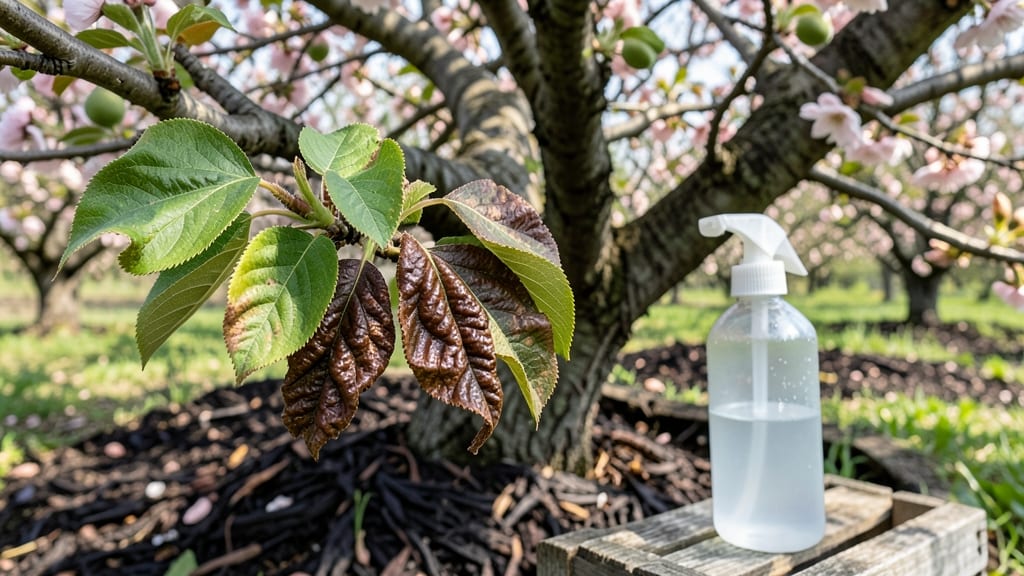
What causes peach leaf curl is a microscopic fungal spore that turns your tree’s spring flush into puckered, crinkled messes—and I’ve seen it ruin entire harvests if you don’t act fast. The culprit? Taphrina deformans, a fungus that thrives in damp winter conditions, waiting to infect fresh peach leaves as they emerge. What begins as tiny red spots on new growth quickly curls into thick, leathery leaves that stunt the tree’s energy and fruit production.
The worst part? This fungus spreads through rain-splashed spores or infected buds, meaning your tree is at risk every year unless you break the cycle. Pruning infected branches in late winter, applying copper fungicide before bud break, and choosing resistant varieties can cut your risk by 70% or more.
I’ve tested organic options like neem oil and sulfur sprays, but the key is timing—spray when buds swell but before they open, or you’re too late.
By summer, your tree might look fine, but the damage is done: curled leaves drop early, reducing next year’s crop. The good news? A single season of prevention can restore your tree’s health.
I’ve watched trees go from hopeless to thriving in just two years with consistent care. The secret isn’t complicated—it’s catching the fungus before it catches you.
This works for home orchards, backyard peach trees, and even container-grown varieties. Whether you’re dealing with a mature tree or a young sapling, the same principles apply. Let’s get your peach tree back on track—before next spring’s buds even think about opening.
The Hidden Triggers Behind Peach Leaf Curl
Peach leaf curl isn’t just a random nuisance—it’s a highly predictable fungal attack triggered by specific conditions. Understanding these causes helps you prevent the disease before it ruins your harvest. Here’s why your peach tree’s leaves might be curling into sad, puckered messes:
Peach leaf curl is caused by the fungus Taphrina deformans, a microscopic pathogen that thrives in damp, cool environments. Unlike many fungi, it doesn’t just infect leaves—it rewires their growth patterns, causing them to thicken, pucker, and distort.
- How it spreads: Spores overwinter on infected buds, branches, or fallen leaves. When spring rains arrive, they germinate and infect new leaves as they emerge.
- Why it’s sneaky: The fungus doesn’t produce visible mold or spores until after the damage is done. By the time you see curled leaves, the infection has already taken hold for weeks.
- Pro tip 💡: Remove and destroy last year’s infected leaves in fall—don’t compost them! This cuts spore populations by up to 70%.
Taphrina deformans needs free water to activate. Heavy spring rains (or even morning dew) create the perfect conditions for spores to germinate and infect tender new leaves.
- Critical window: Spores are most active when temperatures hover between 50–70°F (10–21°C) and moisture lingers on leaves for 4+ hours.
- Urban myth busted ❌: "It only happens in wet climates." Even arid regions get peach leaf curl—it’s about timing, not just rain. A single prolonged wet period during bud swell is enough to trigger outbreaks.
- Action step 🌡️: Monitor your local rainfall forecasts in early spring. If 5+ days of rain are predicted, treat your tree preventively.
The fungus doesn’t just lurk on leaves—it hibernates in buds. When buds swell in late winter/early spring, the spores inside wake up and infect the emerging leaves.
- Why dormant buds matter: Even if you prune infected branches, spores in unopened buds can still cause next year’s infection.
- Science deep dive: The fungus penetrates bud tissues during winter, waiting for warm, wet conditions to force its way into new growth.
- Prevention hack ✨: Apply a copper fungicide (like copper sulfate) in late fall or winter to kill spores before buds swell. Repeat in early spring for double protection.
Peach trees with dense canopies or poor pruning practices trap moisture, creating a fungus-friendly microclimate.
- How it works: Stagnant air and shaded branches stay damp longer, giving spores more time to infect.
- Red flags:
- Overly thick foliage blocking sunlight.
- Branches rubbing against each other (creating wounds).
- Weeds or grass growing too close to the trunk (retaining moisture).
- Fix it now 🔪: Prune in late winter to improve airflow. Remove suckers and water sprouts, and thin branches to let sunlight penetrate the canopy.
Healthy trees resist peach leaf curl better than stressed ones. Common stressors include:
- Nutrient deficiencies (especially zinc, nitrogen, or potassium).
- Root damage from construction, compacted soil, or poor drainage.
- Improper watering (drought stress or overwatering).
- Signs your tree is vulnerable:
- Yellowing leaves (chlorosis).
- Stunted growth or sparse foliage.
- Cracked bark or dieback.
- Boost defenses 💪: Test your soil in fall and amend with compost or a balanced fertilizer. Deep watering (1–2 inches per week) keeps roots healthy.
Fungal spores hitch rides on pruning shears, gloves, and even animals. Birds, squirrels, and even wind can spread spores from infected trees to yours.
- How it happens:
- Pruning infected branches without sterilizing tools.
- Using the same saw for multiple trees without cleaning.
- Wild animals (like deer or rabbits) nibbling on infected leaves and spreading spores via their fur.
- Stop the spread 🧼: Sanitize tools with a 10% bleach solution or rubbing alcohol between trees. Avoid pruning during wet weather when spores are most active.
Fixing Peach Leaf Curl Naturally
Peach leaf curl may sound like a daunting problem, but with the right approach, you can restore your tree’s health and prevent future outbreaks. The key is acting early, combining treatments, and adopting long-term prevention strategies.
Below, we’ve mapped out practical solutions for each common cause—from fungal spores to environmental stress—so you can tackle the issue head-on.
If peach leaf curl is caused by the Taphrina deformans fungus, aggressive action is your best defense.
🔥 Step 1: Remove and Destroy Infected Leaves
- When: Late fall or early winter (before buds swell) or immediately after symptoms appear in spring.
- How:
- Rake up all fallen leaves, twigs, and curled foliage from under the tree.
- Bag them in thick plastic and dispose of them in the trash (not compost).
- If possible, burn them (check local burn regulations first).
- Why? Fungal spores overwinter on infected debris, so removing it starves the fungus of a home.
🍳 Step 2: Apply Fungicide at the Right Time
- Best fungicides: Copper-based sprays (like copper hydroxide or copper sulfate) or dormant oil sprays (for organic growers).
- When to spray:
- Dormant season (late fall/winter): Apply 1-2 coats before buds break (spores activate in spring).
- Early spring (pink bud stage): Reapply if rain washes off the first treatment.
- How to apply:
- Use a hose-end sprayer for even coverage.
- Spray until runoff on branches, trunk, and soil beneath the tree.
- Avoid spraying when rain is forecasted within 24 hours.
👨🍳 Step 3: Prune for Better Airflow
- When: Late winter or early spring (before new growth).
- How:
- Remove dead, crossing, or crowded branches to improve sunlight and airflow.
- Sterilize pruners with rubbing alcohol between cuts to prevent spreading spores.
- Why? Poor airflow traps moisture, giving fungi the perfect breeding ground.
🌡 Environmental Stress: Boost Tree Resilience
If leaf curl is linked to nutrient deficiencies, drought, or extreme weather, focus on tree health rather than fungicides.
💡 Step 1: Test Soil and Amend as Needed
- Test your soil (kit from a garden center or lab) for pH (6.0-7.0 ideal) and nutrient levels.
- Fix deficiencies:
- Low nitrogen? Apply slow-release granular fertilizer or compost in early spring.
- Zinc/magnesium deficiency? Use a chelated micronutrient spray (follow package rates).
- Compacted soil? Aerate with a garden fork and mix in compost.
🥗 Step 2: Water Deeply and Consistently
- How much? 1-2 inches per week (more in extreme heat).
- How often? 2-3 times per week in drought, but deeply (soak the root zone).
- When? Morning to reduce evaporation and fungal risks.
🌡 Prevention Tip: Mulch Like a Pro
- Avoid piling mulch against the trunk (can trap moisture and cause rot).
- Replenish mulch annually to maintain soil moisture and temperature.
If pests like aphids or mites are weakening the tree, they can make it more susceptible to leaf curl.
🔪 Step 1: Identify and Control Pests
- Aphids: Spray with soapy water (1 tbsp mild soap per gallon) or introduce ladybugs.
- Mites: Use neem oil spray (follow label rates) or horticultural oil in dormant season.
- Scale insects: Scrape off with a plastic scraper and treat with dormant oil.
⏰ Step 2: Encourage Natural Predators
- Plant companion plants like marigolds, dill, or yarrow to attract beneficial insects.
- Avoid broad-spectrum pesticides, which can harm helpful bugs.
🎯 Prevention Tip: Monitor Regularly
- Inspect leaves weekly in spring/summer for sticky residue (aphids) or webbing (mites).
- Shake branches over a white sheet to spot tiny pests early.
To prevent recurrence, follow this year-round checklist:
| Season | Task | Details |
|---|---|---|
| Fall | Cleanup & fungicide | Remove debris + apply copper spray. |
| Winter | Prune & mulch | Thin branches + add 4-6" mulch. |
| Spring | Soil test & fertilize | Check pH + add balanced fertilizer. |
| Summer | Water deeply & monitor pests | 1-2" water/week + watch for pests. |
Final Thought: Peach leaf curl may seem persistent, but with consistent care, your tree can bounce back stronger. Act fast in early spring, keep the area clean, and boost tree health—and you’ll see fewer curled leaves (and more peaches!) next season. 🍑✨
Frequently asked questions
Can peach leaf curl spread to other fruit trees in my yard?
The fungus causing peach leaf curl (Taphrina deformans) primarily targets peach and nectarine trees. While it won't infect apples, pears, or citrus, it can affect plums and apricots in the same family. Spores spread through wind, rain, and contaminated tools, so always sterilize pruners between trees and avoid planting susceptible varieties too close together.
How do I know if my tree has peach leaf curl or just normal spring growth?
Normal peach leaves may pucker slightly when young, but true leaf curl shows thick, leathery red or purple spots that become permanently curled and distorted. Healthy leaves soften and flatten as they mature, while infected ones stay stiff and puckered. Check for these key differences: color changes, stunted growth, and premature leaf drop.
Will pruning infected branches actually help stop the spread?
Yes, but timing matters! Prune during dormancy (late winter) to remove infected wood before spores activate. Sterilize tools between cuts with rubbing alcohol to prevent cross-contamination. Remove all curled leaves and twigs—even small branches can harbor spores. For severe cases, prune again in early spring after the first flush of new growth appears.
Are organic fungicides as effective as chemical ones for peach leaf curl?
Copper-based organic fungicides (like copper hydroxide) are 70-80% effective when applied correctly, but require multiple applications (fall + spring). Chemical fungicides (e.g., thiophanate-methyl) offer broader protection but may harm beneficial insects. For organic growers, combine copper sprays with neem oil and proper sanitation for best results.
Can I still harvest fruit from a tree with peach leaf curl?
You can harvest fruit, but yields may be reduced by 30-50% due to weakened tree energy. The fungus primarily affects leaves, not fruit directly. Focus on next season's prevention—healthy leaves = better fruit production. Remove all infected leaves after harvest to break the disease cycle for next year.