
Pests and Diseases
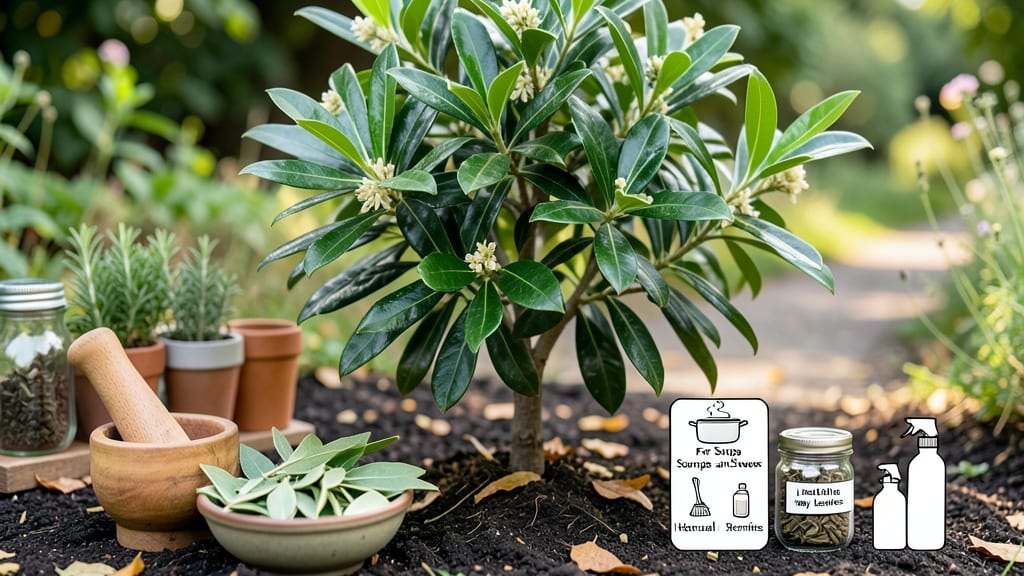
What is a bay leaf good for? This aromatic leaf infuses rich, earthy flavors into dishes like soups and stews and provides health benefits such as aiding digestion and reducing inflammation when brewed into tea.
These aromatic leaves pack a flavor punch without overpowering, making them a kitchen staple for everything from beef braises to tomato-based sauces.
Beyond cooking, their medicinal properties—like supporting blood sugar balance and soothing stomach discomfort—have been used for centuries in traditional remedies. 🌿 I always keep a few on hand for both my weeknight dinners and occasional herbal tea blends, especially during cold seasons.
What's particularly interesting is how bay leaves work: their essential oils gradually release as they simmer, creating depth in savory dishes. For medicinal use, simply steep 1-2 dried leaves in hot water for 10 minutes—no sugar needed to highlight their natural benefits.
💡 In This Article
- Culinary Uses of Bay Leaves in Cooking
- Medicinal and Health Benefits of Bay Leaf Tea
Culinary uses of bay leaves in cooking
Bay leaves work their magic through a process called steeping, where their essential oils—like eugenol and cineole—gradually dissolve into liquids. When added to simmering dishes, these compounds release slowly over 30-60 minutes, creating a subtle, earthy depth that enhances other flavors rather than dominating them.
For example, a single dried bay leaf in a 3-quart beef stew will infuse the broth with aromatic complexity, while removing it before serving prevents that bitter, papery aftertaste.
The key to using bay leaves effectively lies in their timing and placement. Whole leaves should always be added early in cooking—whether in a slow-cooked risotto or a tomato-based marinara sauce—to allow their oils to fully integrate.
For delicate dishes like white fish poaching, I recommend adding the leaf during the last 10-15 minutes of cooking to avoid overpowering the delicate flavors.
The leaf's porous structure also makes it ideal for infusing oils or vinegars, where it can steep for up to 2 weeks in a dark, cool place.
What makes bay leaves uniquely versatile is their ability to complement both rich and light dishes. In hearty braises, they pair beautifully with carrots, onions, and garlic, while in Mediterranean-inspired salads, a crushed dried leaf adds an unexpected herbal note to olive oil and lemon dressings.
The secret? Using 1-2 leaves per liter of liquid—any more risks a bitter edge, especially in acidic dishes like pasta sauces. Always remember to remove them before serving, as even small fragments can leave a gritty texture.
Bay leaves also excel in marinades and brines, where their antiseptic properties help tenderize meat while adding flavor. A simple marinade of olive oil, lemon juice, and crushed bay leaf left on chicken thighs for 4+ hours creates a skin that's both flavorful and slightly crispy.
The leaf's natural compounds even help break down connective tissue in tougher cuts like pork shoulder, making them a secret weapon for slow-cooked roasts.
For those who prefer fresh over dried, fresh bay leaves (from the Laurus nobilis tree) have a brighter, slightly sweeter flavor but require half the cooking time—typically 15-20 minutes—before removal.
Dried leaves, on the other hand, are more concentrated and can be stored for up to a year in an airtight container. The difference in flavor is subtle but noticeable: dried leaves offer a deeper, more resinous aroma, while fresh leaves bring a fresher, almost floral note to dishes.
One common mistake is assuming all bay leaves are the same. There are actually two main varieties: Sweet bay (the classic Laurus nobilis used in cooking) and California bay (a stronger, more peppery leaf from the Umbellularia californica tree).
The latter is best for smoked meats or bold marinades, while sweet bay is the go-to for delicate sauces and soups. Always check the label to avoid culinary surprises!