
Pests and Diseases
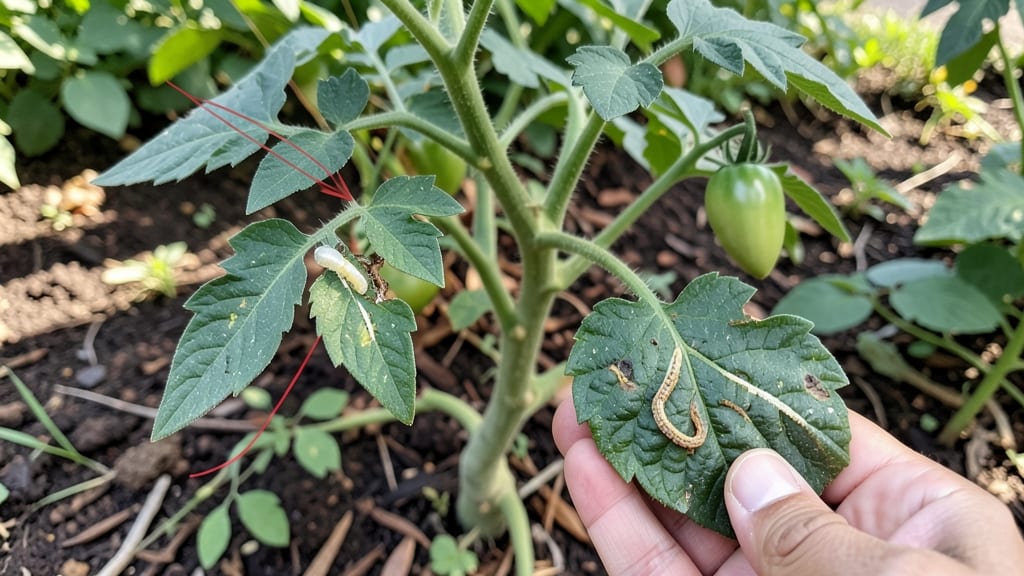
Leaf miners are the sneaky pests turning your lush foliage into a Swiss cheese of destruction. 🌿 These tiny larvae tunnel through leaves, leaving behind winding trails that weaken plants and ruin their appearance—often before you even notice they're there.
The damage starts with pale, serpentine lines that darken as the larvae grow, eventually causing leaves to curl and drop. I've seen basil, tomatoes, and even ornamental plants like viburnum completely defoliated when left unchecked. The worst part?
By the time you spot the damage, the larvae are already halfway through their life cycle. You can stop them by hand-picking infested leaves, using insecticidal soap, or introducing beneficial wasps like Diglyphus isaea. Prevention is key—neem oil sprays and row covers work wonders before the pests arrive.
With these methods, you'll reclaim healthy, vibrant leaves in no time. This isn't just about saving a few leaves—it's about protecting your entire garden's health. Once you learn the signs, you'll catch them early and keep your plants thriving all season long.
The Hidden Triggers Behind Leaf Mining
Leaf miners aren’t just random pests—they’re drawn to specific conditions that make your plants irresistible. Understanding these triggers helps you break the cycle before damage spreads. Here’s why these tiny invaders strike:
Stressed plants are like open doors for leaf miners. When plants struggle—whether from drought, poor soil, or overcrowding—their natural defenses weaken, making them prime targets. Leaf miners, particularly larvae from moths or flies, detect these vulnerabilities and lay eggs on the undersides of leaves.
Key stress signals that attract miners:
- Drought stress – Wilting or dry edges signal a plant is struggling to maintain turgor pressure, making leaves softer and easier to penetrate.
- Nutrient deficiencies – Yellowing (chlorosis) or stunted growth (from lack of nitrogen, magnesium, or potassium) reduces the plant’s ability to repel pests.
- Root damage – Compromised roots (from overwatering, soil compaction, or disease) limit the plant’s energy reserves, making it less resilient.
Actionable fix: 💡 Monitor soil moisture with your finger—if the top inch is dry, water deeply but avoid soggy soil. Use a balanced fertilizer (like 10-10-10) to boost overall health.
Leaf miners prefer new growth because it’s thinner, softer, and packed with nutrients. Young leaves lack the tough, waxy cuticle of mature foliage, making them easy entry points for larvae to burrow inside.
Why young leaves are high-risk:
- Thinner cell walls – Less structural resistance for larvae to chew through.
- Higher moisture content – Ideal for larval development and egg survival.
- Less secondary metabolite production – Mature plants produce more defensive compounds (like tannins) that deter pests.
Actionable fix: 🌱 Prune regularly to remove old, damaged leaves and encourage new growth—but avoid over-pruning, which stresses the plant. Use sharp shears to minimize injury.
While drought stresses plants, excess moisture creates the perfect breeding ground for leaf miners. Damp leaves trap eggs and larvae, slowing desiccation and extending their lifecycle. Overwatering also attracts fungal diseases, which further weaken the plant’s ability to fight off pests.
How overwatering helps miners:
- Slows leaf drying – Eggs and newly hatched larvae stay moist longer, increasing survival rates.
- Promotes fungal growth – Fungi like powdery mildew stress the plant, making it more susceptible to mining.
- Encourages fungal gnats – These pests lay eggs in moist soil, and their larvae can cross-contaminate plants with leaf miners.
Actionable fix: ⏰ Water deeply but infrequently—aim for 1 inch per week (adjust for climate). Use well-draining soil and containers with drainage holes. Mulch to retain moisture without oversaturating roots.
Many leaf miners are the larvae of beneficial pollinators (like leaf miner moths or sawflies) that thrive in diverse, untended gardens. While these adults help ecosystems, their larvae can devastate your plants.
Gardens with native flowers, herbs, and shrubs often see higher miner activity because they provide both food for adult pollinators and suitable host plants for larvae.
Common culprits in pollinator gardens:
- Parsley, dill, and fennel – Attract swallowtail butterfly larvae (a type of leaf miner).
- Roses and fruit trees – Favorite hosts for rose leafroller and apple leaf miners.
- Tomatoes and peppers – Often targeted by beet webworm larvae.
Actionable fix: 🌼 Balance biodiversity—include pollinator-friendly plants away from your most vulnerable crops. Use row covers on young plants to block adult moths/flies from laying eggs.
Leaf miners thrive in warm, humid conditions with protection from wind and predators. Greenhouses, shaded garden nooks, and dense foliage create ideal environments for their lifecycle to accelerate.
Why microclimates matter:
- Slower desiccation – Eggs and larvae dry out less quickly in shaded, humid areas.
- Fewer natural predators – Birds, parasitic wasps, and ladybugs struggle to reach sheltered leaves.
- Extended growing season – Warmer microclimates let miners develop faster, leading to multiple generations per year.
Actionable fix: 🌡️ Improve airflow—prune to open up the canopy and space plants 12–24 inches apart. Use reflective mulch (like aluminum foil) to deter pests in greenhouses. Avoid over-fertilizing with nitrogen, which promotes lush but pest-attracting growth.
Some plants are magnets for leaf miners due to their soft tissues or chemical profiles. If you repeatedly grow the same susceptible species in the same spot, you’re rolling out a welcome mat for miners.
High-risk plants:
- Celery, parsley, and carrots – Often attacked by parsley worm (a leaf miner).
- Beets and Swiss chard – Targeted by beet webworm.
- Citrus and avocado – Prone to citrus leaf miners and avocado leaf miners.
Actionable fix: 🔄 Rotate crops annually—avoid planting the same family (e.g., brassicas, umbellifers) in the same bed. Interplant with miner-resistant species like basil, marigolds, or nasturtiums to disrupt their lifecycle.
Key Takeaway: Leaf miners don’t strike randomly—they exploit stress, youth, moisture, shelter, and plant preference. By addressing these triggers, you can make your garden a less appealing (and more resilient) environment for these tiny leaf destroyers. 🚫🐛
Practical fixes for leaf miner woes
Leaf miners may seem like a small problem, but their damage can quickly spiral if left unchecked. The good news? With the right approach, you can reverse their damage and prevent future outbreaks.
Below, we’ve mapped out targeted solutions based on the root cause—whether it’s infestation, weak plants, or environmental factors—plus prevention tips to keep your garden miner-free.
If you catch leaf miners early, you can often stop them in their tracks without harsh chemicals.
🔥 Handpick Larvae (Best for Small Gardens)
- When to use: Early signs (tiny white trails, slight browning).
- How to do it:
- Wear gloves and inspect leaves under bright light.
- Look for wiggly white larvae (about the size of a grain of rice).
- Drop them into soapy water (1 tsp dish soap per gallon) to kill them instantly.
- Frequency: Repeat every 2–3 days until no more larvae appear.
- Pro tip: 💡 Do this in the morning when larvae are sluggish and easier to spot.
🍳 Neem Oil Spray (Organic & Effective)
- When to use: Light to moderate infestations (works on eggs and young larvae).
- How to make:
- Mix 1 tbsp neem oil + 1 tsp mild soap + 1 quart water.
- Add 1 tsp horticultural oil (optional, for better adhesion).
- Spray undersides of leaves (where larvae hide) until damp.
- Frequency: Apply every 5–7 days for 2–3 weeks.
- Pro tip: 🌡️ Spray in the evening to avoid harming bees (neem oil can be toxic to them in direct sunlight).
👨🍳 Yellow Sticky Traps (For Adult Flies)
- When to use: Preventative measure before larvae appear.
- How to set up:
- Buy pre-made yellow sticky traps or make your own (yellow card coated with petroleum jelly).
- Place traps near affected plants, about 2–3 feet high.
- Check and replace every 1–2 weeks.
- Why it works: Adult miners are attracted to yellow and get stuck before laying eggs.
If your plants are heavily skeletonized or larvae are widespread, you’ll need a stronger approach.
🔪 Insecticidal Soap (Fast-Kill for Larvae)
- When to use: Moderate to severe infestations (kills larvae on contact).
- How to use:
- Buy a pre-mixed insecticidal soap (like Safer® Brand).
- Spray directly on larvae (focus on mines and undersides).
- Reapply every 3–5 days until mines stop appearing.
- Caution: ⚠️ Test on a small leaf first—some plants (like boxwoods) can get leaf burn.
🥘 Beneficial Nematodes (Long-Term Biological Control)
- When to use: Preventative or for chronic infestations (works in soil).
- How to apply:
- Buy Steinernema feltiae (a type of nematode that kills leaf miner larvae).
- Mix with water and apply evenly to soil around affected plants.
- Water lightly after application to help nematodes move into the soil.
- Best time: Early spring or fall (when soil temps are 50–85°F).
- Pro tip: ✨ Combine with compost—healthy soil = stronger plants that resist miners better.
🏷️ Remove & Destroy Infested Leaves
- When to use: Last resort for severely damaged plants.
- How to do it:
- Clip off leaves with visible mines (don’t compost—bag and throw away).
- Dispose of larvae by dropping them in soapy water or alcohol.
- Prune lightly to improve airflow (miners love humid, crowded plants).
- Pro tip: 🎯 Focus on new growth—miners often target tender leaves first.
The best defense? A healthy, miner-resistant garden.
🌱 Strengthen Your Plants
- Water deeply but less often (miners love overly wet soil).
- Fertilize with balanced organic matter (like compost or worm castings).
- Avoid nitrogen-heavy fertilizers (soft, fast-growing leaves = miner buffet).
🌿 Garden Hygiene
- Clean up debris (fallen leaves, old mulch) where larvae pupate.
- Rotate crops if growing vegetables (miners can overwinter in soil).
- Use reflective mulch (like silver plastic) to disorient adult flies.
🐝 Encourage Natural Predators
- Ladybugs, lacewings, and parasitic wasps eat leaf miner larvae.
- Plant companion flowers like dill, fennel, or marigolds to attract them.
- Avoid broad-spectrum pesticides (they kill beneficial bugs too).
🛡️ Physical Barriers (For High-Risk Plants)
- Floating row covers (for seedlings) block adult flies from laying eggs.
- Fine mesh netting (like agricultural fabric) over young plants.
Final Thought: Leaf miners are a nuisance, not a death sentence. With early action + prevention, you can keep your plants lush and miner-free—no chemicals required! 🌿✨
Frequently asked questions
What exactly are leaf miners and how do they damage plants?
Leaf miners are the larvae of insects like moths, flies, or sawflies that tunnel between leaf layers, creating winding trails. As they feed, they destroy plant tissue, leaving behind brown or black serpentine patterns. This damage weakens leaves, reduces photosynthesis, and can cause premature leaf drop.
How can I tell if my plants have leaf miners vs. other pests?
Look for these key signs: serpentine trails (like drawn lines), white larvae visible when you open the mine, and leaves that appear skeletonized. Unlike aphids or spider mites, leaf miners don't leave holes or webbing—they create internal tunnels.
Are leaf miners harmful to humans or pets?
No, leaf miners pose no direct threat to humans or pets. While their damage can be unsightly, they don't bite, sting, or transmit diseases. The only risk is to your plants' health from the leaf damage they cause.
What's the most effective natural treatment for leaf miners?
For early infestations, handpicking larvae (drop them in soapy water) combined with neem oil spray works best. For severe cases, insecticidal soap applied directly to mines provides fast results. Always focus on undersides of leaves where larvae hide.
Can leaf miners survive winter and return next year?
Yes, many leaf miners overwinter as pupae in soil or plant debris. To prevent next year's infestations, clean up fallen leaves, rotate crops, and apply beneficial nematodes in early spring. This breaks their lifecycle before they emerge.