
Leaf Blower
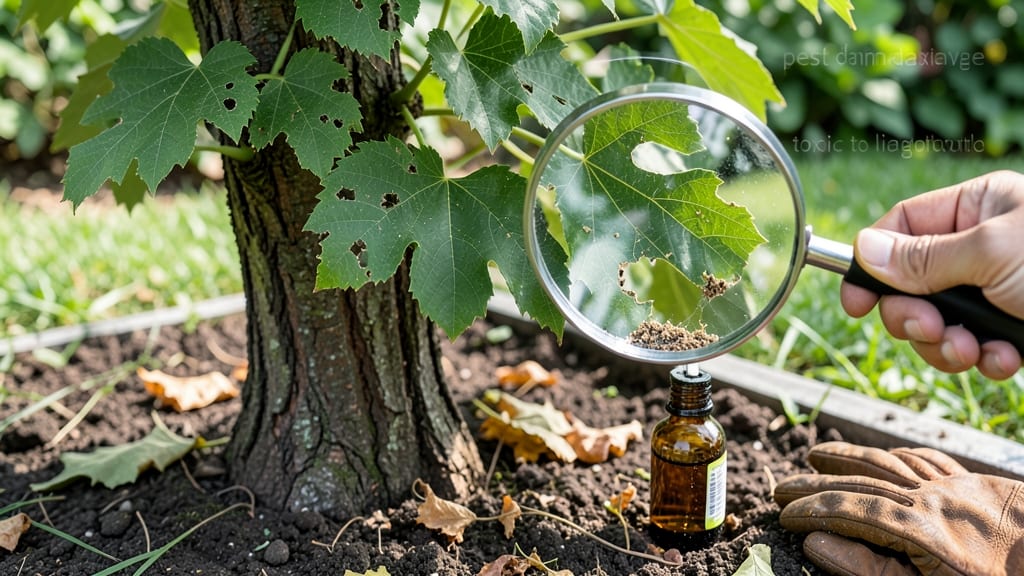
White mulberry leaf dangers include severe toxicity when eaten in large amounts, triggering nausea, vomiting, and digestive distress from oxalates and tannins. While raw leaves are particularly hazardous, cooked leaves in small doses may be used cautiously in traditional recipes—but always exercise extreme care around pets and animals.
White mulberry leaves contain compounds like oxalates and tannins that can irritate your digestive system and even damage kidneys if consumed excessively. 🌿 The good news? Cooking reduces some risks, but it's never completely safe—especially for pets, whose smaller bodies react more intensely to toxins.
I always recommend wearing gloves when handling fresh leaves and avoiding ingestion entirely unless you're working with a verified expert on traditional preparations.
For gardeners, the key is prevention: plant non-toxic mulberry varieties like black mulberry if you want ornamental trees without the risks.
If you must grow white mulberry, keep it far from pets and children, and consider using fallen leaves as mulch instead of compost—just don't let them decompose near edible plants, as residual toxins can leach into soil.
💡 In This Article
- Toxic Compounds in White Mulberry Leaves
- Safe Handling and Alternatives for Gardening
Toxic compounds in white mulberry leaves
White mulberry leaves contain two primary toxins that make them dangerous: oxalates and tannins. Oxalates bind with calcium in your digestive tract, forming sharp crystals that irritate the stomach lining and kidneys.
A single serving of raw leaves (about 10-15 grams) can trigger nausea, vomiting, and diarrhea due to these compounds. The tannins, meanwhile, act as natural astringents—they dry out tissues and can cause mouth irritation or even throat swelling in sensitive individuals.
Cooking reduces but doesn't eliminate these risks. Heat breaks down some oxalates, but prolonged boiling (over 15-20 minutes) is needed to significantly lower toxicity levels. Even then, residual compounds remain.
For example, traditional Chinese medicine sometimes uses small amounts of cooked leaves, but the dosage is carefully controlled—typically 1-2 grams per serving—and never raw. The leaves also contain morusin, a compound that may have weak estrogenic effects, though its long-term impacts on humans aren't well studied.
Pets are especially vulnerable because their smaller bodies can't metabolize these toxins efficiently. A 50-pound dog might experience kidney damage from eating just 30-50 grams of raw leaves, while livestock like goats or sheep show signs of poisoning after consuming 0.5-1% of their body weight in fresh foliage.
The symptoms escalate quickly: drooling, lethargy, and even seizures in severe cases. 🚨
Another critical factor is the leaf's seasonal toxicity variation. Young, tender leaves in spring contain higher concentrations of oxalates than mature leaves in summer or fall. This is why traditional preparations often specify using older leaves—though even these aren't risk-free.
The bark and roots are even more toxic, containing higher levels of morusin and kuwanon G, compounds linked to liver stress in animal studies.
For context, compare this to spinach—a leafy green many people eat regularly. Spinach contains oxalates too, but at 0.5-1.5 grams per 100 grams, while white mulberry leaves pack 3-5 times that amount.
The difference is stark: what's a mild irritant in spinach becomes a medical concern in white mulberry. Even small, repeated exposures can lead to calcium oxalate kidney stones over time.
If you're curious about traditional uses, it's worth noting that most involve extremely controlled preparation. Leaves are often fermented, dried, or combined with other herbs to dilute toxicity.
For example, some Asian recipes pair them with ginger or garlic, which may help counteract oxalate absorption. But without proper knowledge, these methods can still be dangerous—especially when self-prepared.