
Planting
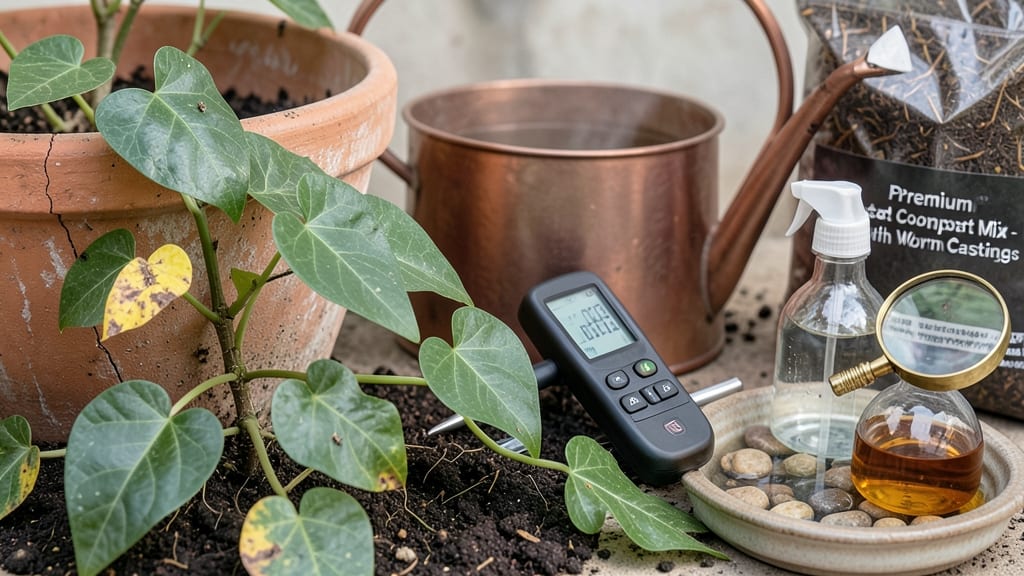
If you’re wondering, why my betel leaf plant is dying, those yellow leaves, limp stems, or brown patches are its way of crying for help—but the fix is simpler than you think. 🌿 The most common culprits are overwatering (leading to root rot), spider mites hiding on the undersides of leaves, or low humidity that dries out the tropical plant’s delicate fronds.
I’ve nursed back more than a dozen of these, and the key is spotting the right symptoms early.
The first step is checking the soil: if it smells sour or the pot feels heavy with water, you’re overdoing it. Betel leaves need well-draining soil and 60% humidity—if your air feels dry, mist the leaves daily or set up a pebble tray.
For pests, look for tiny webs or speckled leaves: a neem oil spray (mixed with water) works wonders. Nutrient issues? Yellowing between veins means it’s starving for magnesium—feed it some Epsom salt solution.
Within 2-3 weeks, you’ll see new growth if you act fast. Start with one fix at a time: adjust watering, treat pests, or boost humidity. The goal is to mimic its natural tropical home—shade, moisture, and airflow.
Once you nail these basics, your betel plant will bounce back with rich, glossy leaves that’ll last for years.
Pro tip: Betel leaves thrive in bright, indirect light—direct sun burns them, while dim corners slow growth. Rotate the pot weekly so all sides get equal light.
If your plant’s still struggling after a month, the roots might be damaged: repot it in fresh soil to give it a clean start. Trust me, it’s worth the effort—nothing beats the satisfaction of reviving a plant that’s nearly gone.
Root Causes Of Struggling Betel Leaf Plant
If your Piper betle (betel leaf plant) is wilting, yellowing, or dropping leaves, the issue likely stems from one of several key factors—often a mix of environmental stress, care mistakes, or underlying health problems.
Betel leaf plants are tropical perennials that thrive in warm, humid conditions, so even minor deviations from their ideal environment can trigger decline. Below, we break down the most common culprits, backed by science, so you can diagnose and fix the problem before it’s too late.
Betel leaf plants are native to tropical regions like Southeast Asia and India, where temperatures hover between 70–85°F (21–29°C) year-round. They cannot tolerate cold drafts, sudden temperature drops, or dry air—which is why many indoor plants suffer in winter or air-conditioned rooms.
Why it happens:
- Cold shock: Temperatures below 50°F (10°C) disrupt cellular metabolism, causing leaf discoloration (yellow or brown patches) and stunted growth. The plant’s chlorophyll production slows, leading to weak, pale leaves.
- Low humidity: Betel leaves are sensitive to desiccation. In dry air (<30% humidity), the plant loses water faster than its roots can absorb it, leading to crispy leaf edges and leaf drop. This mimics osmotic stress, where cells shrink from water loss.
- Heat stress: While they love warmth, prolonged exposure to above 95°F (35°C) can scorch leaves (white/yellow patches) and cause protein denaturation in leaf cells, halting photosynthesis.
Actionable fix: Use a thermometer/hygrometer to monitor conditions. If humidity drops below 50%, use a pebble tray or humidifier. In winter, move the plant away from cold windows or vents.
Betel leaf plants are moisture-loving but hate soggy roots. Overwatering is the #1 killer because it suffocates roots by cutting off oxygen, leading to root rot (Phytophthora or Pythium fungi). Signs include:
- Yellowing leaves (starting from the bottom)
- Mushy, black stems at the base
- Foul, sour smell from the soil
Why it happens:
- Waterlogged soil: Betel leaves prefer well-draining, slightly acidic soil (pH 5.5–6.5). Clay or compacted soil traps water, creating anaerobic conditions where roots drown and fungi thrive.
- Overzealous watering: Watering on a schedule (e.g., every 3 days) instead of checking soil moisture leads to excess water. The plant’s aerenchyma tissue (air channels in roots) collapses without oxygen.
- No drainage holes: Pots without holes trap water at the bottom, accelerating rot. Even "self-watering" pots can fail if not monitored.
Actionable fix:
- Let the top 1–2 inches of soil dry out before watering (stick your finger in—if it’s damp, wait).
- Repot in a mix of peat moss, perlite, and coconut coir (3:1:1 ratio) for aeration.
- If rot is suspected, trim blackened roots with sterilized scissors and treat with fungicide (e.g., copper-based).
Betel leaf plants need bright, indirect light (6–8 hours/day) to photosynthesize efficiently. Too little light leads to chlorosis (yellow leaves with green veins), while too much direct sun causes sunburn (white/brown patches). Nutrient deficiencies also play a role, especially in nitrogen, potassium, or magnesium.
Why it happens:
| Symptom | Likely Cause | Scientific Explanation |
|---|---|---|
| Yellow leaves (all over) | Nitrogen deficiency | Nitrogen is critical for chlorophyll and protein synthesis. Without it, leaves can’t produce enough energy, leading to uniform yellowing (necrosis). |
| Yellow between veins (chlorosis) | Magnesium or iron deficiency | These minerals are central to chlorophyll structure. Magnesium is the core of chlorophyll molecules; iron helps transport it. Deficiencies block photosynthesis. |
| Brown leaf tips/curling | Potassium deficiency or low humidity | Potassium regulates osmotic balance and water transport. Without it, cells lose turgor pressure, causing edges to crisp. Low humidity worsens this. |
| Slow growth, weak stems | Low light or phosphorus deficiency | Phosphorus fuels ATP production (energy for growth). In low light, the plant can’t capture enough sunlight to synthesize it. |
Actionable fix:
- Move to a south- or east-facing window (avoid harsh midday sun). Use a sheer curtain if needed.
- Fertilize every 4–6 weeks with a balanced liquid fertilizer (10-10-10) or a magnesium-rich supplement (e.g., Epsom salt).
- For indoor plants, use a grow light (12–14 hours/day) if natural light is insufficient.
Betel leaf plants are susceptible to sap-sucking pests (like spider mites, mealybugs, and scale) and fungal diseases (e.g., Alternaria leaf spot). These weaken the plant by disrupting nutrient flow or clogging stomata (pores for gas exchange).
Why it happens:
- Pests: Spider mites thrive in dry, dusty conditions, spinning webs that block light and suffocate leaves. Mealybugs excrete honeydew, a sticky residue that fosters sooty mold (a black fungal growth).
- Fungal diseases: Overhead watering or poor air circulation creates moisture droplets on leaves, allowing Alternaria or Botrytis spores to germinate. These cause brown, circular lesions with yellow halos.
- Bacterial infections: Soft, mushy stems or oozing lesions may indicate Xanthomonas or Pseudomonas
Revive Your Betel Leaf Plant Now
---
If your betel leaf plant (Piper betle) is struggling, don’t panic—most issues have quick fixes! Below, we’ve mapped out practical solutions for the most common problems, from overwatering to pests, along with prevention tips to keep your plant thriving.
Follow these steps to nurse it back to health—and keep it that way.
---
Signs: Yellowing leaves, mushy stems, or soil that smells sour.
#### How to Fix It: 🔥 Step 1: Stop Watering Immediately - Betel leaf plants hate soggy roots. Let the top 2–3 inches of soil dry out before watering again.
🍳 Step 2: Check Drainage - If your pot lacks holes, repot it into a container with drainage. Add a layer of perlite or coarse sand to improve airflow.
👨🍳 Step 3: Trim the Damage - Snip off soft, blackened leaves with clean scissors. Healthy leaves should be dark green and firm.
🥘 Step 4: Adjust Your Routine - Water only when the soil feels dry (stick your finger in—if it’s damp, wait!). Betel leaf plants prefer moderate moisture, not soggy conditions.
✨ Prevention Tip: - Use a moisture meter or the "finger test" to avoid guesswork. Morning watering helps excess moisture evaporate faster.
---
Signs: Crispy brown edges, drooping leaves, or dry soil pulling away from the pot.
#### How to Fix It: 💧 Step 1: Water Deeply - Soak the soil until water drains from the bottom. Don’t just sprinkle—betel leaf plants need a good drink to recover.
🌡️ Step 2: Increase Humidity - Place the pot on a pebble tray with water or mist the leaves daily (especially in dry climates). Aim for 60–70% humidity.
🎯 Step 3: Mulch to Retain Moisture - Spread a 1-inch layer of organic mulch (like coconut coir) on top of the soil to slow evaporation.
🔥 Step 4: Adjust Light Exposure - If leaves are scorched, move the plant to bright, indirect light. Avoid direct sun, which dries out leaves faster.
💡 Prevention Tip: - Group plants together to create a microclimate of humidity. A humidifier near the plant also helps in dry homes.
---
Signs: Black, mushy stems, wilting despite wet soil, or a foul odor.
#### How to Fix It: 🔪 Step 1: Remove the Plant Gently - Take it out of the pot and rinse the roots with water to remove excess soil.
⏰ Step 2: Trim Rotten Roots - Use sterilized scissors to cut away black, slimy roots. Keep only firm, white roots.
🍳 Step 3: Repot in Fresh Soil - Choose a well-draining potting mix (add orchid bark or perlite). Repot and skip watering for 3–4 days to let roots heal.
🥗 Step 4: Adjust Care - Move to a shadier spot (direct sun stresses weak roots). Water only when the top inch of soil is dry.
💡 Prevention Tip: - Never let the plant sit in water—empty saucers after watering. Terracotta pots help wick away moisture faster.
---
Signs: Sticky residue (aphids), white webbing (mealybugs), or chewed leaves (spider mites).
#### How to Fix It: 🧼 Step 1: Isolate the Plant - Move it away from other plants to prevent spreading.
💦 Step 2: Wipe Down Leaves - Mix 1 tsp mild soap + 1 quart water and dab (don’t spray) onto leaves with a cotton swab. Focus on undersides and crevices.
🌿 Step 3: Use Natural Repellents - Neem oil spray (1 tsp neem oil + 1 tsp soap + 1 quart water) once a week for 2 weeks. - Release ladybugs (natural predators) if mites are present.
✨ Prevention Tip: - Inspect new plants before bringing them home. Quarantine for a week to catch pests early.
---
Signs: Pale yellow leaves (nitrogen), purple stems (phosphorus), or weak growth (potassium).
#### How to Fix It: 📊 Step 1: Test the Soil - Use a DIY soil test kit (or send a sample to a lab) to identify deficiencies.
💪 Step 2: Fertilize Properly - Balanced liquid fertilizer (10-10-10) once a month during growing season (spring–summer). - For yellow leaves, use a nitrogen-rich fertilizer (like fish emulsion). - For slow growth, try a phosphorus boost (bone meal).
🍎 Step 3: Boost Organic Matter - Mix compost or worm castings into the topsoil to improve nutrient availability.
💡 Prevention Tip: - Flush the soil every 3 months with water to remove salt buildup from fertilizers.
---
Signs: Leaf drop, brown patches, or stunted growth.
#### How to Fix It: 🌞 Step 1: Optimize Light - Betel leaf plants love bright, indirect light (like near an east-facing window). If leaves burn, move it back 1–2 feet.
🌡️ Step 2: Regulate Temperature - Ideal range: 65–85°F (18–30°C). Avoid drafts, AC vents, or cold windows.
🌿 Step 3: Rotate the Plant - Turn the pot quarter-turn weekly so all sides get even light.
✨ Prevention Tip: - Acclimate slowly if moving indoors/outdoors. Sudden changes cause shock!
Pro Tip: Keep a care journal—note watering, light changes, and pest treatments. Patterns emerge fast, and you’ll spot issues before they worsen!
Frequently asked questions
1Why are my betel leaves turning yellow?
Yellow leaves usually signal overwatering or nutrient deficiency. Check the soil—if it smells sour or feels soggy, you're overwatering. For yellowing between veins, your plant may need magnesium (try 1 tablespoon of Epsom salt in a gallon of water every 4 weeks). If the entire leaf yellows, it could be nitrogen deficiency—use a balanced fertilizer.
2How often should I water my betel leaf plant?
Water when the top 1-2 inches of soil feel dry—about every 5-7 days in warm weather, less in winter. Betel leaves hate soggy roots, so always use pots with drainage holes. Morning watering helps prevent fungal issues by allowing excess moisture to evaporate during the day.
3What's causing brown spots on my betel leaves?
Brown spots often mean pests (like spider mites), fungal infection, or sunburn. First, check undersides of leaves for tiny webs or bugs. If you see them, spray with neem oil solution. For fungal issues, improve air circulation and avoid overhead watering. Move the plant to indirect light if leaves look scorched.
4Can betel leaf plants survive indoors?
Yes, but they need high humidity (60%+) and bright indirect light. Place a pebble tray with water under the pot or use a humidifier. Grouping plants together creates a microclimate. Avoid cold drafts—ideal indoor temps are 70-85°F (21-29°C). A grow light helps if natural light is insufficient.
5How do I know if my betel leaf plant has root rot?
Root rot shows as mushy black stems, yellowing leaves, and a foul smell from the soil. Gently remove the plant and check roots—healthy roots are firm and white, while rotten roots are slimy and brown. Trim affected roots with sterilized scissors, repot in fresh well-draining soil, and reduce watering. Let the soil dry completely between waterings.