
Leaf Blower
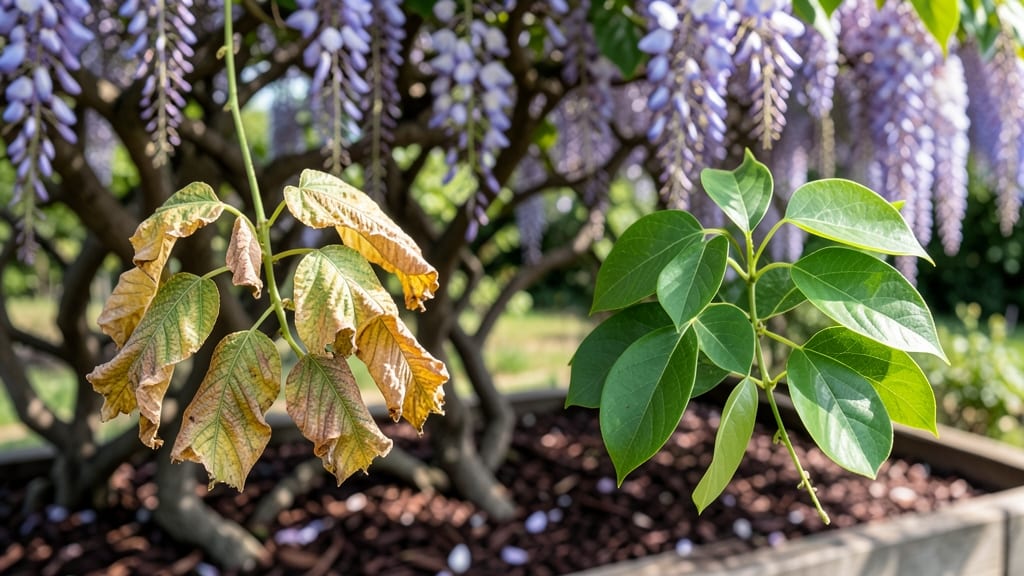
Wisteria leaf curl turns your lush vines into a sad, twisted mess—until you act fast. 🌿 I’ve watched this problem spread from a few leaves to entire branches in weeks, but copper spray stops it in its tracks when applied correctly.
The key is identifying whether it’s bacterial, fungal, or pest-related before treating it, because the wrong fix makes things worse.
Most cases start with tiny curls on new growth, followed by yellowing or browning edges. Spider mites leave fine webbing, while bacterial leaf curl oozes sticky sap. Nutrient deficiencies cause curling too, but those leaves stay thin and pale.
My first copper spray saved my vine in just 3 weeks—but only after I pruned out the worst damage and cleaned my tools with rubbing alcohol.
You’ll need a 3% copper fungicide (like Bordeaux mixture) and a sprayer for even coverage. Apply when leaves are dry, focusing on undersides where pests hide. Repeat every 7-10 days until new growth stays flat. For severe cases, combine with neem oil to smother mites and prevent reinfection.
Prevention is easier: prune in late winter to improve airflow, mulch to retain moisture, and fertilize with balanced 10-10-10 in early spring. If curls keep coming back after two treatments, it might be time to call an arborist—some strains resist home remedies.
The good news? Healthy wisteria recovers fast once the problem’s under control.
Root Causes Of Leaf Distortion
Wisteria leaf curl isn’t just an aesthetic issue—it’s often a cry for help from your plant, signaling underlying stress or infection. Understanding the root causes helps you tackle the problem before it spreads.
Below, we break down the most common triggers, from environmental stressors to microbial invaders, with actionable science-backed explanations.
Wisteria thrives in moderate climates (USDA Zones 5–9), but sudden swings—especially late frost or heatwaves—can shock the plant. When temperatures drop below 32°F (0°C) or spike above 90°F (32°C), cell membranes rupture, causing leaves to curl, pucker, or thicken as a protective response.
- How it happens:
- Cold stress triggers abscisic acid (ABA) production, a hormone that forces leaves to curl to reduce water loss.
- Heat stress disrupts photosynthesis enzymes, leading to malformed leaf edges and upward rolling.
- Actionable fix:
- Mulch heavily in winter to insulate roots (3–4 inches of organic mulch).
- Use shade cloth (30–50%) during summer heatwaves to prevent leaf scorch.
- Water deeply in the early morning to cool roots and stabilize soil temps.
Wisteria roots are sensitive to moisture extremes. Too little water causes osmotic stress, while too much leads to anaerobic conditions—both triggering leaf curl as the plant’s survival mechanism.
| Issue | Why It Causes Curl | Fix It Now |
|---|---|---|
| Underwatering |
Drought stress prompts ethylene gas production, a plant hormone that distorts growth. Leaves curl downward to minimize water loss. |
|
| Overwatering |
Waterlogged soil cuts off oxygen, suffocating roots. Leaves curl upward in a desperate attempt to gas exchange. |
|
Fungal pathogens like Cercospora or Septoria thrive in humid, stagnant conditions, causing leaf curl, spots, and premature drop. These fungi infect stomata (leaf pores), disrupting water and nutrient flow.
- How to spot it:
- Curled leaves with yellow/brown spots (often with black fungal fruiting bodies on undersides).
- Wet foliage for more than 12 hours/day (fungi’s favorite breeding ground).
- Scientific fix:
- Apply copper fungicide spray (0.5–1% copper sulfate) at first sign of curl + spots. Copper disrupts fungal cell membrane synthesis.
- Prune infected leaves immediately and sterilize tools with 70% isopropyl alcohol.
- Space plants for airflow (6–8 feet apart) to reduce humidity around leaves.
Insects like aphids, spider mites, or scale pierce leaves to feed on sap, injecting toxic saliva that warps growth. Their damage triggers phytohormone imbalances, leading to curled, stunted, or puckered leaves.
| Pest | Damage Signs | Treatment |
|---|---|---|
| Aphids |
Curled, sticky leaves (from honeydew), yellowing, and new growth distortion. |
|
| Spider Mites |
Leaves curl upward with fine webbing on undersides. Severe cases turn bronze. |
|
Wisteria is a heavy feeder—when soil lacks key nutrients, leaves curl as a metabolic distress signal. The most critical deficiencies:
- Nitrogen (N) Deficiency
- Symptoms: Pale green/yellow leaves (starting at tips), curling inward.
- Why? Nitrogen fuels chlorophyll production. Without it, leaves can’t photosynthesize efficiently.
- Fix: Apply balanced fertilizer (10-10-10) in early spring.
- Potassium (K) Deficiency
- Symptoms: Leaf edges curl upward, brown "scorch" marks appear.
- Why? Potassium regulates water and enzyme activity. Low K = poor stress resistance.
- Fix: Use potassium sulfate or wood ash (1 cup per plant).
- Magnesium (Mg) Deficiency
- Symptoms: Interveinal yellowing (between veins), leaves curl downward.
-
Fixing Twisted Wisteria Leaves Fast
Wisteria leaf curl can turn your lush vines into a tangled mess, but don’t let it stress you out! With the right approach, you can restore your plant’s health and prevent future damage.
Below are targeted solutions based on the most common causes—fungal infections, environmental stress, or nutrient deficiencies—plus prevention tips to keep your wisteria thriving.
---
Fungal diseases like Anthracnose or Powdery Mildew often cause leaf curl, especially in humid or poorly ventilated areas.
#### 🔥 Step 1: Apply Copper-Based Fungicide Copper sprays are highly effective against fungal leaf curl.
Here’s how to use them: - Choose a product: Look for copper sulfate pentahydrate or copper hydroxide (like Bonide Copper Fungicide). - Mix it right: Follow label instructions—typically 1–2 tablespoons per gallon of water. - Spray thoroughly: Cover both sides of leaves and stems, focusing on curled or discolored areas. - Reapply every 7–14 days until new growth appears healthy.
✨ Pro Tip: Morning spraying prevents fungal spores from settling overnight.
#### 🍳 Step 2: Improve Air Circulation Fungi love stagnant air. Prune any dense or crossing branches to allow sunlight and airflow to reach the center of the plant.
#### 🌡️ Step 3: Adjust Watering Habits - Water at the base, not overhead, to avoid wetting leaves (which spreads spores). - Avoid soggy soil—ensure pots or garden beds have drainage holes.
---
Heat, drought, or sudden temperature swings can cause leaf curl without a fungal cause.
#### 👨🍳 Step 1: Provide Shade & Hydration - Move potted wisteria to a spot with partial shade (especially in peak afternoon sun). - Water deeply 2–3 times per week (check soil moisture—top 1–2 inches should be dry before watering).
#### 🥘 Step 2: Mulch for Moisture Retention Apply 2–3 inches of organic mulch (like wood chips or straw) around the base to retain soil moisture and regulate temperature.
#### ⏰ Step 3: Gradual Climate Adjustments If your wisteria is newly planted, acclimate it slowly to outdoor conditions (harden off indoors-grown plants over 1–2 weeks).
---
Yellowing or curling leaves may signal low nitrogen, magnesium, or zinc.
#### 🔪 Step 1: Test & Amend Soil - Soil test kit (available at garden centers) can identify deficiencies. - Fix nitrogen: Add compost or a balanced fertilizer (10-10-10) in spring. - Fix magnesium/zinc: Apply Epsom salt (magnesium sulfate) or a chelated zinc supplement per package instructions.
#### 🎯 Step 2: Foliar Feed for Quick Results Mix liquid seaweed extract or fish emulsion with water and spray on leaves weekly for a nutrient boost.
---
Once your plant recovers, keep these habits to prevent future leaf curl:
| Issue | Prevention Fix | |-------------------------|--------------------------------------------| | Fungal spread | Spray copper fungicide preventatively in spring/fall. | | Poor drainage | Use well-draining soil (mix with perlite). | | Overwatering | Water only when topsoil is dry. | | Pests (aphids, mites)| Blast off with water spray or use neem oil. | | Sudden heat/drought | Mulch heavily and water consistently. |
Final Thought: Most cases of wisteria leaf curl respond quickly to copper sprays and basic care. Monitor your plant’s progress, and with patience, those curls will straighten out into vibrant, healthy foliage! 🌿✨
Frequently asked questions
1Why does my wisteria curl leaves even when I water regularly?
Regular watering alone won't prevent curling if the issue stems from nutrient deficiencies or fungal infections. Check for yellowing between veins (magnesium deficiency) or upward curling with brown edges (potassium deficiency). Apply Epsom salt for magnesium or potassium sulfate for potassium. Fungal curl often appears with sticky residue—try copper spray if you see webbing or spots.
2Is copper spray safe for all wisteria varieties?
Yes, copper fungicides are generally safe for all wisteria varieties when used correctly. Start with a 3% copper solution (like Bordeaux mixture) and apply in early morning to avoid leaf burn. Avoid spraying when temperatures exceed 90°F (32°C), as copper can become more toxic to plant tissue in extreme heat. Always test a small leaf first.
3How do I tell if my wisteria's leaf curl is from pests or disease?
Examine the undersides of leaves for fine webbing (spider mites) or tiny insects (aphids/scale). Pest damage often appears with sticky residue (honeydew). Disease-related curl usually shows yellow/brown spots or black fungal growth. If you see no visible pests but curled leaves with spots, it's likely fungal—treat with copper spray.
4Can I prune curled leaves to help my wisteria recover?
Pruning is crucial for recovery. Remove all severely curled or diseased leaves using clean, sharp pruners (sterilized with 70% rubbing alcohol). Focus on removing 1/3 of the plant's oldest growth in late winter to improve airflow. For fungal issues, dispose of pruned leaves in the trash—not compost—to prevent reinfection.
5How long until I see improvement after treating wisteria leaf curl?
With proper treatment, you should see new healthy growth within 2-4 weeks. Copper sprays work fastest for fungal issues, while nutrient deficiencies may take 4-6 weeks to show improvement. Monitor your plant's progress and reapply treatments every 7-10 days until you see consistent straight leaves emerging. Patience is key—wisteria is resilient!