
Leaf Blower
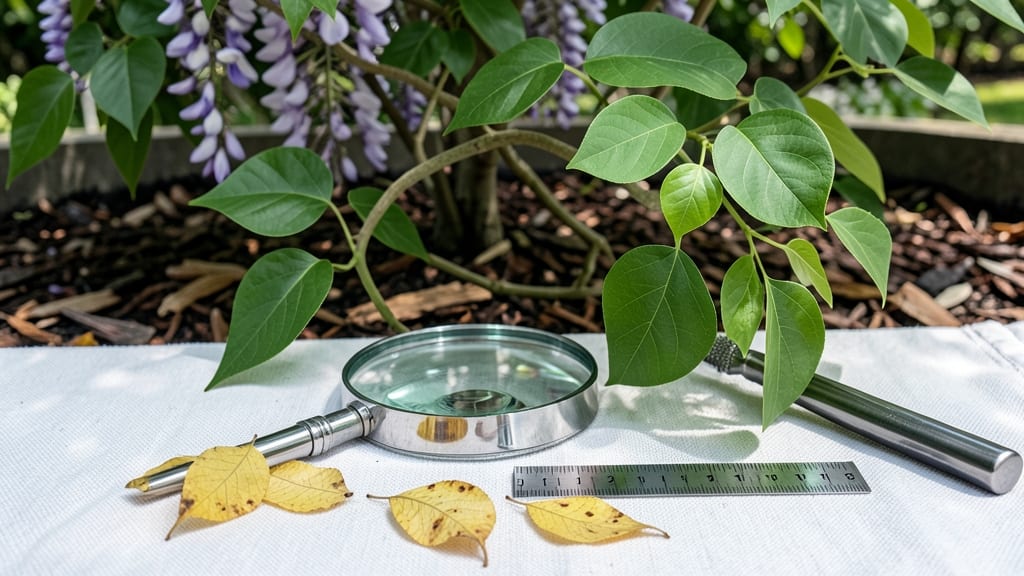
Wisteria leaf problems can turn your stunning vine into a sad, spotty mess—unless you know the culprits. 🌿 I’ve spent years diagnosing why wisteria leaves yellow, curl, or develop unsightly spots, and the fixes are simpler than you’d think.
The key is identifying whether the issue is fungal, pest-related, or environmental before reaching for treatments.
Yellowing leaves often signal overwatering or nutrient deficiencies, while black spots usually mean fungal infections like powdery mildew or anthracnose. Curling leaves? That’s usually spider mites or aphids sucking the life out of your plant.
The good news? Most of these problems can be reversed with targeted pruning, organic sprays, or just adjusting your care routine.
Once you spot the problem, act fast—wisteria recovers surprisingly well when treated early. A mix of neem oil, copper fungicide, or even just better airflow can restore your vine to its lush, blooming glory.
I’ll walk you through the exact steps to diagnose and fix each issue, so you can keep your wisteria thriving without harsh chemicals.
Whether it’s your first wisteria or you’ve battled leaf problems before, these solutions work for all varieties. The secret? Paying attention to the leaves before the flowers steal the show. Let’s get your vine back to its best—and keep it that way all season.
Root Causes Behind Leaf Troubles
Wisteria vines may look delicate, but their leaves are surprisingly resilient—until something disrupts their balance. Understanding the why behind wisteria leaf issues is the first step to restoring your plant’s health. Below, we break down the most common culprits, from hidden pests to environmental stressors, with science-backed explanations.
Wisteria leaves react like a barometer to their surroundings, and extreme conditions can trigger distress. Here’s how:
- Temperature Swings & Heat Stress Wisteria thrives in USDA Zones 5-9, but sudden heatwaves (above 90°F/32°C) or late frosts can shock the plant. Heat stress causes leaves to curl, yellow, or develop crispy edges due to:
- Stomatal closure (pores on leaves shut to conserve water, reducing photosynthesis).
- Cell membrane damage from oxidative stress (think of it like sunburn for plant cells).
- Actionable fix: Provide afternoon shade in hot climates and mulch to regulate soil temperature.
- Water Woes: Overhead or Underwatering Wisteria roots are sensitive to soggy soil (leading to fungal diseases like root rot) but also wilting when drought-stressed.
Signs include: - Yellowing leaves (chlorosis) from poor nutrient uptake in waterlogged soil. - Brown, papery edges when roots can’t absorb moisture fast enough. - Pro tip: Water deeply 1-2 times per week (not daily) and ensure well-draining soil (amend with compost or perlite if needed).
- Wind & Physical Damage Fast-growing wisteria vines can get whiplash in windy areas, leading to:
- Torn or shredded leaves (mechanical injury).
- Stunted growth from energy diverted to repair damage.
- Solution: Train vines on a trellis or arbor and prune to reduce flopping.
Not all leaf problems are environmental—some are tiny, hungry invaders or pathogens hitching a ride on your vine.
- Aphids & Spider Mites: The Sap-Sucking Duo These pests pierce leaves, draining chlorophyll and leaving behind:
- Sticky honeydew (aphids) → sooty mold (black fungal growth).
- Yellow stippling (mites) → thin, brittle leaves.
- How to spot them: Check leaf undersides for webs (mites) or clustered bugs (aphids).
- Organic fix: Spray with neem oil or introduce ladybugs (natural predators).
- Japanese Beetles & Leaf Miners
- Japanese beetles chew semi-circular notches in leaves, while leaf miners (larvae) create blister-like tunnels inside foliage.
- Signs: Silvery trails (miners) or skeletonized leaves (beetles).
- Solution: Handpick beetles into soapy water or use kaolin clay as a barrier.
- Fungal Infections: Powdery Mildew & Rust High humidity + poor airflow = fungal party.
Look for: - Powdery mildew: White, flour-like coating (blocks sunlight → yellow leaves). - Rust: Orange pustules on undersides (weakens plant structure). - Prevention: Space vines for airflow and apply baking soda spray (1 tsp baking soda + 1 quart water + drop of soap).
Wisteria leaves don’t just wilt—they scream in Morse code when nutrients are lacking. Decode the clues:
| Symptom | Likely Deficiency | Quick Fix |
|---|---|---|
| Yellow leaves (oldest first) | Nitrogen (N) | Apply compost or blood meal (high-N). |
| Yellow between veins (new growth) | Iron (Fe) or Magnesium (Mg) | Chelate iron (Fe) or use Epsom salt (Mg). |
| Purple stems/leaves | Phosphorus (P) | Bone meal or rock phosphate. |
| Brown leaf edges | Potassium (K) | Wood ash or potassium sulfate. |
- 💡 Pro Tip: Test soil pH (wisteria prefers 6.0-7.0). Alkaline soil (pH >7.5) locks out iron/manganese, causing yellowing.
Sometimes, well-intentioned treatments backfire.
Watch for: - Fertilizer Burn: Excess salts from synthetic fertilizers cause brown leaf tips or crusty soil. - Fix: Flush soil with water and switch to organic, slow-release fertilizers. - Herbicide Drift: Glyphosate or other broadleaf killers can bleach leaves if sprayed nearby. - Prevention: Apply vinegar-based weed killer (less systemic) or use mulch barriers.
Even healthy wisteria sheds leaves as part of its life cycle:
- Seasonal Shedding: Normal in fall/winter (deciduous habit).
- Old Growth Stress: Over-mature vines may drop leaves if pruned incorrectly (cutting back too late in the season).
- Solution: Prune in late winter/early spring (before buds swell) to encourage fresh growth.
Key Takeaway: Most wisteria leaf problems stem from one (or more) of these four factors:
- Environmental mismatches (water, sun, wind).
- Pests/diseases (aphids, fungi, beetles).
- Nutrient gaps (soil tests save time!).
- Human error (over-fertilizing, poor pruning).
Now that you’ve identified the why, the next step is how to fix it—stay tuned for organic remedies! 🌿
Fixing Wisteria Leaf Issues Naturally
Now that you’ve identified what’s ailing your wisteria, it’s time to roll up your sleeves and restore its lush, vibrant foliage—without harsh chemicals. Below are targeted, organic solutions for each common wisteria leaf problem, along with prevention tips to keep your plant thriving.
Fix It:
- Prune & Clean Up 🔪
- Remove all infected leaves and stems (don’t compost them—dispose of them in the trash or burn them).
- Sterilize pruners with rubbing alcohol (70% or higher) between cuts to prevent spreading spores.
- Apply Organic Fungicides 🛡️ - Baking soda spray: Mix 1 tsp baking soda + 1 tbsp vegetable oil + 1 tsp mild soap per quart of water.
Spray both sides of leaves in the early morning or evening (avoid direct sunlight). - Neem oil solution: Combine 1 tbsp neem oil + 1 tsp mild soap + 1 quart water.
Spray every 7–10 days until new growth appears. - Copper fungicide (organic-certified): Follow label instructions for application.
- Improve Airflow & Light 🌬️☀️
- Thin out dense foliage to reduce humidity (fungi love damp, shaded areas).
- Ensure your wisteria gets at least 6 hours of sunlight daily.
Prevent It:
- Water at the base (avoid overhead sprinkling).
- Space plants 3–5 feet apart for better airflow.
- Apply mulch (2–3 inches) to prevent soil-borne fungi from splashing onto leaves.
Fix It:
- Blast Off Pests with Water 💦
- Use a strong hose spray to dislodge aphids and spider mites from leaves (do this in the early morning).
- Introduce Beneficial Insects 🐞
- Ladybugs (eat aphids) or lacewings (devour spider mites) can be purchased online or at garden centers.
- Plant companion flowers like marigolds or dill to attract them naturally.
- Homemade Sprays 🧪
- Soap spray: Mix 1 tbsp castile soap + 1 quart water. Spray directly on pests (avoid beneficial insects like bees).
- Garlic spray: Blend 1 garlic bulb + 1 quart water, strain, and spray weekly (repels beetles and soft-bodied pests).
- Handpick Japanese Beetles 👨🍳
- Drop them into soapy water (they’re most active in the early morning).
Prevent It:
- Inspect new plants before bringing them home.
- Use row covers if beetles are a recurring issue.
- Encourage predatory birds (like sparrows) with a shallow birdbath.
Fix It:
- Soil Test First 📊
- Grab a DIY soil test kit (available at garden centers) to confirm deficiencies (nitrogen, iron, magnesium, etc.).
- Organic Fertilizer Boost 🌿
- Nitrogen (yellow leaves): Apply composted manure or fish emulsion (follow package rates).
- Iron (yellow between veins): Sprinkle iron chelate or use Epsom salt (1 tbsp per gallon of water, spray leaves).
- Magnesium (yellow edges): Mix 1 tbsp Epsom salt + 1 gallon water and water the base.
- Mulch for Slow Release 🍂
- Spread 2–3 inches of compost or aged bark mulch around the base (but keep it 6 inches away from the trunk).
Prevent It:
- Fertilize in early spring (before new growth starts).
- Avoid over-fertilizing (can burn roots—stick to organic, slow-release options).
- Water deeply but infrequently (wisteria hates soggy roots).
Fix It:
- Check the Soil 🏞️
- Stick your finger 2 inches deep—if it’s damp, wait to water. Wisteria prefers moist but well-drained soil.
- Improve Drainage 🚿
- Amend heavy clay soil with compost or perlite.
- If in a pot, ensure it has drainage holes and use a fast-draining potting mix.
- Adjust Watering Habits 💧
- Water deeply 1–2 times per week (depending on climate).
- Never let it sit in standing water—root rot is a silent killer.
Prevent It:
- Plant in a raised bed if your yard has poor drainage.
- Use a moisture meter to track soil dampness.
- Mulch to retain moisture (but avoid compacting soil).
- Prune in late winter/early spring to encourage airflow and sunlight penetration.
- Avoid high-nitrogen fertilizers in late summer (promotes weak, disease-prone growth).
- Monitor regularly—catch issues early before they spread!
With these simple, organic fixes, your wisteria should bounce back with strong, glossy leaves in no time. 🌿💚
Frequently asked questions about wisteria leaf problems
Why are my wisteria leaves turning yellow?
Yellowing wisteria leaves usually signal either overwatering (causing root rot) or nutrient deficiencies. Check the soil moisture first—if it's soggy, reduce watering. If the yellowing starts with older leaves, it's likely a nitrogen deficiency. For yellowing between veins, your plant may need iron or magnesium (try Epsom salt spray).
What should I do if my wisteria leaves have black spots?
Black spots on wisteria leaves are typically caused by fungal infections like anthracnose or powdery mildew. Start by pruning away all infected leaves and sterilizing your tools. Apply a homemade baking soda spray (1 tsp baking soda + 1 tbsp oil + 1 tsp soap per quart of water) or organic neem oil solution every 7-10 days until new growth appears.
How can I tell if my wisteria leaves are curling from pests or environmental stress?
Check the leaf undersides first—if you see tiny webs or yellow stippling, it's likely spider mites. For clustered bugs, you're dealing with aphids. Environmental stress (like heat or wind) causes curling without visible pests. Try blasting leaves with water first to dislodge pests, then use neem oil if needed. For environmental stress, provide afternoon shade and improve airflow.
Can I save my wisteria if the leaf problems have spread to most of the plant?
Don't panic! Wisteria is remarkably resilient. Start with aggressive pruning—remove 25-30% of the most affected growth to improve airflow. Apply a copper fungicide (for fungal issues) or soapy water spray (for pests), then focus on soil health with compost and proper watering. With consistent care, you should see new growth within 4-6 weeks.
Is it safe to use chemical treatments on my wisteria?
While chemical treatments can work quickly, they're not necessary for wisteria. Organic solutions like neem oil, baking soda sprays, and beneficial insects are equally effective and safer for your garden ecosystem. If you choose chemicals, opt for low-toxicity options like horticultural oil and always follow label instructions carefully.