
Leaf Blower
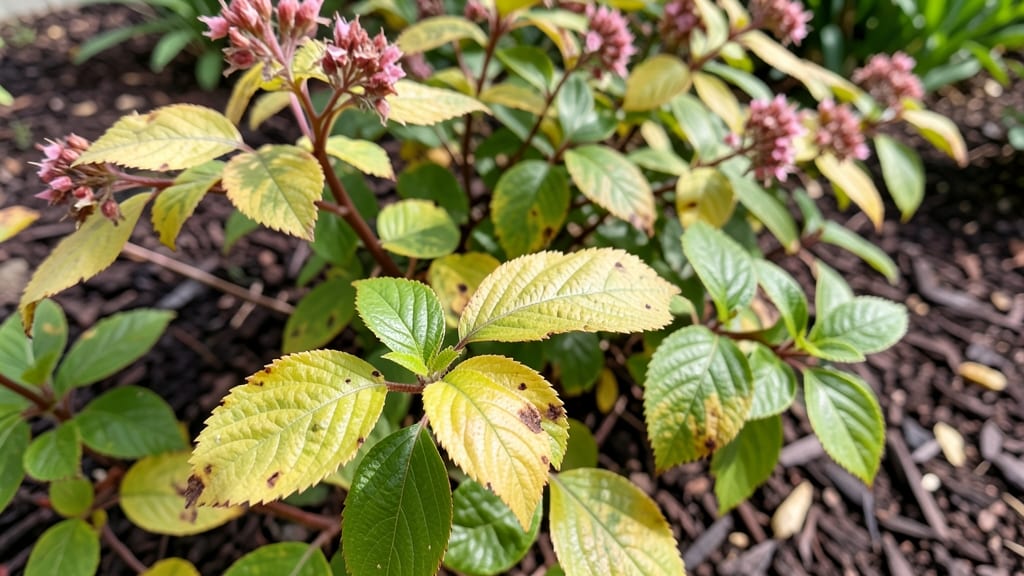
Your yellow leaf spirea might be screaming for help—but it’s easier to fix than you think. 🌿 I’ve nursed back more than a dozen of these shade-loving beauties, and the solutions are simpler than you’d expect: watering tweaks, pruning at the right time, and a little iron boost when needed.
The real culprits? Overwatering that drowns roots, fungal infections hiding on leaves, or iron deficiency turning foliage pale. I’ll show you how to spot the difference between thirsty roots and a fungal attack—because once you know what’s wrong, the fix takes less than 10 minutes.
Within weeks, you’ll see fresh green leaves pushing through, and by summer, your spirea will be the showstopper of the garden. The key is acting fast—before the problem spreads to neighboring plants.
Whether you’re dealing with a single branch or a whole plant, this method works for both container-grown spirea and in-ground shrubs. Let’s get those leaves back to their vibrant best!
Root Causes Of Leaf Yellowing
Your Spirea’s vibrant green foliage is its signature charm, so when those leaves start turning yellow, it’s a clear sign something’s off. Understanding the why behind this shift is the first step to restoring your plant’s health.
Below, we break down the most common culprits—from environmental stressors to hidden pests—and explain how they trigger yellowing in Spirea leaves.
Yellow leaves on Spirea can often be traced back to the roots. This shade-loving shrub thrives in well-draining soil, and when it sits in soggy conditions, its roots suffocate. Here’s how it happens:
- Oxygen deprivation: Overwatering or compacted soil forces roots to compete for oxygen, leading to anoxia (oxygen starvation). Without oxygen, roots can’t absorb nutrients efficiently, causing leaves to yellow—a classic sign of chlorosis (loss of chlorophyll).
- Root rot: Excess moisture creates the perfect breeding ground for Phytophthora and Pythium fungi, which attack root tissues. As roots decay, the plant can no longer transport water and nutrients upward, resulting in yellowing, wilting, or even leaf drop.
- Actionable fix:
- Test your soil’s drainage by digging a hole near the plant and filling it with water. If it doesn’t drain within 30 minutes, amend the soil with perlite, sand, or compost to improve aeration.
- Water only when the top 1–2 inches of soil are dry. Spirea prefers consistency over sogginess—think drip irrigation or soaker hoses for even moisture.
- If root rot is suspected, trim away mushy, blackened roots and repot in fresh, sterile soil. Fungicides like copper-based sprays can help prevent further spread.
Spirea is famously adaptable, but its tolerance has limits. Yellow leaves can signal light stress, whether from scorching sun or insufficient light. Here’s the science:
- Sunburn (excessive light): While some varieties handle full sun, prolonged exposure—especially in hot climates—can cause photoxidative damage. Chlorophyll breaks down under intense UV rays, leading to yellowing or browning (often on leaf edges).
- Light deprivation (shade stress): In deep shade, Spirea may stretch (etiolation) and produce pale, yellowish leaves due to reduced chlorophyll synthesis. This is common in dense forests or under tall trees.
- Actionable fix:
- For sunburn: Provide afternoon shade with a lightweight shade cloth (30–50%) or plant near structures that cast dappled shade.
- For shade stress: Gradually acclimate your Spirea to brighter conditions by moving it to a partially sunny spot over a few weeks. Avoid sudden exposure to full sun.
- Mulch with organic matter to regulate soil temperature and retain moisture, reducing stress.
Yellowing leaves can be a nutritional red flag. Spirea relies on a balanced diet, and deficiencies—especially in nitrogen, iron, or magnesium—trigger yellowing in distinct patterns:
| Nutrient Deficiency | Yellowing Pattern | Cause |
|---|---|---|
| Nitrogen (N) | Older leaves turn yellow first, then brown (progresses upward). | Nitrogen is vital for chlorophyll. Deficiencies occur in poor soil or after heavy pruning. |
| Iron (Fe) | Young leaves develop interveinal yellowing (veins stay green). | Iron is immobile in plants, so new growth suffers first. Common in alkaline soils (pH > 7.0), which lock out iron. |
| Magnesium (Mg) | Yellowing appears between veins on older leaves, with brown patches later. | Magnesium is central to chlorophyll. Deficiencies arise from over-fertilizing with nitrogen or acidic soils. |
Actionable fix:
- Test your soil’s pH and nutrients with a home kit or lab analysis. Aim for a pH of 5.5–7.0 for optimal uptake.
- For iron deficiency: Apply chelated iron (e.g., iron sulfate) or use acidifying fertilizers like cottonseed meal.
- For nitrogen: Top-dress with compost or a balanced fertilizer (10-10-10) in early spring.
- For magnesium: Use Epsom salt (magnesium sulfate)—dissolve 1 tbsp in a gallon of water and spray foliage monthly.
Yellow leaves can also be a symptom of infestation or infection. Pests like spider mites and aphids drain sap, while diseases such as powdery mildew or leaf spot disrupt photosynthesis. Here’s how to spot them:
- Spider mites: Tiny yellow or brown specks on leaves (actually stippling from feeding) and fine webbing on undersides. They thrive in dry, hot conditions.
- Aphids: Sticky residue (honeydew) on leaves, curled or yellowing foliage. They cluster on new growth.
- Fungal diseases (e.g., powdery mildew): White, powdery patches on leaves, often with yellowing underneath. Spreads in humid, shaded areas.
- Actionable fix:
- For pests:
- Blast off mites/aphids with a strong stream of water.
- Apply neem oil or insecticidal soap (repeat every 5–7 days).
- Introduce beneficial insects like ladybugs or lacewings.
- For pests:
Revive Your Shrub’s Vibrant Health
When your spirea’s leaves turn yellow, it’s often a sign the plant is crying out for help—but don’t worry, most issues have simple fixes. Below, we’ll tackle the most common causes and show you how to bring back that lush, green glory with easy, actionable steps.
Prevention tips are sprinkled in to keep your shrub thriving long-term!
Signs: Yellowing leaves, soggy soil, wilting despite water. Why it happens: Spirea hates "wet feet"—too much moisture suffocates roots, leading to fungal diseases or root rot.
How to fix it: 🔥 Step 1: Check the Soil – Stick your finger 2 inches deep. If it’s damp, hold off on watering. 🍳 Step 2: Improve Drainage – Amend heavy or clay soil with compost or perlite to help water flow away from roots. 👨🍳 Step 3: Adjust Watering – Water deeply 1-2 times per week (more in extreme heat), but ensure the top 2 inches of soil dry out between sessions. 🥘 Step 4: Prune Affected Branches – Trim back any yellowed or mushy stems to prevent spread.
💡 Pro Tip: If your spirea sits in a low spot where water pools, raise the planting area with a mound of soil or gravel.
Signs: Crispy yellow edges, drooping leaves, dry soil. Why it happens: Spirea loves moisture but can’t survive drought stress—especially in hot climates.
How to fix it: 🔥 Step 1: Water Deeply – Soak the root zone until water drains out the bottom (10-15 minutes for mature plants). 🍳 Step 2: Mulch Like a Pro – Spread 2-3 inches of mulch (wood chips or straw) around the base to retain moisture. 👨🍳 Step 3: Water Early – Water in the morning to reduce evaporation and fungal risks. 🥘 Step 4: Monitor Soil – Use a moisture meter or the finger test to avoid over- or under-watering.
💡 Pro Tip: If your spirea is in a container, ensure it has drainage holes and water when the top inch of soil feels dry.
Signs: Pale yellow leaves (especially on new growth), stunted growth, weak stems. Why it happens: Poor soil or over-pruning can deplete essential nutrients like iron, nitrogen, or magnesium.
How to fix it: 🔥 Step 1: Test Your Soil – A simple DIY soil test kit (or lab test) reveals deficiencies. 🍳 Step 2: Fertilize Right –
- Iron deficiency? Use an iron chelate or apply EG (Epsom salt) (1 tbsp per gallon of water, every 2 weeks).
- General boost? A balanced 10-10-10 fertilizer in early spring or after pruning.
👨🍳 Step 3: Improve Soil – Mix in compost or aged manure to enrich the soil naturally. 🥘 Step 4: Avoid Over-Fertilizing – Too much can burn roots; follow package instructions.
💡 Pro Tip: Yellow leaves with green veins? Likely iron deficiency—spirea thrives with acidic to neutral soil (pH 6.0-7.0).
Signs: Yellowing with spots, holes, or webbing; sticky residue (aphids); powdery white fungus. Why it happens: Spider mites, aphids, or fungal infections (like powdery mildew) stress spirea.
How to fix it: 🔥 Step 1: Inspect Leaves – Flip leaves to spot pests (tiny webs, bugs, or mold). 🍳 Step 2: Blast Off Pests –
- For aphids/spider mites: Spray with neem oil or insecticidal soap (repeat every 5-7 days).
- For fungal issues: Apply copper fungicide or baking soda spray (1 tsp baking soda + 1 quart water + a drop of dish soap).
👨🍳 Step 3: Prune & Dispose – Cut off heavily infested branches and dispose of them in the trash (not compost). 🥘 Step 4: Boost Airflow – Thin out dense foliage to reduce humidity (fungi love damp, shaded spots).
💡 Pro Tip: Prevent future pests with companion planting—try marigolds or lavender nearby to repel bugs!
Signs: Yellowing in one side (sunburn) or all leaves (shock from transplanting). Why it happens: Sudden changes in light, temperature, or transplant trauma can shock spirea.
How to fix it: 🔥 Step 1: Acclimate Gradually – If moving to a sunnier spot, harden off over 1-2 weeks. 🍳 Step 2: Shield from Harsh Sun – If leaves scorch, provide light shade (especially in hot afternoons). 👨🍳 Step 3: Mulch & Protect Roots – Mulch keeps roots cool in summer and insulated in winter. 🥘 Step 4: Wait & Watch – If recently transplanted, yellowing may fade in 2-4 weeks as roots establish.
💡 Pro Tip: Yellow leaves after winter? It’s normal—spirea often sheds old leaves in spring. Prune only dead or crossing branches.
Final Thought: Most yellow leaf issues are easily reversible with the right care. Start with water, soil, and pests, and your spirea will bounce back faster than you think! 🌿✨
Frequently asked questions about yellow leaf spirea
Why are the leaves on my spirea turning yellow?
Yellow leaves usually signal stress from overwatering (root rot), nutrient deficiencies (like iron or nitrogen), or environmental factors such as too much sun or shade. Check soil moisture first—spirea prefers well-draining soil and 1-2 inches dry between waterings.
Can I save a spirea with yellow leaves?
Yes! Most cases are reversible. Start by adjusting watering, testing soil pH (ideal: 5.5-7.0), and applying targeted fertilizers like chelated iron for interveinal yellowing. Prune affected branches to redirect energy to healthy growth.
How do I tell if yellow leaves are from pests or disease?
Pests (aphids, spider mites) leave sticky residue or webbing, while fungal issues show powdery white patches or spots. Inspect leaf undersides—pests cluster there. Treat pests with neem oil and fungi with copper fungicide.
Is it okay to prune spirea with yellow leaves?
Prune only dead or severely yellowed branches—never more than 1/3 of the plant at once. The best time is late winter/early spring. Avoid heavy pruning in summer, as it stresses the plant.
Why does my spirea look healthy but still has yellow leaves?
It might be normal seasonal shedding (common in spring) or iron chlorosis from alkaline soil. Test your soil—if pH is above 7.0, amend with sulfur or peat moss. Yellow leaves with green veins confirm iron deficiency.