
Plants
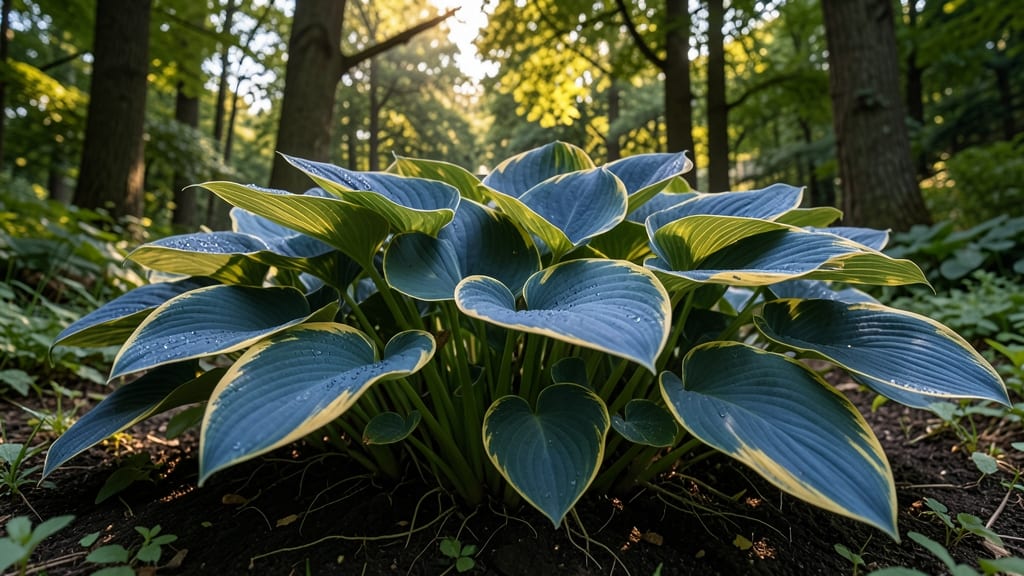
Mistaking poison ivy for a harmless plant can ruin your gardening plans. These 10 three-leaf plants offer beautiful foliage, safe cultivation, and distinctive features that help avoid dangerous look-alikes—perfect for gardens, containers, or landscaping.
Sweet Woodruff Ground Cover
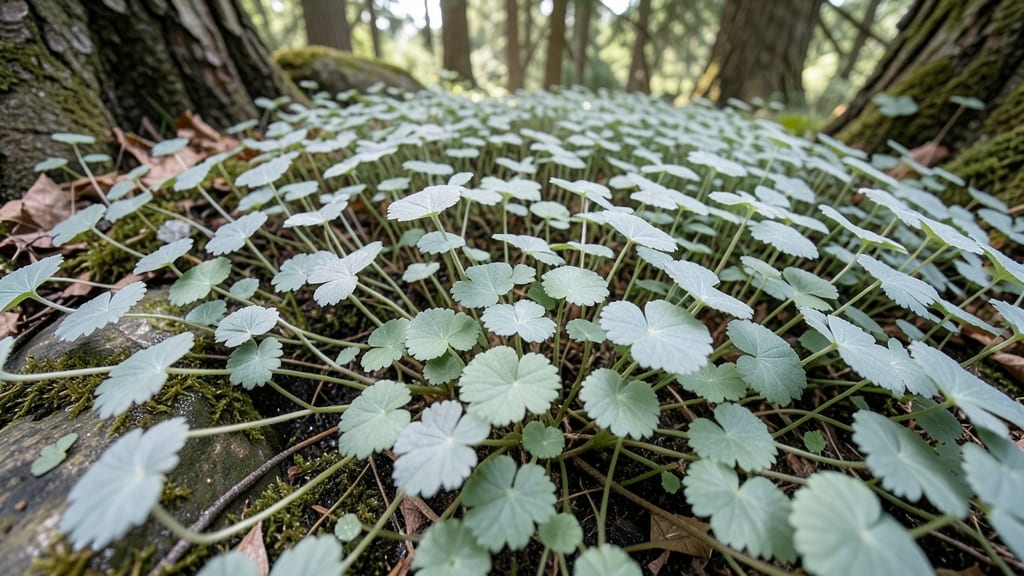
Looking for a non-toxic ground cover that thrives in shade and adds a magical touch to your garden? Meet sweet woodruff (Galium odoratum), a delicate plant with trifoliate leaves that releases a vanilla-like scent when crushed—perfect for woodland gardens or fairy-tale landscapes.
This hardy perennial spreads gently to form a lush carpet under trees or shrubs, requiring minimal care. It prefers partial to full shade and moist, well-drained soil, making it ideal for areas where grass struggles. In spring, it produces tiny white flowers that attract pollinators, and its aromatic foliage makes it a sensory delight. Plus, it’s pet-safe, so curious pets can explore without worry.
Sweet woodruff is especially great for gardeners who love low-maintenance plants with a whimsical charm. Its airy growth habit and sweet fragrance make it a standout choice for shady borders or as a living mulch. 🌿
Virginia Creeper Vine
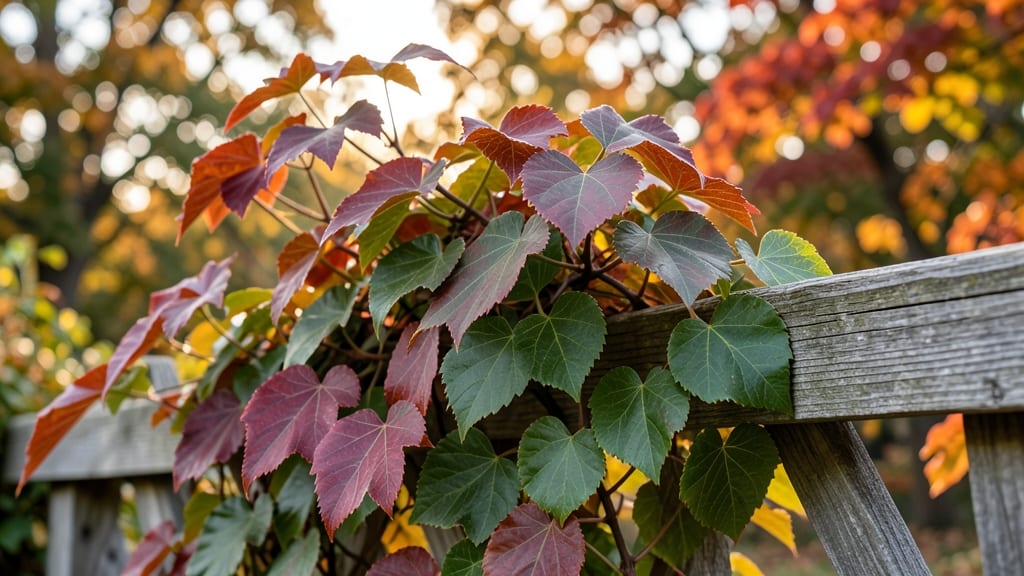
If you’re craving a bold seasonal display without the worry of poison ivy’s rash-inducing oils, Virginia creeper vine is your answer. This fast-growing climber boasts three leaflets (like poison ivy, but harmless) that transform into glowing red foliage by fall—a stunning alternative for trellises, fences, or even erosion-prone slopes.
Unlike its toxic look-alike, Virginia creeper thrives in full sun to partial shade and tolerates a wide range of soils, from dry slopes to moist gardens. Its tendrils can grow 15–20 feet per season, making it ideal for quick privacy screens or vertical gardens. For erosion control, plant it on hillsides—its dense roots stabilize soil while adding seasonal color.
Perfect for gardeners who want low-maintenance drama, this vine is especially great for urban yards or rural landscapes where bold autumn hues are desired. Just remember: its berries are toxic to pets, so keep them out of reach! 🌟
Boxelder Maple Tree
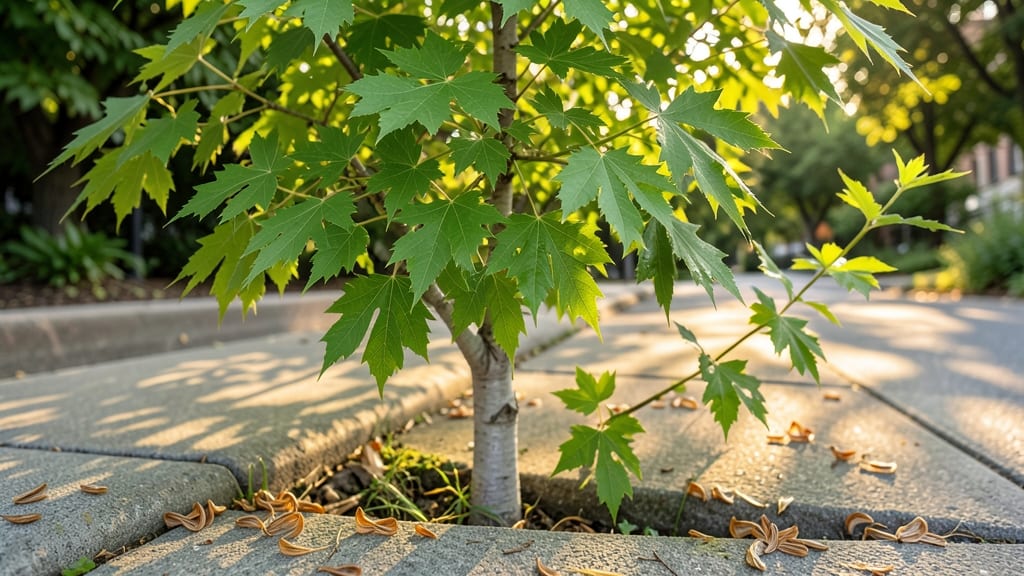
If you're looking for a native tree that mimics poison ivy's three-leaflet shape but won't cause rashes, the boxelder maple is your answer. This fast-growing tree thrives in urban settings, tolerates drought once established, and produces iconic helicopter seeds that kids love to collect.
The compound leaves (with 3-7 leaflets) are easy to spot—just look for the smooth-edged leaflets and opposite branching (unlike poison ivy's alternate arrangement). Plant it in full sun to part shade, and watch it become a wildlife magnet for birds that feast on its seeds. Unlike poison ivy, it's completely non-toxic to humans and pets.
Urban gardeners and wildlife enthusiasts will appreciate this tree's adaptability to sidewalks, parks, and small yards. It's a low-maintenance choice that adds both beauty and ecological value. 🌱
Clover Grass Varieties
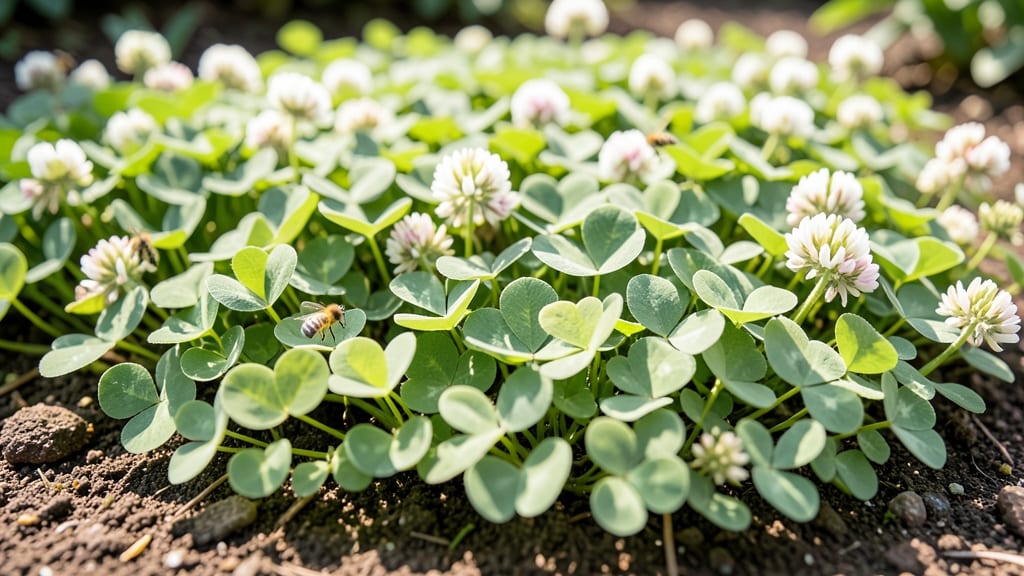
If you're looking for a low-maintenance, pollinator-friendly ground cover that doubles as a living mulch, clover varieties are your answer. Unlike poison ivy, these trifoliate plants are completely safe, edible, and packed with benefits for your garden's ecosystem.
Clover varieties like white clover and red clover spread quickly to suppress weeds, fix nitrogen in the soil (reducing fertilizer needs), and provide nectar for bees. Their trifoliate leaves resemble poison ivy but lack the toxic oils—just crush a leaf to confirm the sweet, grassy scent instead of the acrid smell of poison ivy. Plant them in full sun to partial shade for a lush, green carpet that stays green even in drought conditions.
Organic gardeners and lawn enthusiasts will love clover for its ability to outcompete weeds while improving soil structure. Plus, you can mow it like grass or harvest the leaves for salads and teas. 🌱
Hop Plant for Gardens
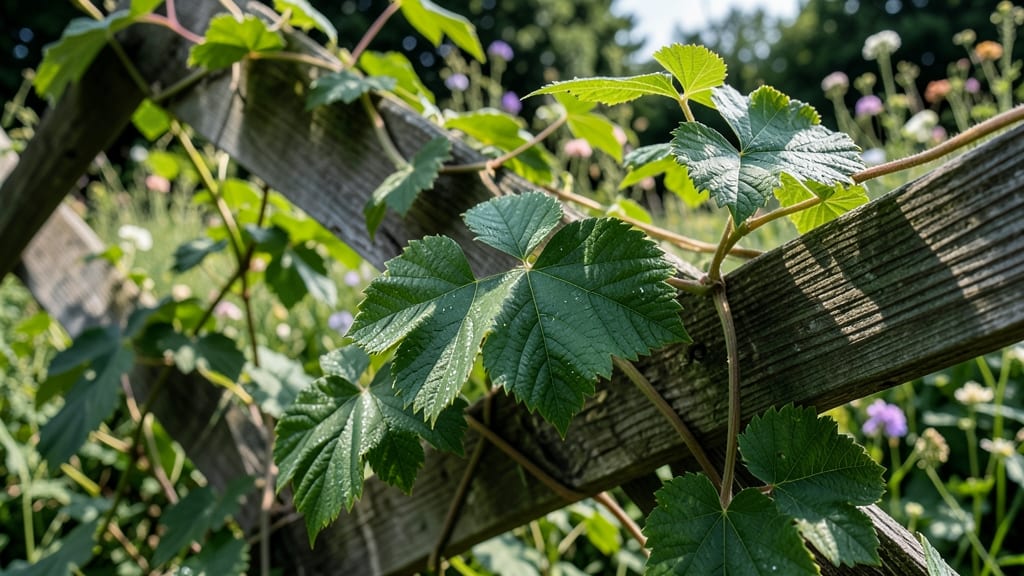
Looking for a fast-growing, multi-purpose vine that’s safe for your garden and even useful for brewing? Hop plants (Humulus lupulus) are the perfect solution—with their distinctive three-leaflet clusters and aromatic foliage, they’re a non-toxic alternative to poison ivy while offering practical benefits.
These vigorous climbers grow 15-20 feet per season, making them ideal for privacy screens, trellises, or vertical gardens. They thrive in full sun to partial shade and well-drained soil, producing fragrant, edible cones used in beer brewing. Unlike poison ivy, hops are non-toxic and even repel pests like aphids, thanks to their natural oils.
Perfect for homebrewers, gardeners seeking shade, or urban spaces with limited ground area, hops add both function and beauty—without the risk. 🌱
Trillium Flowers
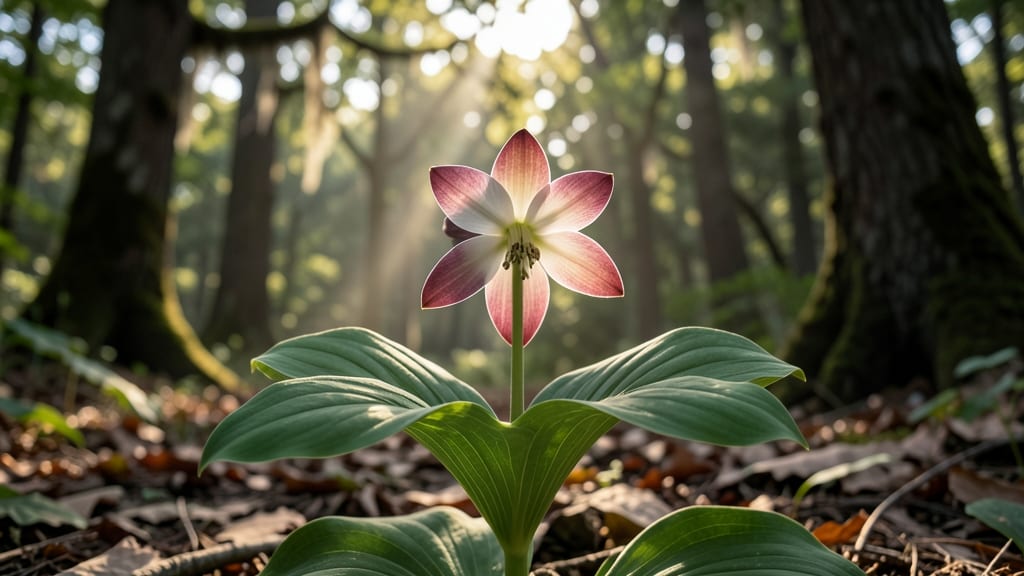
If you’re craving a woodland garden that feels like a secret forest retreat, trillium flowers are your perfect partner. These iconic perennials burst forth in early spring with their signature three-petaled blooms—often white, pink, or maroon—paired with three broad leaflets below, creating a striking visual symmetry that’s impossible to miss.
Unlike poison ivy, trilliums are non-toxic and deer-resistant, making them a low-maintenance choice for shady spots where few other plants thrive. They prefer dappled sunlight or full shade and well-draining, slightly acidic soil—ideal for understory plantings or woodland gardens. Once established, they multiply slowly but reliably, forming colonies over time. Their fragrant blooms also attract early pollinators like bees and butterflies, giving your garden a head start on the growing season.
Perfect for gardeners who love native plants or want to recreate a forest understory, trilliums add elegance with minimal fuss. Just avoid overwatering—their roots prefer moisture but hate soggy conditions. 🌷
Lamb’s Ear Plant
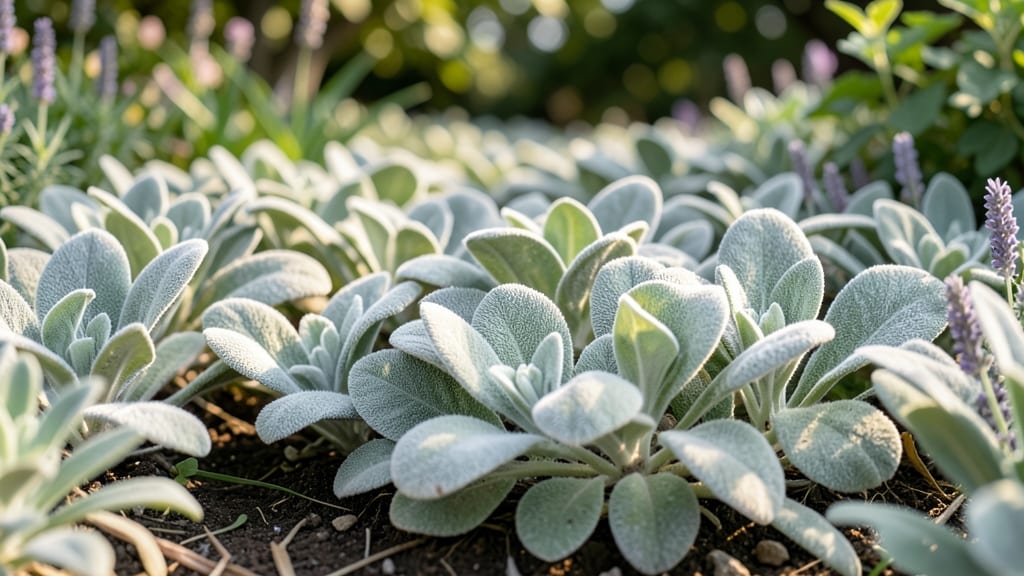
Looking for a plant that feels like a cozy blanket for your garden? The lamb’s ear plant delivers with its signature fuzzy, silver-green leaves that are irresistible to touch. Unlike poison ivy, these velvety leaves are completely safe for kids, pets, and sensory gardens.
This hardy perennial thrives in rock gardens, containers, or borders and prefers full sun to partial shade. Water when the top inch of soil feels dry, and pinch back spent blooms to encourage lush foliage. Its compact growth (12-18 inches tall) makes it perfect for small spaces or edging.
Gardeners who love tactile plants or need low-maintenance ground cover will adore lamb’s ear—it’s drought-tolerant once established and pairs beautifully with lavender or purple flowers. 🌿
Japanese Painted Fern
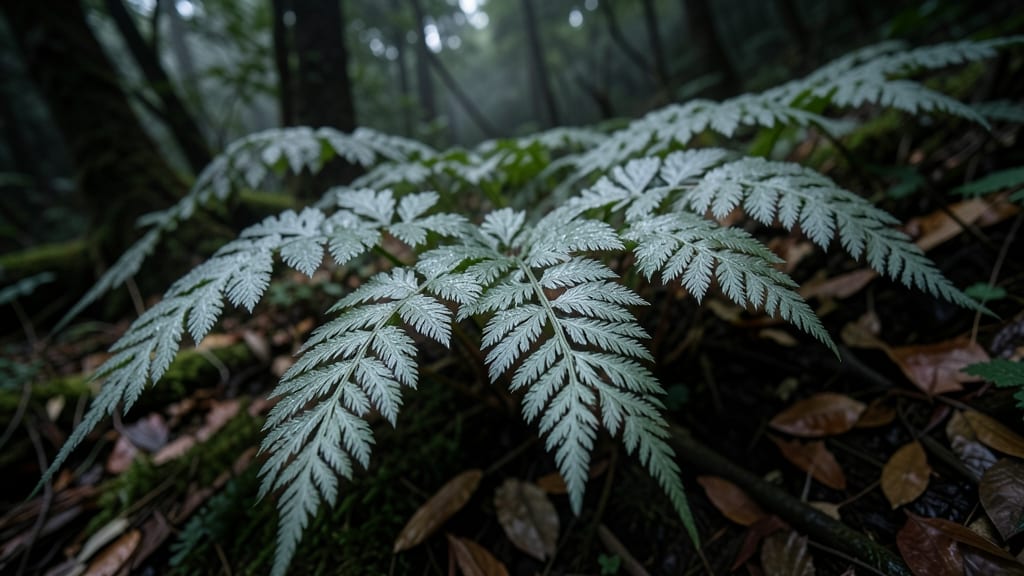
Looking for a three-leaf plant that thrives in shade while adding striking texture to your garden? The Japanese painted fern (Athyrium niponicum var. pictum) delivers silvery-green, three-lobed fronds that glow in low-light areas—no sun required. Unlike poison ivy, its fronds have a delicate, almost lace-like appearance with contrasting colors, making it a standout in woodland gardens or shady borders.
This non-toxic perennial handles humidity beautifully, making it ideal for damp climates or areas with poor drainage. Simply plant it in moist, well-draining soil and watch it spread slowly but steadily—no high-maintenance fuss. Its year-round interest ensures your garden stays lush even in winter, when other plants fade.
Perfect for beginners or busy gardeners, this fern adds textural contrast without demanding attention. Pair it with hostas or trilliums for a dreamy, low-light garden that’s safe for kids and pets. 🌿
Three-Leaf Yarrow
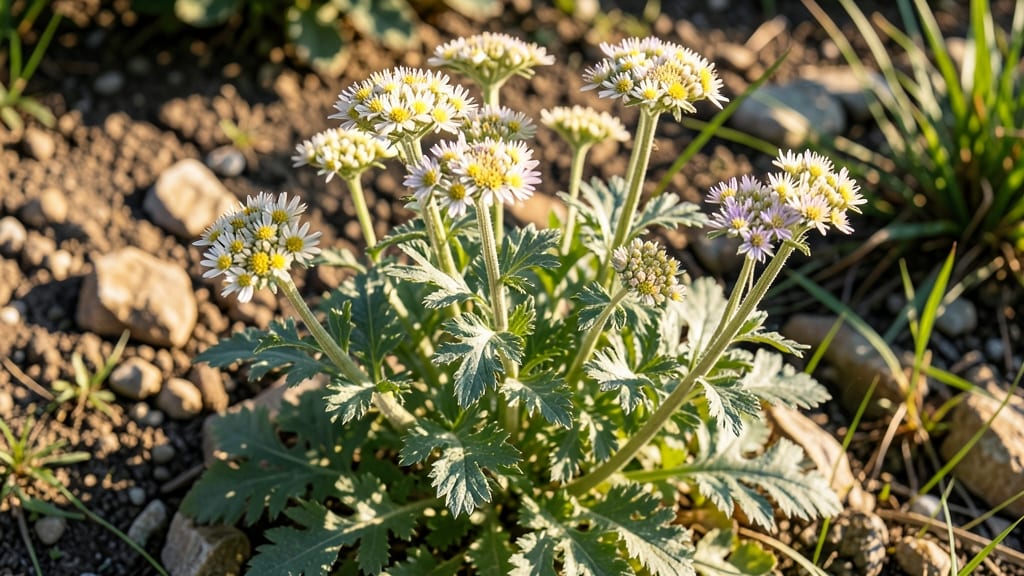
If you're searching for a drought-resistant plant that thrives in poor soils while adding beauty and utility to your garden, three-leaf yarrow (Achillea millefolium) is your answer. This hardy perennial boasts fern-like three-leaflets and flat-topped flower clusters that bloom from early summer to fall, making it a pollinator magnet.
Unlike poison ivy, yarrow is non-toxic to humans and pets, and its feathery foliage stays lush even in dry spells. Plant it in full sun for best results, and watch it attract bees, butterflies, and beneficial insects. Yarrow’s medicinal properties—like wound healing and anti-inflammatory benefits—have been used for centuries, making it a valuable addition to herbal gardens.
Perfect for beginner gardeners or those with challenging soil, yarrow spreads easily and requires minimal care. 🌟
Hosta Varieties

If you’ve ever struggled to find shade-tolerant plants that thrive under trees or in low-light spots, hostas are your answer. These broad-leafed perennials offer a stunning array of colors—from deep blues to golden variegation—and stay lush even when others wilt.
Hostas are non-toxic, making them pet- and child-friendly, and their three-lobed leaves create dramatic texture in foundation plantings or woodland gardens. Plant them in well-draining soil and water moderately to prevent slug issues. With over 3,000 varieties, you’ll find one to match any shade garden’s mood.
Perfect for beginners or busy gardeners, hostas reward minimal effort with year-round interest—just watch for slugs in humid climates. 💚