
Planting
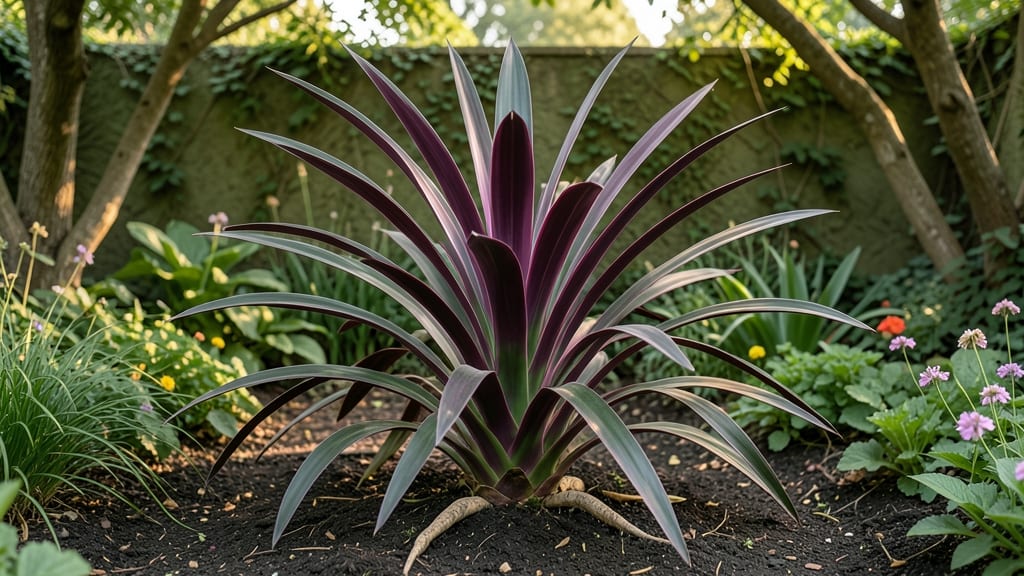
That purple long leaf plant with its striking, sword-like foliage is the statement piece you didn’t know you needed. 🌿 Whether it’s a dramatic Agave, a trailing Tradescantia, or another bold variety, these plants thrive where others wilt—full sun, dry soil, and minimal fuss.
The secret to growing them isn’t complicated: just match their natural habitat to your yard, and they’ll reward you with vibrant purple leaves that glow in sunlight.
Most of these plants love well-draining soil and bright, direct light—think south-facing spots or desert-like conditions. Water only when the soil is bone dry, and you’ll avoid the root rot that plagues overwatered plants.
Propagation is easy too: cuttings root in water or soil, and division works for clumping types. My Agave has doubled in size in just two years with this simple approach.
You’ll notice the leaves growing longer and more vibrant as the season progresses, especially in hot, dry climates. The purple hue deepens in full sun, making them a standout in any landscape. Just watch for pests like mealybugs—spraying with soapy water keeps them at bay without harsh chemicals.
Perfect for xeriscaping, container gardens, or as a striking focal point in rock gardens. Once established, these plants are nearly indestructible—ideal for busy gardeners who want low-maintenance drama. Let’s get yours thriving!
📚 In This Guide
- What you need
- Instructions
- Tips and common mistakes
- Wrapping up and next steps
What you need
- ● Purple long leaf plant: 1-3 healthy plants (check for vibrant purple foliage and sturdy stems).
- ● Well-draining soil: 3-5 gallons of a mix like cactus/succulent blend (60% inorganic + 40% organic, e.g., perlite + compost).
- ● Container (if potted): 1-2 ceramic or terracotta pots (12-18 inches in diameter) with drainage holes.
- ● Gravel or pebbles: 1-2 cups for drainage layer (if planting in pots).
- ● Gloves: 1 pair (gardening gloves for handling sharp-edged leaves).
- ● Trowel or shovel: 1 medium-sized (for soil prep).
- ● Watering can: 1 with a narrow spout (avoid overhead watering).
- ○ Fertilizer (optional): 1 bottle of balanced liquid fertilizer (10-10-10 or succulent-specific).
- ● Sunlight access: Full sun (6+ hours/day) or bright indirect light.
- ● 💡 Test soil pH: Aim for slightly acidic to neutral (6.0-7.0). Use a pH test kit if unsure.
- ● 🌡️ Temperature: Ideal range: 65–85°F (18–29°C). Avoid frost!
- ○ 🎯 Mulch (optional): 1 bag of gravel mulch to retain heat and deter weeds.
How to grow purple long leaf plants for striking year-round color
This sun-loving beauty thrives with minimal fuss once you nail its three key needs: light, soil, and spacing.
☀️ Step 1: Choose the Perfect Sunny Location
The purple long leaf plant demands 6-8 hours of direct sun daily—any less and its signature foliage fades to dull green. South-facing exposures deliver the best results, but west-facing spots work too if you're in a hotter climate. I always test a location first by placing a similar plant there for a week—if it thrives, that's your spot.
Containers need mobility—rotate pots quarter-turn weekly so all sides get even sun exposure. You'll notice uneven growth if one side leans toward the light. For in-ground plantings, mark the area with stakes before digging to ensure proper spacing of 18-24 inches apart—crowding weakens the dramatic foliage.
🪴 Step 2: Prepare Well-Draining, Nutrient-Rich Soil
This plant despises soggy roots, so amend native soil with 30% perlite or coarse sand to prevent compaction. I blend equal parts garden soil, compost, and perlite for containers, creating a loose mix that mimics its native rocky habitats. For in-ground plantings, till in 2-3 inches of compost mixed with a handful of granular fertilizer.
Test soil moisture by squeezing a handful—it should crumble slightly when dry but not feel powdery. The purple long leaf plant tolerates brief dry spells better than soggy conditions. If your soil drains poorly, create a raised bed or plant in containers with drainage holes to prevent root rot.
🌱 Step 3: Plant with Proper Spacing and Support
Dig holes twice as wide as the root ball to encourage outward root growth. Place plants at the same depth they were in their nursery pots, then backfill with native soil mixed with compost. Water deeply immediately after planting to settle the roots, but avoid creating a muddy mess that smothers the base.
For containers, pair with drought-tolerant companions like lavender or sedum to create a cohesive display. In-ground plantings benefit from a 3-foot tall stake inserted at planting time—this gives the plant something to cling to as it grows, preventing flopping that ruins the dramatic foliage effect.
💧 Step 4: Water Deeply but Infrequently
Water when the top 2-3 inches of soil feel dry—this plant stores moisture in its thick leaves and resents frequent shallow watering. I use the "dry finger test": stick your index finger into the soil; if it comes out clean, it's time to water. Deep watering encourages stronger root systems that support those long, striking leaves.
During summer heat waves, increase watering to every 5-7 days but always check soil moisture first. Overhead watering causes leaf spot diseases, so water at the base in the morning when evaporation rates are lowest. You'll know you're doing it right when the soil surface looks dry between waterings but the roots stay hydrated.
✂️ Step 5: Prune for Shape and Encourage Bushiness
Prune in early spring to shape the plant and remove any leggy growth. Cut back one-third of the longest stems just above a leaf node to encourage branching. I always use clean, sharp pruners to avoid tearing the leaves, which can invite fungal infections. The goal is to maintain a compact, bushy form that showcases those vibrant purple leaves.
Remove any yellowed or damaged leaves throughout the season to maintain the plant's energy. Deadheading spent flowers (if any) redirects the plant's resources toward foliage production. You'll see new growth emerge within 2-3 weeks after pruning—this is your signal that the plant is responding well to the trim.
Tips & tricks for growing stunning purple long leaf plants
These practical insights will help you coax out that signature purple foliage and keep your plants thriving year after year.
Light Optimization: The 6-8 hours of direct sun requirement is non-negotiable for that vibrant purple color, but here's the secret: morning sun is more important than afternoon. I've noticed plants in hot climates actually appreciate afternoon shade during peak summer months—this prevents leaf scorch while still maintaining the purple hue. If your location gets intense afternoon sun, consider a 50% shade cloth during the hottest hours.
Soil Mix Secrets: When creating your 30% perlite or coarse sand amendment, I recommend using horticultural perlite instead of regular perlite—it's cleaner and won't break down as quickly. For containers, add a handful of worm castings to your soil mix; the microbial activity boosts nutrient uptake and helps maintain that rich purple color. The key is that loose, airy texture—think of it as mimicking the rocky soil of its native habitat where water drains away quickly.
Pruning Precision: That one-third trim of the longest stems in Step 5 is your opportunity to shape the plant while encouraging bushiness. I always look for stems that are at least 6 inches longer than the others—these are the ones causing leggy growth. Make your cuts just above a leaf node (you'll see little bumps where leaves used to be), and angle the cut slightly downward to prevent water from pooling. This technique creates stronger regrowth points and maintains that compact form.
Container Mobility Strategy: The quarter-turn weekly rotation isn't just about even sun exposure—it's also a growth diagnostic tool. If you notice one side of the plant consistently growing faster than others, it's telling you something about your light source. In my experience, this often indicates a light source that's coming from one direction (like a window) rather than true full-sun conditions. If this happens, consider moving your container to a different location or supplementing with a grow light for 2-3 hours daily.
Pro Tips for Purple Long Leaf Plant
- These practical insights will help you coax out that signature purple foliage and keep your plants thriving year after year.
- Light Optimization: The 6-8 hours of direct sun requirement is non-negotiable for that vibrant purple color, but here's the secret: morning sun is more important than afternoon.
- Soil Mix Secrets: When creating your 30% perlite or coarse sand amendment, I recommend using horticultural perlite instead of regular perlite—it's cleaner and won't break down as quickly.
Frequently asked questions
Got questions about growing your Purple Long Leaf Plant (like Phormium tenax 'Purpureum' or Agave 'Blue Glow')? You’re not alone!
Here are the most common queries—plus quick, actionable answers to keep your bold foliage thriving in full sun.
How fast does a Purple Long Leaf Plant grow?
These plants are fast growers—expect 12–24 inches per year under ideal conditions (full sun, well-draining soil, and regular watering). In perfect climates (like USDA Zones 7–10), they can reach 6–10 feet tall in 3–5 years! Prune sparingly to encourage bushier growth.
Why are the leaves turning yellow or brown?
Yellowing leaves usually signal overwatering or poor drainage, while brown tips often mean underwatering or sunburn (especially in hot climates). Pro tip: Amend soil with grit or perlite, water deeply but infrequently (let the top 2–3 inches dry out), and provide afternoon shade in scorching summers.
Can Purple Long Leaf Plants survive winter?
Most varieties (like Phormium) are hardy to Zone 7, but Agave types may need mulch or frost cloth in colder zones. If temps drop below 20°F, protect the crown with burlap or move potted plants to a sheltered spot. Bonus: Their striking foliage adds winter interest—just keep them dry!
What’s a good alternative if I want low-maintenance bold foliage?
If Purple Long Leaf Plants feel too high-maintenance, try these sun-loving, drought-tolerant swaps:
- Red Yucca (Hesperaloe parviflora) – Thrives in heat, produces red blooms, and stays compact.
- Dwarf Blue Agave (Agave 'Blue Glow') – Smaller stature, striking blue-gray leaves, and nearly indestructible.
- New Zealand Flax (Phormium 'Bronze Baby') – A shorter, cold-hardy cousin with fiery hues.
How do I propagate Purple Long Leaf Plants?
Propagation is easy via division or pups! In spring, gently dig up the plant, separate the offsets (baby plants) at the base, and replant them 12–18 inches apart. For Agave, you can also grow from seed (slower but fun!). Use well-draining soil and keep new plants lightly moist until established—no fertilizer needed for the first month!
Wrapping up and next steps
The purple long leaf plant is a stunning, low-maintenance addition that brings bold color and texture to any sunny garden or container. With the right soil, sunlight, and occasional care, you’ll enjoy its striking foliage for years—and it’s easier than you think! 🌿✨
Ready to grow? Start by gathering your supplies, then follow the steps above to give your plant the perfect home. Watch it thrive, and soon, you’ll be the envy of every plant lover in your neighborhood!